Kenya’s New Wildlife Conservation and Management Bill: What It Means for Safari Travelers
If you are planning a Kenya safari for 2026 or 2027, you have probably seen headlines about the Kenya wildlife conservation bill and wondered whether it affects your trip. It does, and mostly for the better. The new Wildlife Conservation and Management Act replaces the older 2013 law and reshapes how parks, conservancies, and communities work together. For travelers, this means clearer fee structures, stronger anti-poaching enforcement, and a bigger role for the communities living alongside the wildlife you came to see.
This guide breaks down exactly what changed, what it costs, and what it means for your booking. No legal jargon, just the parts that affect your itinerary and your wallet. We book tours and safaris across every major park and conservancy in Kenya, so we track these changes closely on your behalf. 🦁
What Changed: From the 2013 Act to the New Wildlife Conservation and Management Act
Kenya’s wildlife has been governed since 2013 by the Wildlife Conservation and Management Act (Cap 376). The new Act builds on that framework rather than tearing it down, but it makes four changes that matter to travelers:
- Bigger compensation for human-wildlife conflict, funded partly through tourism revenue
- Legal recognition of private and community conservancies, including land outside national parks
- County governments manage their own reserves, which affects how fees are set at places like the Maasai Mara
- Stiffer penalties for poaching and illegal wildlife trade, which supports the healthy wildlife populations safaris depend on
None of this changes the animals you will see on a game drive. What it changes is who benefits from your park fees, and how consistently the rules are enforced from one reserve to the next.
Human-Wildlife Conflict Compensation and Why It Matters to Your Safari
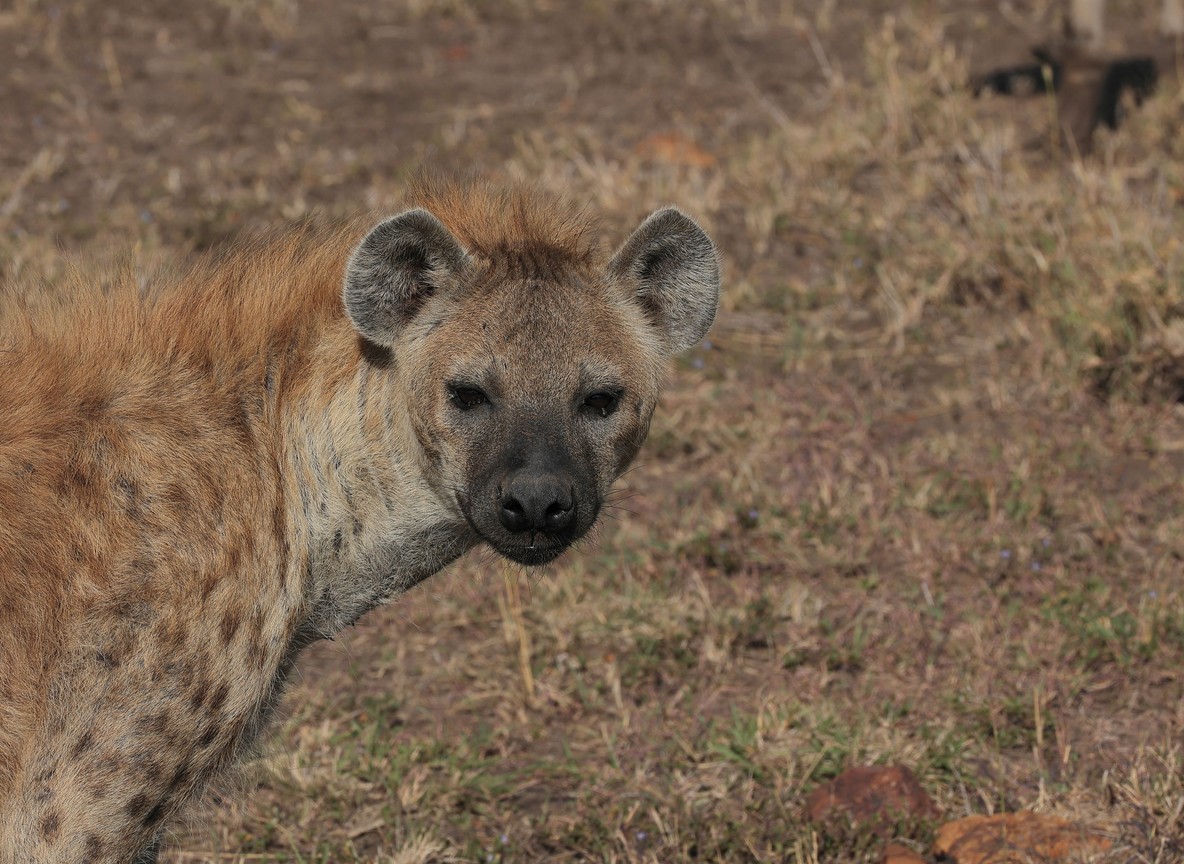
One of the most significant reforms is compensation for communities affected by wildlife. Under the new Act, Kenyans who lose a family member, are injured, or lose livestock or crops to wildlife can claim compensation of up to KES 5 million for a death claim, paid through a two-tier government process.
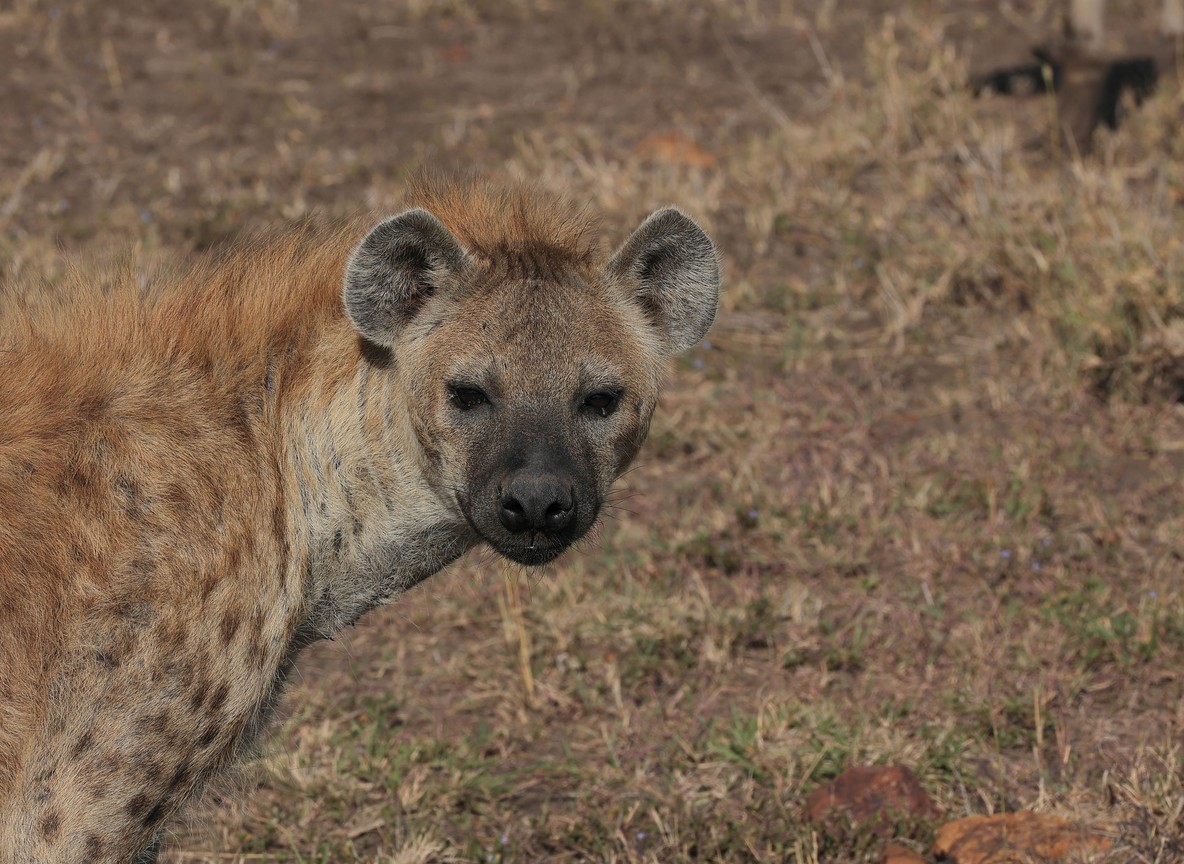
This matters to travelers because conflict between farmers and wildlife, particularly elephants and predators near park boundaries, has historically pushed communities toward retaliatory killings or fence-building that blocks migration corridors. Better compensation reduces the incentive to harm wildlife, which supports the elephant herds around Amboseli National Park and the predator populations in the Maasai Mara ecosystem that your safari is built around.
Conservancies Get a Legal Upgrade
The new Act formally recognizes conservancies on private and community land, not just land inside gazetted national parks. This is a big deal in Kenya, where a large share of wildlife spends part of the year outside park boundaries.
At least 30 percent of gate fee revenue collected from national parks and reserves is now required to flow back to the communities living on the borders. For places like the Maasai Mara, where conservancies such as Mara North, Naboisho, and Olare Motorogi already operate on Maasai-owned land bordering the reserve, this formalizes a revenue-sharing model that was previously informal or set camp by camp.
| Area | Type | Approx. Size (km2) | Distance from Nairobi | Indicative Conservation Fee (per person/night) |
|---|---|---|---|---|
| Maasai Mara National Reserve | National reserve (Narok County) | ~1,510 km2 | ~270 km road / ~45 min flight to Musiata airstrip | USD 200/day non-resident (effective Jul 2026) |
| Mara North Conservancy | Community conservancy | ~320 km2 | Borders Mara’s north edge | USD 80-120/night (indicative range) |
| Naboisho Conservancy | Community conservancy | ~200 km2 | Borders Mara’s east edge | USD 70-100/night (indicative range) |
| Amboseli National Park | National park (KWS) | ~392 km2 | ~240 km road / ~40 min flight to Amboseli airstrip | USD 60-80/day non-resident (indicative range) |
| Tsavo East National Park | National park (KWS) | ~13,747 km2 | ~330 km road from Nairobi via Voi | USD 40-60/day non-resident (indicative range) |
Indicative ranges are drawn from typical camp and conservancy pricing bands and should always be confirmed at time of booking, since county and conservancy boards adjust fees independently.
Counties Now Manage Their Own Reserves, Including the Maasai Mara
This is the change most likely to affect your trip planning directly. The Maasai Mara National Reserve is managed by Narok County, not Kenya Wildlife Service, and the new legal framework gives counties clearer authority to set their own fee structures and management plans for reserves inside their borders. A companion County Wildlife Conservation and Management Model Bill gives counties a template for how to run reserves, invest gate revenue, and maintain roads, gates, and visitor facilities like Sekenani Gate and Oloolaimutia Gate.
In practice, this means fee changes at the Maasai Mara can happen on a different schedule than fee changes at KWS-run parks like Amboseli or Tsavo, since Narok County sets its own rates. If you are comparing safari quotes across parks, always ask your operator which fee schedule applies and when it was last updated, because county-managed reserves can move faster than national ones.
Stronger Anti-Poaching Penalties Mean Better Wildlife Sightings
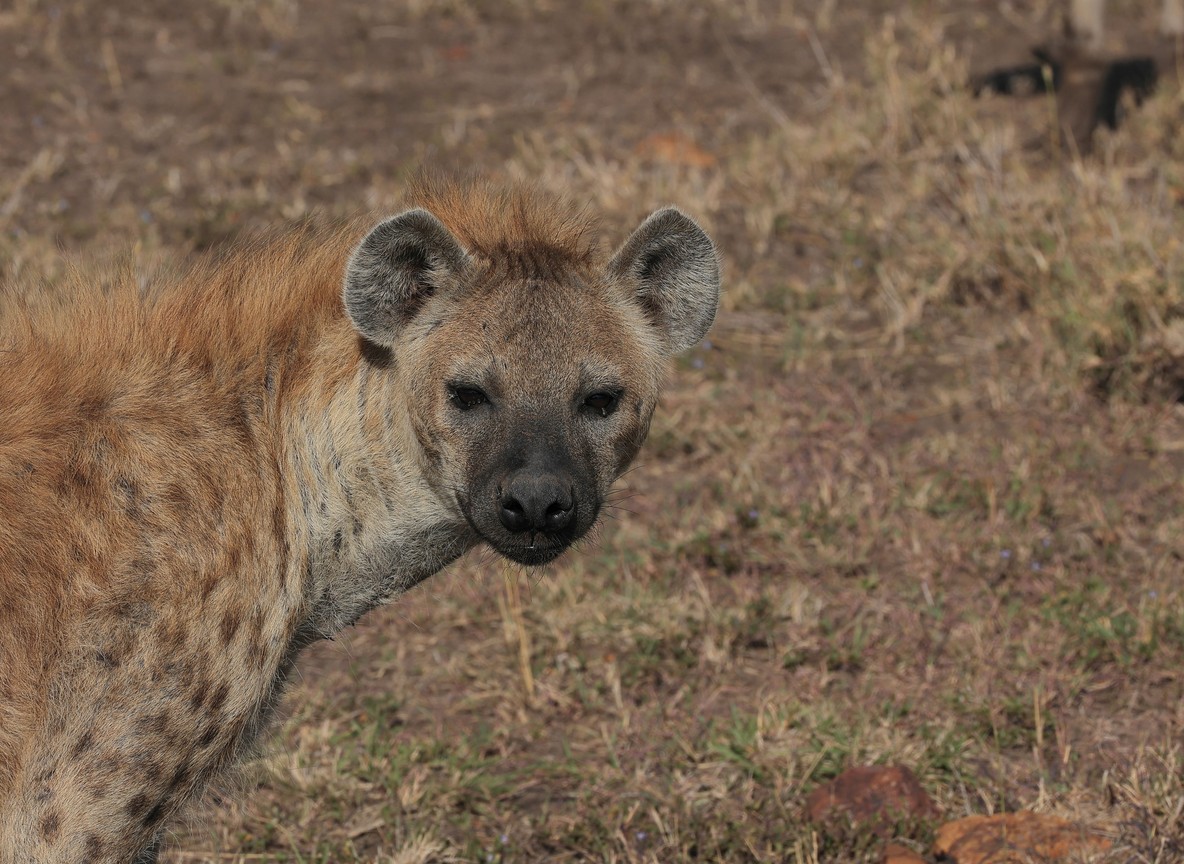
The new Act raises fines and prison terms for poaching and illegal wildlife trade. Kenya’s rhino population has already been recovering under the existing legal framework, with sanctuaries like Lewa Wildlife Conservancy, Ol Pejeta, and Solio Ranch driving that growth through intensive protection. Stiffer penalties give rangers and prosecutors a stronger tool to keep that momentum going, which directly benefits travelers hoping to see black rhino in Laikipia or the Mara ecosystem.
For safari travelers, this legal backing translates into what you experience on the ground: more consistent ranger patrols, fewer snares along wildlife corridors, and healthier predator-prey dynamics in the parks and conservancies your itinerary covers.
What This Means for Your 2026/2027 Safari Budget
Here is the honest answer: your total trip cost will likely include a slightly higher share going to conservation and community fees than in past years, but the increase is modest against the overall trip cost, and it buys better-protected wildlife and safer, more stable communities around the parks.
| Budget Line | Pre-2025 Typical Share | Post-Act Typical Share | What Changed |
|---|---|---|---|
| Park/reserve gate fees | ~15% of trip cost | ~15-18% of trip cost | County-set schedules revised more often |
| Conservancy conservation fees | Varies by camp | Standardized minimums at many conservancies | 30% community revenue-share rule |
| Community levy/compensation fund | Not itemized | Increasingly itemized by operators | New compensation fund partly tourism-financed |
| Accommodation and guiding | ~60-70% of trip cost | ~60-70% of trip cost | Largely unchanged |
We build these fees into every quote at Trunktrails Safaris, so there are no surprises when your invoice arrives. Our guides also stay current on which reserves have updated their fee schedules, since Narok County and Kenya Wildlife Service do not always move in sync. 📸
Common Questions About the Kenya Wildlife Conservation Bill
Does the new law raise park entry fees immediately? Not automatically. The Act sets the legal framework, but each county and Kenya Wildlife Service still has to gazette specific fee changes. The Maasai Mara fee revision from Narok County is the clearest example so far. Other parks may adjust more gradually.
Will conservancy fees rise because of the 30 percent revenue-sharing rule? Some conservancies may standardize fees that were previously negotiated camp by camp, but the rule is designed to formalize money that was often already being shared informally. Expect clearer invoicing rather than dramatic price jumps.
Is it still safe to book a Kenya safari while the law is being implemented? Yes. Implementation happens at the administrative level, not on the ground. Rangers, guides, and camps continue to operate normally. The main practical change for travelers is which fee schedule applies to which park, which is exactly why booking with an operator who tracks tours and safaris pricing closely matters.
How does this affect community conservancies I might visit, like Il Ngwesi or Naboisho? These conservancies stand to gain more formal recognition and a clearer share of tourism revenue, which supports the anti-poaching scouts and grazing management programs that keep wildlife healthy on community land.
The Trunktrails Advantage
Kenya’s wildlife law is changing fast, and not every operator keeps pace with it. This is where Trunktrails Safaris does things differently.
- We track fee changes at the source. When Narok County updates Maasai Mara rates or a conservancy revises its conservation fee, we update our quotes before you ask, not after you have already paid a deposit.
- We work directly with community conservancies. Because the new Act strengthens conservancy revenue-sharing, we prioritize partner camps in Mara North, Naboisho, and similar community-owned conservancies, so more of your spend reaches the families living alongside the wildlife.
- Our guides understand the legal landscape. From compensation rules to anti-poaching enforcement, our guides can explain what you are seeing and why it matters, turning a game drive into a genuine conservation story.
- We build compliant, transparent budgets. Every Trunktrails Safaris itinerary itemizes park fees, conservancy fees, and community levies separately, so you know exactly where your money goes.
Trunktrails Safaris has built its tours and safaris around Kenya’s real conservation landscape, not an outdated fee sheet. That is a meaningful difference when the law itself is moving this quickly. ✨
Ready to Book a Kenya Safari That Gets the Details Right?
Kenya’s new wildlife law is good news for the animals, the communities that live with them, and the travelers who come to see them, but only if your itinerary reflects it accurately. Trunktrails Safaris builds every safari package around current park fees, conservancy rules, and community revenue-sharing requirements, so your trip supports the conservation model this new Act was written to protect.
Talk to our team today and get a Kenya safari itinerary with fees, conservancy access, and community impact clearly explained from the first quote.
Further reading
More safari planning resources
- Kenya national parks map from Valley Safaris
- Maasai Mara National Reserve guide on Touring Insights
- Compare Kenya safari packages on FindMySafari
- Interactive Maasai Mara map from Valley Safaris
📱 WhatsApp: +254 113 208888 📧 Email: info@trunktrailssafaris.com 🌍 Website: trunktrailssafaris.com
Trunktrails Safaris is a Kenyan-owned operator built on real relationships with the parks, conservancies, and communities behind every safari we run. Let us plan your next trip the right way. 🐘