Kenya National Wildlife Database: Inside the System Protecting the Big Five
Ask a ranger in Ol Pejeta Conservancy how many black rhinos live inside the fence line, and they will not guess. They will pull up a record with a specific animal. That file shows its ear-notch pattern, its last known GPS position, and the date a vet last examined it. This record sits inside a growing kenya national wildlife database that links rhino sanctuaries, elephant researchers, forensic labs, and ranger patrols into one connected system.
This is not a single app with a flashy launch date. Kenya Wildlife Service (KWS) and its conservation partners have built and connected these tools over two decades. Together they now shape how the Big Five are protected across the country. Travelers booking tours and safaris in Kenya benefit from this system too. It explains why certain parks report near-zero poaching. It also explains why some conservancies can show you a named, tracked animal instead of just “a lion, somewhere out there.”
We put this guide together at Trunktrails Safaris because guests keep asking how rangers actually know where the animals are. Here is what sits behind that answer. 🦁
What Is Kenya’s National Wildlife Database?
At its core, the kenya national wildlife database is a set of linked records: individual animal identities, ranger patrol logs, DNA samples, and census counts. KWS built these tools separately at first. A rhino ID register started decades ago with hand-drawn ear notches. Next came a DNA forensics lab, then satellite collars and mapping software.
Today these pieces talk to each other more than they used to. A ranger who finds a snare logs it on a patrol app. Meanwhile, a vet who treats an injured elephant logs the GPS point and health notes in the same system. Elsewhere, a lab technician who tests a seized tusk checks it against a national DNA reference. Each entry adds to the same underlying picture: where animals are, which ones are at risk, and where enforcement needs to focus next.
Inside the Rhino Identification System That Protects Every Horn
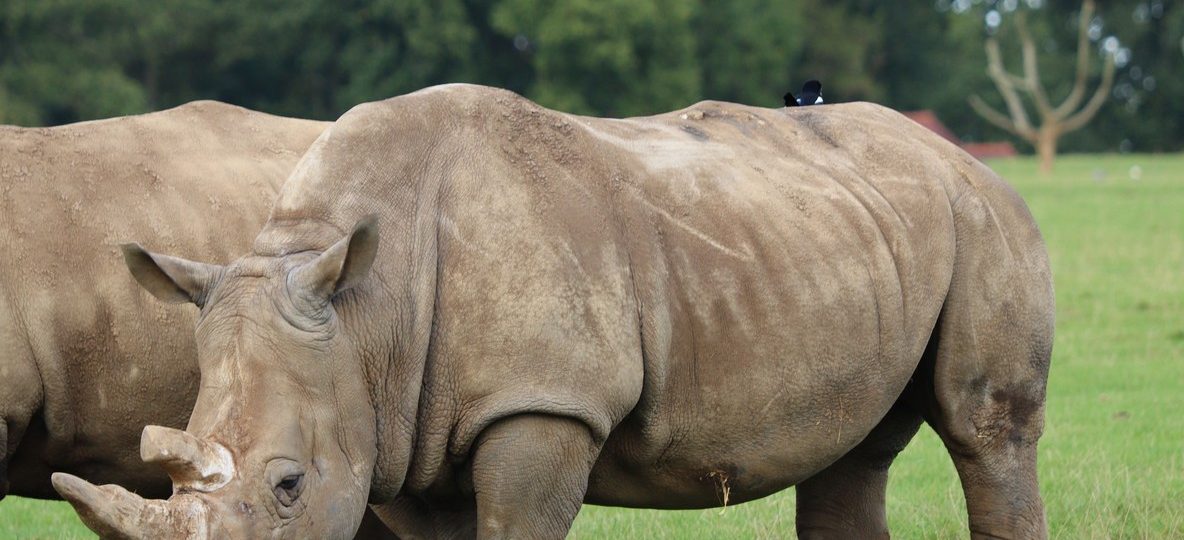
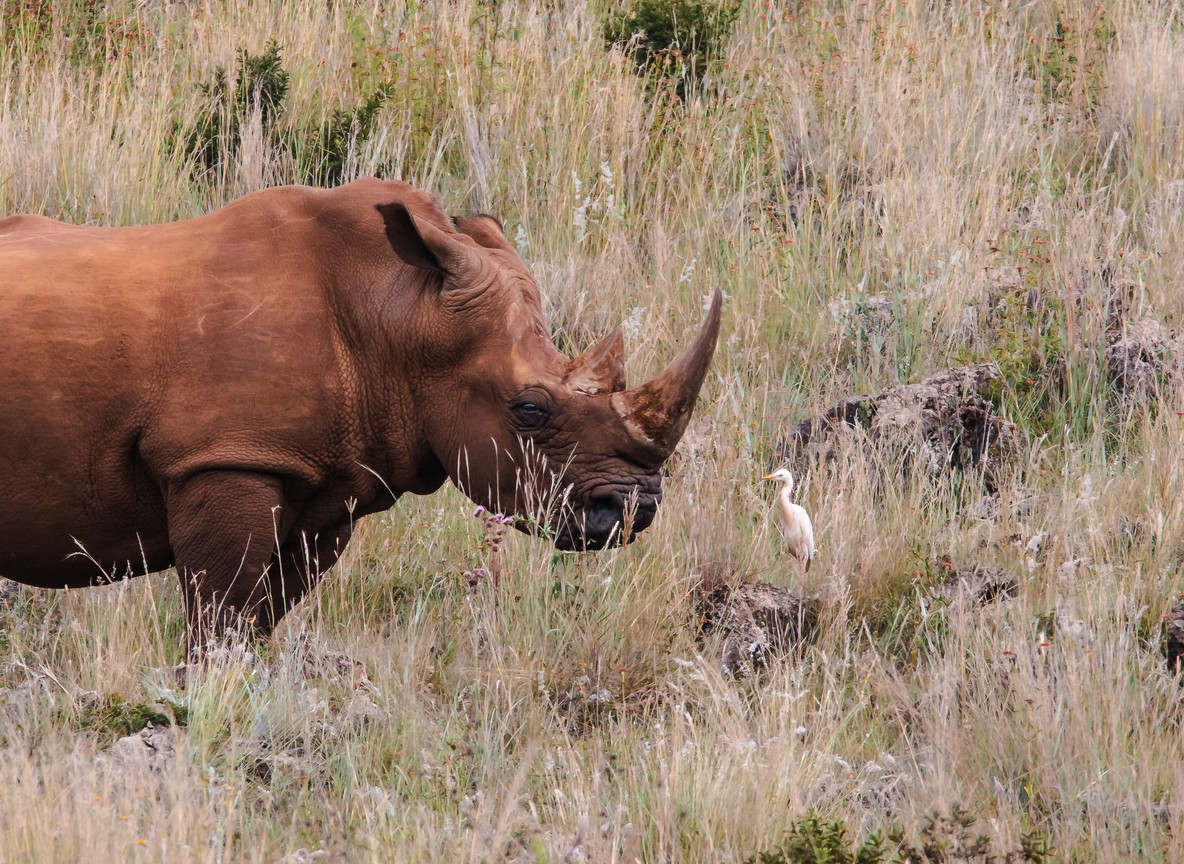
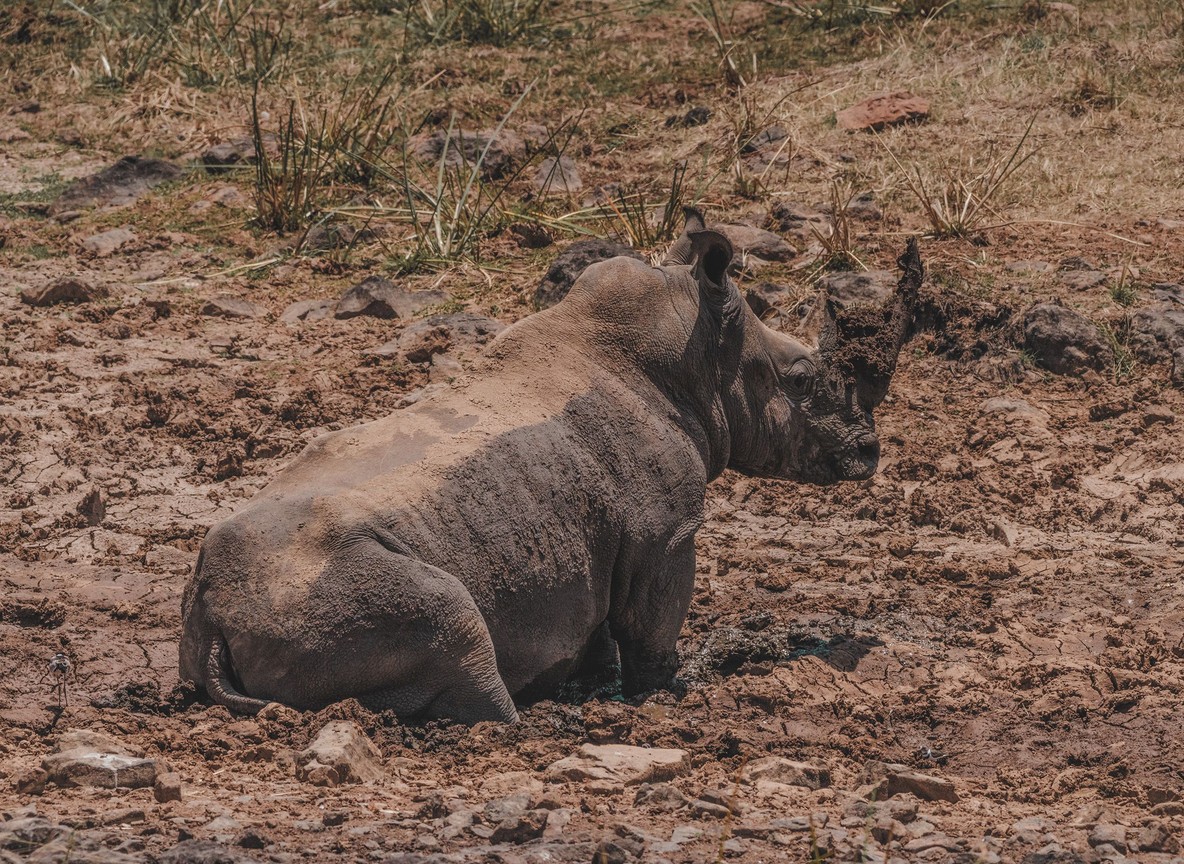
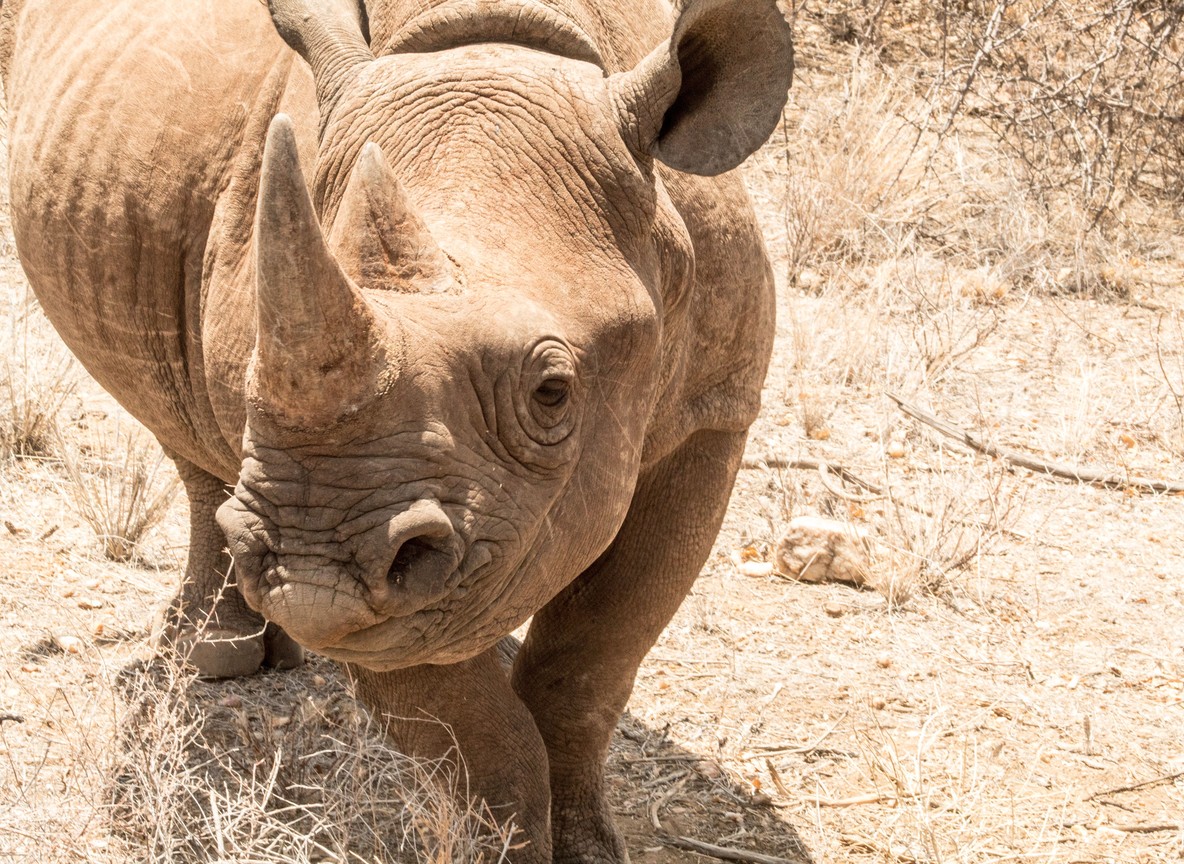
Rhinos get the most detailed tracking of any species in Kenya, and for good reason. Kenya holds close to 2,000 black and white rhinos, spread across fenced sanctuaries including Lake Nakuru National Park, Nairobi National Park, Ol Pejeta Conservancy, Lewa Wildlife Conservancy, and Solio Ranch.
Every rhino in these sanctuaries carries a unique ear-notch pattern. Rangers have used this numbering system since the 1980s, and they now log it digitally alongside photographs and microchip data. Vets update each animal’s file after every health check. Rangers report a sighting, a birth, or a death within hours. This record keeping is a major reason Kenya’s rhino population has grown steadily since the mid-1990s. Poaching had pushed black rhino numbers dangerously low before that turnaround.
How EarthRanger Tracks Elephants, Rangers, and Threats in Real Time
Elephant tracking works differently. Instead of physical markings, researchers fit selected elephants with GPS collars that send location updates through the day. Save the Elephants, the research organization founded in Samburu, pioneered much of this collaring work in northern Kenya and shares data with KWS.
That location data feeds into a mapping platform called EarthRanger, along with ranger patrol routes and reported incidents. Conservancies including Ol Pejeta, Lewa, and the Mara Elephant Project use it every day. On one screen, they see where collared elephants are moving and where rangers are patrolling at the same moment. If a collared elephant suddenly stops moving for hours, that is a flag someone checks immediately. It might be nothing, or it might be a snare.
Lion Monitoring: From Whisker Spots to a National Predator Database
Lions do not wear collars as often as elephants, but they are just as trackable. Every lion has a unique whisker-spot pattern, as individual as a fingerprint, along with scars, ear notches, and mane shape. Researchers working across the Maasai Mara ecosystem and Amboseli photograph and log these features into shared predator databases.
The 2021 national wildlife census, Kenya’s first ever count using this integrated approach, recorded roughly 2,589 lions nationally. That baseline number matters. Every future census compares against it, and a rising or falling count tells KWS exactly where to send conservation resources next.
The DNA Forensics Lab Putting Poachers Behind Bars
Behind the scenes, KWS runs a forensic and genetics laboratory in Nairobi. It tests ivory, rhino horn, and bushmeat samples seized at roadblocks, airports, and border crossings. Each sample gets matched against a genetic reference library. That library can often trace ivory back to the region, sometimes the specific park, where the animal was killed.
This matters in court. A tusk with a documented genetic trail is far harder for a defense lawyer to dismiss than an unverified seizure. Wildlife crime prosecutions in Kenya have become measurably stronger since forensic evidence became standard practice, and that shift traces directly back to this lab work.
SMART Patrols: Turning Ranger Data Into a Living Map
Ground-level protection runs through a tool called SMART, the Spatial Monitoring and Reporting Tool, which KWS rangers have used since around 2015. Every patrol logs snares found, animal sightings, illegal grazing, and suspicious activity with GPS coordinates attached.
Over time, this builds a heat map of where poaching pressure concentrates. Rangers stop patrolling at random and start patrolling where the data says the risk actually is. It is the same logic a police department uses to allocate officers to high-crime blocks, applied to a national park.
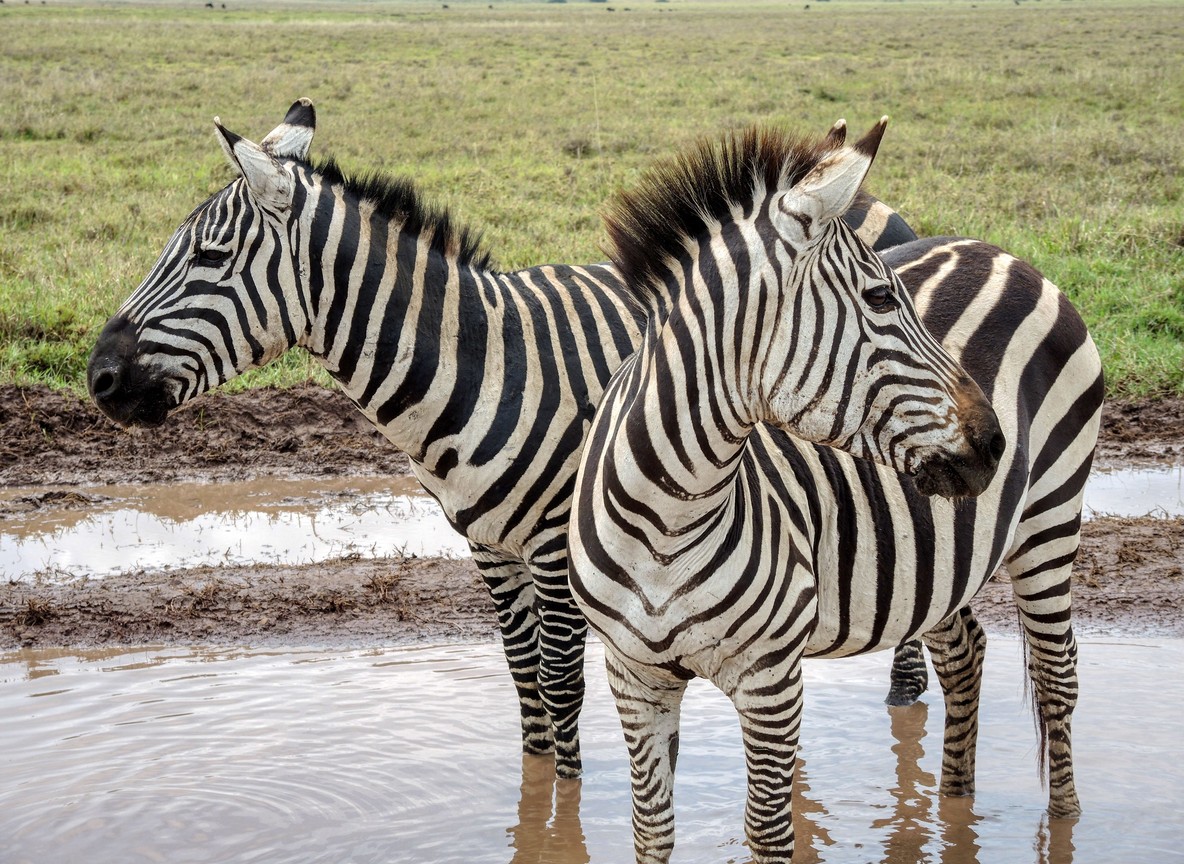
What the 2021 National Wildlife Census Revealed
Kenya’s first-ever national wildlife census fed directly into the kenya national wildlife database. Researchers combined aerial surveys, ground counts, and the digital tools above to produce numbers that had never existed before at a national scale.
| Species | 2021 National Census Count (approx.) |
|---|---|
| Elephant | 36,280 |
| Buffalo | 72,564 |
| Giraffe | 34,240 |
| Lion | 2,589 |
| Black and white rhino | 1,739 |
| Grevy’s zebra | 2,984 |
These figures now serve as the baseline every future census measures against, and they directly shape where KWS focuses ranger deployment and conservancy funding.
Digital Wildlife Database vs Traditional Wildlife Monitoring
The shift from paper logbooks to a connected database changed what rangers and researchers can actually do with the information they collect.
| Factor | Traditional Monitoring | Digital Wildlife Database |
|---|---|---|
| Data speed | Weeks to compile reports | Real-time GPS and patrol updates |
| Individual animal ID | Local knowledge, informal notes | Ear-notch, whisker-spot, and DNA records |
| Poaching response | Reactive, after the fact | Proactive, flagged from movement anomalies |
| Cross-park visibility | Isolated by park or conservancy | Shared platforms like EarthRanger and SMART |
| Court evidence | Circumstantial | DNA-matched forensic trail |
Where You Can See This Technology in Action on Safari
You do not need a research permit to see the kenya national wildlife database at work. Several conservancies build ranger briefings and rhino-tracking drives directly into their guest experience.
| Location | Size | Distance/Time from Nairobi | Indicative Daily Fee (non-resident, USD) | Tech You’ll See |
|---|---|---|---|---|
| Ol Pejeta Conservancy | 360 km² | ~200 km / 4-4.5 hr drive | 90-100 | Rhino ID monitoring, EarthRanger |
| Lewa Wildlife Conservancy | 250 km² | ~280 km / 45-min flight from Wilson Airport | 100-120 | Ear-notch rhino records, ranger patrol data |
| Nairobi National Park | 117 km² | 10 km / 20-30 min from CBD | 52 | Black rhino sanctuary, urban ranger patrols |
| Maasai Mara National Reserve | 1,510 km² | ~270 km / 45-min flight from Wilson Airport | 200 | Lion ID databases, Mara Elephant Project tracking |
| Lake Nakuru National Park | 188 km² | ~160 km / 3 hr drive | 52 | Fenced rhino sanctuary, ear-notch program |
Prices above are indicative 2026 non-resident daily rates and change by season and operator. Always confirm current fees before booking.
The Trunktrails Advantage
Trunktrails Safaris builds itineraries that put you next to this conservation work, not just near it. When you book tours and safaris with us to Ol Pejeta or Lewa, we arrange ranger-led rhino tracking drives. Guides explain exactly how each animal’s ID file works. They are trained on the same conservancy briefings rangers use, so questions about collaring, patrol data, or the DNA lab get real answers, not guesswork.
We also route guests toward conservancies that reinvest conservancy fees directly into this tracking infrastructure. Your visit helps fund the rangers and vets keeping these records current. Trunktrails Safaris works with Kenyan-owned camps and community conservancies first, so your trip supports the people running the patrols, not just the wildlife they protect.
Every itinerary we build for tours and safaris across Kenya’s rhino sanctuaries and elephant corridors includes time with the guides and rangers who make this database possible. That is the difference between watching wildlife and understanding how it survives. ✨
Ready to See Kenya’s Conservation Technology Up Close?
Do tracking collars, rhino ID files, and the kenya national wildlife database sound like the kind of safari story you want to experience firsthand? Trunktrails Safaris can build that trip. Tell us which species matters most to you, rhino, elephant, or lion. We will match you with the right conservancy and the right season.
Further reading
More safari planning resources
- Kenya national parks map from Valley Safaris
- Big Five safari parks guide on Touring Insights
- Big Five safari collection on FindMySafari
- Ol Pejeta and Sweetwaters safari package from Valley Safaris
- WhatsApp: +254 113 208888
- Email: info@trunktrailssafaris.com
- Website: trunktrailssafaris.com
- Kenyan-owned, Nairobi-based tours and safaris operator 📸