
Thimlich Ohinga: Kenya’s Forgotten UNESCO Stone City Near Lake Victoria
Ask ten Kenya safari travellers about thimlich ohinga kenya and nine will draw a blank. Yet this cluster of dry-stone enclosures near Lake Victoria has held UNESCO World Heritage status since 2018. It stands alongside Lamu Old Town and Fort Jesus as one of only a handful of Kenyan sites on that list. The Masai Mara and Amboseli fill every safari itinerary. Thimlich Ohinga sits quietly in Migori County instead, largely unvisited. Its walls are stacked stone on stone with no mortar, and no written record explains exactly who built the first ones.
Trunktrails Safaris occasionally routes travellers through western Kenya toward Thimlich Ohinga as an add-on to Lake Victoria and Ruma National Park tours and safaris. This guide covers the history, the real distances involved, and what you need to know before you go. 🌍
What Is Thimlich Ohinga? Kenya’s Stone City Explained
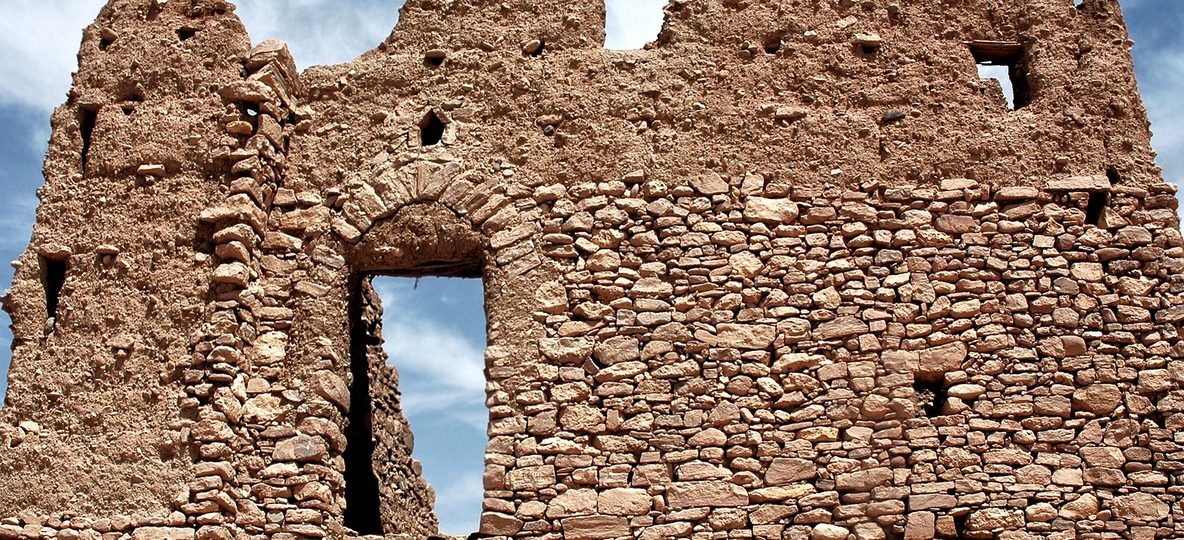
Thimlich Ohinga is a cultural landscape made up of several dry-stone walled enclosures. It sits in Nyatike Sub-county, Migori County, close to the eastern shore of Lake Victoria and not far from the Kenya-Tanzania border. The word “ohinga” means “fortified settlement” in the Dholuo language. “Thimlich” describes the dense thicket of vegetation that has grown over parts of the ruins.
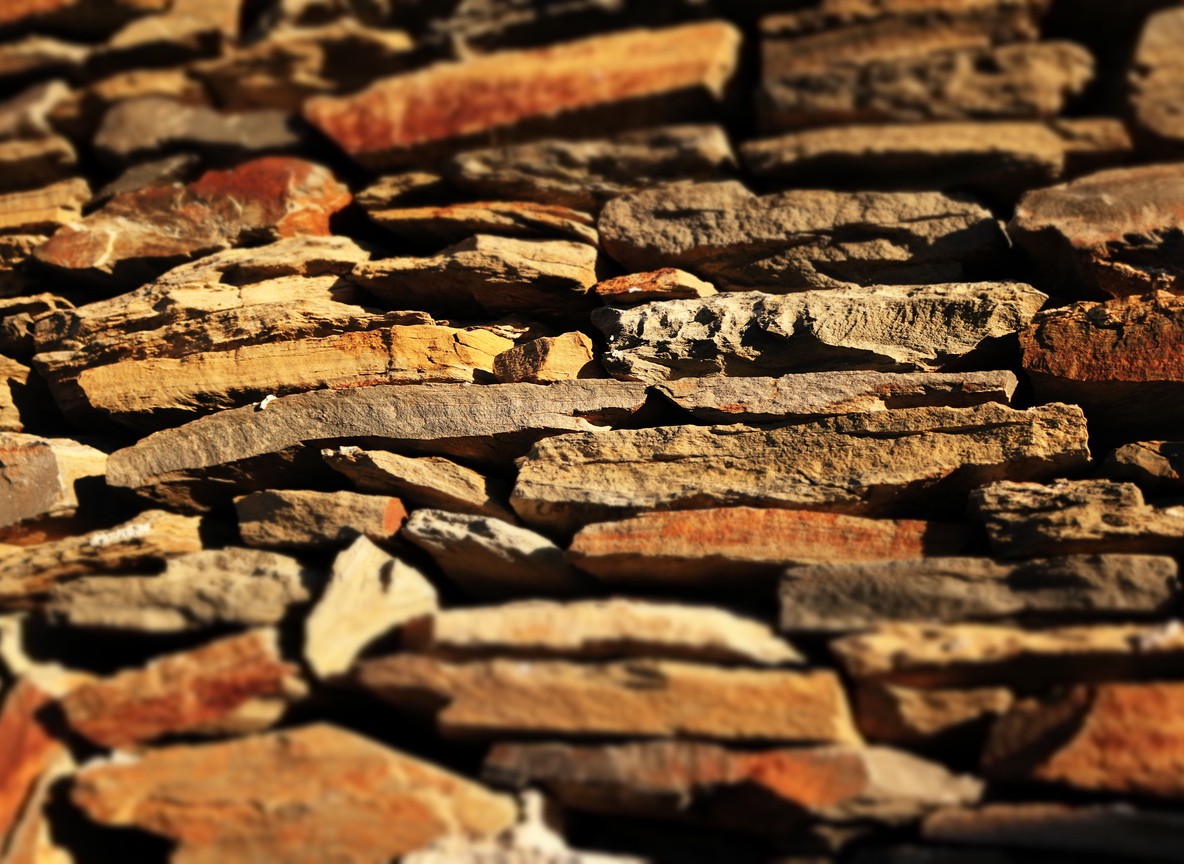
Unlike the mud-and-thatch homesteads more typical of the region, the walls here are built entirely from unfashioned stone blocks. There is no binding mortar, a construction technique known as dry-stone walling. Some sections of wall still stand 1 to 4 metres high, with a base thickness of 1 to 3 metres. It is an engineering feat that has kept them standing for centuries without a single repair crew.
UNESCO inscribed the site as a World Heritage property in 2018. The listing describes it as an outstanding example of a large dry-stone walled settlement tradition that once stretched across the Lake Victoria basin. Thimlich Ohinga is now the best-preserved example remaining.
Thimlich Ohinga Facts at a Glance
| Fact | Detail |
|---|---|
| UNESCO inscription | 2018, World Heritage List |
| Location | Nyatike Sub-county, Migori County, Kenya |
| Nearest town | Macalder trading centre, about 5 km away |
| Nearest city | Migori town, approximately 45 km |
| Core site area | Roughly 21 hectares |
| Wall height | 1 to 4.2 metres |
| Wall base thickness | 1 to 3 metres |
| Construction method | Dry-stone, no mortar |
| Estimated main building era | 14th to 17th century |
| Managing body | National Museums of Kenya (NMK) |
| Distance from Lake Victoria shore | Approximately 10 to 15 km inland |
Most of these figures come from site documentation and NMK records rather than a single fixed source. Treat the smaller numbers as indicative, and confirm specifics with the site office before you travel.
The History Behind the Dry-Stone Walls
Archaeologists believe the earliest occupation at Thimlich Ohinga dates to around the 14th century. The main enclosure walls were built up through the 16th and 17th centuries. No single community built the site in one generation. It reflects successive waves of Bantu-speaking, Nilotic and Cushitic groups. These groups settled, herded cattle, and fortified their homesteads in the same location over several hundred years.
The complex includes four principal enclosures, generally referred to as Kochieng, Kaksingri, Koketch and Koktatru. Each has its own network of internal stone-walled livestock pens and house platforms. The walls were defensive first and residential second. They protected cattle, the primary form of wealth for the pastoralist communities who lived here, from raiders and predators.
What makes Thimlich Ohinga significant is not just its age but its survival. Similar dry-stone enclosures once dotted much of the Lake Victoria basin in Kenya and Tanzania. Most were dismantled over time for building material or lost to agriculture. Thimlich Ohinga is the largest and most intact example left standing, which is a major part of why UNESCO singled it out.
Thimlich Ohinga vs Other African Stone Cities
Kenya rarely gets mentioned alongside sub-Saharan Africa’s famous stone architecture. Thimlich Ohinga belongs in that conversation. Here is how it compares to two other well-known stone-walled sites.
| Site | Country | Era Built | Wall Height | Site Size | Approx. Visitors/Year |
|---|---|---|---|---|---|
| Thimlich Ohinga | Kenya | 14th-17th century | Up to 4.2 m | ~21 hectares | Low hundreds (indicative) |
| Great Zimbabwe | Zimbabwe | 11th-15th century | Up to 11 m | ~720 hectares | Tens of thousands |
| Fort Jesus, Mombasa | Kenya | 1593 (Portuguese) | Up to 15 m | Small fortress footprint | Hundreds of thousands |
Great Zimbabwe is far larger and receives far more visitors. Fort Jesus benefits from being inside a major coastal tourist city. Thimlich Ohinga is neither large-scale nor easy to reach. That is precisely why it remains one of the quietest UNESCO sites on the continent. If you want a stone-walled heritage site without another tour bus in sight, this is it.
How to Get to Thimlich Ohinga from Nairobi
Getting to Thimlich Ohinga takes genuine planning, which is part of why so few travellers make it there.
By road from Nairobi: Roughly 450 km via Nakuru, Kericho and Kisii to Migori. Then it is around 45 km further on a partly murram road toward Macalder and the site entrance. Total drive time is approximately 7 to 8 hours. Best split it with an overnight stop in Kisii or Kisumu.
By air plus road: Fly from Nairobi (Wilson Airport or JKIA) to Kisumu, a flight of roughly 45 to 50 minutes. From Kisumu, it is about 120 km south to Migori town, around 2 to 2.5 hours by road. A further 45 km on rougher roads gets you to the site itself, about 1 to 1.5 hours. This route trims total travel time to roughly 4 to 4.5 hours after landing.
Combining with Lake Victoria and Ruma National Park: Most travellers pair Thimlich Ohinga with a Lake Victoria stay near Kisumu or Homa Bay. Many add a visit to Ruma National Park, Kenya’s only home to the roan antelope, which sits within a similar radius of the lake’s eastern shore.
Trunktrails Safaris arranges private 4WD transfers for this route because public transport options are limited and the final stretch of road requires a higher-clearance vehicle, especially after rain.
What to See Inside the Enclosures
Once inside, the scale of the dry-stone walls is the immediate draw. Walking through the narrow entrance passages built into the Kochieng enclosure gives a real sense of the defensive thinking behind the design. Passages are deliberately narrow and winding. This made it difficult for raiders or predators to rush the interior.
Inside the main enclosures, you can still make out circular depressions marking where houses and livestock pens once stood. A small site museum near the entrance displays pottery shards, iron tools and other artefacts recovered during excavation. Its panels explain the site’s UNESCO listing and the communities connected to it.
Local guides employed through the National Museums of Kenya lead walking tours. They point out details easy to miss on your own, including grinding stones and sections of wall built using slightly different techniques. These small differences are evidence of the site’s long, layered construction history.
Best Time to Visit Thimlich Ohinga
| Season | Months | Conditions |
|---|---|---|
| Dry season | June to October, January to February | Best road access, easiest walking |
| Long rains | March to May | Roads to the site can become difficult; some sections need 4WD |
| Short rains | November to December | Generally passable but check locally before travel |
The final approach road is unpaved, so the dry season is strongly preferred. Trunktrails Safaris checks road conditions with local contacts before confirming any Thimlich Ohinga add-on during the rainy months.
The Trunktrails Advantage for Thimlich Ohinga Trips
Thimlich Ohinga is not a stop most tour operators know how to plan for, and that is exactly where Trunktrails Safaris adds value.
What we provide for a Thimlich Ohinga add-on:
- Private 4WD transfer suited to the unpaved final approach road
- Local guide coordination through National Museums of Kenya contacts
- Route planning that pairs the site with Lake Victoria, Kisumu and Ruma National Park
- Realistic timing advice so the trip does not feel rushed against your wider itinerary
- Accommodation booking in Kisumu, Homa Bay or Migori for the overnight legs
- Conservation-minded travel practices that respect the site and surrounding communities
When you book tours and safaris with Trunktrails Safaris, you get an operator that plans the unglamorous logistics. The road conditions, the guide bookings, the realistic drive times are all handled, so the actual visit is the only thing you need to think about. This is native Kenyan-owned travel planning, built by people who know which roads need a 4WD.
Trunktrails Safaris can build Thimlich Ohinga into a wider western Kenya circuit for solo travellers seeking something off the beaten path. It also works well as a cultural counterpoint to a longer Masai Mara or Amboseli safari.
Practical Information for Visiting Thimlich Ohinga
Site fees: Entry is managed by the National Museums of Kenya. Indicative non-resident adult rates fall in the $5 to $10 range, with lower rates for residents and citizens. Confirm current pricing directly with NMK before travel, since museum and monument fees are revised from time to time.
Opening hours: Generally 8:00 am to 5:00 pm daily, though it is worth confirming ahead given the site’s remote location and limited staffing.
What to pack: Sturdy walking shoes for uneven stone paths, sun protection (there is little shade inside the enclosures), drinking water, and cash in Kenyan shillings. Card facilities are unreliable this far from major towns.
Connectivity: Mobile signal is patchy around Macalder and largely absent inside the enclosures themselves. Download any maps or reference material before you leave Migori.
Ready to See Kenya’s Forgotten Stone City for Yourself?
Thimlich Ohinga will not appear on a highlight reel next to a lion kill or a wildebeest crossing. That is its entire appeal. This is a slower kind of Kenya travel: stone walls raised by hand centuries ago, a UNESCO listing most visitors have never heard of, and a landscape near Lake Victoria that rewards travellers willing to go further than the standard circuit.
Trunktrails Safaris builds Thimlich Ohinga into western Kenya itineraries for travellers who want their tours and safaris to include something beyond wildlife. It is a genuine piece of pre-colonial East African history that most people never get shown.
WhatsApp Micah to start planning your western Kenya route:
Further reading
More safari planning resources
- Kenya tour packages from Valley Safaris
- Best time to visit Kenya on Touring Insights
- Masai Mara destination guide on FindMySafari
- Best time to visit Kenya month-by-month map from Valley Safaris
📞 WhatsApp: +254 113 208888 📧 Email: info@trunktrailssafaris.com 🌐 Website: https://trunktrailssafaris.com
Trunktrails Safaris — native Kenyan-owned, built to get you to the places other operators skip.