Kenya’s Rhino Range Expansion: How Ol Pejeta Is Building a 3,000 Sq Km Sanctuary Network
Ol Pejeta Conservancy holds more black rhinos than it can comfortably hold. That sounds like good news, and it is, but it is also the exact problem driving one of the most ambitious wildlife projects in East Africa: the Kenya Rhino Range Expansion plan. Led by the Kenya Wildlife Service (KWS) alongside private and community landowners, the plan aims to build a contiguous 3,000 square kilometre sanctuary network across Central Kenya, with Ol Pejeta acting as the source population for the founder rhinos moving into new homes.
This is the story of why Kenya’s most successful rhino sanctuary is now exporting its own animals, what the 3,000 km² figure actually means on the ground, and why Trunktrails Safaris tours and safaris into this landscape put you inside a conservation story that is still being written.
What Is the Kenya Rhino Range Expansion Plan?
The Kenya Rhino Range Expansion plan, known within conservation circles as KRRE, is a government led programme coordinated by KWS in partnership with private conservancies, community conservancies, and conservation NGOs. Its goal is straightforward on paper and hard in practice: give Kenya’s black rhino population room to grow beyond the handful of fenced sanctuaries where most animals currently live.
The initial phase targets a contiguous 3,000 km² sanctuary zone across Central Kenya’s Laikipia and Mount Kenya landscapes. The longer term ambition is much larger. KWS has stated a goal of opening five new sanctuaries across northern Kenya and the Mount Kenya region by 2030, unlocking roughly 34,000 km² of protected and semi-protected range, close to 6 percent of Kenya’s total landmass. Across more than 20 new or expanded conservancies, the plan aims to grow the national black rhino population by more than 300 animals, a 30 percent increase on current numbers.
Ol Pejeta Conservancy is the plan’s most important single contributor.
Ol Pejeta Conservancy: The Anchor of the Network
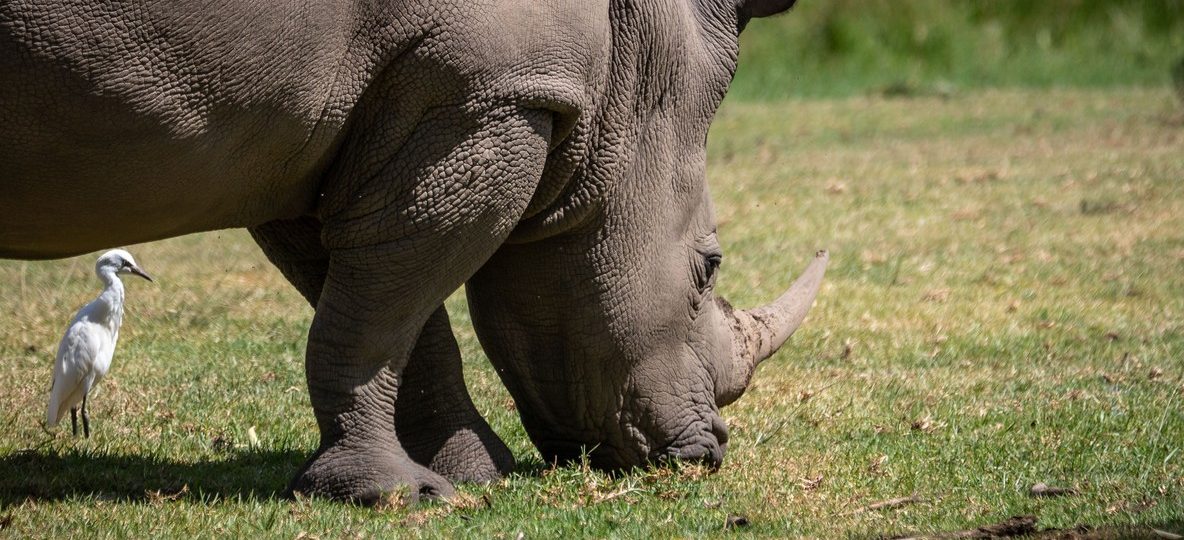
Ol Pejeta sits on roughly 90,000 acres (about 364 km²) of Laikipia County rangeland between the Aberdares and Mount Kenya. It holds the title of the largest black rhino sanctuary in East Africa, home to more than 130 black rhinos inside a fully fenced, intensively monitored habitat. It is also the last home of Najin and Fatu, the two remaining northern white rhinos on Earth, protected around the clock by an armed ranger unit.
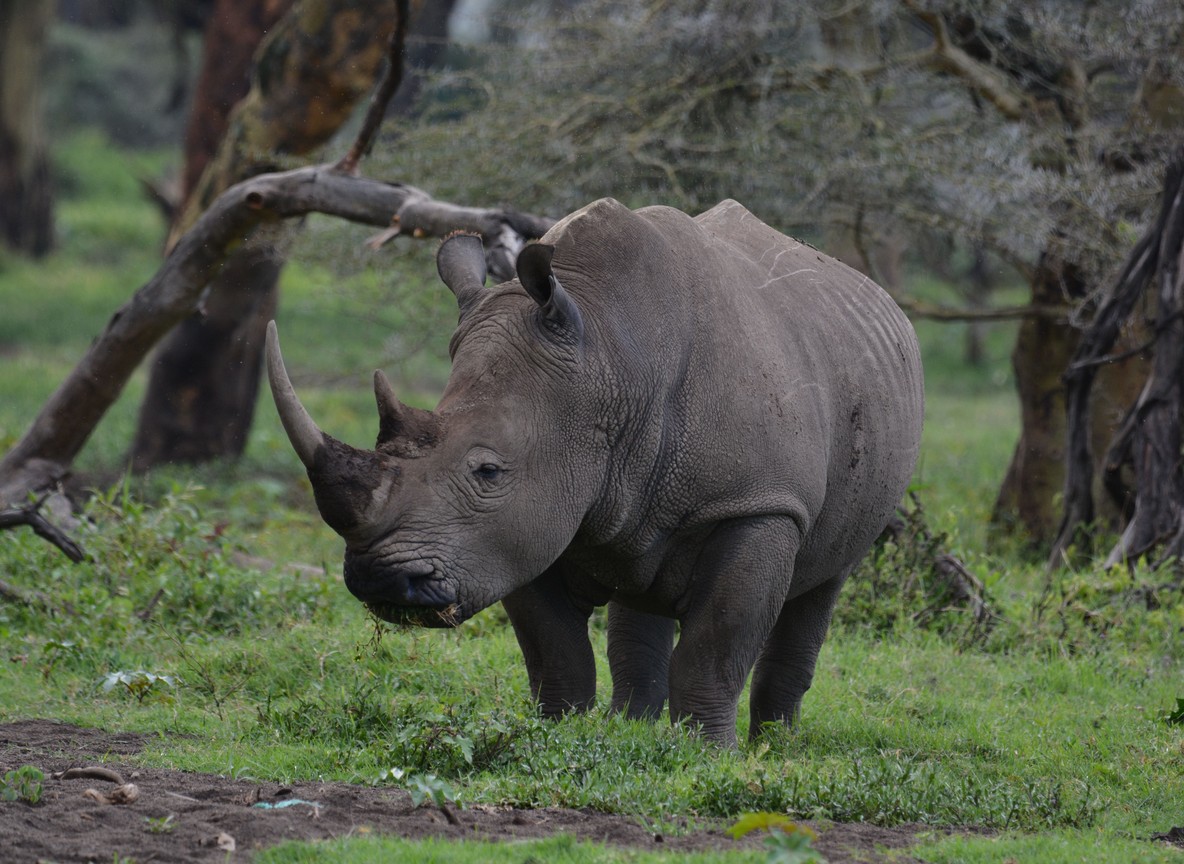
That success has created a capacity problem. Conservation scientists monitoring the Laikipia landscape have flagged Borana, Lewa, Loisaba, Ol Jogi, and Ol Pejeta as running over their sustainable carrying capacity. Too many rhinos on fixed acreage raises the risk of territorial conflict between bulls, strains grazing and water resources, and slows the population’s genetic diversity because animals keep breeding within the same closed group.
The fix is not fewer rhinos. It is more range.
Why Ol Pejeta Is Sending Rhinos Away, Not Keeping Them
Over the past two years, Ol Pejeta has contributed black rhinos to two landmark KRRE translocations, both within the wider Laikipia landscape:
- Six black rhinos moved from Ol Pejeta to Loisaba Conservancy
- Nine black rhinos moved from Ol Pejeta to Segera Conservancy
Both transfers used the same logic. Ol Pejeta’s rhino population is genetically strong and closely monitored, which makes it an ideal source for founder groups. Loisaba and Segera had completed the KWS pre-translocation checklist (perimeter fencing, ranger capacity, water points, and community agreements) making them ready receiver sites. Moving proven, healthy animals into secured new range spreads genetic diversity across the wider network instead of concentrating it in one conservancy.
Every rhino Ol Pejeta releases into a new home also frees carrying capacity for the animals that remain, and for the calves born on the conservancy each year.
The Science Behind the 3,000 Km² Target
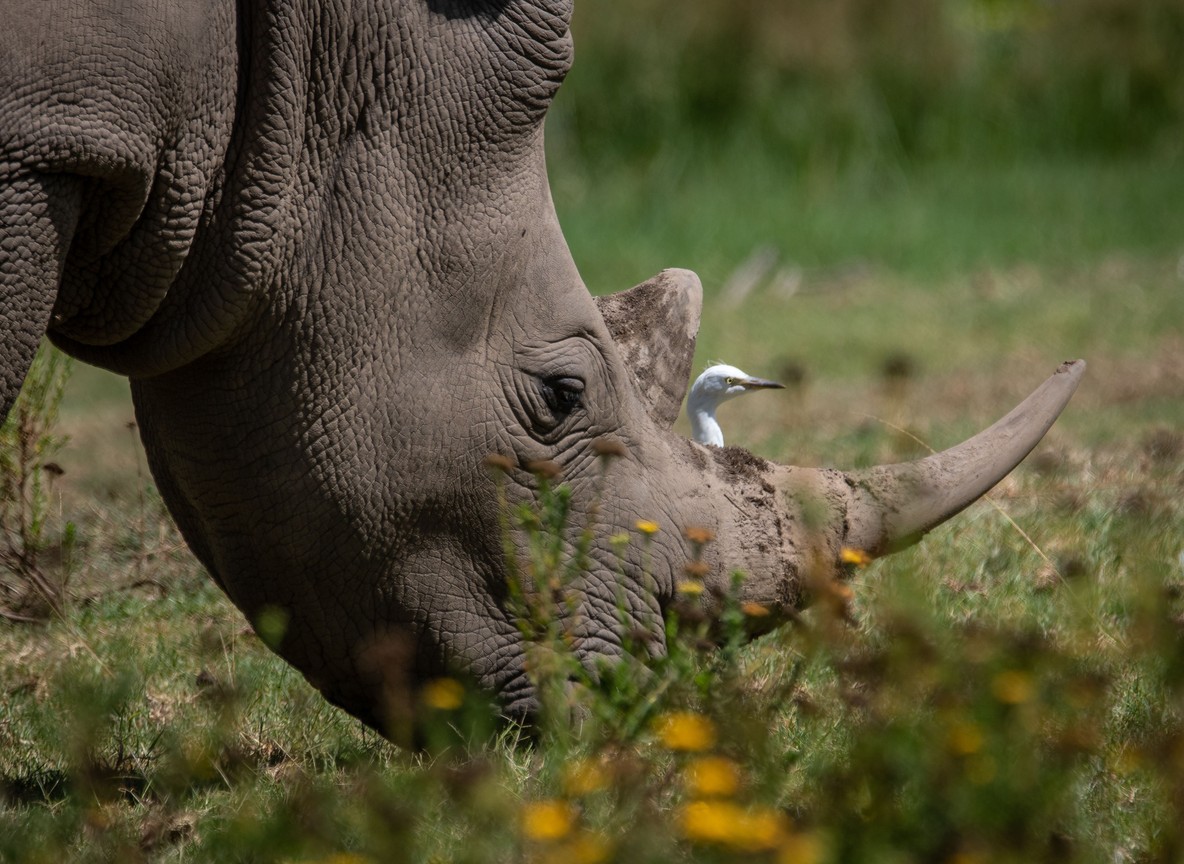
The International Union for Conservation of Nature’s African Rhino Specialist Group recommends that a black rhino population needs at least 50 breeding individuals to stay genetically healthy over multiple generations. Most of Kenya’s individual sanctuaries hold populations well below that threshold on their own. A founder group of six or nine animals, like the ones Ol Pejeta sent to Loisaba and Segera, is a starting point, not a finished population.
The 3,000 km² target is the scale conservation planners believe is needed to link enough separate populations that rhinos can eventually be managed as one larger genetic network, even while living on fenced, individually managed properties. Corridors, phased land agreements, and repeated founder translocations are the tools being used to close that gap over the coming years.
Kenya’s Rhino Sanctuary Network: How the Pieces Compare
| Conservancy | Size | Role in KRRE | Black Rhino Status | Distance from Nairobi |
|---|---|---|---|---|
| Ol Pejeta Conservancy | ~90,000 acres (364 km²) | Primary source population | 130+ black rhinos, over capacity | 210 km / 3.5-4.5 hr drive |
| Segera Conservancy | ~50,000 acres (202 km²) | Receiver site (2025) | 21 eastern black rhinos translocated, target 50+ | 220 km / approx. 4-5 hr drive |
| Loisaba Conservancy | ~57,000 acres (231 km²) | Receiver site | 6 founder black rhinos from Ol Pejeta | 250 km / approx. 5 hr drive |
| Lewa Wildlife Conservancy | ~62,000 acres (250 km²) | Established sanctuary, over capacity | Black and white rhino, long term breeding programme | 240 km / approx. 4.5-5 hr drive |
Figures are indicative estimates compiled from conservancy and KWS reporting; always confirm current fees and access with the conservancy before travel.
Visiting Ol Pejeta: Distances, Fees, and Access
Ol Pejeta is one of the most accessible conservation landscapes in Kenya, which is part of why it works so well as the network’s anchor. Here is what the trip actually looks like:
| Detail | Figure |
|---|---|
| Distance from Nairobi | 210 km (130 mi) |
| Drive time | 3.5 to 4.5 hours via the A2 / Thika Superhighway to Nanyuki, then the B5 to the Main Gate at Nairutia |
| Flight option | Wilson Airport to Nanyuki Airstrip, about 1 hour, then a 45 minute drive to the conservancy |
| Main access points | Rongai Gate (east, off the Nanyuki road) and Serat Gate (Rumuruti road) |
| Non-resident conservation fee | USD 110 per adult, USD 55 per child, USD 32 per student (indicative, confirm current rate) |
| East African citizen fee | KES 2,000 per adult, KES 1,000 per child (indicative) |
| Rhino and lion tracking add-ons | From USD 70 per activity (indicative) |
| Key landmark | Ewaso Ng’iro River, the conservancy’s permanent water source |
The Trunktrails Advantage in Laikipia and Central Kenya 🌍
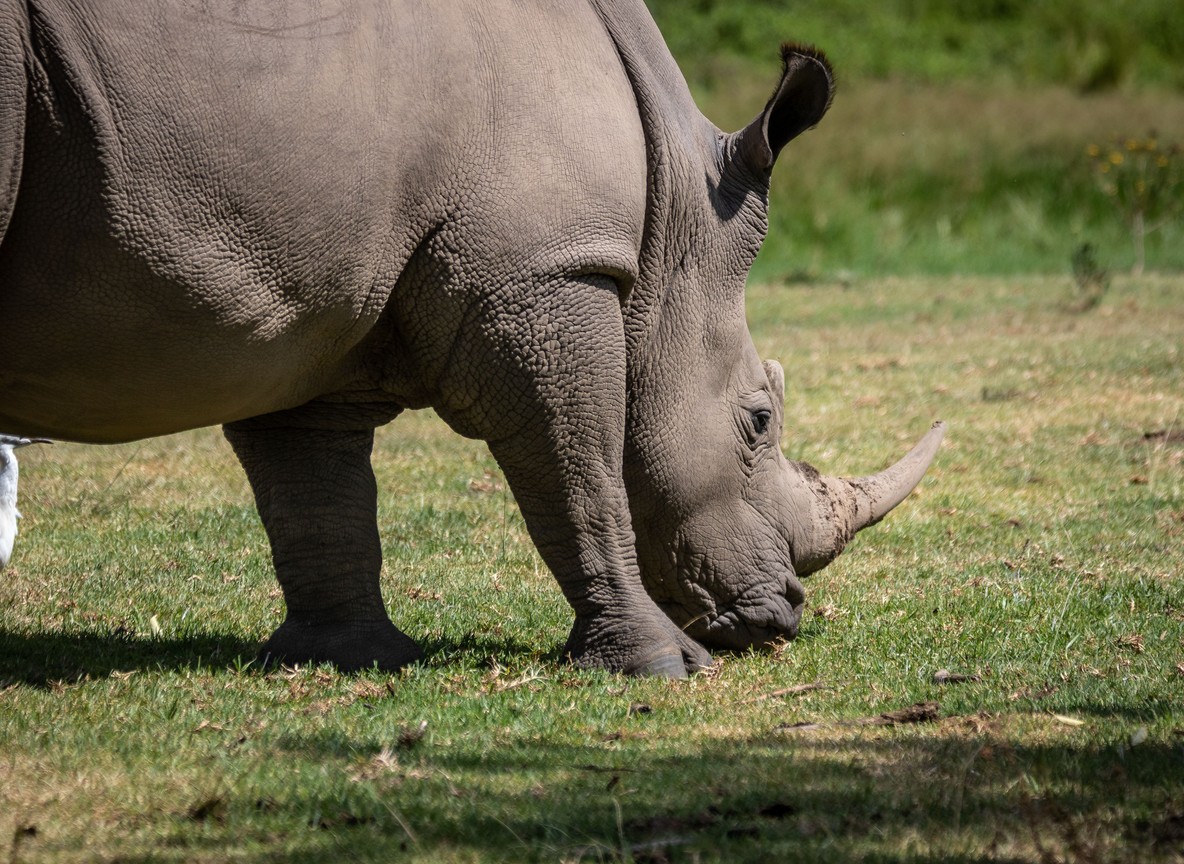
Trunktrails Safaris builds Laikipia itineraries around exactly this story. When you book Ol Pejeta through Trunktrails Safaris, your guide explains which rhinos you are seeing, where the conservancy’s recent founder groups went, and why the fence line in front of you is part of a national conservation strategy rather than a static zoo boundary.
We route multi-conservancy safaris that connect Ol Pejeta with Segera and Loisaba where access allows, so guests with a genuine interest in the range expansion story can see both a source population and a receiver site on one trip. Every Trunktrails Safaris Laikipia route includes a pre-departure conservation briefing, so you arrive already understanding what the 3,000 km² plan means and what to look for on the ground.
Our tours and safaris in this region are private vehicle only, timed for early morning tracking windows when rhino sightings are most reliable, and built with flexible pacing for photographers, families, and conservation focused travellers alike.
What This Means for Kenya’s Rhino Future
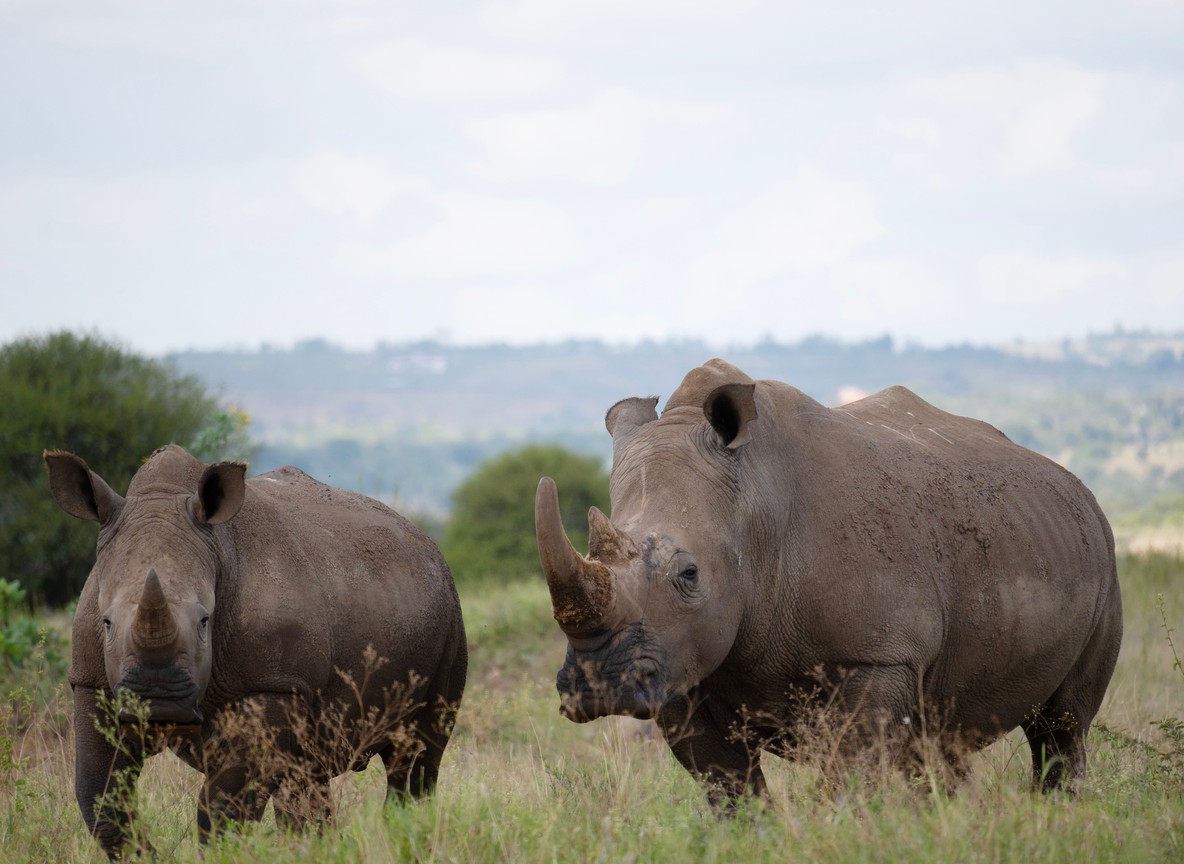
Kenya’s black rhino recovery is a genuine conservation success story: numbers have grown from historic lows in the 1980s to several hundred animals nationally today. But success created a new problem, fenced sanctuaries running out of room. The Kenya Rhino Range Expansion plan is the next chapter, and Ol Pejeta’s willingness to give up some of its own rhinos for the sake of a larger, more genetically diverse network is the clearest sign yet that Kenya’s conservation institutions are thinking in decades, not seasons.
Whether the full 34,000 km² vision is reached by 2030 depends on land agreements, funding, and continued community buy-in across Laikipia and the Mount Kenya region. The first 3,000 km² and the founder rhinos already on the move are the proof that the plan is more than a document.
The Trunktrails Advantage
Kenya has no shortage of safari destinations, but few offer a conservation story you can see unfolding in real time. Ol Pejeta lets you stand where the Kenya Rhino Range Expansion plan actually begins, watch tracked rhinos on foot, and understand exactly where the next founder group might be headed.
Trunktrails Safaris is a Kenyan-owned operator based in Nairobi. We build tours and safaris around Ol Pejeta, Segera, Loisaba, and the wider Laikipia network with guides who follow this story as closely as our clients do.
If the Kenya Rhino Range Expansion plan is why you want to see Ol Pejeta for yourself, talk to us. We will build the itinerary and get you there.
Contact Trunktrails Safaris:
Further reading
More safari planning resources
- Ol Pejeta and Sweetwaters safari package from Valley Safaris
- Big Five safari parks guide on Touring Insights
- Big Five safari collection on FindMySafari
- Nairobi to Maasai Mara route guide from Valley Safaris
- WhatsApp: +254 113 208888
- Email: info@trunktrailssafaris.com
- Website: trunktrailssafaris.com
The rhinos are already moving into their new range. Your next safari can be timed to meet them there. 📸