Mount Elgon National Park: Kenya’s Quietest Mountain Safari 🌍
Deep inside a cave on the slopes of an ancient volcano, elephants disappear into darkness. No crowds watch them. No tour buses line the entrance. Just the scrape of tusks against mineral-rich rock walls and the soft rumble of a herd navigating tunnels that predate every safari camp in Kenya. This is Kitum Cave, and it sits inside mount elgon national park, one of the most extraordinary and least-visited wilderness areas in the country.
At Trunktrails Safaris, we design western Kenya tours and safaris for travellers who want something real, something unscripted, and something they cannot get anywhere else. Mount Elgon sits at the top of that list.
What Makes Kitum Cave the Most Unique Elephant Experience in Kenya?
Kitum Cave is not a geological curiosity. It is an active elephant feeding site that has operated for thousands of years.
African elephants here travel deep into the cave, sometimes 60 to 80 metres from the entrance, to gouge sodium-rich rock from the walls. They use their tusks like chisels and their trunks to pull mineral chunks free. Researchers believe this behaviour fills a sodium gap in the forest elephant diet, where salt is scarce in the surrounding vegetation.
The cave stretches roughly 200 metres into the ancient volcanic rock. Three more caves within the park share this phenomenon: Mackingeny Cave, Chepnyalil Cave, and Ngwarisha Cave. Mackingeny is the most dramatic, with a waterfall framing its entrance.
Elephant cave visits happen most often at dusk and through the night. The best sightings come as herds move toward the entrance in low light. A good guide, a quiet approach, and patience are everything here. This is wildlife behaviour you will not find at Amboseli, the Masai Mara, or Tsavo. For serious wildlife watchers, it is genuinely one-of-a-kind.
📸
What Wildlife Can You See at Mount Elgon National Park?
Beyond the caves, the park holds a solid range of forest and moorland species across its approximately 169 km² on the Kenyan side of the mountain.
Mammals to look for:
- African elephant (forest subspecies, with smaller, rounder ears than the savanna elephant)
- Cape buffalo
- Leopard (nocturnal; the upper forest zone is the best area)
- Black-and-white colobus monkey
- Blue monkey and De Brazza’s monkey
- Bushbuck and common duiker
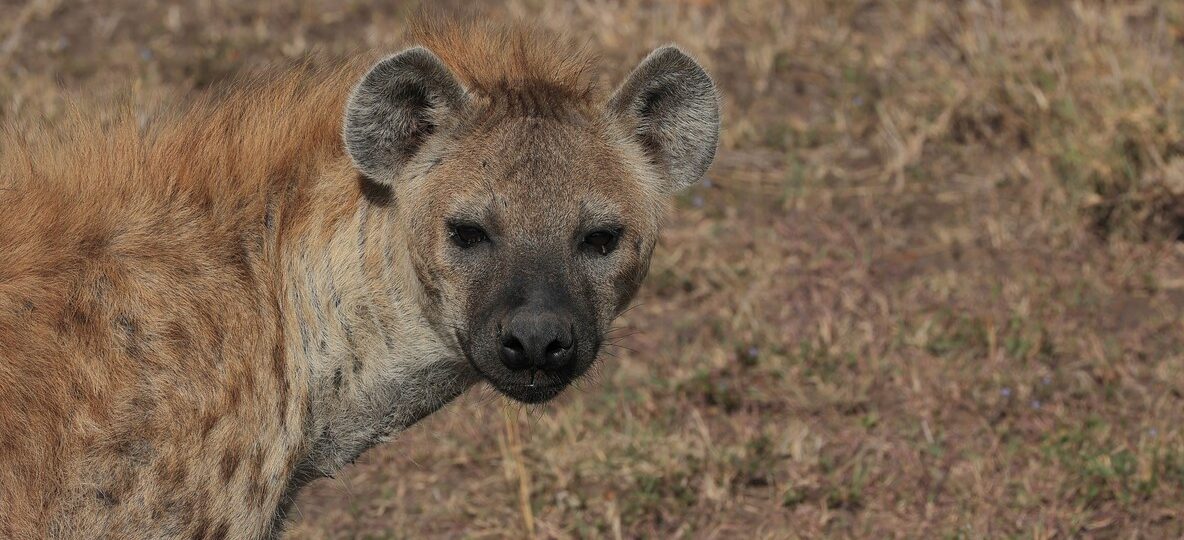
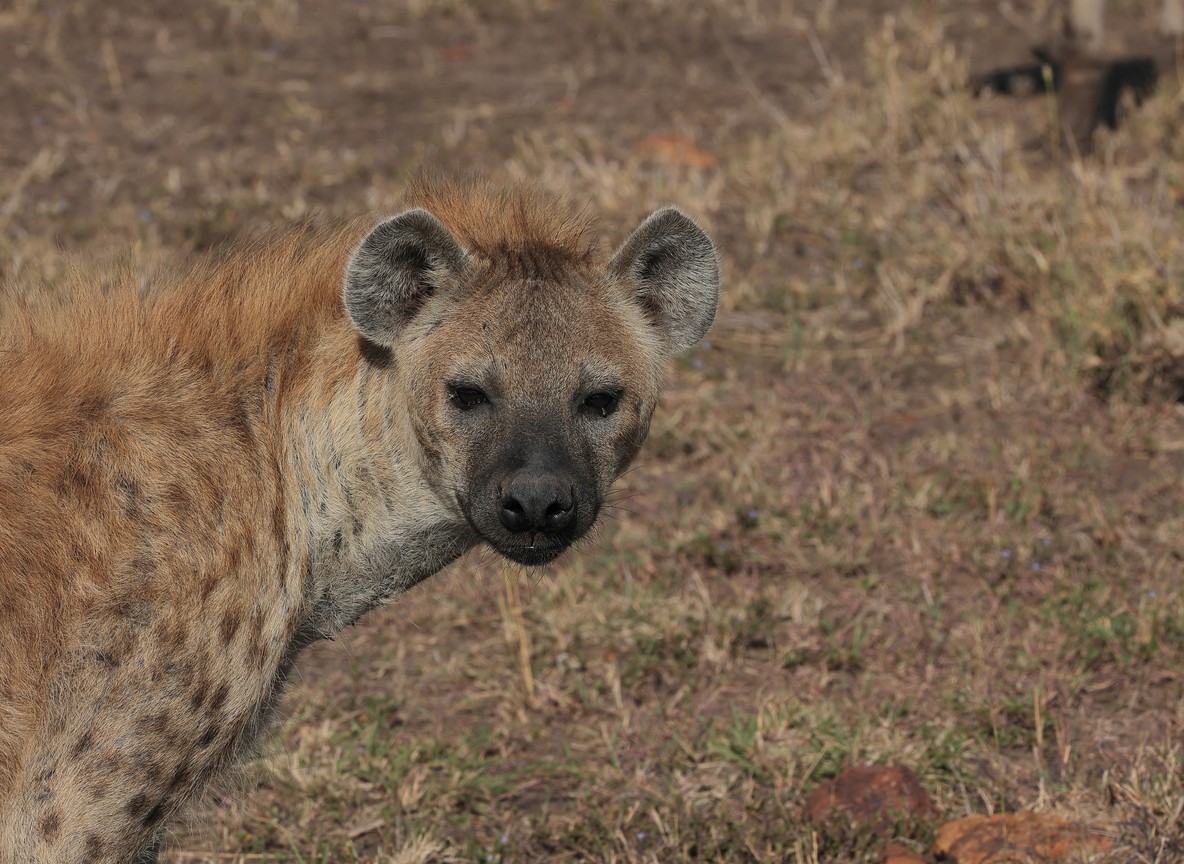
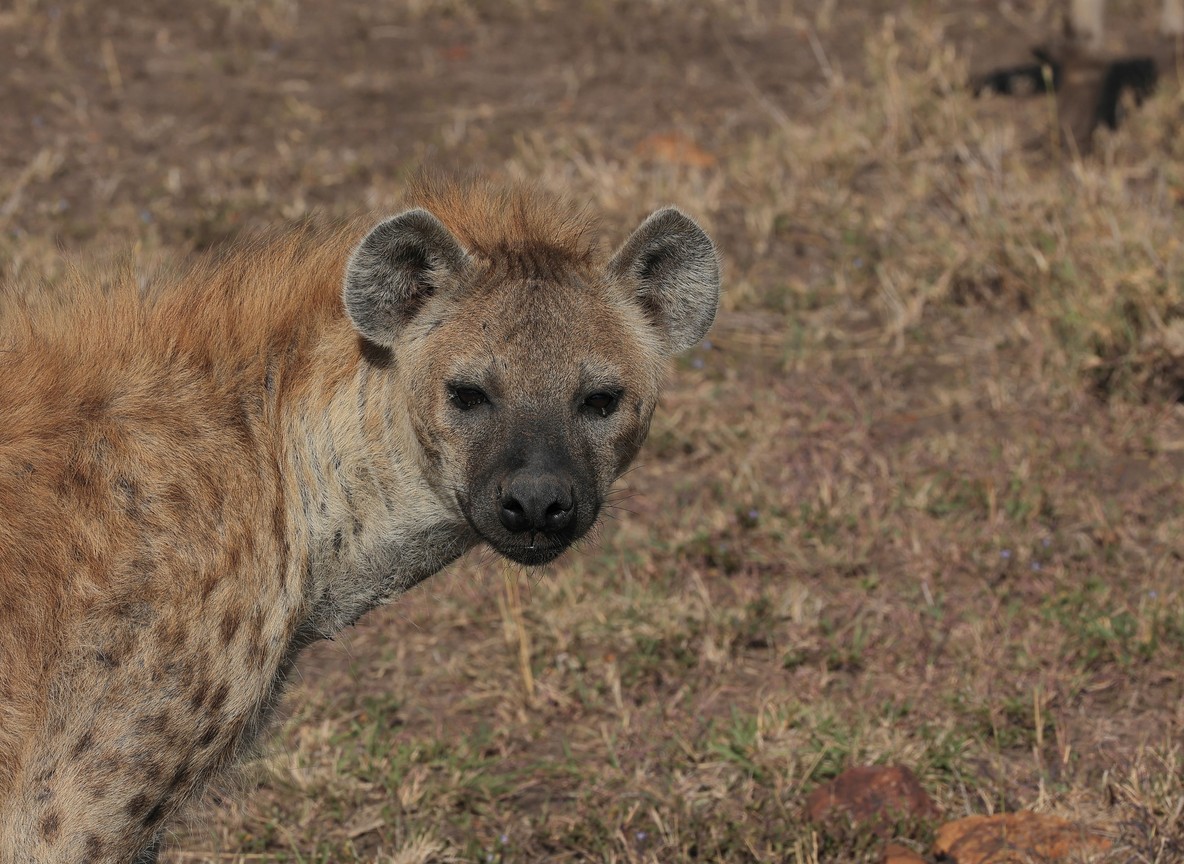
- Spotted hyena
Birds: The park has over 240 recorded bird species. Standouts include the African green broadbill, Jackson’s francolin, and the scarlet-tufted sunbird. Birders often rate the forest-to-moorland transition zone, between about 2,800 and 3,200 metres, as the most productive strip.
The vegetation shifts dramatically by altitude. Below 2,500 metres, you walk through dense montane forest. Above 3,000 metres, the landscape opens into Afro-alpine moorland with giant lobelias and groundsels. Near Koitoboss Peak at 4,222 metres, you stand on one of the oldest volcanic calderas in East Africa. This elevation range makes Mount Elgon a genuinely multi-zone wildlife experience that most Kenya tours and safaris simply do not offer in a single visit.
What Are the Best Hiking Routes on Mount Elgon?
Mount Elgon offers some of Kenya’s most rewarding highland trekking, with routes ranging from half-day nature walks to multi-day summit climbs.
Key routes from Chorlim Gate:
- Koitoboss Peak (4,222 m): The main Kenyan summit, reached via a two-to-three day ascent through the Suam Valley. Non-technical, but requires solid fitness and cold-weather gear. Temperatures drop below 5°C above 3,500 metres.
- Endebess Bluff: A half-day hike with sweeping views over the Trans Nzoia plains. Excellent for birding on the way up.
- Cave Circuit: A guided walk linking Kitum, Mackingeny, and Chepnyalil caves. Takes four to six hours at a relaxed pace.
- Caldera Rim: A full-day route for experienced hikers, reaching the rim of the ancient volcanic crater with views into Uganda on clear days.
The trail network here is less developed than at Aberdare or Mount Kenya. A KWS-accredited guide is mandatory for all routes above 3,000 metres. Trunktrails Safaris arranges licensed guides and porters for all summit itineraries.
When Is the Best Time to Visit Mount Elgon National Park?
Mount Elgon’s climate follows western Kenya’s bi-modal rainfall pattern.
| Season | Months | Conditions | Best For |
|---|---|---|---|
| Long dry season | December to February | Clear skies, low humidity | Cave visits, hiking, photography |
| Long rains | March to May | Frequent afternoon rains, lush forest | Birding, green landscapes, budget travel |
| Short dry season | June to August | Cool, clear mornings | Summit hikes, all activities |
| Short rains | September to November | Occasional showers, misty mornings | Off-peak pricing, fewer visitors |
Elephant cave visits happen year-round. The dry season months (December to February, June to August) give the best walking conditions and clearest cave visibility. Carry waterproof layers in any season. For summit attempts, June through August offers the most stable weather window, though any month carries some risk of cloud and cold above 3,500 metres.
How Do You Get to Mount Elgon from Nairobi or Kisumu?
Chorlim Gate, the park’s main entrance, sits approximately 22 km north of Kitale town in Trans Nzoia County.
By road:
- Nairobi to Kitale: approximately 380 km, 6-7 hours via the A104 highway through Nakuru and Eldoret
- Kisumu to Kitale: approximately 140 km, 2.5-3 hours
- Eldoret to Kitale: approximately 70 km, about 1 hour
By air: Kitale Airstrip handles light charter flights from Nairobi Wilson Airport. Flight time is approximately 1 hour. Trunktrails Safaris can arrange charter connections as part of a broader western Kenya circuit.
Combining Mount Elgon with Kakamega Forest National Reserve is a natural pairing. From Kitale, Kakamega is about 90 km south, roughly 1.5 hours by road. Both parks reward travellers who venture beyond the standard Mara-Amboseli corridor.
How Does Mount Elgon Compare to Kenya’s Other Mountain Parks?
If you are weighing Mount Elgon against Kenya’s other highland destinations, this table covers the key differences.
| Feature | Mount Elgon NP | Aberdare NP | Mount Kenya NP |
|---|---|---|---|
| Park area (Kenya side) | ~169 km² | ~767 km² | ~715 km² |
| Highest point | Koitoboss 4,222 m | Ol Donyo Lesatima 4,001 m | Batian 5,199 m |
| Key wildlife draw | Salt-mining cave elephants | Tree hotels, leopard | Giant forest hog, buffalo |
| Visitor numbers | Very low | Moderate | Moderate to high |
| Summit climbing | Non-technical hike | Non-technical hike | Technical routes (Batian/Nelion) |
| Caves open to visitors | Yes (Kitum, Mackingeny) | No | No |
| KWS entry fees (indicative) | ~$20-30 per day | ~$20-30 per day | ~$20-30 per day |
| Drive from Nairobi | ~380 km / 6-7 hrs | ~150 km / 2.5 hrs | ~170 km / 3 hrs |
Mount Elgon is the clear choice for uniqueness per visitor. With far lower foot traffic than Aberdare National Park, your chances of a quiet, private cave experience are genuinely high. For a full breakdown of current entry costs across all Kenya parks, the Kenya national park fees 2026 guide covers every major site in one place.
What Does a Mount Elgon Safari Package Cost?
Pricing depends on your route, accommodation level, and whether you want a summit attempt.
| Package Type | Duration | Indicative Cost Per Person |
|---|---|---|
| Cave and wildlife day visit | 1 day | $120-180 (from Kitale) |
| Forest, caves, and overnight camp | 2 days / 1 night | $350-550 |
| Summit attempt (Koitoboss Peak) | 3 days / 2 nights | $650-950 |
| Western Kenya circuit (Elgon + Kakamega) | 5 days / 4 nights | $1,100-1,600 |
Indicative ranges. Final pricing depends on group size, accommodation grade, guide fees, and transport from your starting point. Contact Trunktrails Safaris for a tailored quote.
Park entry fees are payable via KWS eCitizen at Chorlim Gate. Trunktrails Safaris pre-books all permits and handles logistics so you arrive with everything confirmed. For ideas on combining Mount Elgon into a longer Kenya trip, the 7-day Kenya safari itinerary shows how to build a circuit that covers multiple parks in a week.
🐘
Why Does the Trunktrails Advantage Matter at Mount Elgon?
Mount Elgon rewards travellers who get the logistics right. The park’s cave schedule, guide availability, and entry procedures are not widely documented online. Arriving at Kitum Cave in full midday light means the elephants have already left. Getting the timing wrong costs you the whole experience.
Trunktrails Safaris is a native Kenyan-owned operator with deep knowledge of western Kenya. When you book with us for tours and safaris to Mount Elgon, you get:
- Direct local expertise: Our team has run itineraries to western Kenya for years. We do not sub-contract your experience to a third-party operator.
- Tailor-made itineraries: Whether you want a single cave visit or a full summit-to-cave circuit, we design around your dates, fitness, and interests.
- 24/7 direct support: No agents, no middlemen. You have a direct line to our Nairobi-based team throughout your trip.
- Conservation commitment: 5% of every booking goes directly to wildlife conservation projects across Kenya.
- Honest guidance: We tell you the realistic chances of a cave elephant encounter on any given visit, so you can plan your timing correctly.
This level of on-the-ground knowledge makes the difference between a good visit and a genuinely memorable one. See how this same approach works across Kenya’s most remote destinations in our northern Kenya safari planning guide.
Frequently Asked Questions: Mount Elgon National Park
Is Kitum Cave safe to visit? Yes, with a licensed KWS guide. The cave has been open to visitors for decades. Guides understand elephant movement patterns and ensure groups approach at the right time and maintain a safe distance.
Can I see elephants in Kitum Cave during the day? Elephant visits are most common at dusk and overnight. Day visitors often see clear evidence of recent activity: fresh scrape marks, dung, and footprints inside the cave. Evening arrivals have the best chances of direct encounters.
Do I need a permit to hike Koitoboss Peak? Yes. KWS issues summit permits through Chorlim Gate. Trunktrails Safaris handles the permit process as part of any guided summit package.
What should I pack for Mount Elgon? Warm layers are essential since temperatures drop below 5°C above 3,500 metres. Also bring a waterproof jacket, solid hiking boots, a head torch for cave visits, sunscreen for the high-altitude plateau, and insect repellent for the lower forest zones.
Further reading
More safari planning resources
- Best time to visit Kenya month-by-month map from Valley Safaris
- Best time to visit Kenya on Touring Insights
- Big Five safari collection on FindMySafari
- Kenya national parks map from Valley Safaris
How do I book a Mount Elgon tour with Trunktrails Safaris? Contact us directly via WhatsApp on +254 113 208888, email info@trunktrailssafaris.com, or visit trunktrailssafaris.com. We respond within the hour during business hours.
Ready to See Elephants Mine Salt in Total Darkness?
Most Kenya safaris skip Mount Elgon entirely. That is precisely what makes it worth the drive. Salt-mining elephants, a 4,222-metre volcanic peak, ancient cave systems, and near-total quiet, this is the Kenya that serious wildlife enthusiasts spend years looking for.
At Trunktrails Safaris, we design tours and safaris to Mount Elgon that pair the cave experience with western Kenya’s broader wildlife circuit. No cookie-cutter itineraries. Just a direct line to a Kenyan team that knows this mountain and these elephants from the inside out.
📞 WhatsApp: +254 113 208888 📧 Email: info@trunktrailssafaris.com 🌐 Website: https://trunktrailssafaris.com