A Day in the Life at a Kenya Tented Camp: Rhythm, Downtime and What to Expect
The tented camp daily routine Kenya visitors settle into is one of the quiet pleasures of an African safari. Long before your alarm sounds, the camp is already awake. A guard has stoked the fire, chai is steaming in a tall flask, and somewhere in the dark a lion is calling across the plain. This is not a hotel with canvas walls. It is a rhythm, tuned to the light, the animals, and the slow unwinding of your own clock. 🌅
At Trunktrails Safaris, guests often tell us the schedule is the part they never expected to love. This guide walks you hour by hour through a real day in a Kenyan tented camp, with named places, honest timings, and the downtime that makes the whole thing work. By the end you will know exactly what to expect on your first morning under canvas.
Why Does a Kenya Tented Camp Day Run on Wildlife Time?
Wildlife in Kenya is most active in the cool hours after dawn and before dusk. Predators hunt when it is cool. Herds move to water in the soft morning light. By midday the heat flattens everything, animals rest in the shade, and so do you. Every good safari camp daily schedule is built around this simple fact.
That is why the day splits into two active windows with a long, generous rest in the middle. You are not being rushed. You are being pointed at the exact hours when the bush comes alive. Once you feel this rhythm, the Kenya tented camp experience starts to make complete sense. Guests who resist it on day one are usually its most devoted converts by day three.
What Wakes You Up at 5:30 AM in a Tented Camp?
A soft voice at your tent flap, a gentle “Jambo,” and a tray of hot chai or coffee with a biscuit. There is no phone alarm here. At camps like Governors’ Camp on the Musiara Marsh and Kicheche Bush Camp in the Olare Motorogi Conservancy, the wake-up is timed to get you into the vehicle before the sun clears the horizon.
You dress in layers because dawn on the Mara plains can sit around 12 to 14 degrees Celsius, even though the afternoon climbs past 28. A fleece, a scarf, and fingerless gloves make the first hour comfortable. By 6:00 AM you are in the open Land Cruiser, headlamps off, rolling into the grey light.
What Happens on the Morning Game Drive?
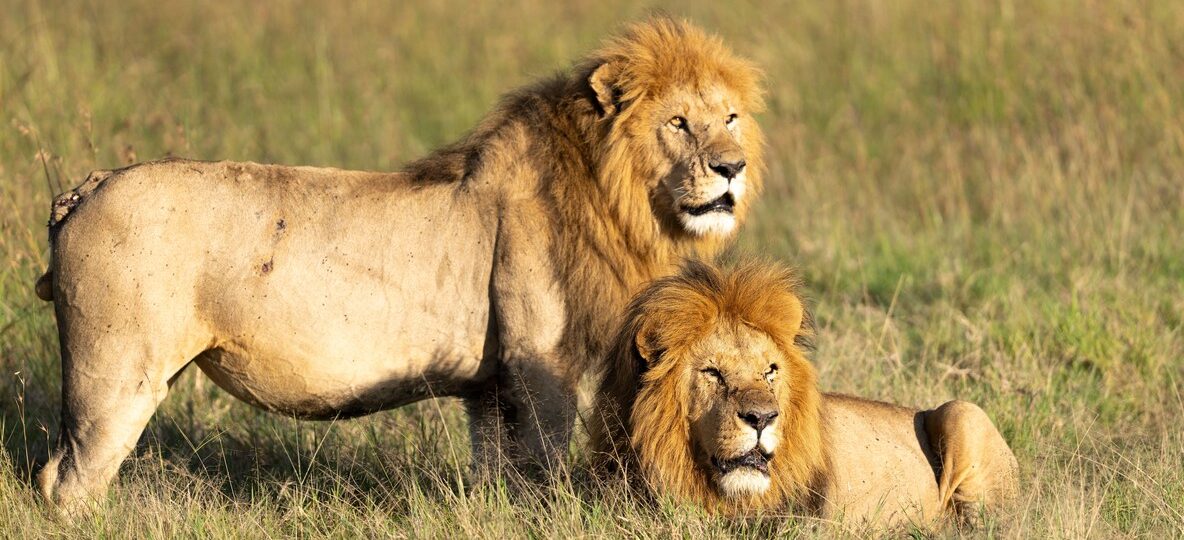
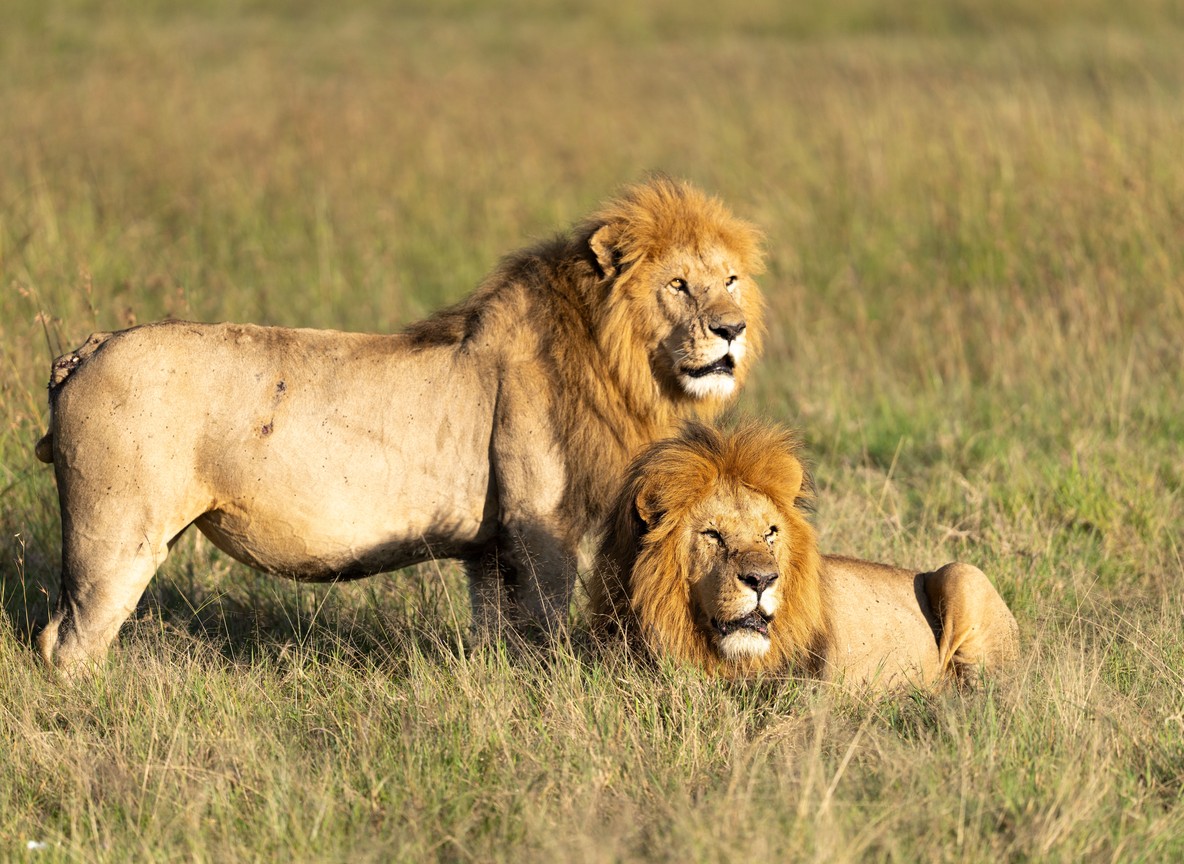
This is the golden window. Cats are still moving, the light is soft and photographic, and the air is cool enough that the animals stay out in the open. Your guide reads fresh tracks in the dust, listens for alarm calls from baboons and impala, and often knows within minutes where a leopard slept. 📸
The sounds change as the light comes up. First the birds. Then the zebra snorting as you pass. Then silence when the guide cuts the engine beside a pride spread out on a termite mound. Around 8:30 AM many guides stop for a bush breakfast. A blanket comes out, a folding table appears, and you eat boiled eggs, fruit, and pastries with a herd of zebra grazing a hundred metres away. This is the heart of the Kenya tented camp experience, the moment most guests remember years later. 🦁
At camps in the conservancies, off-road driving is permitted, so your guide can follow an animal right to the action. In the Maasai Mara National Reserve itself, vehicles must stay on defined tracks, which still puts you extraordinarily close to the big cats.
What Do You Do Between Game Drives?
You roll back into camp mid-morning, dusty and happy. Brunch is usually a proper spread, hot and cooked to order at the better camps. Then the day opens up. This is your downtime, and it is not filler.
Some guests nap in the shade of the tent. Others sit on the veranda with a book and binoculars, watching elephants drift past a water hole. Many camps offer a guided bush walk with an armed ranger, a visit to a nearby Maasai village, or a short birding circuit around camp. Some have a pool. The point is rest and choice. You have been awake since before dawn, and the afternoon will ask for your energy again.
Before heading out for the afternoon drive, check your Kenya safari packing list if you are planning for the first time. Knowing what to carry on a game drive, from a camera bean bag to a light jacket, pays dividends every morning.
How Does the Morning Drive Compare to the Afternoon Drive?
The two game drives are not the same experience. Knowing the difference helps you plan what to carry and what to expect.
| Feature | Morning Drive | Afternoon Drive |
|---|---|---|
| Start time | 6:00 AM | 4:00 PM |
| Length | 3 to 3.5 hours | 3 to 3.5 hours |
| Temperature | 12 to 18 degrees C | 26 to 30 degrees C |
| Best for | Predators, hunting, soft light photography | Elephants at water, sundowners, dramatic skies |
| What to carry | Fleece, scarf, fingerless gloves | Sun hat, sunscreen, light jacket for the ride home |
| Typical highlight | Bush breakfast in the field | Sundowner drinks on a rise |
| Night drive option | No (national reserve) / Yes (conservancy) | Available at conservancy camps after dark |
Most tented camps run both drives daily as standard. Some conservancy camps also offer a guided night drive after the sundowner, which the national reserve does not permit.
What Does a Kenya Tented Camp Actually Cost?
Numbers matter when you plan. These figures are indicative for the 2026 season and should be confirmed at booking, as park authorities adjust fees annually.
| Item | Detail | Indicative Figure (2026) |
|---|---|---|
| Maasai Mara National Reserve fee | Non-resident adult, per 24 hours (Jul-Dec) | USD 200 per person |
| Maasai Mara National Reserve fee | Non-resident adult, per 24 hours (Jan-Jun) | USD 100 per person |
| Mara conservancy fee | Olare Motorogi, Naboisho and similar | USD 100 to 130 per person per night |
| Amboseli National Park fee | Non-resident adult, per day | USD 100 per person |
| Flight, Nairobi Wilson to Mara | To Musiara, Ol Kiombo, or Keekorok airstrip | 45 to 50 minutes |
| Road, Nairobi to Maasai Mara | Via Narok, roughly 270 km | 5 to 6 hours |
| Luxury tented camp, full board | Per person per night, high season | USD 450 to 900 (indicative) |
| Mid-range tented camp, full board | Per person per night | USD 250 to 450 (indicative) |
Named camps worth knowing on the Mara include Governors’ Camp near the Musiara Gate, Porini Lion Camp in the Olare Motorogi Conservancy, and the Kicheche Bush Camp. In Amboseli, Tortilis Camp sits with a clear sightline to Kilimanjaro. Airstrips such as Musiara and Ol Kiombo put you inside the ecosystem within an hour of leaving Nairobi. For a full breakdown of what drives the cost, our Kenya safari cost per day guide covers every line item. 🐘
Why Is the Midday Rest Such an Important Part of Safari Camp Life?
Lunch is served around 1:00 PM, often as a shared table under a shade tree or in the mess tent. Conversation flows, a cold Tusker or a glass of wine appears, and there is no hurry anywhere. Afterward the heat peaks and the whole camp goes quiet.
This midday stretch is where the tented camp daily routine Kenya rewards patience. You can write in a journal, sort your photos, sleep, or simply sit and listen. Weaver birds argue in the acacia. A hippo grunts from the river. Nothing needs doing. For many of our guests at Trunktrails Safaris, this unstructured pause is the first true rest they have had in months. The safari is not only about what you see. It is also about the person you become when you stop rushing.
What Happens on the Afternoon Drive and at the Sundowner?
Tea and cake at 3:30 PM signals the second act. By 4:00 PM you are back in the vehicle for the afternoon drive. The light warms again, elephants move toward water, and the sky begins its slow theatre.
The signature moment is the sundowner. Your guide parks on a rise, sets out a small bar on the bonnet, and pours a gin and tonic or a cold beer as the sun drops behind the escarpment. You stand in the open, drink in hand, the plains going gold then pink then deep blue. This single ritual is why so many people fall for tours and safaris in Kenya and start planning the next trip before they have even flown home. ✨
If the best time to visit the Masai Mara is between July and October, the sundowner often includes the sight of wildebeest columns moving in the background. There is no stage set that competes with that.
What Is an Evening Like at a Kenya Tented Camp?
Back in camp, a warm bucket shower or a proper hot shower waits, the water heated over a wood fire in classic bush camps. Dinner is three or four courses, often eaten under the stars or beside a crackling fire while your guide shares stories of the day. These conversations are not scripted. They are the informal education that turns a list of animals into a living ecosystem you start to understand.
By 9:30 PM the camp is winding down. A Maasai askari, an armed night guard, walks you to your tent by torchlight, because animals move freely through unfenced camps after dark. You zip the canvas, lie back, and listen. The sounds of the African night, distant lions, the whoop of a hyena, the wind in the grass, are the last thing you hear. This is the Kenya tented camp experience at its most honest. 🌍
The Trunktrails Advantage
Trunktrails Safaris is a Kenyan-owned and operated company, and that changes what your day actually feels like. We are not booking you into a name from a brochure. We know these camps, their managers, and their guides personally, and we match you to the right one based on your pace, your interests, and your travel style.
We place you in the right camp for your pace. A guest who wants comfort, gentle timings, and a strong veranda view has different needs from a family with teenagers who wants a pool and a night drive. We know which camps deliver each, and we never oversell.
Our guides run on knowledge, not a script. A Trunktrails Safaris guide knows which riverbed holds leopards in July, when to hold position and wait, and when to move. That judgement is the difference between a good drive and an unforgettable one.
We protect your downtime. Some operators cram in extra stops to look generous. We build days that respect the wildlife clock and your own energy, because a rested guest sees more and enjoys more.
Honest pricing, local roots. Our tours and safaris are priced fairly because we carry no overseas head-office overhead. What you pay goes to your experience, our guides, and the conservancies that keep this land wild. Five percent of every booking goes directly to wildlife conservation in the parks and conservancies we work in.
When you book your tours and safaris with Trunktrails Safaris, you are booking a rhythm that has been refined over hundreds of guest days. Kenya is our home, and we want your day in camp to feel like it belongs to you.
Ready to Book Your Kenya Tented Camp Safari with Trunktrails Safaris?
The best tented camps fill months ahead for the July to October migration window, and the quiet green-season months reward early planning too. Whether you want a slow, comfortable pace or a family trip packed with activity, Trunktrails Safaris will build the days around you.
At Trunktrails Safaris, we design every safari around your dates, budget, and what matters most to you. No cookie-cutter packages. Just a direct line to a Kenyan-owned team that knows these camps from the inside out.
Reach out directly and our team responds within hours:
Further reading
More safari planning resources
- Nairobi to Maasai Mara route guide from Valley Safaris
- Maasai Mara National Reserve guide on Touring Insights
- Masai Mara destination guide on FindMySafari
- Interactive Maasai Mara map from Valley Safaris
📞 WhatsApp: +254 113 208888 📧 Email: info@trunktrailssafaris.com 🌐 Website: https://trunktrailssafaris.com
Tell us your dates, your pace, and who is travelling. We will match you to the right camp and the right rhythm. Your first morning under canvas is waiting.