Masai Mara vs Samburu: Which Kenya Reserve Fits Your Safari Style?
Two of Kenya’s greatest wildlife destinations, and they could not be more different. The Masai Mara pulses with the drama of the Great Migration, wide-open plains, and a density of predators that feels almost unreal. Samburu sits quiet and ancient in the north, a dry-country haven where rare species found nowhere else in East Africa drink from the Ewaso Ng’iro River at dawn. The masai mara vs samburu question is not about picking the better reserve. It is about knowing which one matches your wildlife priorities, your travel rhythm, and the kind of memory you want to carry home.
At Trunktrails Safaris, we design and run tours and safaris to both reserves every week. This guide gives you the real comparison, with verified park fees, named camps, travel distances, and the honest differences only a Kenyan-owned operator with boots on the ground can provide.
What Makes the Masai Mara Safari Experience Unique?
The Masai Mara National Reserve covers approximately 1,510 km², and the surrounding private conservancies push the total protected ecosystem to over 4,000 km². It sits in southwest Kenya’s Narok County, roughly 270 km from Nairobi. By road that is a five-to-six-hour drive via the Narok-Sekenani route. By charter flight from Wilson Airport, you are on the ground at Keekorok or Ol Kiombo airstrip in about 45 minutes.
What draws people here more than anything else is the annual wildebeest migration 🦁. From July through October, over one million wildebeest cross from Tanzania’s Serengeti into the Mara, with the most dramatic river crossings happening at the Mara and Talek rivers. Predator density during this window is extraordinary. Lion prides work cooperatively in the open. Cheetahs sprint across the plain. Leopards rest in acacia groves near the Sand River.
Outside migration season, the Mara still earns its reputation. Resident lion prides are large and relaxed around vehicles. The Mara North and Mara Triangle conservancies offer private traversing rights, lower vehicle density, and walking safaris that the national reserve does not permit. Read our Mara Triangle safari guide for a full breakdown of reserve zones. For a look at how the Mara stacks up against Tanzania’s iconic sister park, our Masai Mara vs Serengeti comparison covers every meaningful difference.
The Mara is not a quiet safari. Game drives are busier, especially July through October. If the Great Migration and the Big Five in one destination is your priority, there is no alternative in Kenya.
What Wildlife Will You See in Samburu National Reserve?
Samburu is where Kenya goes in a completely different direction. The reserve covers about 165 km², with the adjacent Buffalo Springs National Reserve adding another 131 km² directly to the south, giving a combined area of roughly 296 km². The Ewaso Ng’iro River is the lifeblood of both reserves, drawing elephants, predators, and exceptional birdlife year-round.
The signature draw is the Special Five: a set of dry-country species that do not live in the Mara 🦒. These are the reticulated giraffe, the most strikingly patterned giraffe subspecies on earth. The Grevy’s zebra, the world’s largest wild zebra with tightly packed narrow stripes. The Somali ostrich, blue-necked and enormous. The Beisa oryx, built for heat, with long straight horns. And the gerenuk, nicknamed the giraffe gazelle for its habit of standing on its hind legs to browse on high acacia branches. Seeing all five in a single morning game drive is entirely achievable here.
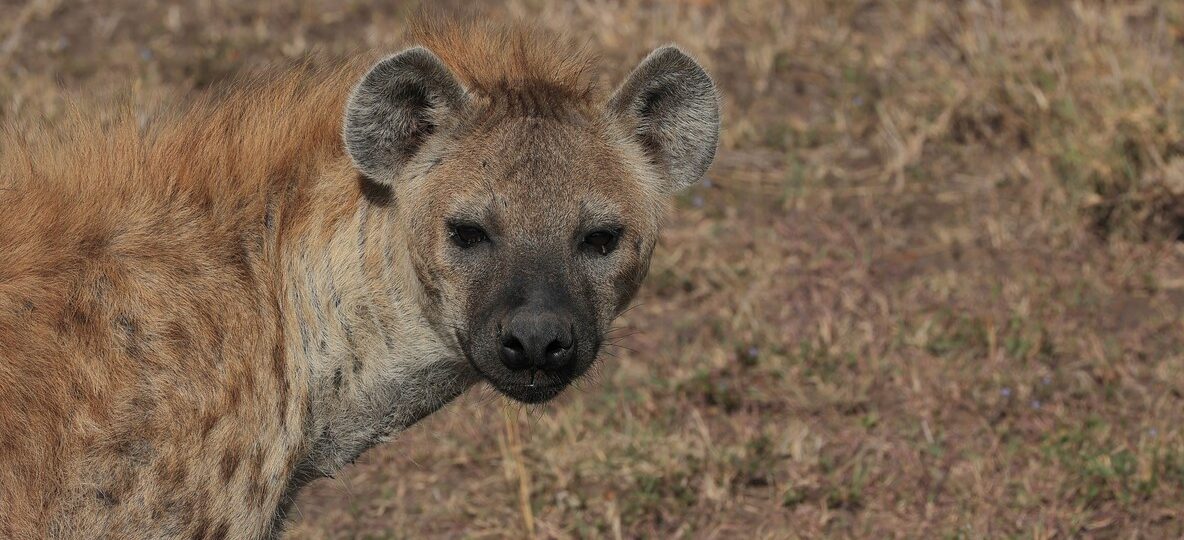
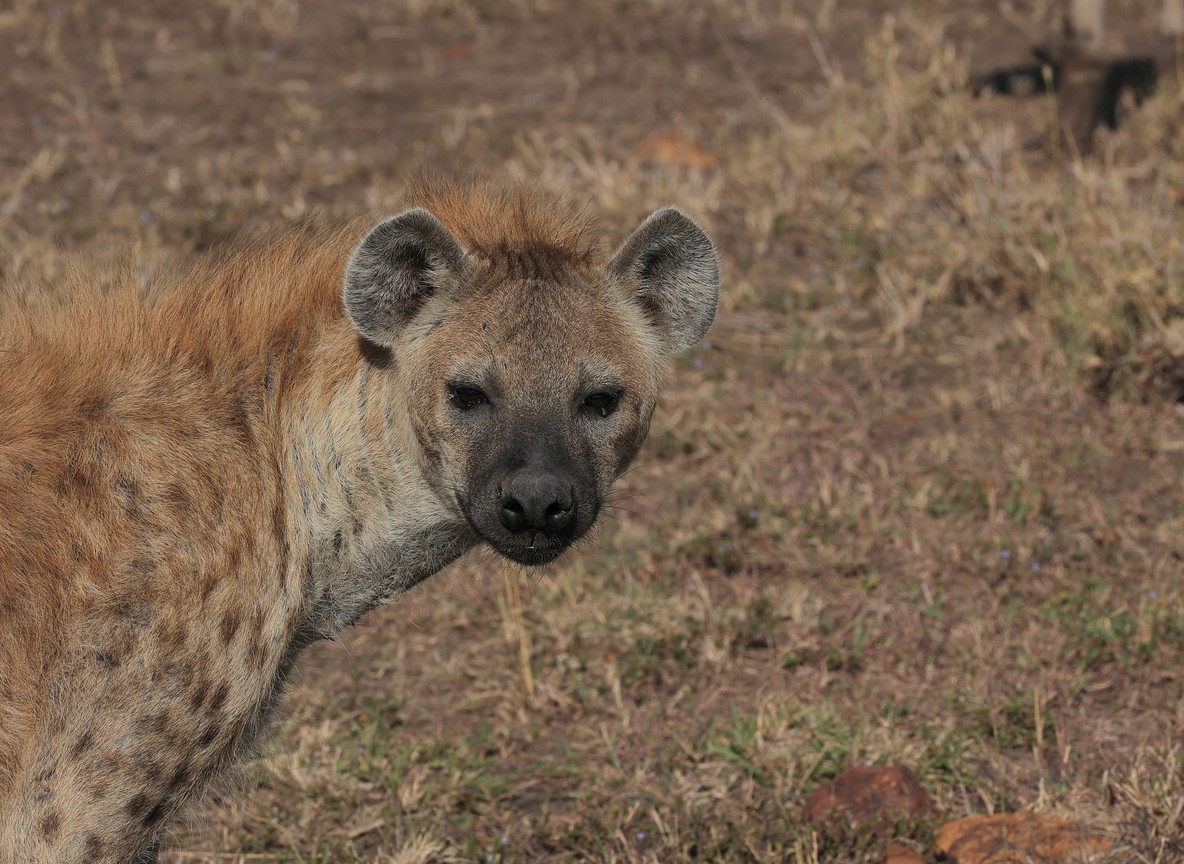
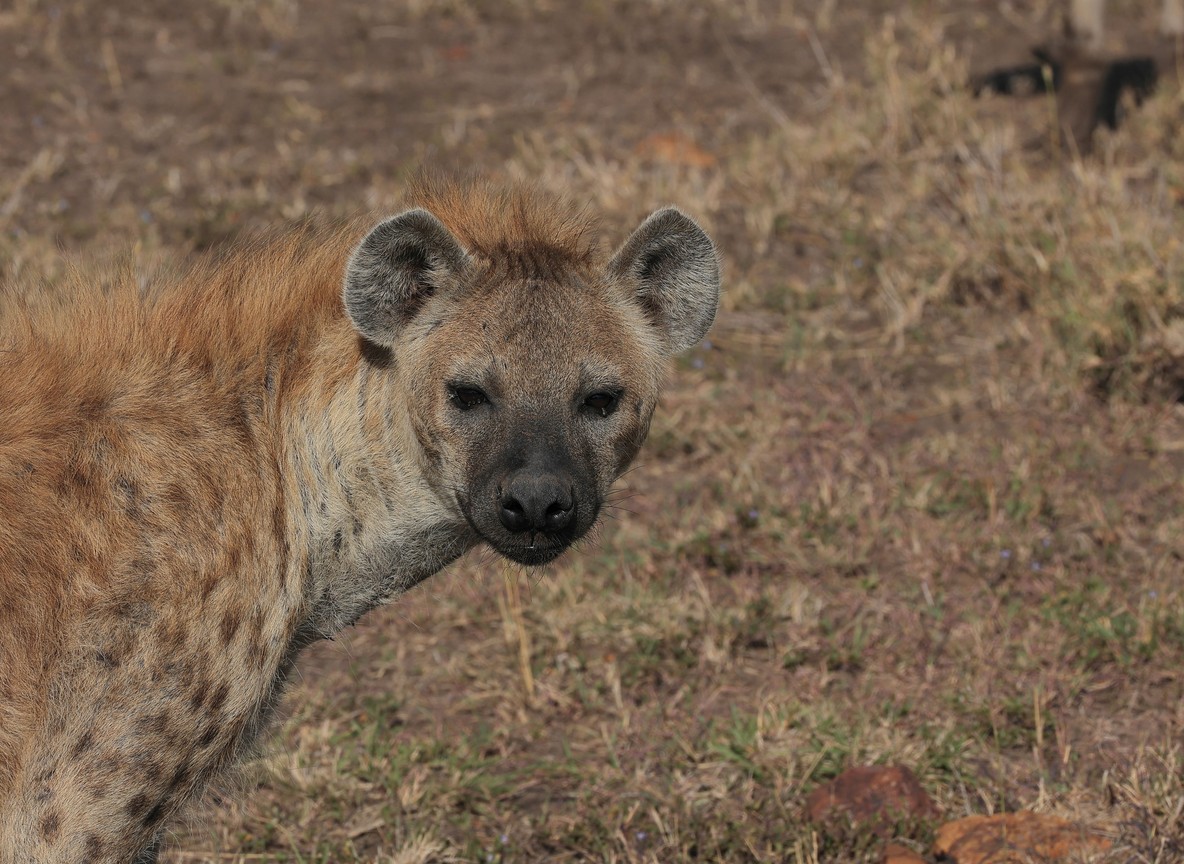
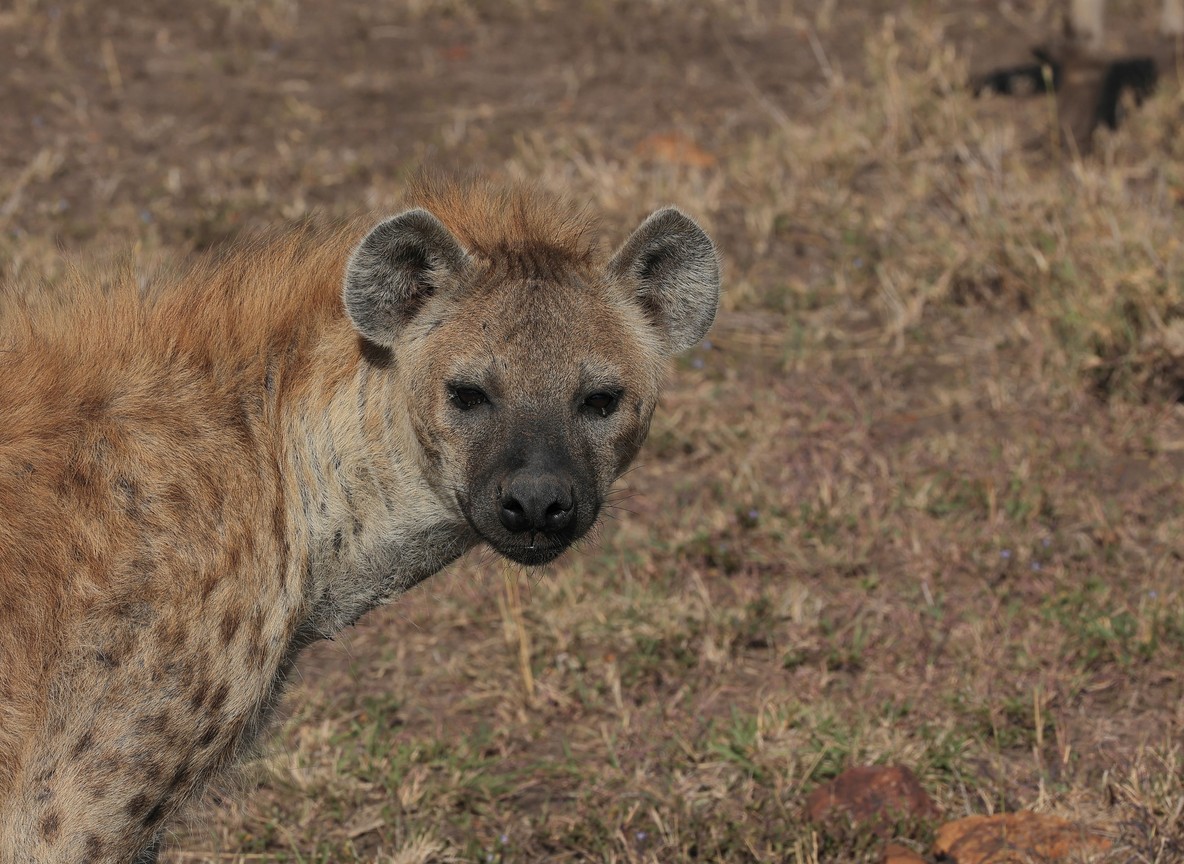
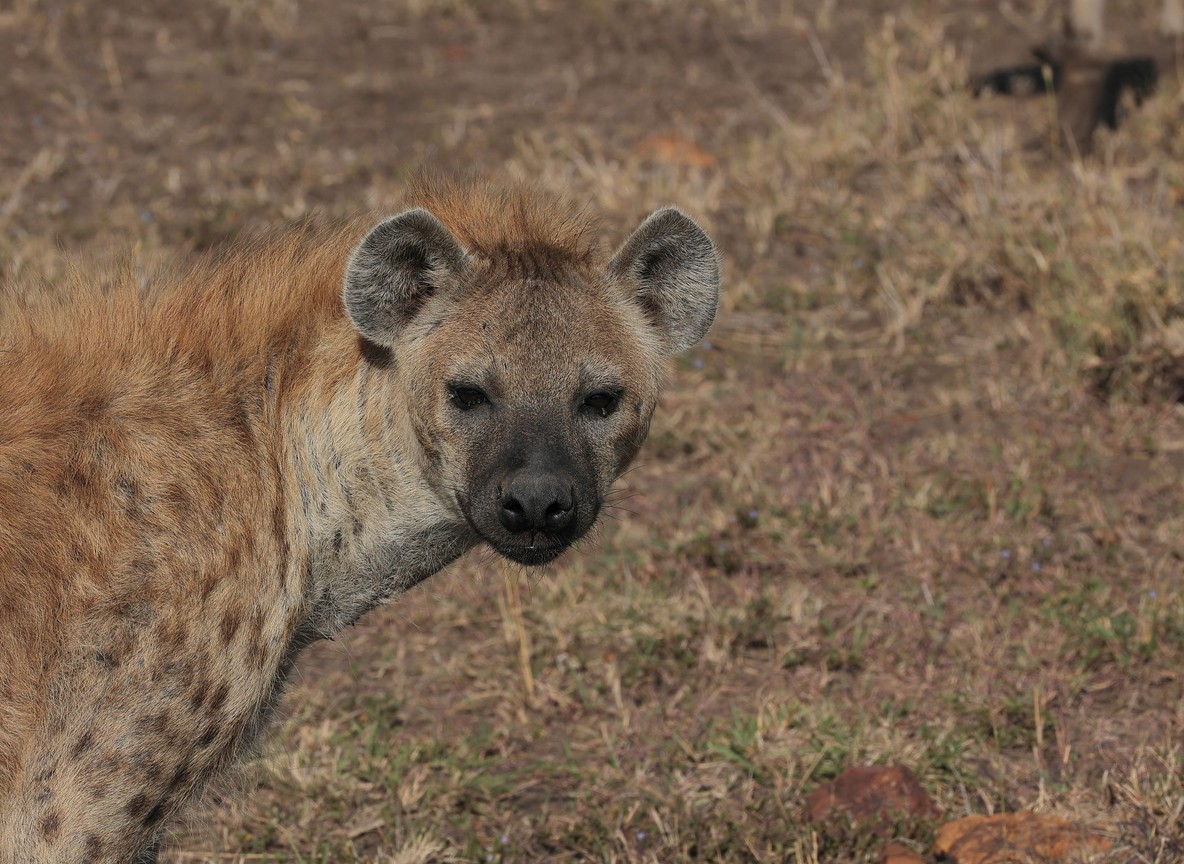
Elephants in Samburu are enormous, matriarch-led, and accustomed to vehicles. They gather at the river in sizeable numbers. The reserve also hosts lion, leopard, cheetah, wild dog, and the rarely seen African striped hyena. Our full Samburu National Reserve guide has complete species lists, camp comparisons, and current access information. The best time to visit Samburu page covers seasonal wildlife patterns in detail.
How Do Masai Mara and Samburu Compare on Fees, Distance, and Access?
Here is the side-by-side data that Trunktrails Safaris clients ask for most when planning.
| Feature | Masai Mara | Samburu |
|---|---|---|
| Reserve size | ~1,510 km² (+ private conservancies) | ~165 km² / ~296 km² with Buffalo Springs |
| Distance from Nairobi | ~270 km, 5-6 hr drive | ~325 km, 5-6 hr drive |
| Charter flight from Wilson Airport | ~45 min (Keekorok / Ol Kiombo / Angama) | ~45-50 min (Samburu/Buffalo Springs airstrip) |
| Non-resident adult entry fee | $100/day (Jan-Jun), $200/day (Jul-Dec) | ~$60/day (indicative; confirm on KWS eCitizen) |
| Child entry (9-17 years) | $50/day | ~$30/day (indicative; confirm on KWS eCitizen) |
| Peak season | Jul-Oct (Great Migration) | Dec-Mar and Jun-Sep (dry seasons) |
| Main access gates | Sekenani, Talek, Sand River, Musiara | Archer’s Post, Buffalo Springs gate |
| Typical mid-range camp rate | $450-$900/person/night (indicative) | $350-$750/person/night (indicative) |
| Luxury camp rate | $900-$2,500+/person/night (indicative) | $800-$2,000+/person/night (indicative) |
Entry fee note: The Masai Mara’s seasonal fee split is significant for budget planning. A four-night July visit costs $800 per adult in park fees alone. Samburu’s KWS structure stays flat year-round, which makes it a stronger value choice during the Mara’s peak months. Always confirm current KWS fees at the official eCitizen portal before finalising your budget.
When Is the Best Time to Visit Masai Mara vs Samburu?
The answer depends entirely on what you want to see.
Masai Mara: July through October is peak season. The Mara River crossings happen between July and early October, with the most dramatic crossings concentrated in August and September. Predator action is exceptional throughout this window. Rates rise sharply and vehicles are more numerous. November through June offers quieter game drives, lower rates, and often better cheetah sightings on the open plains. January and February are particularly strong months for big cats with far fewer tourists sharing the reserve.
Samburu: Being in Kenya’s Northern Frontier District, Samburu runs on a different pattern. Two dry seasons, December to March and June to September, deliver the best concentration of wildlife at the river. The short rains from October to November can bring dramatic skies and fresh green to the reserve without flooding most tracks. Unlike the Mara, there is no single season that defines Samburu. Wildlife concentration stays high because the Ewaso Ng’iro River never fully dries. This makes Samburu an excellent alternative when the Mara is at its most expensive and crowded.
A practical option that many Trunktrails Safaris clients choose: combine both. Start with four nights in Samburu, then fly south to the Mara for four to five nights. Two habitats, two wildlife communities, two distinct cultures, one Kenya safari.
What Are the Best Camps and Lodges in Each Reserve?
Masai Mara (selected camps):
- Angama Mara (Mara Triangle): Boutique luxury on the Rift Valley escarpment, 30 tented suites, panoramic views over the Mara
- Kicheche Mara Camp (Mara North): Celebrated for guiding quality, walking safari access, under 20 guests at any time
- Mahali Mzuri (Mara North): Richard Branson’s 12-suite camp with a full conservation-fee model wired into the stay
- Governors’ Camp (Musiara Marsh): Long-established river-front tented camp, 37 tents, strong location near the wildebeest crossing points
- Mara Serena Safari Lodge (Mara Triangle): Larger hilltop lodge, solid mid-range value, reliable standards
Samburu (selected camps):
- Sasaab Lodge: 9 private-pool tents above the Ewaso Ng’iro River, Moroccan-influenced design, genuinely exclusive
- Elephant Watch Camp: 6-tent intimate camp run by the Douglas-Hamilton family, elephant-focused with deep conservation credentials
- Larsen’s Camp (Samburu): 20 tented suites directly on the river, outstanding elephant and bird access
- Joy’s Camp (Shaba Reserve): 10 luxury tents linked to Joy Adamson’s “Born Free” history, in the adjoining Shaba reserve
- Samburu Intrepids Camp: 30 tents, family-friendly, well-placed for both Samburu and Buffalo Springs traversing
For a full guide on combining Samburu with other northern Kenya reserves, our northern Kenya safari planning guide covers routes, timing, and camp-by-camp advice.
How Does the Landscape and Atmosphere Feel Different?
This is where the masai mara vs samburu comparison comes most alive in practice.
The Mara is green, wide, and cinematic. Rolling grasslands stretch to the horizon. The Mara River cuts through with force and sound. In peak season the energy is electric, almost theatrical. You feel the scale of the migration even when the crossings are not happening directly in front of you. Hot air balloons drift at dawn. Maasai warriors in red shukas walk the edges of the reserve.
Samburu is the opposite in almost every way. Dry red earth, doum palms, crystalline light, and a stillness that feels genuinely ancient. The Ewaso Ng’iro River runs green and hypnotic against the ochre landscape 🌅. Samburu people wear brilliant reds and burnt oranges that seem designed to glow against the scrub. Game drives feel exploratory and personal. You carry the sense that you are seeking out something that fewer travellers bother to find.
Both reserves deliver extraordinary wildlife. But they feed very different kinds of curiosity.
Which Reserve Best Suits Your Safari Style?
Choose the Masai Mara if:
- Witnessing the wildebeest river crossings is a priority (the July-October window is firm)
- You want the Big Five with realistic chances on a single game drive
- A broad range of luxury camp options and established infrastructure matters
- You prefer the energy and scale of a famous, well-developed safari ecosystem
Choose Samburu if:
- Seeing the Special Five, particularly reticulated giraffe and Grevy’s zebra, is what drives you
- You value quieter, less vehicle-heavy game drives with a more exploratory feel
- You want deep engagement with northern Kenya’s cultural landscape, specifically the Samburu people
- You are visiting during the Mara’s July-October peak and want to avoid premium rates
- You are a returning safari traveller who wants to see something genuinely away from the main circuit
Choose both if:
- You have 10 or more days and want the full range of Kenya’s wildlife and landscape diversity
- You want to arrive home having seen the Big Five, the Special Five, and two completely different Kenya habitats
What Is the Trunktrails Advantage When Booking Either Reserve?
At Trunktrails Safaris, we are a Kenyan-owned operator with direct camp relationships in both reserves. We do not work through a booking engine. We design every itinerary from scratch, matching the reserve, or the combination of both, to your travel dates, budget, and wildlife priorities.
Our guides know where the Mara River crossing hotspots sit in different seasons. They know which Samburu camps give the best river-front elephant access. They know the camps that deliver on their promises and the ones that look better on a website than in reality. That insider knowledge is what you are booking when you choose Trunktrails Safaris tours and safaris.
Conservation is built into every booking. Five percent of every safari fee goes directly to wildlife conservation programmes in Kenya. When you travel with us, your game drives actively contribute to the habitats and species populations you are here to see. No middlemen, no hidden commissions, no cookie-cutter packages. Just honest, expert tours and safaris from a team that has run them for years inside both ecosystems.
Whether the Mara’s big-sky drama or Samburu’s ancient quiet is what pulls you, Trunktrails Safaris will plan it properly, for all budgets, from mid-range tented camps to ultra-luxury private suites.
Further reading
More safari planning resources
- Map of Samburu from Valley Safaris
- Samburu National Reserve guide on Touring Insights
- Samburu destination guide on FindMySafari
- Interactive Maasai Mara map from Valley Safaris
Ready to Plan Your Kenya Safari with Trunktrails Safaris?
Tell us your travel dates, your wildlife wish list, and whether the Mara, Samburu, or both are calling you. We will build an itinerary that puts you in the right place at the right time, with the right guide.
At Trunktrails Safaris, we design every tour and safari around your dates, budget, and what matters most to you. No cookie-cutter packages. Just a direct line to a team that knows Kenya from the inside out.
📞 WhatsApp: +254 113 208888 📧 Email: info@trunktrailssafaris.com 🌐 Website: https://trunktrailssafaris.com