
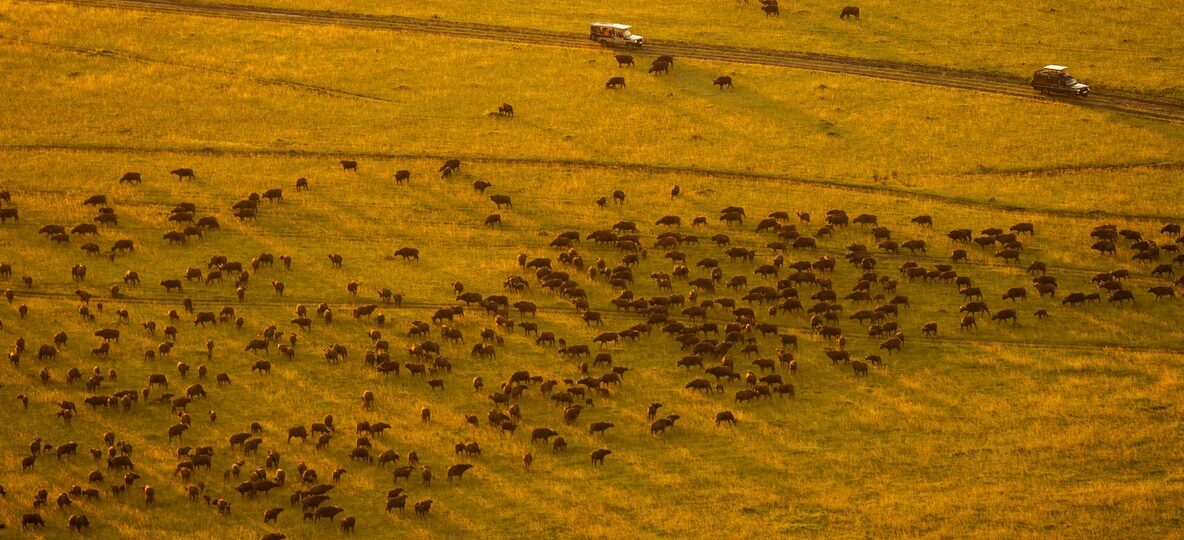
Mara Triangle vs Masai Mara Reserve: The Quieter, Better-Managed Side
Most visitors to the Masai Mara think of it as a single entity. It is not. The reserve is split into two separately managed zones: the Masai Mara National Reserve (administered by Narok County) and the Mara Triangle (managed by the Mara Conservancy, a non-profit trust). The Mara River is the boundary.
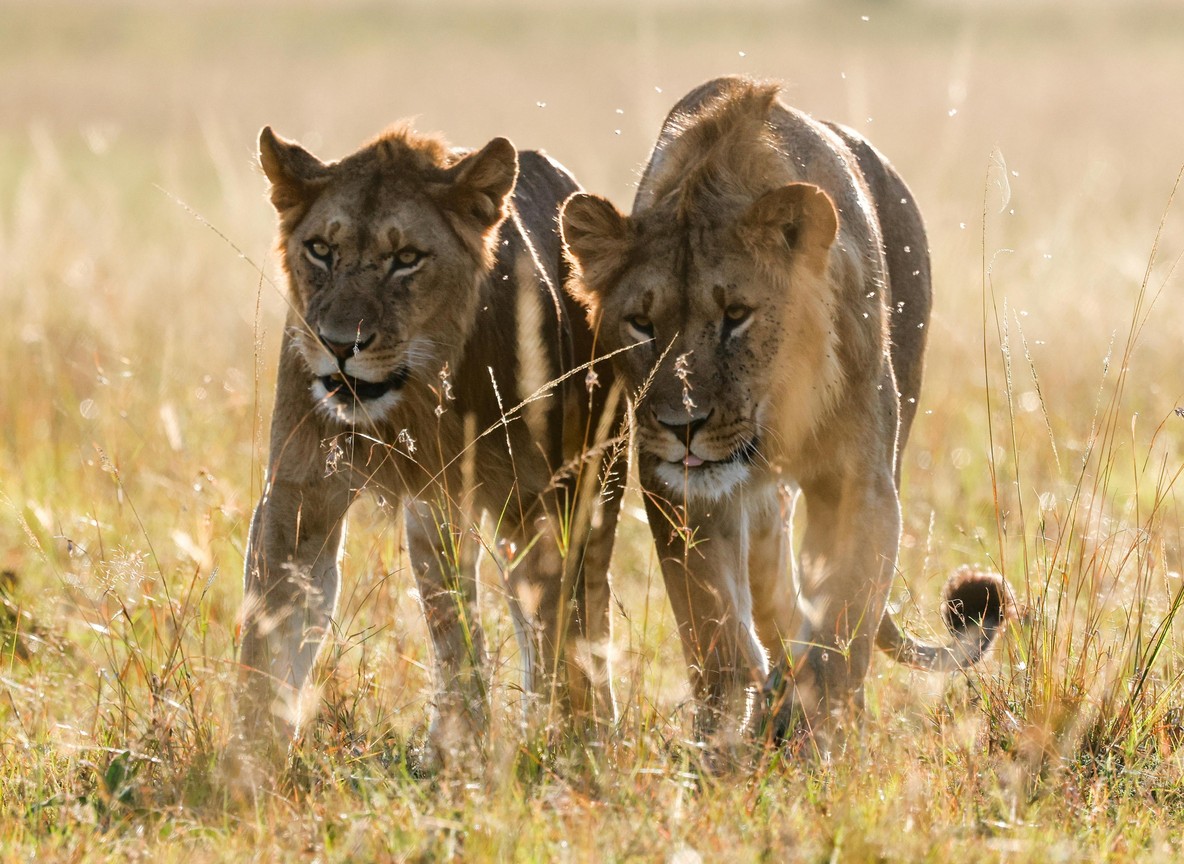
The difference in management translates into a noticeably different experience on the ground — and for travellers who have been to the Mara before, or who want to understand why some camps cost more and deliver more, understanding the Triangle is essential. 🌍
The Management Structure Difference
The Masai Mara National Reserve covers roughly 1,510 km2 and is managed by Narok County Government. Entry fees flow through the county. Infrastructure maintenance and ranger employment are funded from these fees, along with county budget allocations.
The Mara Triangle covers approximately 510 km2 on the western side of the Mara River. It is managed by the Mara Conservancy, a non-profit established in 2001 specifically to take over management of the Triangle from the county, which had struggled with poaching and infrastructure neglect in that zone.
The Mara Conservancy operates on a transparent financial model. Revenue from entry fees, camp concessions, and donor contributions is published annually and used for:
- Ranger salaries and training
- Anti-poaching operations
- Road and infrastructure maintenance
- Community benefit payments
The practical result of 25 years of dedicated non-profit management is a measurable difference in the Triangle’s ecological condition compared to parts of the main reserve.
What the Triangle Delivers Differently
| Factor | Masai Mara Reserve | Mara Triangle |
|---|---|---|
| Management model | County government | Non-profit Mara Conservancy |
| Typical vehicle density | High (peak season: 50+ vehicles at kill) | Lower (management controls vehicle numbers) |
| Road conditions | Variable; some heavily eroded routes | Better maintained; grading more consistent |
| Ranger presence | Reserve-wide but variable | Dense; Triangle has high ranger-to-km2 ratio |
| Entry gates | Sekenani (main), Talek, Ololaimutia | Oloololo Gate (only gate) |
| Migration crossing points | Talek River, lower Mara | The famous steep-bank Mara River crossings |
| Camp density | Very high near Talek/Sekenani area | Lower; fewer and generally higher-end camps |
| Fee structure (2026) | $200 peak non-resident | Separate — confirm before booking |
The Mara Triangle: Key Facts
The Mara Triangle is the reserve’s north-western third, west of the Mara River, managed separately by the non-profit Mara Conservancy and known for being far less crowded.
| Detail | Info |
|---|---|
| Location | NW third, west of the Mara River |
| Managed by | Mara Conservancy (non-profit) |
| Main gate | Oloololo |
| Fee | $100 (Jan-Jun) / $200 (Jul-Dec), cashless only |
| Known for | Fewer vehicles, strong management, crossings |
If crowds worry you, the Triangle offers the same wildlife and river crossings as the eastern reserve with noticeably fewer vehicles and strict off-road rules.
The migration river crossings at the Triangle’s main Mara River banks (near the Oloololo escarpment) are often the most dramatic. The steep, exposed banks at this stretch produce the predator-visible, crocodile-dense crossings that wildlife photographers target. The main reserve’s Talek River crossings are genuine but less dramatic.
Getting to the Mara Triangle
The Triangle is less accessible than the main reserve, which is part of why it sees lower visitor numbers. The only public entry point is the Oloololo Gate on the western escarpment.
From Nairobi:
- Fly to the Kichwa Tembo or Mara Serena airstrips inside or adjacent to the Triangle (35-40 minutes by charter). This is the standard approach for luxury travellers.
- Drive: 5-6 hours via Narok and around the southern reserve boundary to Oloololo. Longer and more difficult than the drive to the main reserve gates.
From within the main reserve: You can cross the Mara River at specific ford points to move between the Triangle and the reserve, subject to river levels and guide knowledge of crossing points. Many safaris with camps on the reserve side will do a day-drive into the Triangle using the river crossings during migration season.
Which Side Is Better for the Great Migration?
Depends on what you mean by “migration.”
| If You Want | Go To |
|---|---|
| River crossings with dramatic banks and croc action | Mara Triangle (Mara River main crossings near Oloololo) |
| Highest wildebeest herd density on open plains | Main reserve (Musiara area) or Mara North Conservancy |
| Lower vehicle numbers at a crossing | Mara Triangle |
| Most camp options at different price points | Main reserve |
| Best predator action tied to migration herds | Either side; follow the guide’s knowledge |
The short answer: the Mara Triangle’s river crossing sites are the ones most featured in National Geographic and BBC nature documentary footage. If witnessing a crossing is the primary goal, position yourself on the Triangle side in July-August.
Camps on the Mara Triangle Side
The Triangle has fewer camps than the main reserve, and they tend to be higher-end. Notable properties include:
- Governors’ Camp and Little Governors’ Camp — among the oldest and most respected camps in the Mara; positioned directly on the Mara River on the Triangle boundary
- Kichwa Tembo Tented Camp (andBeyond) — classic luxury tented camp inside the Triangle
- Mara Serena Safari Lodge — mid-range; serves as both a Triangle access point and a cross-river camp
Camp options on the main reserve and surrounding conservancies (Mara North, Olare Motorogi, Naboisho) give you flexibility to combine Triangle river crossing access with conservancy-quality game viewing.
The Trunktrails Advantage
Trunktrails Safaris is a native Kenyan-owned tours and safaris operator. Our team knows the Mara on both sides of the river — which crossing sites are most active in which weeks, which camps give genuine Triangle access for game drives, and how to structure a 4-7 night Mara itinerary to capture both the open plain experience of the reserve and the river crossing drama of the Triangle.
Our tours and safaris for the Masai Mara ecosystem include honest guidance on which side to prioritise for your specific dates and interests. We do not default to the most expensive camp or the most convenient booking — we default to what will actually deliver the experience you are looking for.
The 2026 fee increase makes this guidance more important. Spending $200 per day per person in park fees is straightforward to justify at the Triangle; less so in the crowded vehicle zones of the main reserve’s eastern gate area during peak migration. Plan with people who know the difference. 📸
Frequently Asked Questions
Can I cross between the Triangle and the main reserve during my safari? Yes, with the right guide and when river levels permit. Many full-week Mara itineraries include game drives on both sides.
Are camp fees cheaper on the Triangle side? Generally not. Triangle camps tend to be comparable to or higher-priced than equivalent camps in the main reserve, reflecting the lower camp density and management quality premium.
Do I need separate entry tickets for the Triangle and the main reserve? Yes. They are separate managed areas with separate fee structures. If you are doing a cross-river game drive, your operator manages the fee logistics.
When is the best time to visit the Mara Triangle for crossings? July to October, with peak crossing activity typically mid-July through September. July crossings can begin as early as the third week of July in years with early herd movement.
Vehicle Density: The Most Important Factor Most Visitors Don’t Research
The single biggest quality-of-life variable in a Masai Mara safari is vehicle density at wildlife sightings. In peak migration season (August), the main reserve near Talek and Sekenani gates can have 50-80 vehicles circling a single kill or crossing event. The experience of watching lions feed or wildebeest cross through a scrum of Land Cruisers and minibuses is a significantly different experience from watching the same event with 6-8 vehicles.
The Mara Triangle’s management model explicitly limits vehicle numbers at sightings. Rangers enforce dispersal after a reasonable time and prevent the parking-lot scenarios that characterise peak-season viewing in the main reserve’s eastern zone.
The private conservancies (Naboisho, Olare Motorogi, Mara North) go further — they cap total vehicle numbers at any single sighting and often enforce a 3-vehicle limit at cat sightings through conservancy rules. This is why conservancy camps command premium pricing.
For a first-time Masai Mara visitor, the vehicle density question should be the second thing you ask after “what is the camp location?” The answer shapes the entire quality of the experience.
| Area | Peak Season Vehicle Density | Management Control |
|---|---|---|
| Main reserve (Talek/Sekenani zone) | Very high; 50+ at kills | Limited; county rangers patrol large area |
| Main reserve (Musiara area, northern) | High but lower than eastern | Some control; better-managed concession area |
| Mara Triangle | Controlled; 10-20 typical | Enforced dispersal; non-profit management |
| Mara North Conservancy | Low; 4-8 typical | Strict conservancy rules; 3-vehicle cap at cats |
| Olare Motorogi/Naboisho | Low; 4-6 typical | Strictest limits; highest-quality controlled viewing |
This table explains why a conservancy camp at $800/night often delivers a better wildlife experience than a reserve camp at $400/night. You are partly paying for the management system that keeps the vehicle numbers down.
Plan Your Mara Safari the Right Way
The Masai Mara is genuinely one of the greatest wildlife experiences on earth. The Triangle gives you the most focused version of that experience with less noise and better management. Trunktrails Safaris will put you exactly where the action is.
Trunktrails Safaris is a, native Kenyan-owned tours and safaris company. We have guided clients on both sides of the Mara River for years, and we know which camp positions, which crossing sites, and which weeks produce the experiences that our clients talk about for decades. Our tours and safaris for the Masai Mara ecosystem are tailored to your specific dates, group size, and what you most want to see.
The Mara Triangle versus Masai Mara Reserve question has no universal right answer — it depends on your priorities, your budget, and the time of year. What Trunktrails Safaris gives you is the honest analysis, not the answer that is easiest to sell.
Further reading
More safari planning resources
- Wildebeest migration route map from Valley Safaris
- Mara River crossing guide on Touring Insights
- Great Migration safari collection on FindMySafari
- Interactive Maasai Mara map from Valley Safaris
- WhatsApp: +254 113 208888
- Email: info@trunktrailssafaris.com
- Website: https://trunktrailssafaris.com
- Operator ✨
Image credits: Photo by Lloyd Alozie on Pexels; Photo by Fali Poncha on Pexels; Photo by Mechi Torralva on Pexels; Photo by Richard Wilson on Pexels; Photo by Jos van Ouwerkerk on Pexels

