Masai Mara vs Serengeti: Which Safari Should You Choose in 2026?
This is the most-asked question in East African safari planning. And for good reason — the Masai Mara and Serengeti are the two biggest names in African wildlife travel, and they share the same animals, the same migration, and the same open plains. 🦁
The honest answer is that choosing between them is less about which has better wildlife (both are extraordinary) and more about your budget, your travel dates, how you want to access the ecosystem, and whether the experience around the animals matters as much as the animals themselves.
At Trunktrails Safaris, we run tours and safaris into the Masai Mara and work with trusted partners in Tanzania for Serengeti itineraries. We have watched guests book the “wrong” destination for their priorities and return wishing they had chosen differently. This comparison is designed to make sure that does not happen to you.
The Basic Geography: Same Ecosystem, Different Countries
The Masai Mara and Serengeti are not competing parks. They are two sections of the same continuous ecosystem, the Mara-Serengeti, divided by the Kenya-Tanzania border.
The Serengeti National Park covers approximately 14,763 square kilometres in Tanzania. The Masai Mara National Reserve covers 1,510 square kilometres in Kenya — about a tenth of the size. But the Mara ecosystem, including the private conservancies surrounding the national reserve, extends to roughly 2.5 million acres.
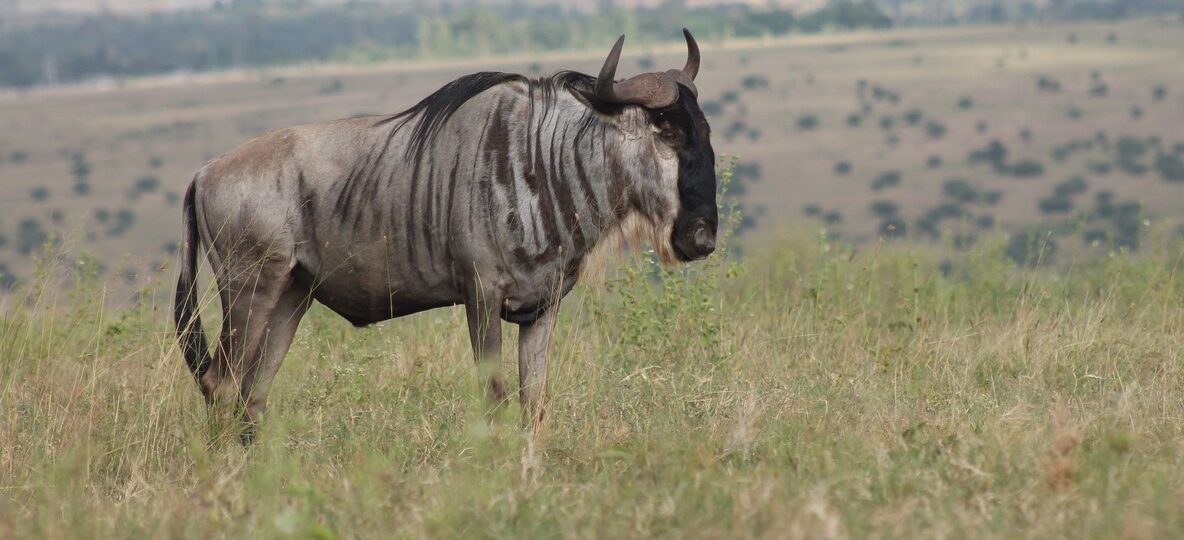
The wildebeest migration moves between them continuously. Around 1.5 million wildebeest, plus hundreds of thousands of zebra and gazelle, follow a roughly circular route driven by rainfall and grass: south into the Serengeti during Kenya’s rainy season, north into the Mara from July onwards for the river crossings, then back south again around November.
Both parks share:
- The same resident lion prides, cheetah, leopard, elephant, buffalo, and giraffe populations
- The same ecosystem ecology
- The same migration herds at different points in the year
- High-end tented camp infrastructure
What differs:
- Park fees, costs, and the overall budget
- Access logistics from your home country
- The density and style of tourism development
- Private conservancy availability and rules
- The quality of the cultural experience outside the vehicle
Wildlife: Is There a Meaningful Difference?
No, with one caveat.
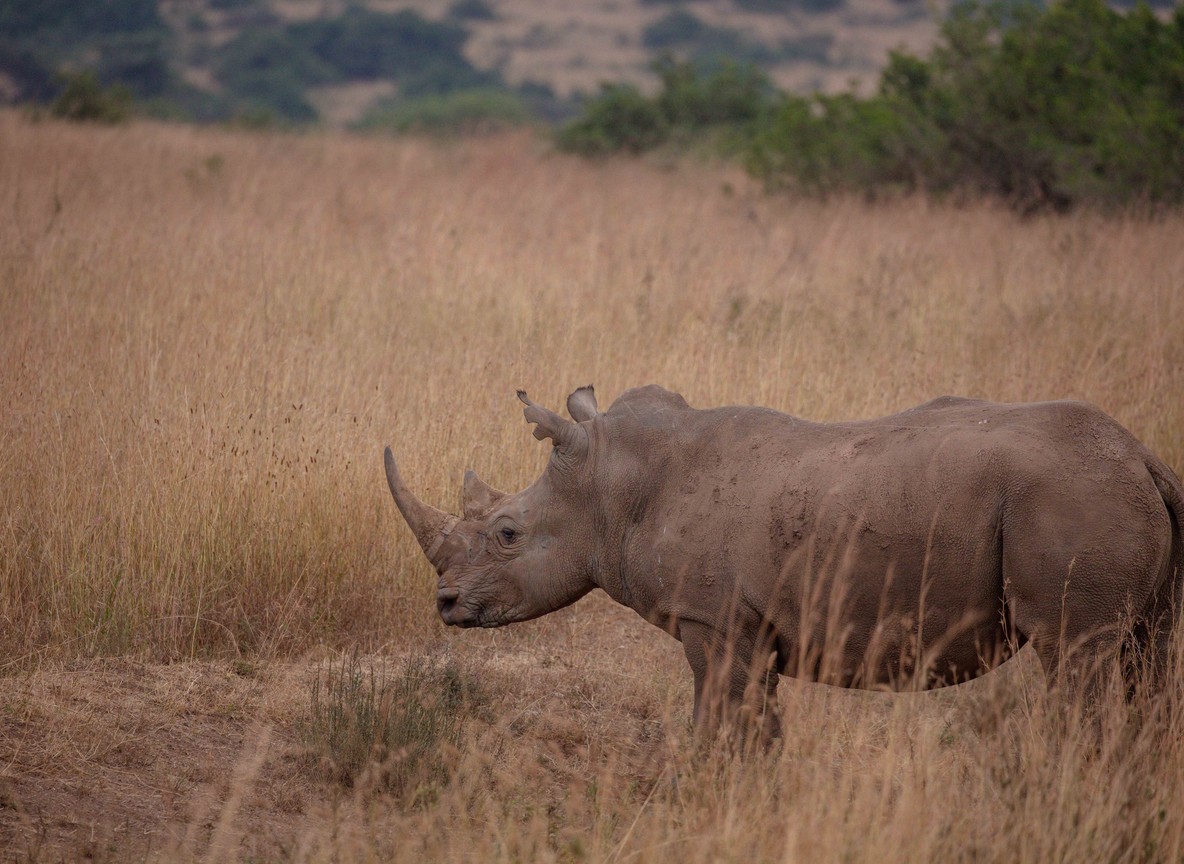
Both ecosystems have excellent resident wildlife year-round. Lion, leopard, cheetah, elephant, buffalo, hippo, giraffe, zebra — all are reliably seen in both. The Big Five are present in both (with rhino present in the Mara ecosystem conservancies and in specific Serengeti areas, though rarely seen in the main parks).
The one meaningful difference is the Mara River crossings.
The dramatic wildebeest river crossings happen primarily at the Mara River, which runs through the Masai Mara in Kenya. While the Grumeti River in the Serengeti also has crossings (typically June-July), the iconic scenes of 50,000 wildebeest surging through crocodile-filled water are predominantly a Kenya-side event.
If your primary objective is to witness a Mara River crossing, book the Masai Mara between late July and October. No other destination delivers that specific experience as reliably.
For everything else — lion behaviour, cheetah hunts, elephant herds, leopard sightings, predator density — the two ecosystems are broadly equivalent.
Cost Comparison: Masai Mara vs Serengeti
This is where the Masai Mara typically wins for travellers on a budget or mid-range allocation.
| Cost Factor | Masai Mara (Kenya) | Serengeti (Tanzania) |
|---|---|---|
| Park fees (non-resident adult) | $80/day (Narok County, $200 from July 2026) | $82/day (TANAPA fee) |
| Budget camp (per person per night) | From $250 | From $300 |
| Mid-range camp (ppn) | $350-$700 | $450-$900 |
| Luxury camp (ppn) | $700-$2,000+ | $900-$3,000+ |
| Internal flight (to park airstrip) | $150-$250 each way | $200-$350 each way |
| Visa | eTA Kenya $32 | Tanzania visa $50-$100 |
The Serengeti commands a premium across every cost category. Part of this is Tanzania’s tourism infrastructure model — the country applies higher levies and fees to conservation funding — and part is the Serengeti’s global brand recognition, which supports higher rack rates.
For a 5-night trip, the Masai Mara is typically 20-35% less expensive all-in than a comparable Serengeti trip.
Note on July 2026 Mara fees: Narok County’s new $200 per day fee (from 1 July 2026, valid 12 hours) is a significant increase. It narrows the cost advantage for trips during peak migration season. Our Masai Mara park fees guide covers the full breakdown and how to work around the 12-hour rule.
Accessibility: Getting to the Mara vs Getting to the Serengeti
Masai Mara:
Fly to Nairobi (IATA: NBO or WIL). Daily flights on Safarilink, AirKenya, and Fly540 to Mara airstrips (Keekorok, Ol Kiombo, Mara Serena) from Wilson Airport Nairobi. Flight time approximately 45 minutes. Overland drive from Nairobi is 5-6 hours.
Kenya has multiple international connections, including Kenya Airways partnerships with most major carriers. The eTA is available online ($32) and issued quickly.
Serengeti:
Fly to Kilimanjaro (JRO) or Dar es Salaam (DAR), then connect to Arusha or Seronera. Internal flight to Serengeti airstrips (Seronera, Grumeti, Lobo) adds a full day of travel. The Serengeti’s airstrips are further from the international gateways than the Mara’s.
Tanzania requires a separate visa (eVisa available), with costs varying by nationality ($50 USD for most western passports).
Verdict on access: The Masai Mara is significantly easier to reach for most international travellers, especially those on itineraries starting from Nairobi. The Serengeti makes sense if you are already in Tanzania or planning a Tanzania-primary itinerary.
Crowds: The Uncomfortable Truth
Both destinations struggle with over-tourism in peak season. The honest position is that the Masai Mara’s smaller footprint means vehicle concentration at popular sightings can be intense.
Masai Mara main reserve in peak season (August): It is not unusual to find 15-25 vehicles around a lion sighting at the height of migration. The main reserve is Kenya’s most popular park, and that shows.
Private Masai Mara conservancies: This is the counter-argument, and it is a strong one. The conservancies surrounding the Mara — Olare Motorogi, Mara North, Mara Naboisho, Ol Kinyei, Kicheche areas — operate with strict vehicle limits. Two to four vehicles maximum at any sighting. Night drives permitted. Off-road driving allowed. The wildlife experience in the conservancies is often superior to the main reserve despite sharing the same ecosystem.
Serengeti: The main park is large enough that crowds disperse more. But the central Seronera area and popular river crossing points in the north see vehicle concentrations comparable to the Mara at peak season.
If crowd avoidance is a priority, a conservancy-based Mara itinerary beats both main parks. Trunktrails Safaris can arrange conservancy access through camps at Olare Motorogi, Mara North, and Ol Kinyei. See our Mara North Conservancy guide for the kind of experience available.
Best Time: When to Choose Each Destination
| Month | Masai Mara | Serengeti | Our Recommendation |
|---|---|---|---|
| Jan-Feb | Calving finishes; excellent predators | Calving season in south | Serengeti (calving spectacle) |
| Mar-May | Long rains; lush, quiet | Long rains; less visited | Either; budget travel window |
| Jun | Migration arriving; good | Grumeti crossings | Masai Mara (migration building) |
| Jul-Oct | Peak: river crossings | Northern Serengeti crossing | Masai Mara (river crossings) |
| Nov | Short rains; migration departing | Wildebeest heading south | Serengeti (follow the herds) |
| Dec | Quiet season; good cats | Calving begins in south | Serengeti (following migration) |
The Masai Mara wins decisively for July-October. The Serengeti offers better reasons to visit in November-February, particularly for the calving season in the short-grass plains of the southern Serengeti (Ndutu area).
The Trunktrails Advantage: Kenya-Based, Honest Comparison
We are a Kenya-based operator, so the Masai Mara is our home ground. That bias is worth acknowledging. But it is also worth noting that we tell our guests clearly when the Serengeti suits their objectives better.
If you are coming in December with two weeks and the calving season is your primary interest, we will say so and refer you to a trusted Tanzania partner. If you are coming in August with one week and river crossings are on your list, the Masai Mara via Trunktrails Safaris is the right answer.
Our tours and safaris in the Mara are run out of a native Kenyan-owned operation with TRA licensing. We know the conservancies, the airstrips, and the guides. We design itineraries that put you in the right part of the ecosystem at the right time — not in a fixed departure group that runs regardless of what the animals are doing.
For how to build the most cost-effective Mara itinerary, see our guide on Masai Mara park fees 2026 and our wildebeest migration route guide for the full seasonal context.
Masai Mara vs Serengeti: The Summary
| Factor | Masai Mara | Serengeti |
|---|---|---|
| Wildlife quality | Excellent | Excellent |
| River crossings | Iconic; July-October | Secondary (Grumeti); June-July |
| Cost | Lower | Higher (20-35%) |
| Accessibility | Easy from Nairobi | Longer logistics |
| Crowd management | Private conservancies solve it | Large park absorbs some |
| Best season | Jul-Oct | Nov-Feb (calving) |
| Cultural experience | Maasai community access | Tanzanian communities |
| Night drives | Conservancies only | Some camps permit |
Ready to Book Your Masai Mara Safari with Trunktrails Safaris?
The Mara suits most first-time East African safari travellers, and every traveller whose priority is the July-October river crossing season.
Trunktrails Safaris designs Mara itineraries from scratch — conservancy access, private game drives, correct timing, and the right camp for your group size and budget. Contact us directly and we will send a proposal within 24 hours. 🌍
WhatsApp: +254 113 208888 Email: info@trunktrailssafaris.com Website: https://trunktrailssafaris.com
TRA Licensed
Word count: 1,604
Image credits: Photo by DHRUV AMIN on Pexels; Photo by Marri Shyam on Pexels; Photo by Hugo Sykes on Pexels; Photo by Fali Poncha on Pexels; Photo by Nirav Shah on Pexels

