Basecamp Explorer Masai Mara: The Eco-Camp Where Obama Stayed
When Barack Obama chose where to sleep during his 2015 Kenya visit, he did not pick a five-star Nairobi hotel. He stayed at Basecamp Explorer Masai Mara, a pioneer eco-camp on a private conservancy where the savannah runs straight to your tent door and the only lights after dark belong to fireflies and the Milky Way. 🌍
That choice said everything about the camp. For wildlife and conservation enthusiasts, Basecamp Explorer Masai Mara is not just another tented lodge. It is a 30-year experiment proving that tours and safaris can protect wildlife, empower Maasai communities, and welcome travelers without leaving a destructive footprint behind. At Trunktrails Safaris, we include Basecamp Explorer in our curated Kenya tours and safaris because both the guest experience and the conservation story are exceptional.
What Is Basecamp Explorer Masai Mara?
Founded in 1994 by Norwegian explorer Svein Wilhelmsen, Basecamp Explorer Masai Mara sits on a private conservancy adjacent to the Masai Mara National Reserve, roughly 285 km southwest of Nairobi near the Talek River. The camp holds the Gold Eco Rating from Ecotourism Kenya, the highest certification in the country’s ecotourism framework.
That rating is not ceremonial. It means 100% solar power, solar-heated water, composting waste systems, recycled grey water for gardens, locally sourced food, and a strict no single-use plastics policy. Twenty-five luxury safari tents are raised on wooden platforms beneath a canopy of yellow fever trees and wild figs. Each tent has an en-suite bathroom, a private veranda, and a fireplace for cold Mara nights. The design is deliberate: nothing is poured in concrete, nothing is permanent, and if the camp left tomorrow, the land would recover within a season.
The Obama Visit: Why This Eco Camp in Kenya Matters
In July 2015, US President Barack Obama traveled to Kenya for the Global Entrepreneurship Summit in Nairobi. His extended program included a private visit to the Masai Mara, and Basecamp Explorer hosted him during that leg of the trip. The story resonated far beyond the political calendar.
Obama was drawn to the Talek Conservancy model, an arrangement where Maasai landowners lease grazing land to the camp in exchange for conservation fees and direct employment. The model keeps land free of agriculture, which keeps wildlife corridors open, which keeps the Great Migration flowing through. His visit brought global attention to the idea that community-based conservation is not charity but sound economics for both people and wildlife. The camp’s original design and that legacy remain unchanged today.
Where Did Obama Stay in Masai Mara? The Talek River Setting
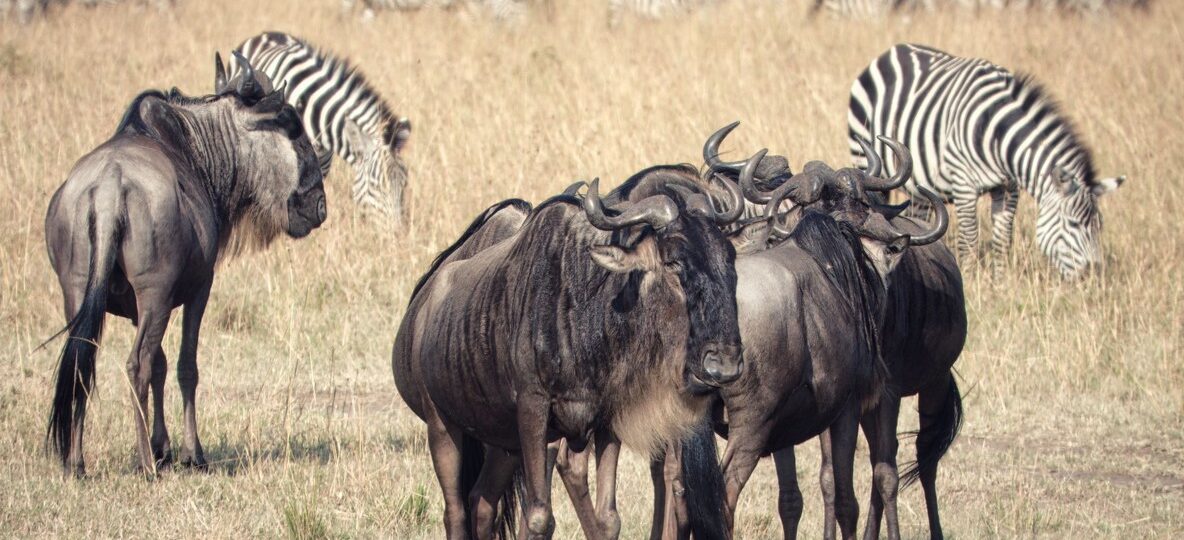
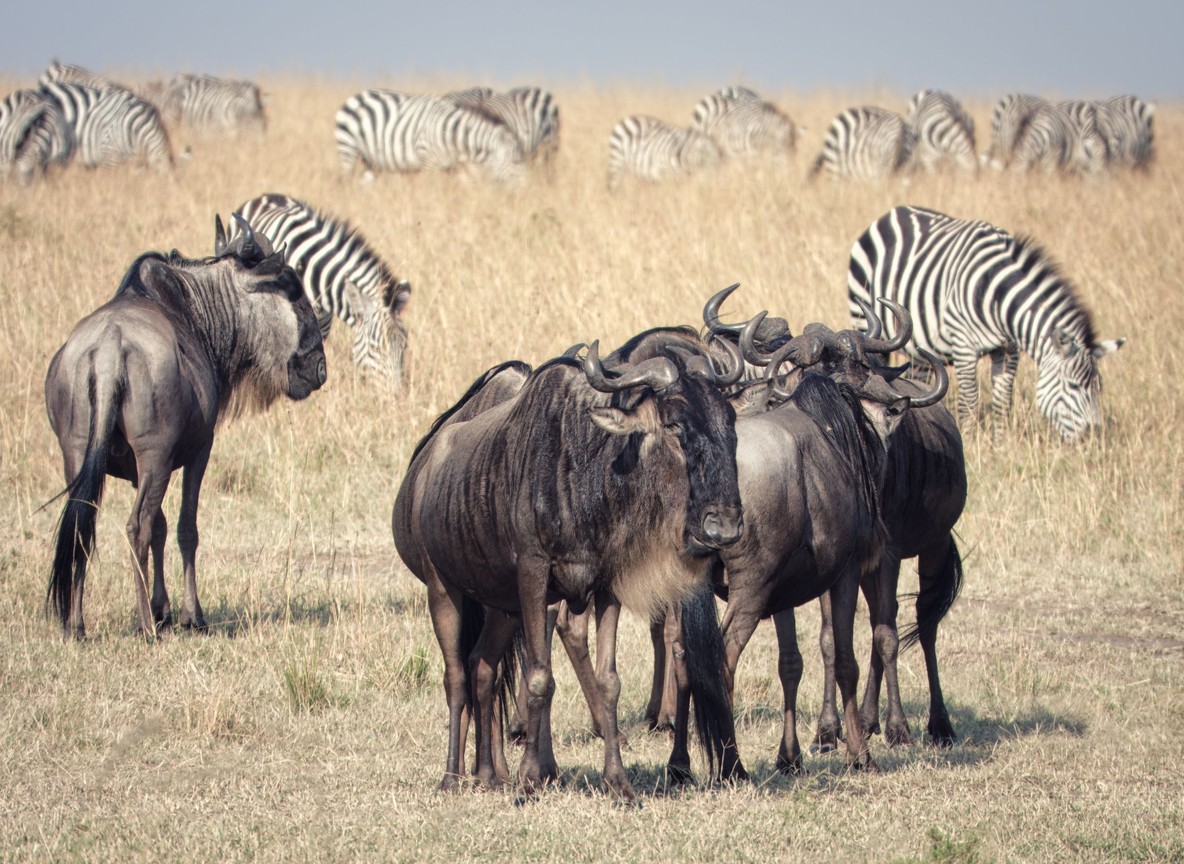
The camp sits near the confluence of the Talek and Mara river systems, inside the 15,000-acre Talek Conservancy. This is prime Big Five country. The Talek River draws elephants, hippos, and crocodiles year-round. During the Great Migration (July to October), wildebeest and zebra pour across nearby river crossings and fill the conservancy plains. 📸
Guests staying at Basecamp Explorer access the Masai Mara National Reserve through the Talek Gate, a 10-minute drive from camp. The conservancy itself is a private wildlife area, meaning game drives on conservancy land operate outside the reserve’s vehicle-per-crossing limits. In July and August, that distinction matters: conservancy game drives can park at a river crossing for as long as the action demands, while reserve vehicles must rotate after 20 minutes.
Eco Lodge Masai Mara Comparison: How Basecamp Measures Up
The Masai Mara has dozens of camps claiming eco credentials. Basecamp Explorer’s Gold rating puts it in a different category. Here is how it compares with other well-known camps in the conservancy belt:
| Camp | Eco Rating | Location | Indicative Rate (per person/night, full board) | Community Model |
|---|---|---|---|---|
| Basecamp Explorer | Gold (Ecotourism Kenya) | Talek Conservancy | $350 – $600 | Land-lease + direct employment |
| Porini Mara Camp | Silver (Ecotourism Kenya) | Ol Kinyei Conservancy | $400 – $700 | Gamewatchers conservancy model |
| Kicheche Mara Camp | Certified | Olare Orok Conservancy | $450 – $750 | Conservancy fees to landowners |
| Sopa Lodge Masai Mara | None listed | Reserve boundary | $200 – $350 | Minimal |
| Governors’ Camp | EarthCheck | Mara River (inside Reserve) | $500 – $900 | Limited |
All rates are indicative high-season ranges. Contact Trunktrails Safaris for current confirmed pricing and availability.
Basecamp is not the cheapest option on that list. But it is the only camp in this group with the top national eco rating, a community land-lease model in place for over 30 years, and the historical significance of the Obama stay. For conservation-minded travelers, that combination is hard to match anywhere in the Masai Mara ecosystem.
Getting to Basecamp Explorer: Distances, Airstrips, and Road Access
| Route | Distance from Nairobi | Journey Time | Notes |
|---|---|---|---|
| Wilson Airport to Talek Airstrip (scheduled flight) | ~280 km | 45 – 55 min | Safarilink, Air Kenya; most common for camp guests |
| Nairobi CBD to Talek Gate (road via Narok) | ~285 km | 6 – 7 hrs | Last 50 km on murram road; 4WD recommended |
| Nairobi CBD to Sekenani Gate (road, eastern approach) | ~265 km | 5.5 – 6.5 hrs | Slightly shorter; same road surface quality |
| Talek Gate to Basecamp Explorer | 3 km inside conservancy | 10 min | Transfer arranged by camp |
Trunktrails Safaris recommends flying in. The road option is manageable but burns a long day each way. A good combination: fly in on arrival, self-drive out through Narok and the Rift Valley escarpment on the return. The views from the escarpment at sunset add a natural close to any Masai Mara itinerary.
What to Do at Basecamp Explorer Masai Mara
Morning and evening game drives are the anchor activity, but the camp’s program runs deeper than that. Guided walking safaris through the conservancy are available with trained Maasai rangers who read signs a vehicle would drive straight past. 🦁 Night game drives on conservancy land reveal aardvarks, civets, and the secretive population of leopards that haunt the Talek riverbanks.
The Maasai village program is not staged for tourists. Basecamp has partnered with the adjacent Talek community for over three decades. Guests visit working homesteads, speak with elders about land management practices, and observe cultural ceremonies that run on their own schedule rather than for visitor convenience.
Birdwatching on the Talek River is excellent in the dry season: malachite kingfishers, African fish eagles, and migrant European species from November to March. Hippo pods are visible from camp in the early morning, sometimes within hearing distance of the tent verandas.
Sustainable Safari Masai Mara: What the Green Credentials Actually Mean
Sustainable is used freely in safari marketing. At Basecamp Explorer, here is what it means in practice:
- Energy: 100% solar-powered camp. No generator noise, no diesel fumes at night.
- Water: Solar-heated showers. Rainwater harvested on-site. Grey water recycled to the vegetable garden.
- Food: Camp kitchen sources produce from the Maasai women’s kitchen garden, fresh fish from Lake Victoria, and beef from local pastoralists along the Mara-Narok corridor.
- Waste: Composting systems throughout. All single-use plastic removed from the supply chain.
- Wildlife data: Camera trapping data shared with Kenya Wildlife Service. No wildlife feeding, no baiting, no off-road driving at river crossings.
- Conservation fund: A percentage of each booking goes into the Talek Conservancy community fund, which supports schools, water projects, and anti-poaching patrols.
This operational detail is precisely why Ecotourism Kenya awarded the Gold Rating, and why no other camp in the Talek area currently holds it.
The Trunktrails Advantage
Trunktrails Safaris has built direct working relationships with the Basecamp Explorer team and the Talek Conservancy management over multiple seasons of tours and safaris in the Masai Mara. That means we secure tent allocations other operators cannot access in peak season, and we combine Basecamp nights with wider Masai Mara tours and safaris that cover the Mara Triangle, the Olare Motorogi Conservancy, and the reserve’s main river crossings in a single seamless itinerary.
We also know when NOT to book Basecamp Explorer. The long rains (April to May) turn the Talek murram road into a serious challenge, and game viewing on conservancy land drops as wildlife retreats deeper into the reserve. We route around that with honest seasonal advice rather than filling beds out of season.
Our Masai Mara conservation camp packages start from $1,450 per person for a three-night stay that includes full board, morning and evening game drives, and shared airstrip transfers from Wilson Airport. Private conservancy walks and extended community visits are available on request. Trunktrails Safaris coordinates all logistics so you step off the Talek Airstrip to find a camp vehicle and a cold towel waiting.
Quick Facts: Basecamp Explorer Masai Mara
| Detail | Information |
|---|---|
| Full name | Basecamp Explorer Masai Mara |
| Location | Talek Conservancy, Masai Mara ecosystem |
| GPS area | South-west Kenya, Narok County |
| Nearest gate | Talek Gate (10 min drive) |
| Nearest airstrip | Talek Airstrip (3 km) |
| Tents | 25 luxury tents on raised wooden platforms |
| Eco rating | Gold (Ecotourism Kenya) |
| Founded | 1994 |
| Notable visitor | President Barack Obama (2015) |
| Best months | July to October (Great Migration season) |
| Park fee (reserve access) | ~$80 per person per day (non-resident) |
| Conservancy fee | Included in camp rate |
| Indicative rate | $350 – $600 per person per night (full board) |
| Trunktrails package from | $1,450 per person (3 nights, full board, transfers) |
Book Basecamp Explorer with Trunktrails Safaris
You have read about the solar panels, the Obama visit, the Mara River crossings, and the Maasai rangers who can track a leopard across hard clay. The question now is whether you will stand there and see it. 🌅
Further reading
More safari planning resources
- Interactive Maasai Mara map from Valley Safaris
- Maasai Mara National Reserve guide on Touring Insights
- Masai Mara destination guide on FindMySafari
- Best time to visit Kenya month-by-month map from Valley Safaris
WhatsApp or call Trunktrails Safaris on +254 113 208888, email us at info@trunktrailssafaris.com, or visit trunktrailssafaris.com to get a tailored quote for your Masai Mara conservation camp experience. We reply within 24 hours and hold provisional bookings at no charge while you finalize dates.
The Talek Conservancy accommodates a small number of guests at any one time. Peak season runs July through August when the crossing season fills Basecamp Explorer’s 25 tents months in advance. Contact Trunktrails Safaris now to check availability before the migration window closes.
Image credits: Photo by Jos van Ouwerkerk on Pexels