
Best Time to Visit Samburu: Month-by-Month Guide to Kenya’s Wild North
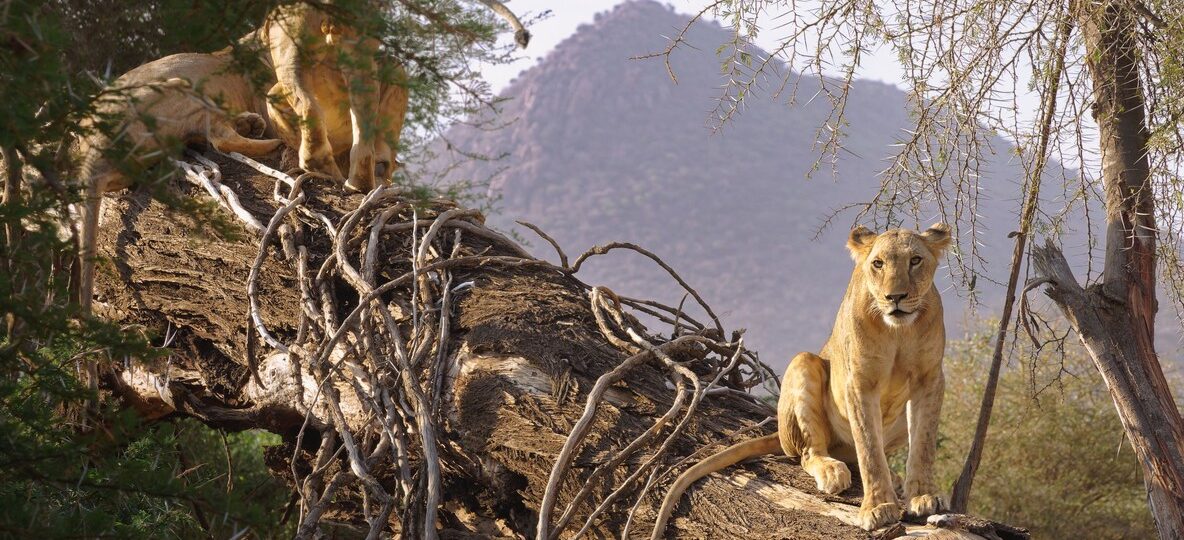
Deciding on the best time to visit Samburu shapes everything about your trip, from the animals you see to the price you pay and the roads you travel. This semi-arid reserve in northern Kenya rewards travellers who plan around its rhythm of dry heat and short green bursts. Trunktrails Safaris runs tours and safaris here year-round, and this month-by-month guide shares exactly what to expect so you can lock in the right dates with confidence. 🐘
Samburu National Reserve covers about 165 km2 along the Ewaso Ng’iro River, roughly 325 km north of Nairobi. It sits beside Buffalo Springs and Shaba reserves, forming a wildlife area unlike anywhere else in the country. The land is rugged, the sun is strong, and the wildlife is genuinely different from the southern parks.
Samburu National Reserve Weather Through the Year
Samburu weather is warm and dry for most of the year. Daytime temperatures usually sit between 30°C and 38°C, and nights stay mild. Because the reserve is semi-arid, rain is the biggest variable that changes your safari, not temperature.
There are two rainy windows. The long rains fall from late March through May, and the short rains arrive in November. Everything else is broadly dry. The river keeps flowing even in dry months, which is why elephants, big cats, and the special antelope species gather near its banks and make game viewing so reliable.
The Best Time to Visit Samburu for Game Viewing
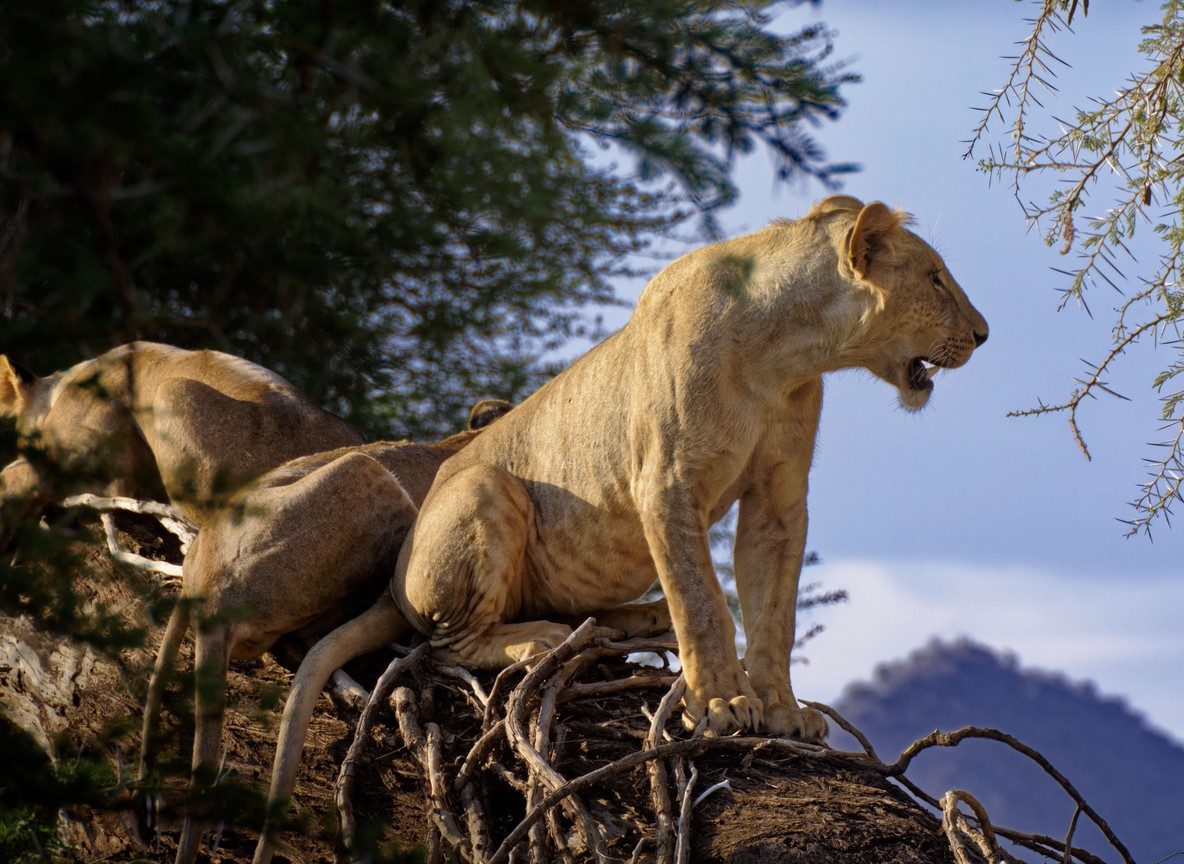
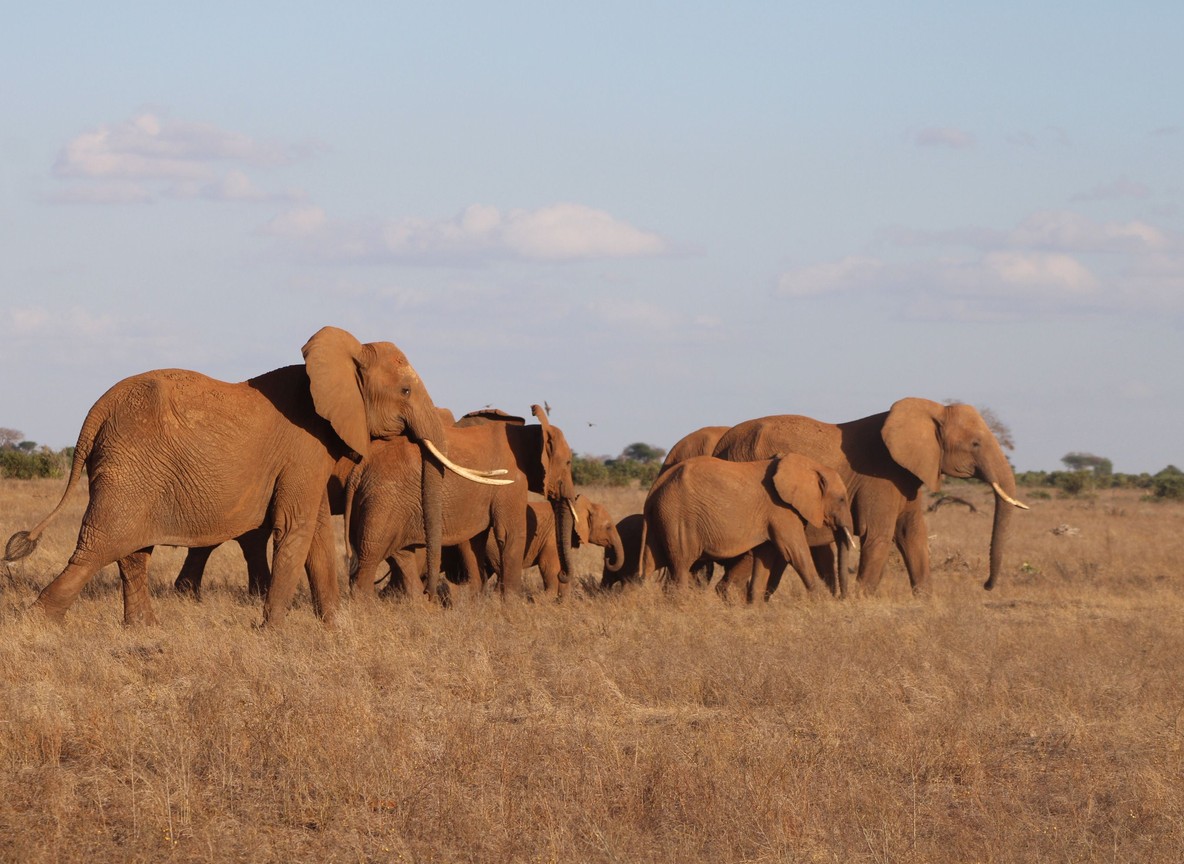
For pure wildlife density, the dry months from June to October are the best time to visit Samburu. Water shrinks back to the Ewaso Ng’iro, grass thins out, and animals concentrate along a narrow strip you can actually reach. Sightings of elephant herds, leopard, and lion climb sharply during this window.
June to September is the driest and most predictable stretch. If your main goal is the reticulated giraffe, Grevy’s zebra, and the famous river crossings of elephant families, book these months. Trunktrails Safaris fields extra guides across this peak period so small groups still get unhurried time at each sighting.
Samburu Dry Season Safari: June to October and January to February
The dry season splits into two parts. The main dry season runs June to October, and a shorter dry spell returns in January and February after the short rains clear. Both deliver open country, easy driving, and packed waterholes.
A samburu dry season safari means dust, bright light for photography, and short golden hours at dawn and dusk. Bring a buff for dust and a warm layer for early game drives, since the 6 a.m. start can feel cool before the sun climbs. This is prime time, so lodges fill fast and rates run at their highest.
Samburu Green Season Safari: March to May and November
The green season covers the long rains of March to May and the short rains of November. Rain here is usually brief, falling in afternoon bursts rather than all-day downpours, so a green season safari is far more doable than many travellers expect.
The reward is dramatic. The scrub turns lush, newborn antelope appear, and migratory birds arrive in force. Photographers love the moody skies and clean, dust-free air. Some black-cotton tracks get slippery, and a few remote spots may close briefly, but a skilled Trunktrails Safaris driver-guide reads the conditions and keeps you moving. Rates drop to their lowest of the year, making this the value pick.
Samburu Special Five: What You Came North to See
Samburu is home to the Special Five, a group of dry-country species you will not find on a typical southern circuit. Seeing them is the real reason many guests choose the wild north over the busier parks.
- Grevy’s zebra, the largest and most endangered zebra, with narrow stripes and big rounded ears.
- Reticulated giraffe, marked by sharp, geometric patches divided by clean white lines.
- Somali ostrich, the male showing blue-grey legs and neck instead of pink.
- Gerenuk, a long-necked antelope that stands on its hind legs to browse tall shrubs.
- Beisa oryx, a striking desert antelope with straight, spear-like horns.
These species show well in every season, though the thinner dry-season vegetation makes them easier to spot and photograph.
Month-by-Month Samburu Safari Comparison
Use this table to match your travel dates to conditions, crowds, and cost.
| Month | Weather | Game Viewing | Crowds | Indicative Lodge Rate (pp/night) |
|---|---|---|---|---|
| January | Hot, dry | Very good | Moderate | USD 200 to 550 |
| February | Hot, dry | Very good | Moderate | USD 200 to 550 |
| March | Warm, first rains | Good | Low | USD 160 to 450 |
| April | Wettest, green | Fair | Very low | USD 150 to 420 |
| May | Rains easing, lush | Good | Low | USD 160 to 450 |
| June | Dry, cooler nights | Excellent | Rising | USD 220 to 600 |
| July | Dry, peak season | Excellent | High | USD 250 to 700 |
| August | Dry, peak season | Excellent | High | USD 250 to 700 |
| September | Dry, clear | Excellent | High | USD 250 to 700 |
| October | Dry, warming | Very good | Moderate | USD 220 to 600 |
| November | Short rains | Good | Low | USD 160 to 450 |
| December | Drying, festive | Very good | Rising | USD 220 to 650 |
Rates are indicative ranges only and vary by camp, season, and package. Trunktrails Safaris confirms live pricing when you enquire.
How to Get to Samburu
Getting to Samburu is straightforward once you know the options. Most guests either drive up from Nairobi or fly into one of the local airstrips.
| Route | Detail | Time / Distance |
|---|---|---|
| Road from Nairobi | Tarmac via Nanyuki and Isiolo | About 325 km, 5.5 to 6 hours |
| Flight from Wilson Airport | Scheduled light aircraft | About 1 hour 15 minutes |
| Main airstrips | Samburu Oryx and Buffalo Springs | 15 to 40 min drive to most camps |
| Park entry | Archers Post and other gates | Reserve access points |
Non-resident conservation fees for the reserve run at an indicative USD 70 per adult per day, with lower rates for residents and children. Camps such as Elephant Bedroom Camp, Ashnil Samburu Camp, Samburu Sopa Lodge, Saruni Samburu, and Sasaab sit within easy reach of these gates and airstrips.
Samburu Safari Cost and How Long to Stay
Samburu safari cost depends on your lodge tier, the season, and how you travel. Fly-in packages cost more than road trips but save half a day each way. Green season rates can be 30 to 40 percent lower than July and August peak pricing.
Plan a minimum of two nights so you get three full game-drive sessions and time along the river. Three nights lets you add Buffalo Springs or a Samburu village visit without rushing. Many guests pair Samburu with the Maasai Mara or Amboseli for a classic multi-park Kenya route, and our tours and safaris are built to link these parks smoothly by road or air.
A few extra tips help you time things well. Weekday arrivals tend to be quieter at the gates than weekends, and school-holiday months such as August and December draw more families. If photography is your priority, the low light of the green season and the clean air after rain can beat the harsh midday glare of peak dry months. If you want the busiest waterholes and the surest big-cat sightings, stick to July through September. Whatever your dates, an early booking secures both the best camps and the fairest rates before the calendar fills.
The Trunktrails Advantage
Trunktrails Safaris is a native Kenyan-owned operator, and Samburu is our home ground. Our guides grew up reading this land, so they know where the leopard rests at midday and which river bend the elephants favour after the rains. That local knowledge turns a good safari into an unforgettable one.
We run tours and safaris with a maximum focus on small groups, honest pricing, and genuine community links. When you book with us, part of your trip supports conservation work along the Ewaso Ng’iro, including the long-running elephant research that has made Samburu famous. Every itinerary is built around your dates, your budget, and the experiences that matter most to you. 🦁
Choosing the right season is only the start. The real difference is who is beside you in the vehicle, and our team brings warmth, patience, and deep respect for the wildlife you came to see. 🌍
Plan Your Samburu Safari with Trunktrails Safaris
The best time to visit Samburu is the time that fits your goals, whether that is peak dry-season action or quiet green-season value. Tell us your dream dates and we will match them to the perfect camp and route.
Further reading
More safari planning resources
- Best time to visit Kenya month-by-month map from Valley Safaris
- Samburu National Reserve guide on Touring Insights
- Samburu destination guide on FindMySafari
- Map of Samburu from Valley Safaris
Message our team on WhatsApp at +254 113 208888, email info@trunktrailssafaris.com, or visit trunktrailssafaris.com to start planning today. Your wild north adventure is waiting, and Trunktrails Safaris is ready to make it real. 📸