Lake Nakuru vs Lake Naivasha: Which Rift Valley Lake Belongs on Your Safari?
The Lake Nakuru vs Lake Naivasha question comes up on almost every Kenya itinerary that dips into the Great Rift Valley. Both lakes sit within easy reach of Nairobi. Both make a natural stop on the way to or from the Maasai Mara. Yet they deliver two completely different days in the bush, and picking the wrong one for your travel style can leave you wishing you had swapped them.
This comparison is built on real operational knowledge from running tours and safaris across the Rift Valley for years. Trunktrails Safaris is a native Kenyan-owned operator, so where we hold a preference we will say so and explain why. The goal is not to sell you a longer trip. It is to help you choose the lake that fits the safari you are picturing. 🦁
The Key Facts First
| Factor | Lake Nakuru | Lake Naivasha |
|---|---|---|
| Protected status | Fenced national park (rhino sanctuary) | Open freshwater lake, ringed by lodges |
| Approx. size | 188 km2 park | ~139 km2 lake (level varies) |
| Water type | Alkaline soda lake | Freshwater lake |
| Signature draw | Rhino, flamingos, Rothschild’s giraffe | Hippos, fish eagles, boat rides |
| Non-resident entry fee | USD 60/adult/24 hr (KWS) | No lake fee; boat & sanctuary fees apply |
| Drive from Nairobi | ~157 km, 2.5-3 hr via A8 | ~90 km, 1.5-2 hr via A104 |
| Main gate / access | Main Gate, Lanet Gate, Nderit Gate | Lakeside lodges and jetties |
| Big cats | Lions and leopards present | None on the lake shore |
| Adjacent attraction | Makalia Falls, Baboon Cliff viewpoint | Hell’s Gate NP, Crescent Island, Crater Lake |
| Indicative game-drive lodge | Sarova Lion Hill, Lake Nakuru Lodge, Sopa | Enashipai, Sawela, Naivasha Sopa, Loldia House |
| Best for | Classic game viewing, Big Five ambitions | Walking, cycling, boats, relaxed pacing |
Wildlife: What You Actually See
Both lakes are wildlife-rich, but they reward different expectations.
Where Lake Nakuru wins: Big game inside a fenced park. Lake Nakuru National Park is one of only a handful of places in Kenya where you can reliably see both black and white rhino on a single drive. It runs as a guarded rhino sanctuary, and sightings are more dependable here than almost anywhere else in the country. The park also holds the endangered Rothschild’s giraffe, plus lions, leopards, buffalo, and large herds of waterbuck. When water levels suit them, tens of thousands of lesser flamingos ring the shoreline in a pink band, and pelicans crowd the shallows. This is a proper game-viewing park where you stay in the vehicle and cover ground.
Where Lake Naivasha wins: Water life and birds up close. Naivasha is freshwater, so it supports a completely different cast. Hippos wallow in pods near the shore, and more than 400 recorded bird species make it one of the finest birding lakes in East Africa. The African fish eagle is the star, and a boat ride will often get you close enough to watch one drop and snatch a fish from the surface. Colobus monkeys move through the fever-tree forests along the shore.
The honest verdict: For classic safari game viewing and a real shot at rhino, Lake Nakuru leads clearly. For birds, hippos, and getting onto the water, Lake Naivasha is the better lake.
Cost: Lake Nakuru vs Lake Naivasha Fees
The two lakes are priced on completely different models, and this often decides the day.
Lake Nakuru is a Kenya Wildlife Service premium park. Non-resident adults pay USD 60 per 24-hour period, with children at a reduced rate. That single fee covers your full game drive, the rhino sanctuary, the viewpoints, and Makalia Falls at the southern end.
Lake Naivasha itself charges nothing to look at. The lake is unfenced and public. You pay instead for the activities you choose. A one-hour boat ride runs roughly USD 30 to USD 50 per boat, not per person, so it splits well across a family. Entry to Crescent Island, the private walking sanctuary, is about USD 30 to USD 45 for non-residents. If you add the nearby Hell’s Gate National Park, that carries its own KWS fee of about USD 26 per non-resident adult.
Indicative activity costs (non-resident, subject to change):
| Activity | Lake Nakuru | Lake Naivasha |
|---|---|---|
| Core access fee | USD 60/adult/day | Free (lake itself) |
| Signature activity | Game drive (included) | Boat ride USD 30-50/boat |
| Add-on experience | Makalia Falls, viewpoints (included) | Crescent Island USD 30-45/adult |
| Nearby park | n/a | Hell’s Gate USD 26/adult |
For a couple who want one clean, all-in game drive, Lake Nakuru is simple to price. For a family that wants a boat ride and a walk without paying a high per-head park fee, Lake Naivasha can work out cheaper and more flexible. 🐘
Activities and Pacing
This is the clearest split between the two lakes.
Lake Nakuru is a stay-in-the-vehicle park. You are on a guided game drive from gate to gate, tracking rhino, scanning tree lines for leopard, and climbing to Baboon Cliff and the Out of Africa viewpoint for the wide Rift Valley panorama. It suits travellers who want the traditional safari rhythm of early starts and long drives.
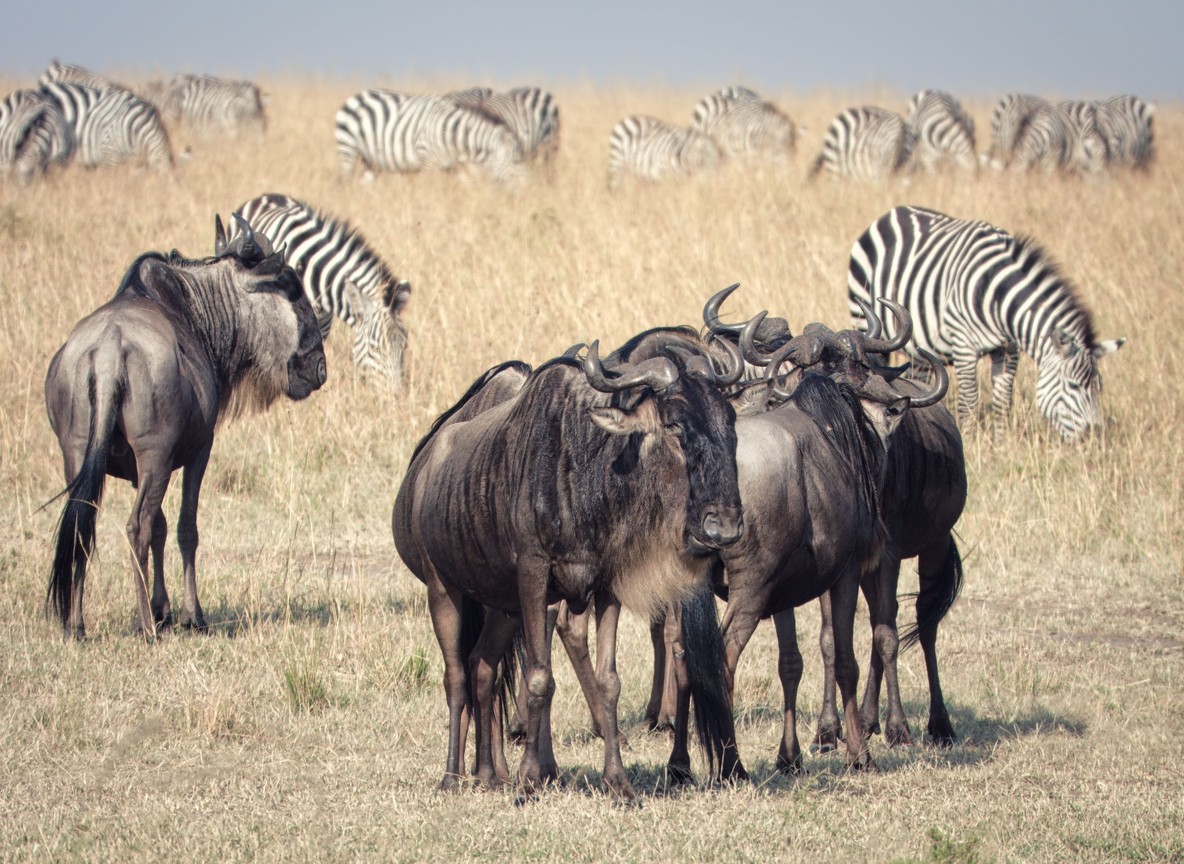
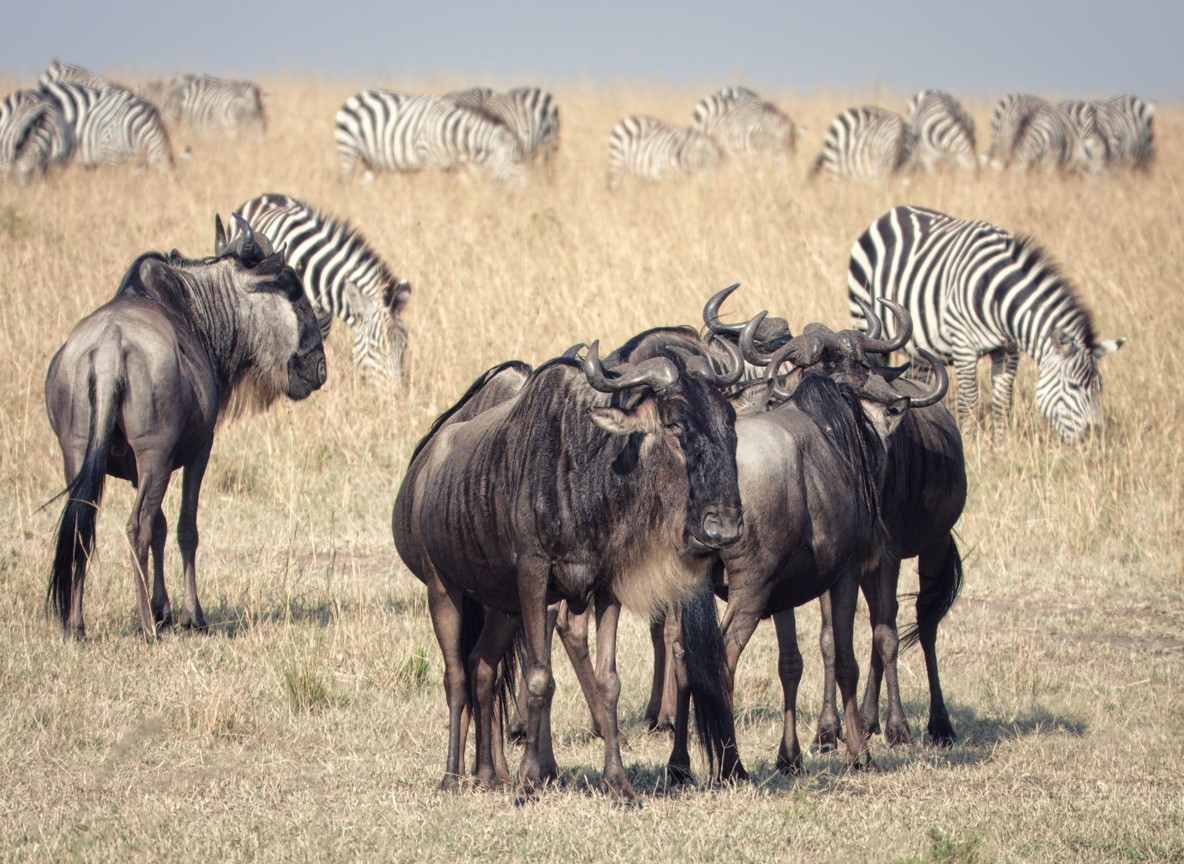
Lake Naivasha is built for movement outside the car. You can walk among giraffe, zebra, and waterbuck on Crescent Island with no big cats to worry about, which makes it one of the few places near Nairobi you can safely do a walking safari. Next door, Hell’s Gate National Park lets you cycle or hike between towering cliffs and past the gorge that helped inspire the landscapes of animated film. Add a boat ride at dawn and Naivasha becomes an active, hands-on day rather than a drive.
For the Adventure Family persona travelling with teens who fidget in a vehicle, Naivasha’s variety is a genuine advantage. For a couple chasing the Big Five, Nakuru’s focus pays off.
Getting There and Combining the Two
Both lakes sit on the main route northwest out of Nairobi, which is exactly why so many itineraries include one or the other.
Lake Naivasha is closer, about 90 km and 1.5 to 2 hours from Nairobi on the A104. Lake Nakuru is roughly 157 km and 2.5 to 3 hours via the A8 highway. The two lakes are only about 70 km apart, which is the key planning insight most travellers miss.
You do not always have to choose. A very common Trunktrails Safaris routing pairs both on our tours and safaris: a night at Lake Naivasha for the boat ride and Crescent Island walk, then a short transfer to Lake Nakuru for a full game drive, before continuing to the Maasai Mara. If your schedule allows only one, the drive time and your wishlist decide it.
Where to Stay at Each Lake
Both lakes are well served by lodges across the mid-range and luxury tiers.
At Lake Nakuru, Sarova Lion Hill Lodge and Lake Nakuru Lodge sit inside or on the park boundary, so you wake up already positioned for the morning drive. Lake Nakuru Sopa Lodge offers commanding views over the soda lake. Flamingo Hill Camp is the tented option for travellers who want canvas without leaving comfort behind.
At Lake Naivasha, Enashipai Resort and Spa and Sawela Lodge deliver polished lakeside stays with spa facilities that suit honeymooners and relaxed itineraries. Lake Naivasha Sopa Resort spreads across lawns where giraffe and zebra graze freely. For heritage character, Loldia House and Elsamere, the former home of Joy Adamson of Born Free fame, give the lake a storied, old-Kenya feel.
Best Time to Visit Each Lake
- Lake Nakuru: The dry seasons of June to October and January to February give the best game viewing and firmer tracks. Flamingo numbers swing with water levels and are never guaranteed, so treat them as a bonus rather than the reason to come. Rhino and Rothschild’s giraffe are present year-round.
- Lake Naivasha: Good all year, but the drier months make boat rides and Crescent Island walks most comfortable. Birdlife peaks from November to April when migrant species arrive, which is prime time for the Wildlife and Conservation Enthusiast.
Because both lakes stay rewarding across the year, they slot neatly into almost any Kenya safari calendar.
The Trunktrails Advantage
Choosing between two Rift Valley lakes is far easier with an operator who will tell you the truth, even when the honest answer is to do both or skip one. Trunktrails Safaris is a native Kenyan-owned company, and we plan our tours and safaris around the trip you actually want rather than the one that pads a quote.
Our driver-guides know which section of Lake Nakuru is holding rhino this week, when the flamingos are worth detouring for, and which Naivasha jetty gives the calmest dawn boat ride for photography. We sequence the two lakes so the drive times work in your favour on the way to the Maasai Mara, and we match the lodge to your pacing, whether that means a spa evening at Naivasha or a dawn start inside Nakuru’s gates. Because we specialise in Kenya rather than spreading thin across the continent, our local knowledge runs deep.
When you travel with Trunktrails Safaris, the Rift Valley stops being a checklist and becomes a highlight in its own right. 🌍
So Which Should You Choose?
Pick Lake Nakuru if you want classic game viewing, a genuine chance at both black and white rhino, Rothschild’s giraffe, and the traditional in-vehicle safari rhythm inside a protected national park.
Pick Lake Naivasha if you want to get out of the car: a boat ride among hippos and fish eagles, a walking safari on Crescent Island, cycling in Hell’s Gate, and a more relaxed, family-friendly pace at a lower core cost.
And if your itinerary has room, do both. They sit only 70 km apart and complement each other perfectly, one for the water and the walk, one for the rhino and the drive. 📸
Further reading
More safari planning resources
- Rift Valley lakes map from Valley Safaris
- Big Five safari parks guide on Touring Insights
- Big Five safari collection on FindMySafari
- Nairobi to Maasai Mara route guide from Valley Safaris
Ready to turn this decision into a real Rift Valley itinerary? Talk to the team that knows these lakes from the inside. Message Trunktrails Safaris on WhatsApp at +254 113 208888, email info@trunktrailssafaris.com, or visit trunktrailssafaris.com and let us build the safari you will still be talking about in twenty years. Your window seat on the Rift Valley is waiting. ✨