
Masai Mara National Reserve vs Private Conservancy: Which Safari Experience Is Right for You?
Every traveler planning a Masai Mara safari hits the same fork in the road. Do you stay inside the Masai Mara National Reserve itself, close to the famous river crossings? Or do you book a camp in one of the private conservancies that ring the reserve, like Mara North or Naboisho?
Both put you in the same ecosystem. Both can deliver lions on a kill, a leopard in a tree, and elephants moving through golden grass. But the two experiences are structured differently, priced differently, and suit different kinds of travelers. This guide breaks down the real differences using actual numbers, so you can choose with confidence rather than guesswork. 🦁
The Key Facts First
| Factor | Masai Mara National Reserve | Private Conservancies |
|---|---|---|
| Managing authority | Narok County Government | Community land trusts + camp operators |
| Total area | 1,510 km2 | Roughly 1,400 km2 combined (15+ conservancies) |
| Number of conservancies | N/A | Mara North, Naboisho, Olare Motorogi, Ol Kinyei, Lemek, Enonkishu, and others |
| Non-resident entry fee | USD 200 per person per 24 hours (Narok County rate, effective July 2026) | Bundled into camp rate; conservancy fee typically USD 80-150 per person per night (indicative) |
| Main gates | Sekenani, Talek, Oloolaimutia, Musiara, Sand River | No public gates; access is through the camp you book |
| Key airstrips | Keekorok, Ol Kiombo, Musiara | Kichwa Tembo, Mara North, Naboisho airstrips |
| Vehicles per sighting (peak season) | Often 20-40+ at popular crossings and cat sightings | Typically capped at 5-8 vehicles by conservancy rules |
| Night game drives | Not permitted | Permitted |
| Walking safaris | Not permitted | Permitted in most conservancies |
| Off-road driving | Not permitted | Permitted under guide discretion |
| Distance from Nairobi | Around 270 km by road (5-6 hours) or 45-minute bush flight from Wilson Airport | Same access routes; most conservancies sit north and west of the reserve boundary |
What the Masai Mara National Reserve Actually Offers
The reserve is the core 1,510 km2 block that most people picture when they say “Masai Mara.” It holds the Mara River, the most famous river crossing points, and the highest concentration of tourist camps and lodges in the region. Camps like Keekorok Lodge and Mara Serena sit inside the reserve boundary, giving guests fast access to the river during the July to October migration window.
The advantage of staying inside the reserve is proximity. If your entire trip is built around watching wildebeest cross the Mara River, being a short drive from Sekenani or Talek Gate matters. You will not waste morning hours driving in from outside.
The tradeoff is congestion. Because the reserve is open to any licensed operator and any day visitor, popular sightings can draw a real crowd. During peak crossing season, it is common to see 20 to 40 vehicles lined up along the riverbank, sometimes more. Night drives, walking safaris, and off-road driving are also banned inside the reserve, which limits how close and how flexible your game viewing can be.
What a Private Conservancy Actually Offers
The conservancies are a different model entirely. Maasai landowners lease their land to a limited number of camp operators, who then manage guest numbers, vehicle density, and land use together. Mara North Conservancy, Naboisho Conservancy, Olare Motorogi Conservancy, and Ol Kinyei Conservancy are among the best known, each bordering the reserve on its northern and eastern edges.
Because access is restricted to guests of a small number of partner camps, vehicle density drops sharply. Most conservancies enforce a hard cap of five to eight vehicles at any sighting, and some camps operate on a one-vehicle, one-camp exclusivity basis for parts of their concession. This is the single biggest practical difference between the two options.
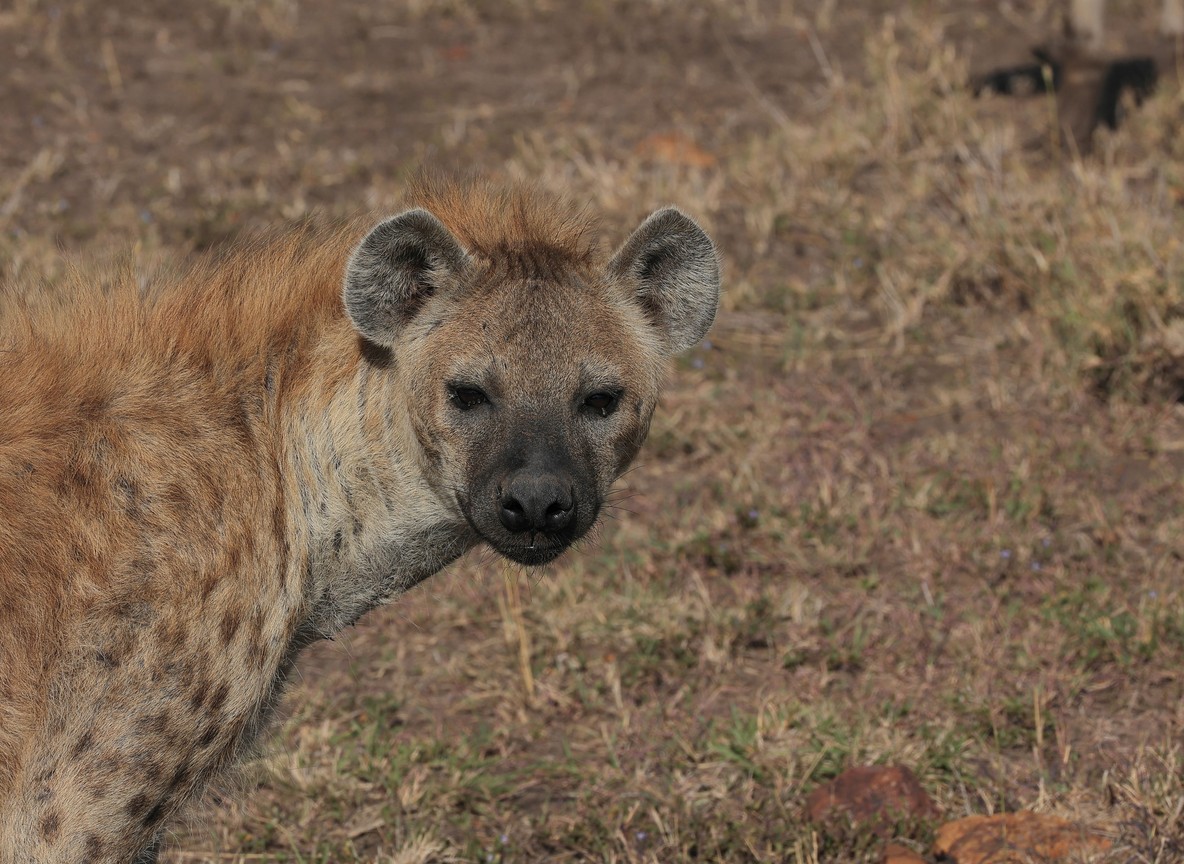
Conservancies also permit activities that are banned in the reserve. Night game drives let you see nocturnal hunters like leopard and hyena at work. Walking safaris put you on the ground with an armed guide, tracking spoor and reading the bush at a slower pace. Off-road driving means your guide can follow a hunting cheetah instead of staying on a fixed track.
The resident wildlife in the conservancies is not dependent on the annual migration. Mara North and Naboisho in particular are known for consistently strong lion and leopard sightings across the entire year, not just July through October.
Cost: What You Actually Pay
Entry to the reserve itself costs USD 200 per person per 24-hour period under the Narok County fee structure that took effect in July 2026. That fee is paid regardless of where you stay, if your itinerary includes a game drive inside the reserve boundary.
Conservancy access works differently. Instead of a per-entry gate fee, most conservancies charge a conservation fee that is bundled into your nightly camp rate. As an indicative range, expect USD 80 to 150 per person per night on top of the accommodation cost, though this varies by conservancy and camp tier. Camps such as Kicheche Mara Camp in Mara North, Naboisho Camp in Naboisho Conservancy, and Mara Plains Camp in Olare Motorogi typically fold this fee directly into an all-inclusive nightly rate that also covers game drives, meals, and park-style activities.
For a like-for-like comparison, a mid-range tented camp inside or near the reserve and a mid-range conservancy camp often land in a similar nightly price bracket, roughly USD 400 to 700 per person per night all-inclusive at three to four star level, rising well past USD 1,000 at top-tier camps such as Angama Mara on the Oloololo Escarpment. The difference is less about which option is cheaper overall and more about what that money buys you: reserve access gets you proximity to the crossings, conservancy access gets you exclusivity and flexibility.
Best Time to Visit Each
Masai Mara National Reserve
- July to October: Peak migration season. River crossings happen along the Mara River near the Sand River and Talek confluence points. This is when reserve access matters most, and also when vehicle numbers at the crossings are highest.
- January to March: Lower visitor numbers, warm dry weather, and strong resident wildlife even though the migrating herds are further south in the Serengeti at this time.
- November to December: Short rains bring green landscapes and dramatically fewer vehicles, though some tracks inside the reserve can get muddy after heavy afternoon showers.
Private Conservancies
- Year-round: Because sightings depend on resident lion, leopard, elephant, and buffalo populations rather than the migration, conservancy game viewing stays strong in every month.
- July to October: Conservancies bordering the reserve, particularly Mara North and Naboisho, also see migration overflow as herds move through on their way to and from the reserve.
- Green season (November, April, May): This is when conservancy camps often reduce their rates, making it a strong value window if crowds and cost matter more to you than peak-season photography light.
For a first Masai Mara trip, timing your visit around the reserve’s July to October window and layering in two or three nights at a conservancy camp gives you both the crossing drama and the quieter, more flexible game drives conservancies are known for.
Which Should You Choose?
Choose the National Reserve if:
- Your trip is timed specifically around the July to October river crossings
- You want the shortest possible drive from your camp to the Mara River
- You are on a shorter trip and want to maximize time near the most famous sightings
- Budget is tight and you want to avoid conservancy fees layered onto your rate
Choose a Private Conservancy if:
- You want night drives, walking safaris, or off-road tracking
- You want vehicle limits that keep sightings intimate, not crowded
- You are visiting outside peak migration months and want reliable resident wildlife
- You value the conservation and community-income model behind the conservancy system
Consider combining both: Many of the best Masai Mara itineraries split a stay across a conservancy camp and a reserve-adjacent camp, giving you the best of exclusivity and river-crossing access in a single trip.
The Trunktrails Advantage
Trunktrails Safaris has built its Masai Mara itineraries around this exact decision. We know which conservancy camps deliver the strongest year-round lion and leopard sightings, which reserve-side lodges put you closest to the crossing points during migration season, and how to structure a split stay so you experience both without wasted driving days.
As a Kenyan-owned operator running tours and safaris across the Mara ecosystem, we work directly with camp partners in Mara North, Naboisho, and Olare Motorogi, alongside reserve-based lodges near Sekenani and Talek Gate. That means our recommendations come from direct relationships and firsthand knowledge of the land, not a generic listing site.
Whether you want the drama of a river crossing or the quiet of a night drive with no other vehicles in sight, Trunktrails Safaris can build the tours and safaris itinerary that matches what you actually came to Kenya for. 🐘
Further reading
More safari planning resources
- Interactive Maasai Mara map from Valley Safaris
- Maasai Mara National Reserve guide on Touring Insights
- Masai Mara destination guide on FindMySafari
- Wildebeest migration route map from Valley Safaris
Ready to Plan Your Masai Mara Safari?
Tell us what matters most to your trip, the crossings, the quiet conservancy game drives, or both, and we will build an itinerary around it. Trunktrails Safaris designs tours and safaris across the full Masai Mara ecosystem, reserve and conservancy alike, so you get the experience that fits you instead of a one-size-fits-all package. ✨
Contact Trunktrails Safaris:
- WhatsApp: +254 113 208888
- Email: info@trunktrailssafaris.com
- Website: trunktrailssafaris.com
- Kenyan-Owned Operator | Nairobi-Based

