
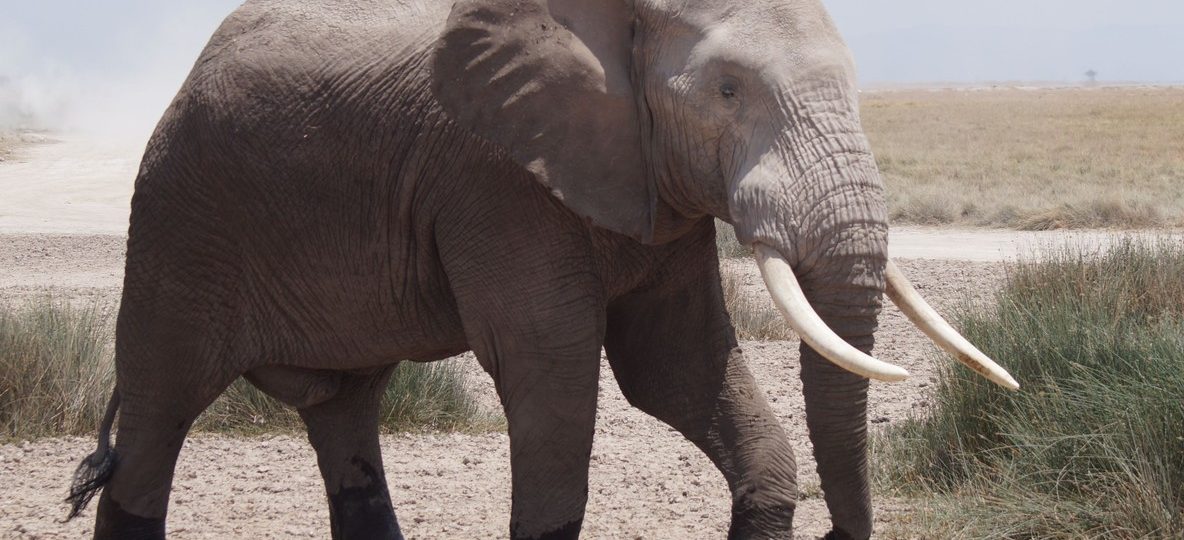
One Ton Tusk Elephant Amboseli: What His Death Means for Kenya’s Last Giants
Amboseli National Park has lost one of its most recognizable bull elephants. One Ton Tusk, a super tusker whose ivory reportedly weighed close to 45 kilograms per side, died in 2026, becoming the second super tusker Kenya has lost this year. For anyone who has watched these bulls move across the swamps beneath Mount Kilimanjaro, the loss lands hard. For Amboseli’s elephant population, it is a reminder of how few of these genetically rare giants remain.
This guide explains what a super tusker actually is, why One Ton Tusk mattered to researchers and safari travelers alike, and what his death means for the future of Amboseli’s elephants. It also covers how you can see the surviving super tuskers responsibly, with real park numbers, gate locations, and lodge options for anyone planning tours and safaris built around Amboseli’s elephant herds.
What Is a Super Tusker, and Why Was One Ton Tusk Different?
A super tusker is a bull elephant whose tusks each weigh 45 kilograms (100 pounds) or more, a threshold so rare that fewer than 25 such bulls are believed to remain across the entire African continent. Amboseli holds the largest known cluster of them, thanks to more than five decades of protection and monitoring by the Amboseli Trust for Elephants (ATE), founded by researcher Cynthia Moss in 1972. It is the longest continuously running study of wild elephants anywhere in the world.
One Ton Tusk earned his name from the combined weight of his ivory, a genetic trait passed down through specific Amboseli bloodlines rather than simple age. Not every old bull grows tusks like his. The trait is thought to be linked to a gene that also appears in a small number of Amboseli’s matriarchal families, which is part of why conservationists treat every super tusker loss as a genetic, not just individual, blow to the population.
His death follows the loss of Craig, another Amboseli super tusker who collapsed near the park boundary in 2022, and Tolstoy, who died of what researchers described as natural causes after surviving a spear wound years earlier. Kenya’s most famous super tusker, Tim, died in 2020 at an estimated age of 50. One Ton Tusk’s death this year means Amboseli’s ecosystem has now lost several of its largest, oldest bulls within a few short seasons, a pattern that has conservationists watching the remaining bloodlines closely.
Amboseli by the Numbers: The Facts Behind the Story
Understanding why Amboseli produces these bulls, and why losing them matters, starts with the park itself.
| Fact | Detail |
|---|---|
| Park size | 392 km2 |
| Distance from Nairobi | Approximately 240 km via the Namanga road |
| Drive time from Nairobi | 3.5 to 4.5 hours by road |
| Flight time from Nairobi | Approximately 45 minutes (Wilson Airport to Amboseli Airstrip) |
| Non-resident park entry fee | USD 52 per person per day (KWS) |
| Main gates | Meshanani Gate, Kimana Gate, Iremito Gate |
| Elephant research body | Amboseli Trust for Elephants, monitoring since 1972 |
| Estimated global super tusker population | Fewer than 25 individuals |
| Backdrop | Mount Kilimanjaro (5,895 m), directly across the Tanzania border |
Amboseli’s swamps, fed by underground rivers running off Kilimanjaro’s snowmelt, stay green even in dry season. That permanent water is a major reason the park has sustained one of Africa’s best-studied elephant populations for over 50 years, and why its bulls have had the time and forage to grow tusks of this size.
Why Losing a Super Tusker Matters Beyond One Elephant
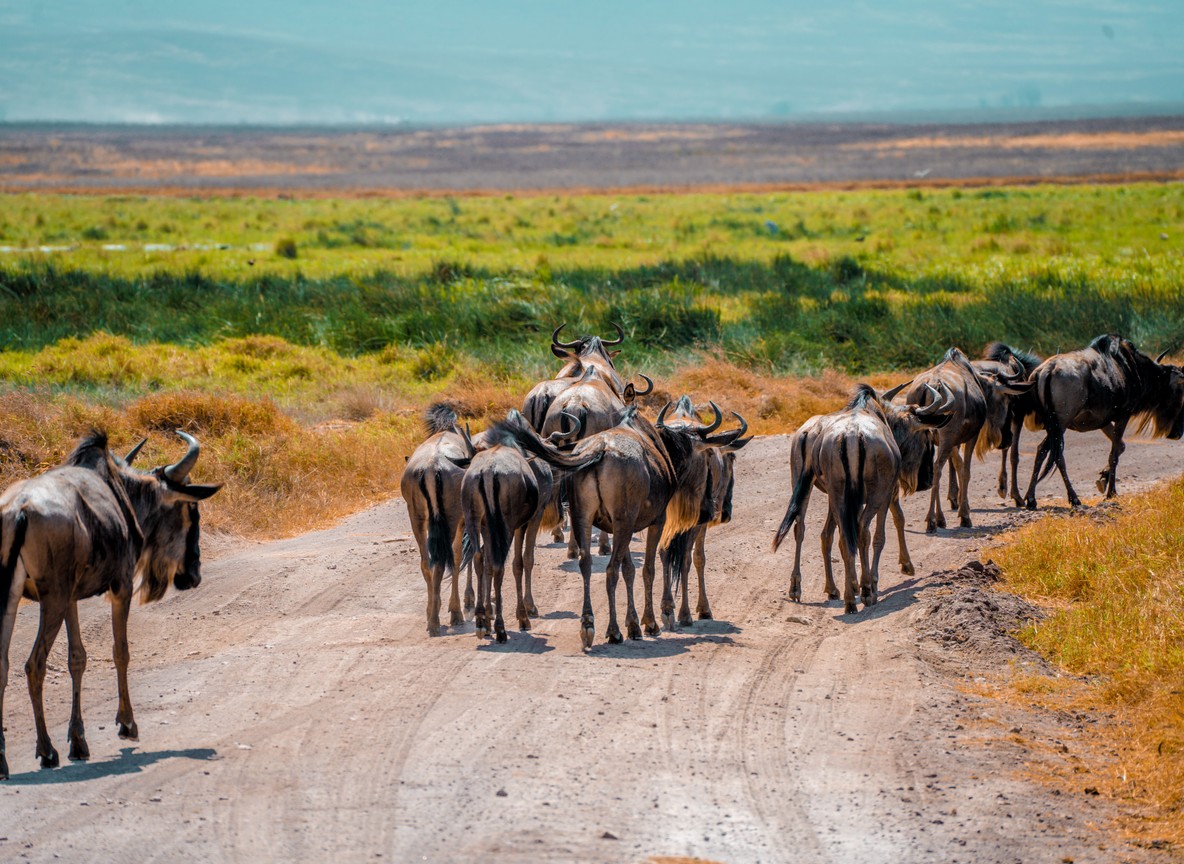
Every super tusker death removes a breeding male carrying a rare genetic line from the population. Conservationists at ATE and the Kenya Wildlife Service (KWS) track these bulls individually, monitoring their movement corridors between Amboseli, the Chyulu Hills, and community conservancies like Kimana and Selenkay. When a bull like One Ton Tusk dies of natural causes at an advanced age, it is a normal part of an elephant’s life cycle. When super tuskers die younger, from poaching, human-wildlife conflict, or trophy hunting across the Tanzania border, it directly threatens whether the trait survives in the wild at all.
This is also why Amboseli’s community conservancies matter so much to elephant survival. Bulls like One Ton Tusk do not stay inside the park boundary. They range across Kimana Sanctuary, Selenkay Conservancy, and Kitirua Conservancy, land that is only protected because Maasai landowners receive tourism revenue for keeping it open as wildlife habitat instead of converting it to farmland. Every safari booking that includes a conservancy stay puts direct income behind that protection.
Amboseli’s Super Tuskers: Recent Losses at a Glance
| Bull | Notable For | Status |
|---|---|---|
| Tim | One of the last recognized “hundred-pounder” tuskers of his generation | Died 2020, natural causes, estimated age 50 |
| Craig | Frequently photographed near Kimana, tusks nearly reached the ground | Died 2022, natural causes |
| Tolstoy | Survived a spearing in 2018, remained a dominant bull for years after | Died 2023, natural causes |
| One Ton Tusk | Carried an estimated 45 kg per side, part of a core Amboseli bloodline | Died 2026, second super tusker lost this year |
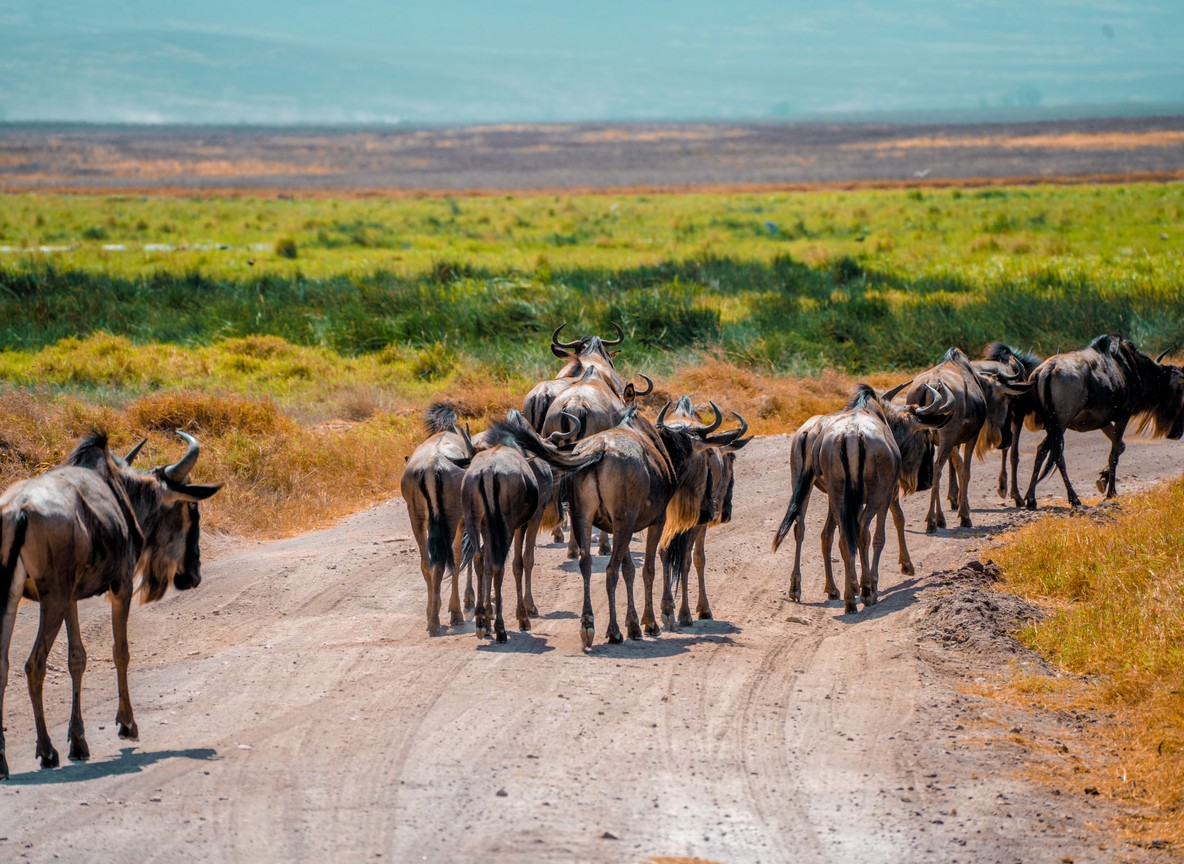
Seeing this table laid out is sobering. Amboseli has lost four of its most recognized super tuskers in roughly six years. Researchers stress that most of these deaths were natural, tied to old age in bulls that lived long, largely undisturbed lives, which is itself a conservation success story. But the pace of loss makes it clear why protecting the surviving bulls and their habitat corridors is urgent work, not a someday project.
Where to See Amboseli’s Remaining Super Tuskers
Travelers who want to witness these elephants responsibly should build a trip around the areas where sightings are most consistent, and around lodges that support conservation directly.
| Property | Location | Style | Why It Matters for Elephant Viewing |
|---|---|---|---|
| Tortilis Camp | Kitirua Conservancy | Luxury tented | Private conservancy access, funds community land protection |
| Ol Tukai Lodge | Inside the park, near the swamps | Mid-range to premium | Closest lodge to the main swamp elephant gathering zones |
| Amboseli Serena Safari Lodge | Inside the park | Mid-range | Kilimanjaro views, close to Enkongo Narok swamp |
| Satao Elerai | Elerai Conservancy | Luxury tented | Borders the park, strong elephant corridor sightings |
| Kibo Safari Camp | Near Kimana Gate | Budget to mid-range | Closest access to Kimana Sanctuary elephant corridor |
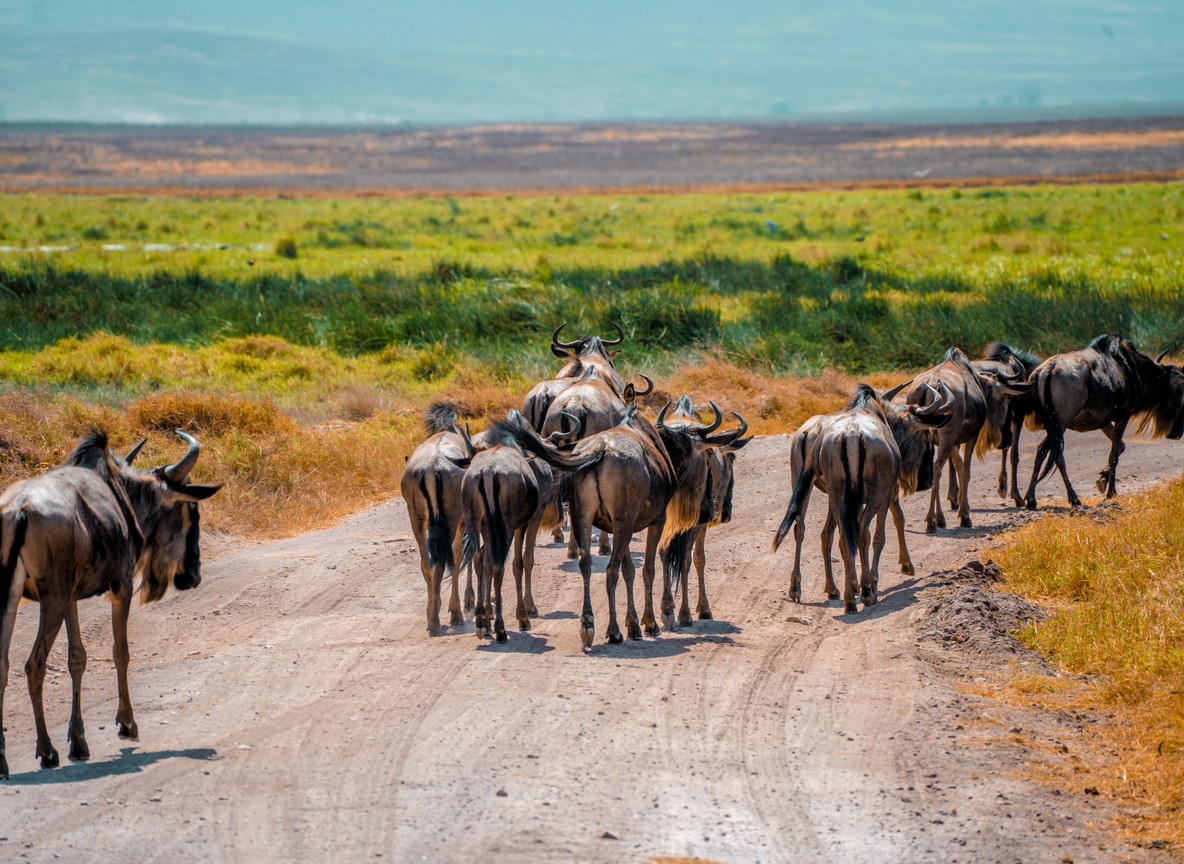
Dawn and late afternoon game drives near the Enkongo Narok and Olokenya swamps give the best chance of seeing large bull elephants, including any of Amboseli’s remaining super tuskers, feeding in the open grass with Kilimanjaro as the backdrop.
The dry season months, roughly June through October and January through February, offer the clearest Kilimanjaro views and the most predictable elephant movement, since herds concentrate around the permanent swamps when surrounding water sources dry up. Photographers chasing the classic shot of a big bull silhouetted against the mountain should plan for early morning light, before the afternoon cloud typically settles over the peak. Bring a telephoto lens of at least 300mm if you want tight portraits of tusks and facial detail without disturbing the animals, and always keep a respectful distance from any bull showing signs of musth, a hormonal state that makes large males considerably more unpredictable.
The Trunktrails Advantage
Trunktrails Safaris is a Kenyan-owned tour operator built by people who grew up around these landscapes, not a booking platform reselling other companies’ itineraries. When we plan tours and safaris to Amboseli, we prioritize conservancy stays over park-only itineraries wherever it fits your budget and dates, because that is where tourism revenue does the most good for elephant corridors like Kimana and Selenkay.
Our guides track which bulls are currently active in which part of the ecosystem, working directly with community rangers and researchers on the ground. We do not promise a super tusker sighting on any single trip, because responsible operators never guarantee wildlife behavior, but we do build itineraries around the times and locations where sightings are genuinely most likely. Trunktrails Safaris also works with conservancy partners whose fees fund the anti-poaching and human-wildlife conflict teams protecting Amboseli’s remaining bloodlines. When you book tours and safaris through Trunktrails Safaris, part of what you are paying for is that protection.
We have watched the Amboseli elephant story unfold for years, from Tim’s death in 2020 through One Ton Tusk’s loss this year, and we believe travelers who understand this context get more out of their time in the park. A guide who can explain why a particular swamp holds more bulls in July, or which family group a young male recently split from, turns a game drive into something closer to the research work ATE has done here since 1972.
Plan a Trip That Supports Amboseli’s Elephants
Kenya’s super tuskers do not have unlimited time left, and neither does the habitat that keeps them alive. If you want to see Amboseli’s elephants while supporting the conservancies protecting their corridors, Trunktrails Safaris can build a tailored itinerary around the current best sighting areas, from Ol Tukai’s swamp frontage to Tortilis Camp’s private conservancy access.
Further reading
More safari planning resources
- Map of Amboseli from Valley Safaris
- Amboseli National Park guide on Touring Insights
- Amboseli destination guide on FindMySafari
- Big Five safari collection on FindMySafari
Message us on WhatsApp at +254 113 208888 or email info@trunktrailssafaris.com to start planning. Tell us your travel dates and we will map an Amboseli route around where the elephants are moving right now. 🐘