
Masai Mara in May: Budget Rates, Baby Animals, and the Green Season Advantage 🌍
The Masai Mara in May is one of the most underrated safari experiences in Kenya. The long rains are easing, the savannah is a vivid green, and the reserve is quiet enough that you can hear a lion yawn 50 metres from the vehicle. At Trunktrails Safaris, we send families and budget-conscious travellers here every May, and they come back saying the same thing: they had no idea it could be this good without paying peak-season prices.
Park entry fees sit at $100 per adult per day in May, exactly half the $200 rate that kicks in from July. Camp tariffs follow the same logic, with many properties dropping 30 to 50 percent from their peak rates. If you have been watching Masai Mara safari costs and wondering when to strike, this is your month.
What Is the Masai Mara Like in May?
The Masai Mara in May is calm, green, and deeply rewarding. By mid-month, the heavy afternoon showers give way to clear mornings and spectacular light. The reserve covers 1,510 km², and in May you can drive for hours without seeing another vehicle.
Tracks inside the reserve can be muddy after rains, especially near the Mara River and Talek River areas. Conservancies like Naboisho and Olare Motorogi hold up better in wet conditions, since they carry fewer vehicles and manage their tracks more carefully.
The atmosphere in May shifts noticeably. Elephant families linger at waterholes longer. Buffalo herds spread across open plains without any pressure to move. Topi and hartebeest stand on termite mounds watching the same horizon they have watched for years. This is the Mara without the performance: just the ecosystem doing what it has always done.
What Wildlife Will You See in the Masai Mara in May?
Resident wildlife is the story in May. The Masai Mara has more lions per square kilometre than most protected areas in Africa, and they do not go anywhere in the off-season. 🦁 Leopards, cheetahs, and large elephant herds move freely between the reserve and the surrounding conservancies year-round.
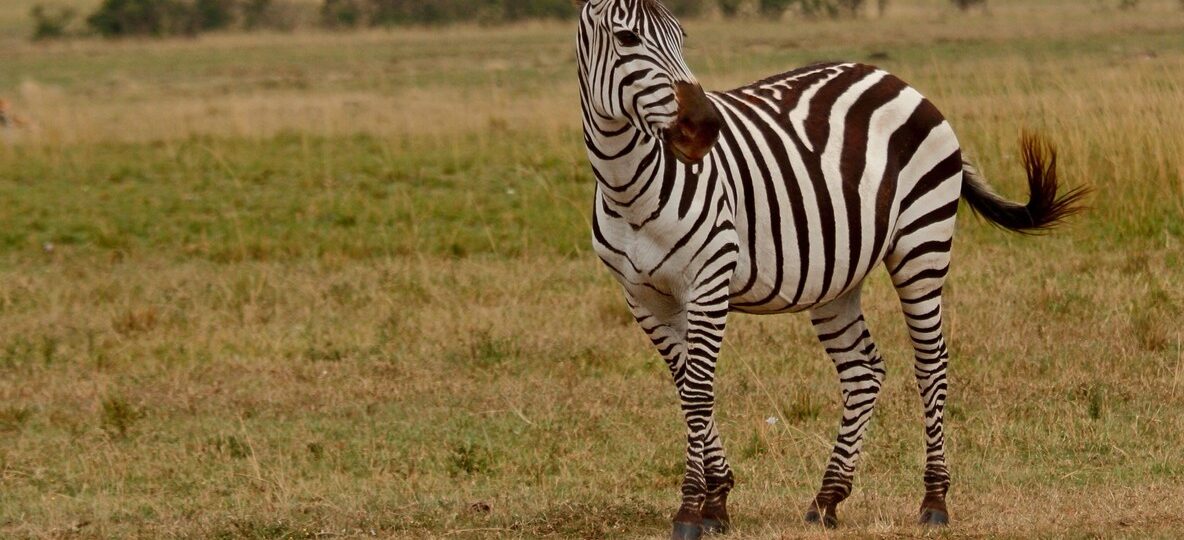
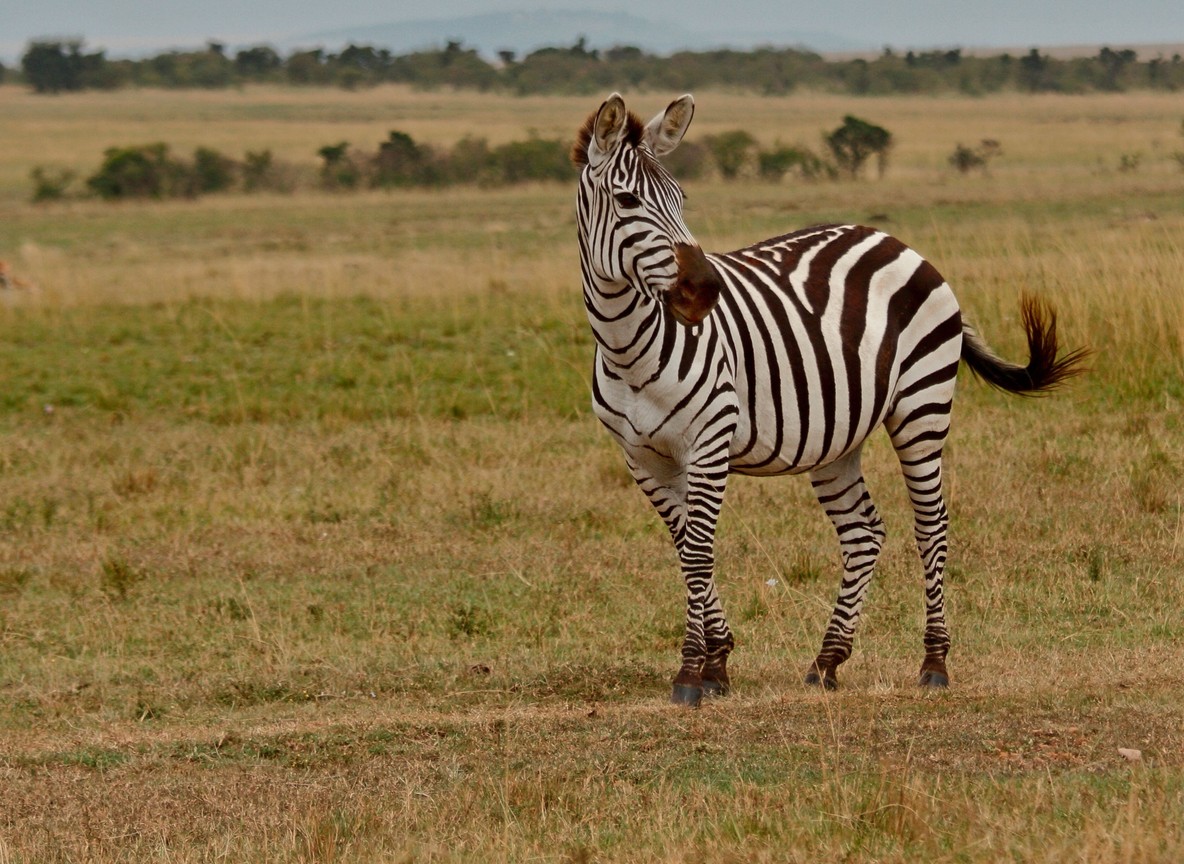
May also produces some of the best baby animal sightings of the year. Many antelope species calve between February and April, so by May the youngsters are two to three months old: curious, still a little wobbly, and magnetic for predators. Topi calves, wildebeest calves, zebra foals, and Thomson’s gazelle fawns create a feeding frenzy for the Mara’s big cat population.
Wildlife presence in the Masai Mara during May:
| Species | May Presence | Where to Look |
|---|---|---|
| Lions | Excellent | Mara River banks, Musiara Marsh, Olare Motorogi |
| Leopards | Good | Riverine forest along Talek and Sand rivers |
| Cheetahs | Good | Open plains of Ol Kinyei and Olare Motorogi |
| Elephants | Excellent | Musiara Marsh, Mara Triangle, Naboisho |
| Cape buffalo | Excellent | Mara Triangle and northern riverine zones |
| Hippos | Excellent | Mara River and Talek River |
| Wildebeest | Building | Scouts in conservancies late May; main herds still in Serengeti |
| Migratory birds | Outstanding | Over 450 species recorded; migrants still present |
Has the Great Migration Reached the Mara by May?
No, and that is not a problem. The 1.5-million-strong wildebeest herds are still in Tanzania’s Serengeti in May, moving northward through the central and western corridors. They typically cross the Mara River in serious numbers from late June or July onward. The mass crossings that attract the largest crowds happen in August and September.
What you will see in May is the advance scouts: small columns of wildebeest entering via the Mara Triangle and Olare Motorogi Conservancy, testing the new-season grass. For guests who have witnessed a crossing before, or who want to avoid the convoys of 20 vehicles parked at the riverbank every morning, May is a revelation. For first-timers who want the Masai Mara experience without booking 12 months ahead, May gives you the same landscape, the same big cats, and the same sunset silhouettes, at a fraction of the cost.
For a full timeline of when each stage of the migration arrives in Kenya, see our guide on the best time to visit the Masai Mara.
What Is the Weather Like in the Masai Mara in May?
May sits at the tail end of the long rains. Morning game drives are typically crisp and clear, with afternoon showers building from around 2 PM. Temperatures range from 14°C at night to 26°C by mid-morning. The landscape is at its most lush, which creates extraordinary photographic conditions.
The Mara sits at around 1,500 m above sea level, which keeps temperatures comfortable year-round. Pack a fleece for early-morning drives and a light waterproof layer for afternoon sessions.
May weather at a glance:
| Condition | May Average |
|---|---|
| Daytime high | 24-26°C |
| Nighttime low | 13-15°C |
| Monthly rainfall | ~130-170 mm |
| Best game drive window | 6:00 AM – 12:00 PM and 4:00 PM – 7:00 PM |
| Morning visibility | Excellent |
| Afternoon conditions | Cloud build-up; possible showers from 2 PM |
How Much Does a Masai Mara Safari Cost in May?
This is where May gets interesting. Park fees for non-resident adults inside the Masai Mara National Reserve are $100 per person per day from January through June. From July, fees double to $200. Children aged 9 to 17 pay $50 per day; children under 8 enter free.
One detail many travellers miss: the $100 or $200 fee covers a 12-hour window (roughly 6 AM to 6 PM), not a full 24 hours. Overnight guests inside the reserve pay the next day’s fee from midnight onward.
Camp rates in May are the lowest of any wildlife-rich month in the Mara. The comparison below shows indicative green-season versus peak-season camp rates per person per night on a full-board basis:
| Camp Category | May Indicative Rate | Peak Rate Jul-Oct (Indicative) |
|---|---|---|
| Budget tented camp | $150-280 | $250-450 |
| Mid-range tented lodge | $300-500 | $500-800 |
| Premium conservancy camp | $550-850 | $900-1,400 |
| Ultra-luxury private concession | $900-1,500 | $1,500-2,500+ |
All rates indicative. Confirm current tariffs with Trunktrails Safaris for your specific travel dates.
A 3-night Masai Mara trip for a family of four in May typically costs $2,800-$4,500 all-inclusive at mid-range level, versus $5,000-$8,000 for the same itinerary in August. See our budget Kenya safari planning guide for a full breakdown of how to build a trip by budget tier.
Which Masai Mara Camps Offer the Best Value in May?
The camps that deliver the best May value fall into two groups. First, reserve-based lodges with reliable infrastructure, such as Ashnil Mara Camp near the Talek River and Mara Sopa Lodge near Oloolaimutia Gate. Second, conservancy camps that run low vehicle density even in peak season, like Basecamp Masai Mara on the Talek River and Basecamp Wilderness in Naboisho Conservancy. 📸
Both groups cut rates in May, but conservancy camps offer an extra advantage: off-road driving, night drive, and bush-walk permissions are in force year-round, and in May you have those experiences with no competition for guide time.
For families visiting in May, we typically recommend camps within 10 km of a main gate to reduce internal transfer time on potentially muddy roads. Sekenani Gate (270 km from Nairobi, the most common entry point) and Talek Gate both offer good accommodation clusters across price points. For a year-round camp comparison, our guide to the best Masai Mara camps for the wildebeest migration includes properties that deliver exceptional value in May.
Is May a Good Time for Photography in the Masai Mara?
May is arguably the best month for photography in the Mara. Green-season light has a quality that mid-dry-season haze destroys: soft, diffused morning skies, dramatic storm clouds building by noon, and golden-hour evenings that stretch past 6:30 PM. Animals stand in tall green grass, which forces tighter compositions. Predator action is elevated because calves and foals are still easy targets.
Fewer vehicles at sightings make an enormous difference. In August, a leopard in a tree draws 20 vehicles within 10 minutes. In May, you may have three. That changes how you photograph and how you feel about the experience.
Wildlife photographers who deliberately skip the July-October peak tell us the green season is a considered choice, not a fallback. If you are building a photography-focused trip on a careful budget, our guide on affordable Kenya safari options covers how to structure a value-driven itinerary that keeps image quality as the priority.
How Do You Get to the Masai Mara in May?
By air: The most comfortable option for families. Scheduled flights depart Wilson Airport in Nairobi (WIL) to the Mara airstrips: Keekorok, Mara Serena, Ngerende, Ol Kiombo, and Musiara. Flight time is 45 to 50 minutes with SafariLink or Air Kenya. Expect to pay $150-$250 per person each way (indicative; book early, as small aircraft fill quickly).
By road: Nairobi to Sekenani Gate is approximately 270 km via the B3 highway through Narok Town. Drive time is 5.5 to 6.5 hours depending on Narok traffic. The road is tarmacked to within 20 km of the gate, after which a murram section can be heavy if May rains have been strong. A 4WD or high-clearance vehicle is strongly recommended for May travel.
For families with young children, or travellers who want a relaxed start, a fly-in package removes road logistics entirely. Trunktrails Safaris coordinates both road and fly-in tours and safaris for every budget tier.
What Are the Advantages of the Mara Conservancies in May?
The Masai Mara ecosystem includes private conservancies surrounding the national reserve. These form critical wildlife corridors and offer experiences the reserve cannot match. In May, they give you three things unavailable in July: space, silence, and flexibility.
Mara Naboisho Conservancy (~145 km², established 2010): Run by around 600 Maasai landowners, Naboisho limits vehicle numbers strictly and permits night drives, bush walks, and off-road tracking. May rates at its 8 to 9 camps run 30 to 40 percent below August tariffs.
Olare Motorogi Conservancy (~33,000-35,000 acres): Borders the northern reserve and is the first entry point for migrating wildebeest scouts in late May and June. In peak months, camp numbers create demand for the same sightings. In May, you often have entire plains to yourself.
Ol Kinyei Conservancy (~18,500 acres, established 2005): Accessed via Ol Kiombo airstrip, Ol Kinyei hosts one of the highest lion densities in Africa, a finding from the Oxford-led Mara Lion Project (Conservation Biology, 2016). In May, the lions are as numerous as any month, and you will not share a sighting with 15 other vehicles.
What Is the Trunktrails Advantage?
Trunktrails Safaris is a native Kenyan-owned operator based in Nairobi. When you book a May tour with us, you are not going through an international platform with a markup built in. You are talking directly to a team that has driven every gate, slept in every camp category, and watched green seasons reshape what clients expect from the Mara.
Every itinerary we build is designed around your group, not around what is easiest for us to sell. A family of four with a $3,000 total budget and a retired couple with $5,000 each get the same quality of attention and the same honesty about what May in the Mara delivers.
Our conservation commitment: 5 percent of every booking goes toward wildlife conservation in the communities surrounding our safari areas. You visit, the ecosystem benefits, and the Maasai landowners who make the conservancies viable see a return.
No middlemen. No third-party agencies. When a flight is delayed, a track floods, or you want to change a camp, you have a direct line to us around the clock. Kenya tours and safaris work best with a local partner who is genuinely invested in how your trip goes. We are that partner, and our honest first-hand knowledge of May in the Mara is available to every guest at every price point.
Ready to Book Your Masai Mara May Safari?
May in the Masai Mara is not a compromise. Park fees at $100 per day, camp rates at 30 to 50 percent below peak, resident lions and cheetahs performing at their best, and no queues at the Mara River. Tell us your travel dates, your group size, and your budget, and the team at Trunktrails Safaris will build the itinerary that fits.
Our Kenya tours and safaris go out every month of the year. May is where we quietly recommend the Mara most.
Further reading
More safari planning resources
- Interactive Maasai Mara map from Valley Safaris
- Maasai Mara National Reserve guide on Touring Insights
- Masai Mara destination guide on FindMySafari
- Best time to visit Kenya month-by-month map from Valley Safaris
📞 WhatsApp: +254 113 208888 📧 Email: info@trunktrailssafaris.com 🌐 Website: https://trunktrailssafaris.com