Budget Kenya Safari: How to Plan a 7-Day Wildlife Trip Without Compromise
The lions do not check your hotel star rating before they cross the road. The elephants do not care whether you are sleeping in a tent or a lodge. A budget Kenya safari gives you access to the same wildlife, the same ancient landscapes, and the same spectacular game drives as any higher-budget trip. What it requires is honest planning and the right operator.
This guide walks you through a realistic 7-day budget Kenya safari, day by day. You will see exactly what “budget” means in the Kenyan safari context, which accommodation tier suits your needs, and how to stretch your shillings without shrinking the experience. Whether you are planning a budget family safari in Kenya, a couples getaway, or a group adventure, this itinerary gives you a practical foundation to start from. 🌍
What Does “Budget” Actually Mean on a Kenya Safari?
“Budget” in the safari world is not one-size-fits-all. In Kenya, it typically means prioritising wildlife access and guide expertise over accommodation luxury. The core experience – the game drive, the wilderness, the animals – stays intact. What changes is the setting around it.
Here is a clear breakdown of the main variables.
Lodge vs. Camping: The Real Cost Difference
A budget lodge inside or near a national park gives you a private room, a bed, and usually three meals per day. The facilities are clean and functional. You are there to be in the bush at dawn, not to linger by an infinity pool.
Budget camping safaris in Kenya go a step further. Public Kenya Wildlife Service (KWS) campsites sit inside park boundaries, which means you fall asleep to the sound of hyenas and wake up with impala grazing at the treeline. The trade-off is basic facilities: a cold shower block, long-drop toilets, and your own tent. For travellers comfortable with that setup, budget camping safari Kenya options deliver an immersive wilderness experience at the lowest cost per night.
Tented budget camps occupy the middle ground. These are semi-permanent structures with camp beds, mesh walls, and shared bathrooms. They give you genuine bush immersion without full DIY camping. For most travellers booking budget safaris in Kenya, a tented camp or budget lodge is the sweet spot.
Shared 4×4 vs. Private Vehicle
On group joining tours, you share a 4×4 with other travellers. This significantly reduces the per-person cost of the vehicle and guide. It works well when group sizes stay small (typically four to six passengers) and the guide is excellent.
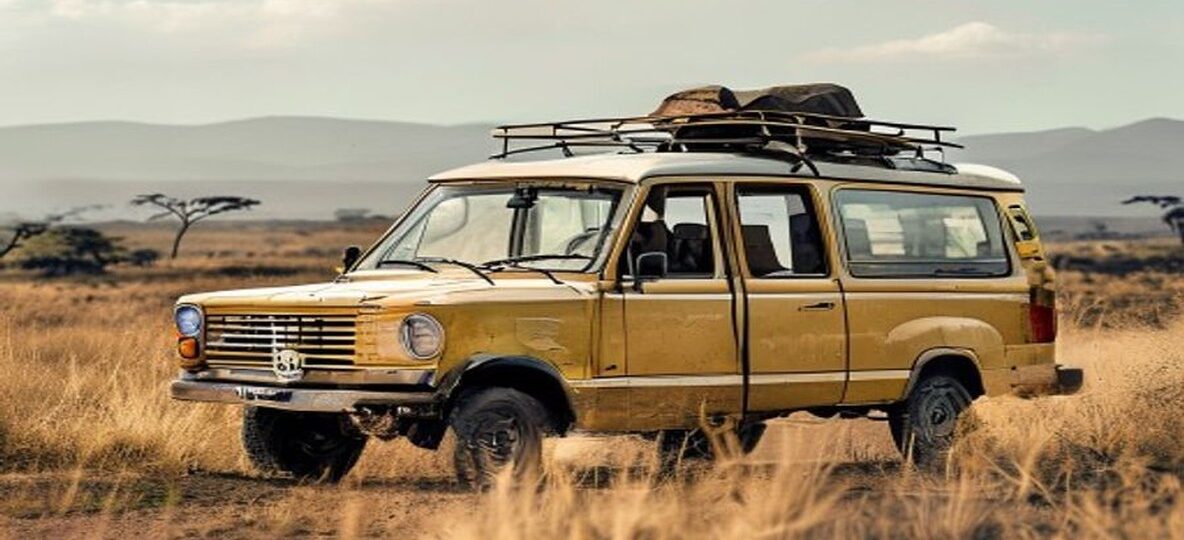
Trunktrails Safaris takes a different approach. Even at budget tier, every client travels in a private vehicle. That means the guide’s attention is entirely yours, game drive timing is flexible, and there is no friction when your group wants to stay longer at a leopard sighting. This is a meaningful differentiator among budget safari operators in Kenya.
Game Drives and Meal Inclusions Explained
Most budget Kenya safari packages include two game drives per day: an early morning drive (the most productive for predator activity) and an evening drive. A full-day drive is usually available as an optional add-on.
Meal inclusions vary by camp. Many budget lodges and tented camps include breakfast and dinner but charge separately for lunch. Bringing your own packed snacks for in-vehicle lunches is a reliable way to reduce daily costs without losing game drive time.
Your Sample 7-Day Budget Kenya Safari Itinerary
This itinerary runs Nairobi to Tsavo East to Amboseli, with an optional Masai Mara extension. It is designed for travellers who want strong wildlife across multiple ecosystems, manageable driving distances, and consistently excellent game viewing.
Day 1: Nairobi Arrival and Pre-Safari Briefing
Your guide collects you from your Nairobi hotel or JKIA airport. The afternoon includes a conservation briefing: your guide walks you through the parks you will visit, the wildlife you are likely to see, and what to expect from budget camping or lodge accommodation. This briefing is not a formality. It is your first real taste of the Trunktrails Safaris approach to conservation-led travel.
Overnight in Nairobi. Gear check and early departure confirmed for Day 2.
Days 2 and 3: Tsavo East – Red Elephants and Endless Savannah
Tsavo East is Kenya’s largest national park, and it is one of the best budget safaris in Kenya by value. It is less visited than the Mara, which means authentic game viewing with far less vehicle congestion at sightings. 🐘
The star residents are the famous red elephants. Their skin and tusks are stained the colour of rust by the iron-rich laterite soil they use for dust-bathing. Herds of up to 50 animals are common around the Galana River. Lions, cheetahs, and large concentrations of buffalo and zebra round out Tsavo’s wildlife picture.
Your two nights here use a budget tented camp or KWS banda accommodation near the Sala Gate or Voi area. Game drives run morning and evening. Read more about the park’s highlights and wildlife calendar in our Tsavo National Park guide.
Days 4 and 5: Amboseli – Elephants Against Kilimanjaro
The drive from Tsavo East to Amboseli takes three to four hours through dry acacia scrubland and Maasai pastoral land. Amboseli is compact compared to Tsavo, which makes it remarkably efficient for game viewing: almost everything you want to see is within reach of a half-day drive.
Amboseli’s signature is its elephant herds viewed against the snow-capped peak of Mount Kilimanjaro. On clear mornings, the combination is one of Africa’s most photographed scenes. The park also delivers strong sightings of lions, cheetahs, hyenas, Cape buffalo, and a superb variety of wetland birdlife around the Enkongo Narok swamp.
Budget accommodation in Amboseli ranges from KWS public campsites to a handful of well-positioned budget lodges on the park boundary. Two nights here gives you a full day of game drives plus an optional guided Maasai village visit with a community host.
Days 6 and 7: Optional Masai Mara Extension or Return via Nairobi
For travellers who want to add the Masai Mara, Days 6 and 7 can be restructured to include an overland transfer or a short flight to the Mara. The Mara adds significant wildlife diversity, and if your trip falls between July and October, the Great Migration river crossings are a genuine once-in-a-lifetime addition to any Kenya safari on a budget.
For travellers keeping to a strict budget, the return from Amboseli to Nairobi (three to four hours) on Day 6 allows an afternoon at the Nairobi Giraffe Centre or David Sheldrick Elephant Orphanage before a Day 7 departure. Either option gives you a satisfying, complete safari.
Read our detailed Masai Mara guide if you are considering the extension.
Budget Accommodation Tiers in Kenya
Understanding your options makes it easier to match accommodation to your travel style. Here is how the tiers break down.
Public Campsites (Most Affordable)
KWS public campsites sit inside national park boundaries. They have basic facilities: shared ablution blocks, fire pits, and occasionally a small camp kitchen. Wildlife walks through camp freely at night. Costs are low, and the immersion is total. Budget camping safaris in Kenya using KWS sites are the most authentic introduction to the bush, but they suit travellers comfortable with minimal facilities.
Budget Tented Camps
Semi-permanent tented camps with camp beds and basic lighting. Shared bathroom blocks are standard, though some camps have en-suite bucket shower arrangements. Meals are usually included. These camps typically sit just outside park boundaries and offer a genuine safari atmosphere at a fraction of lodge rates. The kenya tour budget safari market is largely served by this tier.
Budget Lodges
Permanent structures with private rooms, usually hot water showers and a restaurant. Decor is functional rather than luxurious. The quality of your guide and game drive experience matters far more than thread counts here, and that is where Trunktrails Safaris focuses its energy.
How to Stretch Your Budget Without Shrinking the Experience
Smart timing and a few practical habits make a real difference on a kenya budget safari.
Travel in shoulder season. April to June and November are Kenya’s quietest months for tourism. Park fees stay constant, but accommodation rates drop noticeably, and camp availability is much better. The long rains in April and May are usually intermittent rather than constant, and the bush is lush and green. Wildlife does not disappear in the rains – it moves, which makes tracking more interesting. This period is also ideal for budget camping safaris in Kenya because the cooler temperatures make tent life genuinely comfortable.
Use overland transfers for multi-park itineraries. Flying between parks adds cost quickly. The Nairobi to Tsavo East drive is under four hours on a tarmac road. Tsavo to Amboseli is a further three hours. For small groups and families, an overland approach keeps costs down and adds scenery, roadside wildlife, and the authentic feel of crossing Kenya’s landscapes.
Pack your own snacks and a refillable water bottle. Bottled water and snacks from lodge shops carry a significant markup. Picking up supplies in Nairobi before departure is straightforward and saves a meaningful amount over seven days.
Prioritise early morning game drives. The first two hours after sunrise are consistently the most productive for wildlife activity. If budget requires trimming drives, keep the mornings and consider skipping evening drives on days when sightings were excellent at dawn.
Budget vs Mid-Range Safari Kenya: What Changes and What Stays the Same
The budget vs mid-range safari Kenya question is one of the most common we hear. The honest answer is this: at mid-range, you gain private en-suite bathrooms, higher-quality food, smaller camp capacities (more personal service), and in some cases better-positioned camps closer to prime wildlife corridors.
What stays exactly the same: the wildlife, the national parks, the game drives, the guide expertise, and the fundamental experience of sitting ten metres from a lion with the engine off.
The minimum viable requirement for a great budget Kenya safari is a genuinely skilled guide in a well-maintained vehicle. That is non-negotiable. At Trunktrails Safaris, it is the baseline we start from on every tier. For a detailed comparison of what each tier delivers, see our Kenya safari tours and packages guide.
The Trunktrails Advantage on Budget Tours and Safaris ✨
Not all budget safari operators in Kenya are equal. Here is what sets Trunktrails Safaris apart at every price point.
Private vehicle, every time. On a budget Kenya safari with Trunktrails Safaris, you are never bundled into a stranger’s itinerary. Your vehicle, your schedule, your pace.
-certified guide. Every Trunktrails guide is a member of and holds a Kenya Wildlife Service certification. This is not standard across the budget safari operator market in Kenya.
Conservation briefings included. Every Trunktrails tours and safaris experience begins with a guide briefing that connects guests to the ecosystems they are visiting. On a budget trip, this context transforms a wildlife viewing session into an education you carry home.
Native Kenyan ownership and deep local expertise. Trunktrails Safaris was founded and is owned by Kenyans. Our guides grew up with this wildlife. They know the dry-season water points, the territorial ranges of specific lion prides, the best roadside stops for pack lunches, and which camp managers to call when your group needs something sorted. No middlemen, no booking platforms adding margin.
5% conservation contribution per booking. Every booking with Trunktrails Safaris contributes 5% to wildlife conservation. On a budget trip, that means your safari actively funds the landscapes you came to see.
These are the reasons travellers planning best budget safaris in kenya choose Trunktrails Safaris over generic aggregator packages. You get the full experience, not a stripped-back version of it.
Frequently Asked Questions About Budget Kenya Safaris
What is the cheapest time of year for a Kenya safari? April, May, and November are the most affordable months for a Kenya safari on a budget. These shoulder and off-peak periods offer lower accommodation rates and better availability, while wildlife remains abundant and actively trackable.
Is a budget Kenya safari worth it? Absolutely. The wildlife experience on a well-planned budget Kenya safari is genuinely world-class. The critical factors are guide quality and vehicle condition, not lodge star ratings. Trunktrails Safaris maintains the same guide standards across all budget tiers.
How much does a 7-day budget Kenya safari cost? Pricing varies depending on accommodation tier, season, group size, and park selection. Contact Trunktrails Safaris directly for a personalised quote. Reach our team on WhatsApp at +254 113 208888 or email info@trunktrailssafaris.com for a same-day response.
What is included in a budget Kenya safari package? Standard inclusions are: park entry fees, guide and vehicle, accommodation (lodge, tented camp, or campsite), specified meals, and game drives as per itinerary. Airport and hotel transfers are typically included. Always confirm inclusions with your operator before booking.
Can I do a budget family safari in Kenya with young children? Yes. A budget family safari in Kenya works well with children aged five and above. Tsavo and Amboseli are excellent family parks: manageable distances, reliable wildlife, and calmer environments than the busy Mara conservancies. Trunktrails Safaris can advise on child-appropriate itineraries and accommodation configurations.
What is the difference between budget camping safaris in Kenya and budget lodge safaris? Budget camping safaris in Kenya use KWS public campsites or semi-permanent tented camps inside or adjacent to park boundaries. They offer the deepest wilderness immersion at the lowest nightly cost. Budget lodge safaris use permanent structures with private rooms and more consistent facilities. Both options deliver excellent game viewing; the choice depends on your comfort preferences.
A Budget 7-Day Kenya Safari: The Numbers
A classic budget week links three contrasting parks by road, with park fees forming the unavoidable core of the cost.
| Days | Where | Highlight |
|---|---|---|
| 1-2 | Amboseli | Elephants, Kilimanjaro |
| 3-4 | Lake Nakuru or Naivasha | Rhino, flamingos, lake |
| 5-7 | Masai Mara | Big cats, migration in season |
| Park fees (7 days) | ~$400 to $700 pp | Fixed cost |
| Indicative total | ~$1,200 to $2,000 pp | Road, group, mid-budget |
Sharing a vehicle and using camps keeps a week’s Kenya safari affordable; the park fees are the part you cannot trim, so build the budget around them.
Further reading
Ready to Plan Your Budget Kenya Safari? 🌅
A well-planned budget Kenya safari is not a compromise. It is a deliberate choice to spend your money where it matters most: on wildlife time, skilled guiding, and real bush experience. Trunktrails Safaris has been building kenya budget safaris around exactly that principle since the company was founded.
Whether you are planning a budget family safari in Kenya, a group departure, or a budget Kenya and Tanzania safaris combination trip, we will build the itinerary around your timeline, your group, and your goals.
Contact Trunktrails Safaris to start planning:
WhatsApp: +254 113 208888 Email: info@trunktrailssafaris.com Website: https://trunktrailssafaris.com
| All budgets welcome.
About the Author
This post was written by the Trunktrails Safaris content team, led by native Kenyan guides and safari specialists with first-hand experience across Kenya’s national parks and conservancies. Trunktrails Safaris is based in Nairobi, Kenya. Contact us on WhatsApp at +254 113 208888 or at info@trunktrailssafaris.com.