
Maasai Warrior School Kenya: A Cultural Safari Kids Never Forget
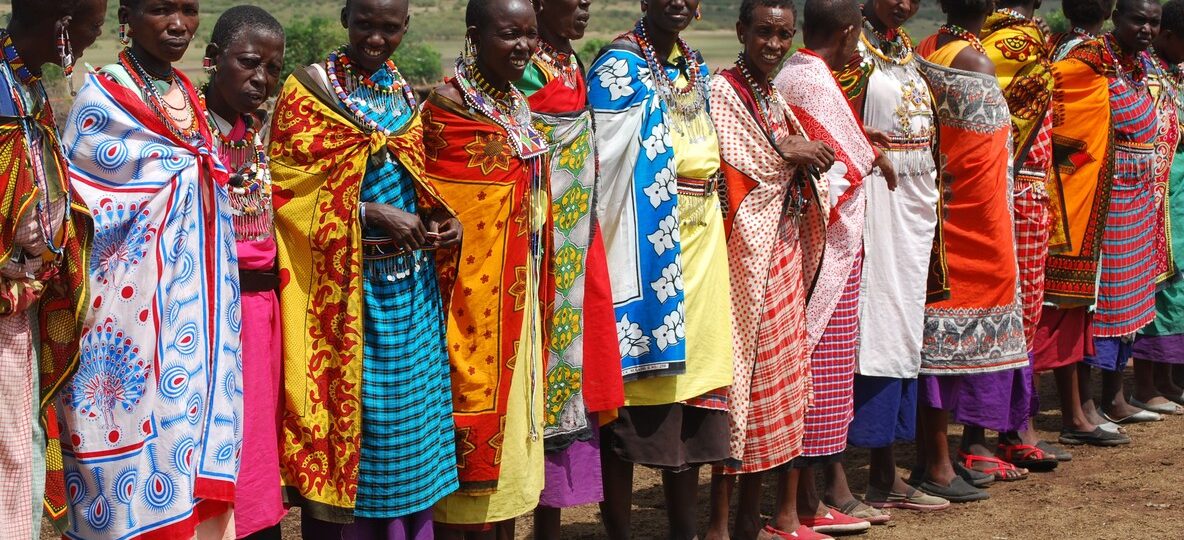
Ask a child what they remember from a Kenyan safari and the lions come first, but the story they retell for years is often the morning they learned to throw a spear beside a real Maasai warrior. A maasai warrior school in Kenya is a guided, hands-on cultural session where children step into the daily skills of a young moran: making fire without a match, reading animal tracks in the dust, stringing beads, and learning greetings in the Maa language. This guide explains what these sessions actually involve, which camps run them, what they cost, and how to build one into a family safari. 🌍
These are not staged performances behind a rope. The best programmes are led by Maasai guides on their own community land, and the fees flow straight back into the schools, clinics, and conservancies that make the whole experience possible. That is what turns a single morning into something children genuinely never forget.
What a Maasai Warrior School Actually Teaches Kids
A maasai warrior school in Kenya is built around real skills, not props. Sessions usually run for two to three hours in the morning or late afternoon, when the light is soft and the heat is gentle on younger children.
A typical programme moves through a set sequence. Children learn to make fire using a fire stick spun against a soft board, a skill that takes patience and rewards it with a real ember. They practise throwing a blunt training spear at a target, always under close supervision. They learn to identify tracks and droppings, working out which animal passed and how long ago. They try beadwork, where each colour carries meaning in Maasai culture, and they learn the adumu, the famous jumping dance, alongside the young warriors themselves.
Woven through all of it is language and story. Kids pick up greetings like “Sopa” and “Supa,” count to ten in Maa, and hear how a boy becomes a moran. For persona-minded parents, this is the “Who” of a safari made real: the people, the guiding, and the community your family engages with directly. ✨
Maasai Warrior Training for Kids: A Sample Morning
Structure matters with children, so the strongest camps run a clear, paced session. The sample below reflects how maasai warrior training for kids is commonly organised across Mara and Laikipia camps.
| Activity | What kids do | Rough time | Age note |
|---|---|---|---|
| Welcome and dressing | Greet the warriors, try a shuka and simple beadwork | 20 minutes | All ages |
| Fire making | Spin the fire stick to create an ember | 25 minutes | Best 6+ |
| Spear and bow skills | Throw a blunt training spear at a target | 30 minutes | Best 7+, close supervision |
| Tracking walk | Read tracks and plants on a short guided walk | 40 minutes | All ages, adult led |
| Adumu jumping dance | Learn and join the warrior jumping dance | 20 minutes | All ages |
| Beadwork and language | Make a bracelet, learn Maa greetings | 25 minutes | All ages |
Times are indicative and adjusted on the day for the age and energy of the group.
Best Places for a Maasai Cultural Safari in Kenya
A maasai cultural safari in Kenya works best on community conservancy land, where the programmes are run by the landowners themselves rather than staged for passing coaches. Two regions stand out: the Greater Maasai Mara conservancies and the Laikipia plateau to the north.
In the Mara, the Naboisho, Olare Motorogi, Mara North, and Ol Kinyei conservancies border the main reserve and are built on partnerships with Maasai families. Camps such as Basecamp Maasai Mara near Talek, Encounter Mara in Naboisho, Kicheche in Mara North, and Cottar’s 1920s Camp in the Olderkesi Conservancy all run family and cultural experiences with resident Maasai teams.
In Laikipia, the community-owned Il Ngwesi Lodge and the wider Loisaba and Lewa landscapes pair warrior skills with excellent family guiding and quieter roads. These northern options suit families who want fewer vehicles and a slower pace, and they are a core part of the family tours and safaris we run each season.
Maasai Village Visit Kenya vs Warrior School: Know the Difference
Parents often ask whether a standard maasai village visit in Kenya is the same as a warrior school. It is not, and the difference decides how memorable the morning will be.
| Feature | Quick village visit | Maasai warrior school |
|---|---|---|
| Length | 45 to 60 minutes | 2 to 3 hours |
| Style | Walk-through and market | Hands-on skills for kids |
| Led by | Village host | Maasai warriors and guides |
| Kids do | Watch and browse crafts | Make fire, throw spears, track |
| Typical fee | Indicatively USD 20 to 30 per person | Often included at conservancy camps |
| Where | Roadside near main reserve | Community conservancy land |
| Money flow | Mixed | Direct to community and conservancy |
Both have their place, and a short village visit can still be respectful and worthwhile. For children, though, the longer hands-on school is the one that sticks. Never treat a rushed roadside stop as the same experience; the depth is what earns the memory.
What It Costs and How to Get There
Honest numbers help families plan. A maasai warrior school itself is frequently included in the rate at conservancy camps, while the larger costs are conservancy fees, transport, and where you sleep. The table below sets out real distances, times, and indicative 2026 pricing from Nairobi.
| Detail | Maasai Mara route | Laikipia route |
|---|---|---|
| Drive from Nairobi | Roughly 270 km, about 5 to 6 hours | Roughly 250 km, about 4.5 to 5.5 hours |
| Fly from Nairobi | Wilson to Ol Kiombo or Musiara, about 45 minutes | Wilson to Nanyuki or a conservancy strip, about 45 to 60 minutes |
| Indicative return flight | USD 200 to 350 per person | USD 250 to 400 per person |
| Conservancy fee (2026) | Indicatively USD 100 to 130 per adult per day | Indicatively USD 80 to 120 per adult per day |
| Maasai Mara reserve fee (2026) | Indicatively USD 100 to 200 per adult per day | Not applicable |
| Warrior school | Usually included at conservancy camps | Usually included at community lodges |
Figures are indicative for planning only and must be confirmed at the time of booking, since park and conservancy fees change by season and residency status. Children’s rates are lower than adult rates almost everywhere, and many camps offer free or reduced stays for younger kids. 📸
Best Time and Age for a Family Safari in Maasai Mara
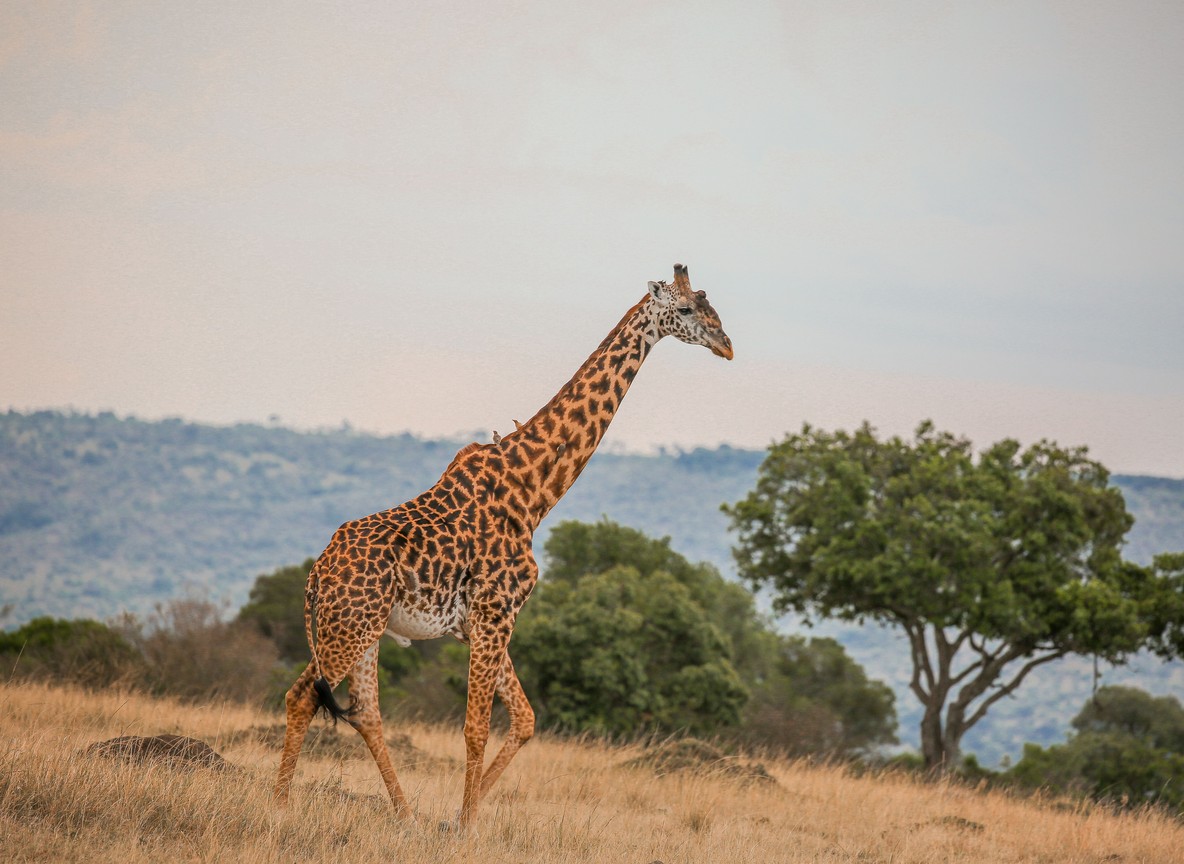
A family safari in the Maasai Mara runs well all year, but two windows are kindest for children. The long dry season from late June to October brings firm roads, easy game viewing, and the Great Migration crossing the Mara River. The shorter dry spell from December to March gives warm days, green country, and fewer vehicles on the conservancies.
On age, most camps welcome children from about five years old for the gentle parts of a warrior school, with spear and fire activities reserved for slightly older kids. Conservancies are the family-friendly choice because they allow walking, night drives, and off-road access that the main reserve restricts, so a warrior morning can pair naturally with a bush walk led by the same Maasai team.
Give the day room to breathe. A warrior school in the morning, a rest through the midday heat, and a short game drive at dusk is a rhythm that keeps children happy and parents relaxed.
The Trunktrails Advantage
Trunktrails Safaris is a Kenyan-owned operator, and Maasai partnership is the ground we stand on rather than a line in a brochure. We work directly with the conservancy camps that run genuine warrior schools, so your family is placed with a resident Maasai team on community land, not sold a rushed roadside stop on the way to the gate.
We match the programme to your children’s ages, from a gentle beadwork and jumping session for little ones to full spear and tracking mornings for teens. Because we run tours and safaris across the Mara and Laikipia in every season, our advice reflects current conservancy fees, current flight schedules, and which camps are genuinely good with kids right now, not last year’s list.
We also plan the whole day around the school, not just the hour. Trunktrails Safaris sequences flights, rest, and game drives so children arrive fresh and stay engaged, and we make sure your fees reach the community that hosts you. That blend of local ownership, honest planning, and real Maasai relationships is why families bring their tours and safaris to Trunktrails Safaris. 🦒
Plan Your Family’s Maasai Warrior School Morning
The best conservancy camps hold only a handful of tents, and the family rooms book out first in the dry season, so the morning your children learn to make fire beside a Maasai warrior rewards parents who plan ahead. If that is the memory you want them to carry home, start the conversation now and let Trunktrails Safaris hold the right dates and the right camp before they go.
Contact Trunktrails Safaris:
Further reading
- Maasai Mara Wildlife Conservancies Association
- African Wildlife Foundation
- Magical Kenya (Kenya Tourism Board)
More safari planning resources
- Interactive Maasai Mara map from Valley Safaris
- Maasai Mara National Reserve guide on Touring Insights
- Family safari collection on FindMySafari
- Masai Mara destination guide on FindMySafari
- WhatsApp: +254 113 208888
- Email: info@trunktrailssafaris.com
- Website: trunktrailssafaris.com
- Kenyan-Owned | Nairobi-Based | Family and Cultural Safari Specialists