Secret Season Safari Kenya: Why Shoulder-Month Travelers See the Best Wildlife
Most people book a Kenya safari for July, August, or Christmas, and they pay for the privilege of sharing every river crossing with a dozen other vehicles. A secret season safari Kenya trip flips that script. Travel in the shoulder months, the quiet weeks that sit either side of peak season, and you get emptier plains, softer light, lower rates, and wildlife that behaves as if the tourists have gone home. Because, mostly, they have. This guide shows you exactly when the secret season falls, what you actually see, and how to plan tours and safaris that make the most of it. 🌍
The idea is simple. Kenya’s animals do not check the tourist calendar. The big cats still hunt, the elephants still gather, and the birdlife explodes into colour in the very weeks when camps are half empty and prices drop. Smart travellers have quietly used this window for years. Here is how to join them.
What the Secret Season Actually Is
The secret season is the safari industry’s name for the shoulder and low-season months, the stretches that bracket the famous July to October migration peak and the December to February high season. In Kenya that mainly means the long rains of April and May, the short rains of November, and the quiet early weeks of June.
These are not washout months. Kenya sits on the equator, so rain tends to come in short afternoon bursts rather than all-day downpours. Mornings and late afternoons, the prime game-drive hours, are often clear and golden. The land turns green, the dust settles, and the whole country looks the way it does in the glossy brochures, minus the crowds that usually stand between you and the view.
The trade is straightforward. You accept a small chance of a wet game drive in exchange for space, silence, and value. For many travellers, especially those who have done a peak-season safari before, that trade is an easy yes.
Why the Wildlife Is Often Better
The counterintuitive truth of the secret season is that the wildlife viewing frequently improves. There are several reasons for this.
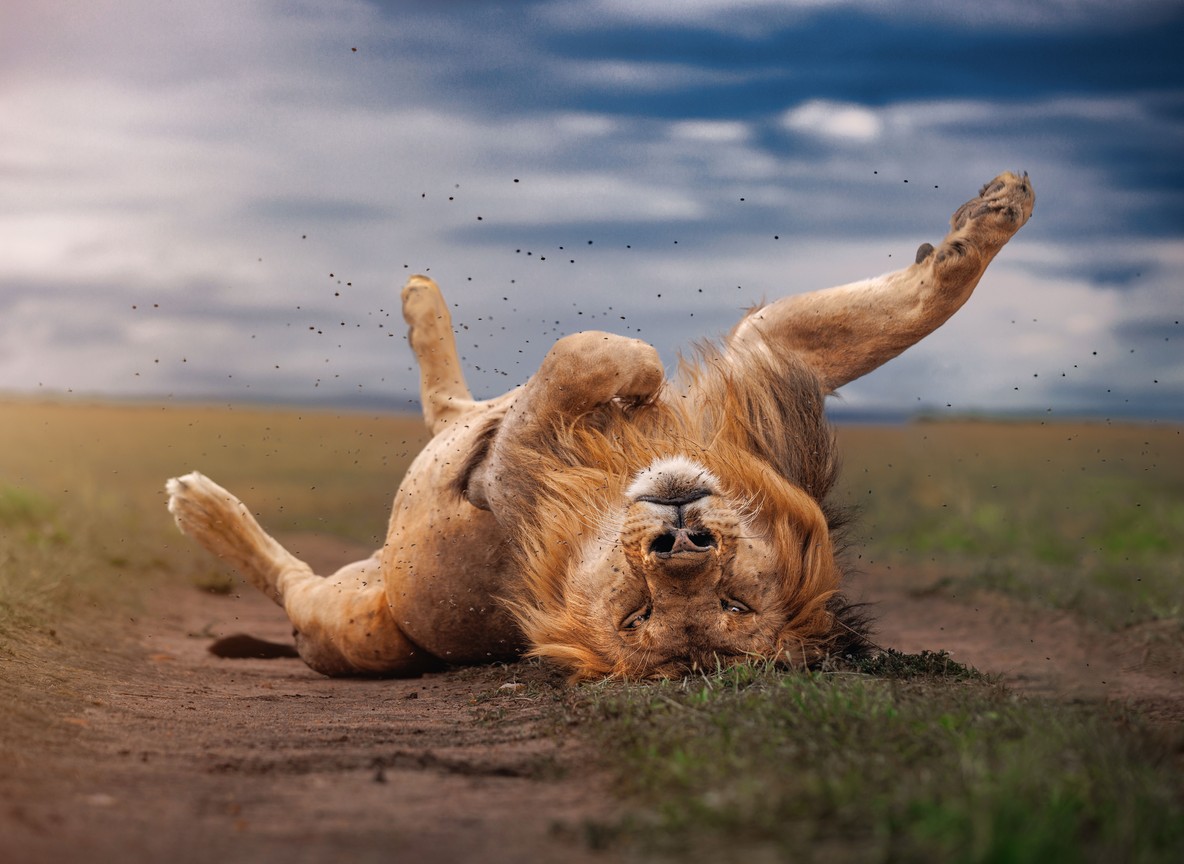
First, predators are easier to work. With fewer vehicles at a sighting, a lion pride or a cheetah on the hunt behaves naturally, and your guide can position without a queue. You often get a big cat entirely to yourselves, which almost never happens in August.
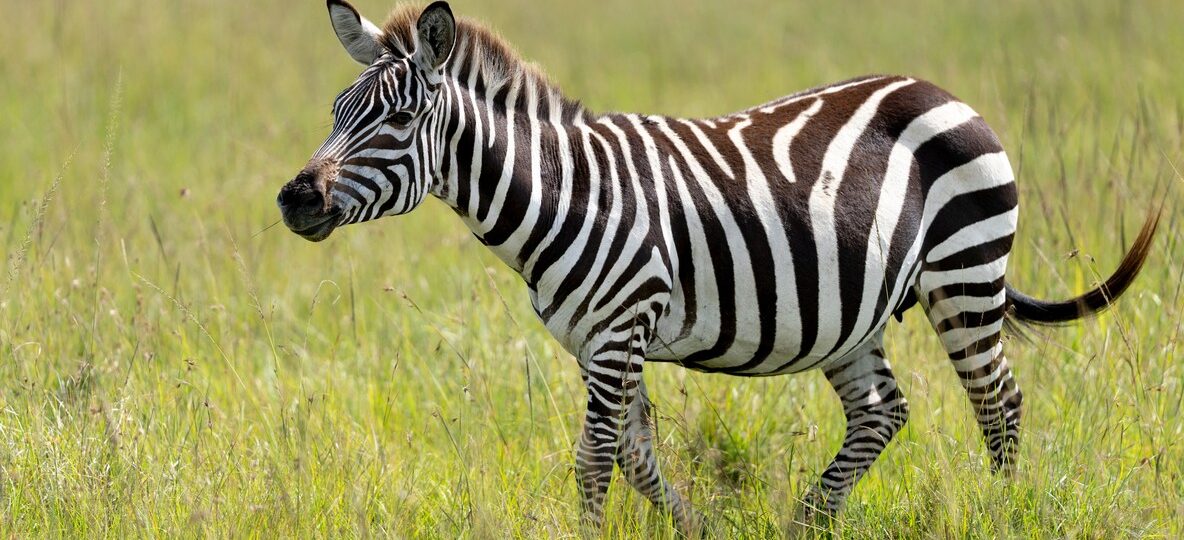
Second, the green season is birth season. The short and long rains trigger calving across the plains, and newborn wildebeest, zebra, and gazelle mean concentrated prey. Predators follow the nurseries, so lion, cheetah, and hyena action peaks exactly when the camps are quiet.
Third, the birding is spectacular. Migrant species from Europe and Asia arrive from November, breeding plumage comes out, and Kenya’s bird list swells past 1,000 species. For photographers and wildlife enthusiasts, the green backdrops and dramatic storm-light skies are worth the trip on their own. 📸
The Secret Season Month by Month
Here is how Kenya’s quiet windows break down, with the honest trade-offs for each.
- April and May (long rains): The deepest secret season and the lowest rates of the year. Landscapes are vividly green, rivers run full, and many camps offer their best discounts. Some remote camps close, but the ones that stay open are near empty. Best for value hunters and birders.
- Early June (shoulder): The rains ease and the land is still green, but crowds have not yet arrived for the migration. This is arguably the sweet spot, dry-ish conditions with secret-season pricing.
- November (short rains): Shorter, patchier rain than April. Excellent birding as migrants arrive, strong predator action, and a real dip in vehicle numbers between the October migration tail and the December holidays.
- Late January to February (dry shoulder): A hidden dry spell after the New Year rush. Warm, clear, and quieter than December, with fine general game viewing in Amboseli and the Mara.
Match the month to your priority. Chase the lowest price in April and May. Chase the best balance of weather and quiet in early June or November.
Fees, Distances, and Named Camps at a Glance
Numbers make the case clearer than adjectives. The table below shows indicative non-resident park fees for 2026, access details, and specific camps that stay open and offer green-season value. Treat all figures as a planning guide, since park charges and lodge rates change through the year.
| Park or reserve | Size | Access from Nairobi | Indicative non-resident fee | Named camp for secret season | Secret-season highlight |
|---|---|---|---|---|---|
| Masai Mara National Reserve | ~1,510 km2 | ~270 km, 5-6 hr drive; or 45-min flight to Keekorok airstrip | ~USD 100 pp/day | Governors’ Camp, Mara Serena | Empty plains, resident big cats, green calving |
| Amboseli National Park | ~392 km2 | ~240 km, 4-5 hr drive; or 45-min flight to Amboseli airstrip | ~USD 100 pp/day | Ol Tukai Lodge, Tortilis Camp | Kilimanjaro clear at dawn, big elephant herds |
| Samburu National Reserve | ~165 km2 | ~325 km, 6 hr drive; or fly to Samburu airstrip | ~USD 70 pp/day | Elephant Bedroom Camp, Sarova Shaba | Special Five species, dramatic green Ewaso Nyiro river |
| Lake Nakuru National Park | ~188 km2 | ~160 km, 2.5-3 hr drive | ~USD 60 pp/day | Sarova Lion Hill, Flamingo Hill | Flamingos, rhino, lush rift-valley scenery |
| Tsavo East National Park | ~13,747 km2 | ~330 km to Voi gate, 5-6 hr drive; or fly to Voi airstrip | ~USD 52 pp/day | Ashnil Aruba, Voi Wildlife Lodge | Red-dust elephants, huge space, near-zero crowds |
Together these five give you rift lakes, the Mara plains, elephant country, and the northern frontier, all reachable on tarmac or a short bush flight. In the secret season, the same circuit that feels busy in August can feel like a private reserve.
What You Save: The Value Case
The financial gap between peak and secret season is real and large. High-season rates at premium camps can sit anywhere from a third to more than half above their green-season equivalents. A camp charging around USD 900 per person per night in August may drop toward USD 450 to 600 in April or May, and the wildlife on your doorstep is the same or better.
Flights, transfers, and vehicle hire also ease off, and availability opens up. In peak season the best guides and rooms sell out months ahead. In the secret season you can often secure a top guide, a river-view tent, and a private vehicle at short notice, sometimes weeks rather than a year in advance.
The one honest caveat is the great migration river crossings, which cluster from roughly July to October in the Mara. If watching wildebeest pour across the Mara River is your single non-negotiable, the secret season is not your window. For almost every other safari goal, from big cats to elephants to birds, the quiet months win on value and often on quality.
How to Plan a Secret Season Safari
A few practical moves turn the secret season from a gamble into a reliably brilliant trip.
- Pick open, all-weather camps. Choose permanent lodges and camps on good access roads or near airstrips, so a wet spell never strands you. The named camps in the table above all run through the green months.
- Fly the tricky legs. Short bush flights from Wilson Airport skip muddy road sections and save hours. Flying into Amboseli or the Mara keeps the trip smooth even after rain.
- Go longer, not wider. With lower nightly rates, add a night rather than a park. Three nights in one reserve beats one night in three, and it lets your guide track specific prides and herds.
- Pack for warmth and wet. A light rain shell, a warm layer for cool green-season mornings, and a dry bag for cameras cover almost every condition you will meet.
Do these and the secret season stops feeling like a risk and starts feeling like the insider move it really is. Operators who run tours and safaris across these parks every green season know exactly which of these moves matters most for the month you choose.
The Trunktrails Advantage
Trunktrails Safaris is a Kenyan-owned operator, and the secret season is where local knowledge pays off most. We live here through every month, so we know which camps hold their standards in April, which roads flood and which stay firm, and where the big cats concentrate once the calving starts. A brochure cannot tell you that. This season, on the ground, we can.
Because we run tours and safaris across the Mara, Amboseli, Samburu, and the rift lakes year round, our secret-season advice reflects this month’s real conditions, not a generic calendar. We match you to camps that stay lively when others empty out, time your drives around current wildlife movement, and structure the route so a rainy afternoon becomes a long lunch rather than a lost day.
We are also candid about value. When you book a green-season trip with Trunktrails Safaris, we push for the genuine shoulder-season rates and the upgrades that come with a quiet camp, then put the saving back into more nights and better guiding. That is how you turn lower prices into a richer safari rather than just a cheaper one. ✨
Plan Your Secret Season Safari Now
The quiet months are Kenya’s best-kept safari secret precisely because so few people book them, and that window stays open only as long as the crowds stay away. If empty plains, calving-season predators, exploding birdlife, and rates that leave room for an extra night sound like your kind of trip, now is the moment to move. Tell Trunktrails Safaris which month you can travel, and let us build the secret-season route that puts you alone with the wildlife. 🦁
Contact Trunktrails Safaris:
Further reading
More safari planning resources
- Best time to visit Kenya month-by-month map from Valley Safaris
- Best time to visit Kenya on Touring Insights
- Great Migration safari collection on FindMySafari
- Wildebeest migration route map from Valley Safaris
- WhatsApp: +254 113 208888
- Email: info@trunktrailssafaris.com
- Website: trunktrailssafaris.com
- Kenyan-Owned | Nairobi-Based | Conservation-Led Safari Planning