Reteti Elephant Sanctuary Kenya: Africa’s Only Community-Run Elephant Orphanage
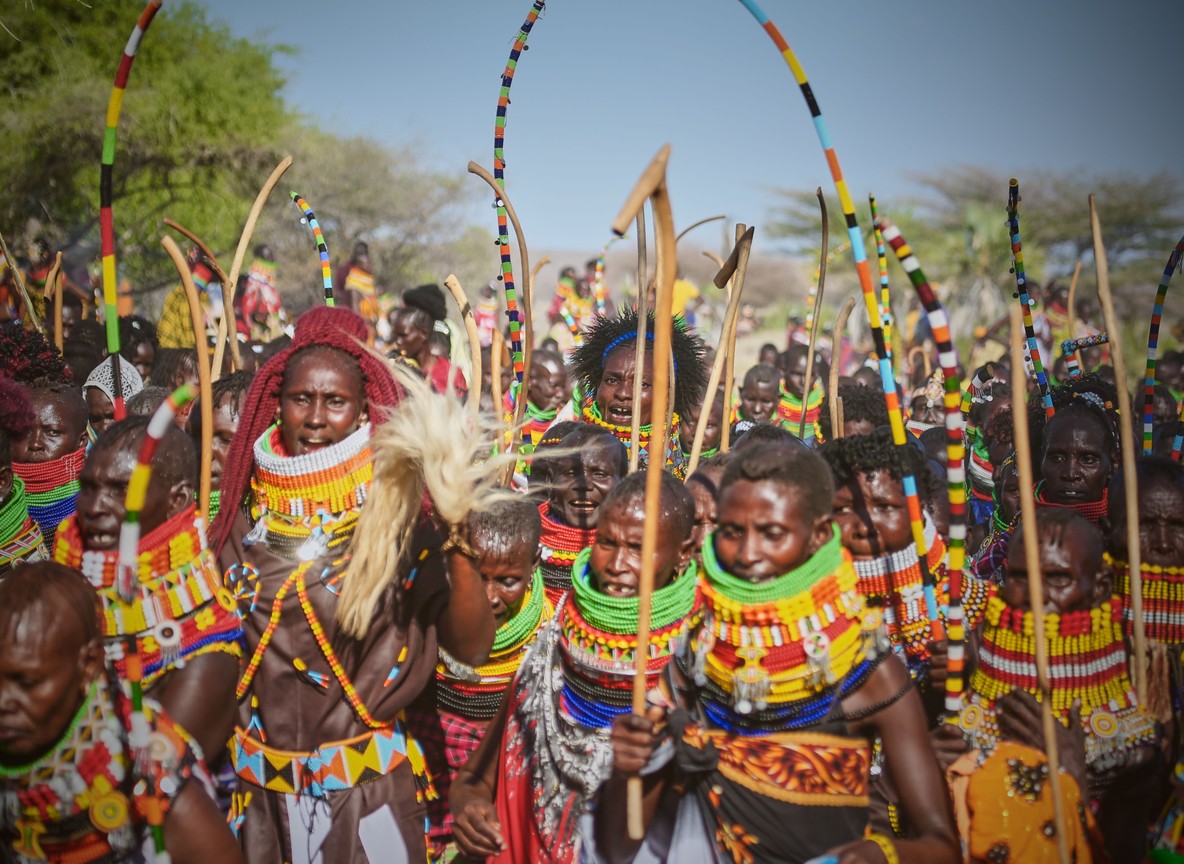
High in the rangelands of northern Kenya, below the Mathews Range, sits a place that changed how the continent thinks about wildlife rescue. Reteti Elephant Sanctuary is Africa’s first community-owned and community-run elephant orphanage, opened in 2016 and staffed by Samburu people who grew up on this exact land. This guide explains where the sanctuary sits, how a responsible traveller can actually visit, what it costs, and why a stop here is one of the most meaningful moments on any Kenyan safari. 🐘
Most elephant orphanages in Africa were built and run by outside organisations. Reteti Elephant Sanctuary flipped that model. The land, the leadership, and the keepers all belong to the local community, and the money that visitors bring flows straight back into the people and the wildlife of the north. That is what makes this destination different from anything else you can add to a trip.
Where Reteti Elephant Sanctuary Sits
Reteti lies inside the Namunyak Wildlife Conservancy in Samburu County, a vast community conservancy of roughly 3,400 square kilometres spread beneath the Mathews Range. This is dry, dramatic country, cut by seasonal rivers and dotted with acacia, a long way north of the classic Maasai Mara circuit.
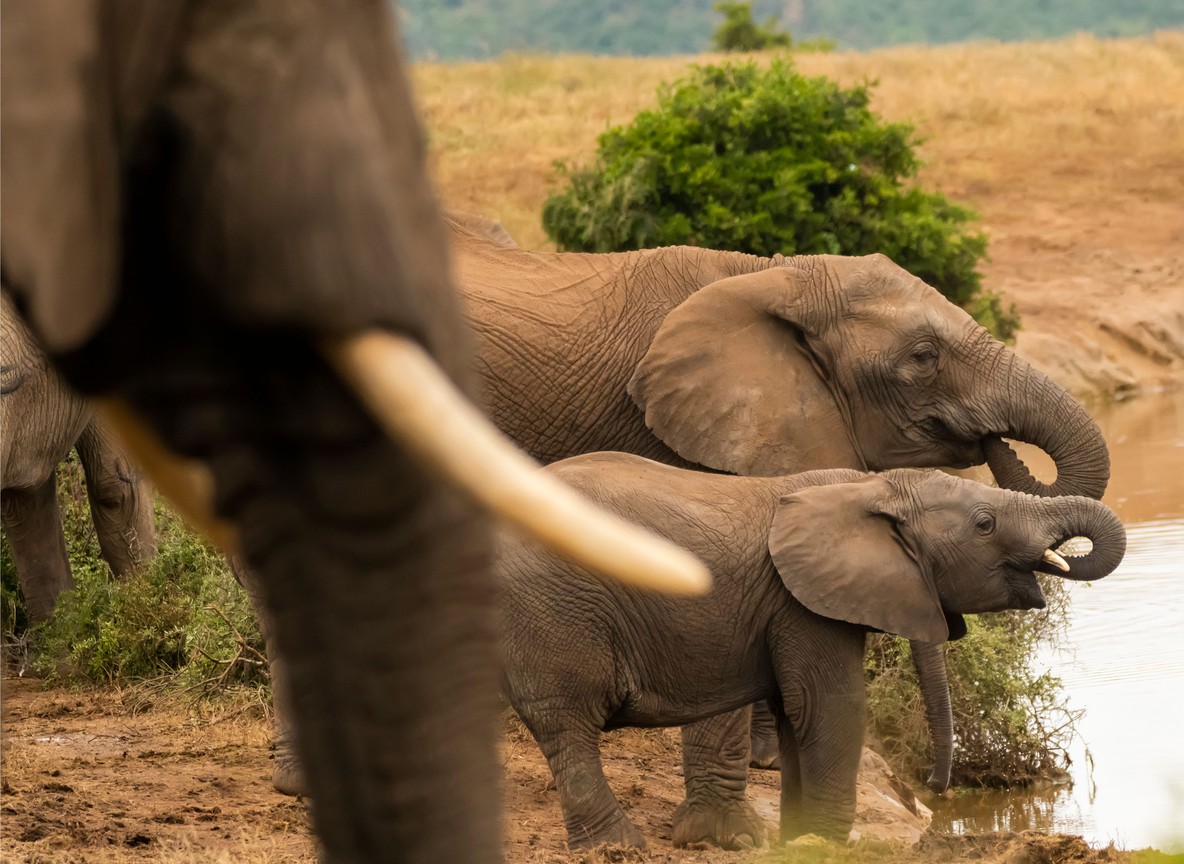
The sanctuary was established in August 2016 as a project of the Namunyak community, working within the wider Northern Rangelands Trust network of conservancies. Before Reteti opened, an orphaned or abandoned calf in this region had almost no chance. Now there is a place, staffed day and night, that can rescue a calf stuck in a well, separated from its herd, or orphaned by drought and poaching, then raise it and return it to the wild.
Reteti Elephant Sanctuary is not a zoo and not a tourist attraction in the usual sense. It is a working rescue and rewilding operation. Visits are limited, structured, and designed so that people can witness the work without disturbing the animals or their return to the herds that roam Namunyak and neighbouring Sera Conservancy.
What Makes Reteti the Only One of Its Kind
Three things set Reteti Elephant Sanctuary apart from every other elephant facility in Africa.
First, ownership. The community owns and governs the sanctuary. Decisions sit with local people, not a distant board, and the profits from tours and safaris that pass through here fund schools, water, and livelihoods across Namunyak.
Second, the keepers. Reteti trained and hired the first women elephant keepers in Kenya, a team often called the mamas. In a region where wildlife work was almost entirely male, this shifted both conservation and community expectations at the same time.
Third, the local supply chain. The orphan calves are raised on a milk formula, and the sanctuary sources goat milk from Samburu women in the surrounding villages. That single choice turns elephant rescue into household income for hundreds of families, and it ties the survival of the calves to the wellbeing of the community. 🌍
Reteti Elephant Sanctuary at a Glance
Use this quick-reference table when you are weighing whether to build the sanctuary into your route.
| Feature | Detail |
|---|---|
| Location | Namunyak Wildlife Conservancy, Samburu County, northern Kenya |
| Opened | August 2016 |
| Distinction | Africa’s first community-owned and community-run elephant orphanage |
| Governance | Namunyak community, within the Northern Rangelands Trust network |
| Conservancy size | Namunyak is roughly 3,400 km2 (about 850,000 acres) |
| Keepers | Includes Kenya’s first team of women elephant keepers |
| Nearest reserve | Samburu National Reserve, roughly 1.5 to 2 hours by road |
| Base camp for visits | Sarara Camp, inside Namunyak Wildlife Conservancy |
| Rescue focus | Orphaned and abandoned calves, later rewilded into Namunyak and Sera |
Figures are for planning only and should be confirmed at the time of booking.
How to Visit Reteti Elephant Sanctuary
Reteti is remote, and that is part of the point. You cannot simply turn up at the gate. Visits are arranged in advance and almost always run through Sarara Camp, the lodge inside Namunyak, or as a guided add-on to a northern Kenya safari. Access falls into two clear options, and the table below lays out the real journey from Nairobi.
| Route from Nairobi | How it works | Time | Indicative cost |
|---|---|---|---|
| Fly to Namunyak | Light aircraft from Wilson Airport to Kalama or the Namunyak airstrip, then a short road transfer | Flight roughly 1.5 hours, plus 30 to 60 minutes by road | Return flights indicatively USD 400 to 600 per person |
| Drive north | Tarmac to Isiolo and Archer’s Post, then rough road toward Wamba and Namunyak | Roughly 350 km, about 6 to 7 hours | Fuel and 4×4 hire vary by operator |
| Combine with Samburu | Pair a stay in Samburu National Reserve with a day transfer up to Reteti | Onward drive roughly 1.5 to 2 hours | Samburu park fee indicatively USD 70 per adult per day (2026) |
A visit to the sanctuary itself carries a contribution that supports the rescue work. Most travellers plan around the early feed, when the calves are brought out and the keepers explain each animal’s rescue story. Because slots are limited, the sanctuary asks that visits be booked ahead rather than treated as a drop-in. Never promise yourself a same-day visit; the calves and their routine come first.
The Best Time to Come
Northern Kenya has two dry seasons and two wetter spells, and each shapes both the roads and the rescue calendar. The long dry months from June to October and the shorter dry window from December to March give the firmest roads, the clearest light for photography, and the easiest flying conditions into the Namunyak airstrip. 📸
Drought years are painful but important to understand. When the rains fail, more calves are orphaned or abandoned, and the sanctuary fills. Rescue never stops, so there is no closed season for the work itself. For a comfortable visit, though, the dry months are kinder to travel plans, and they pair naturally with prime game viewing in Samburu National Reserve just to the south.
Whichever month you choose, treat the sanctuary as one anchor in a wider northern circuit rather than a single stop. The region rewards a slower pace, and the drive up should be part of the experience, not a chore to rush.
Building Reteti Into a Northern Kenya Safari
Reteti works best as the emotional heart of a three to five night journey through the north. A typical shape pairs two nights in Samburu National Reserve for reticulated giraffe, Grevy’s zebra, and gerenuk, then two nights in Namunyak around Sarara Camp with a morning at the sanctuary.
- Access: Fly Wilson Airport to Kalama or Namunyak to save a long road day, or drive up through Isiolo and Archer’s Post if you want to see the country change from farmland to true rangeland.
- Stay: Sarara Camp sits inside the conservancy and is the natural base for a sanctuary visit. Samburu lodges along the Ewaso Ng’iro river cover the reserve leg.
- Pace: Give the sanctuary a full unhurried morning. The keeper stories, the feed, and the walk deserve time, not a rushed hour before a transfer.
- Combine: Add a cultural afternoon with a Samburu community, since the conservancy model means your visit already supports local people directly.
This is exactly the kind of route where good ground knowledge matters, and where running tours and safaris across the north every season makes the difference between a smooth trip and a frustrating one.
The Trunktrails Advantage
Trunktrails Safaris is a Kenyan-owned operator, and the north is our home ground rather than an occasional add-on. We coordinate directly with the camps and conservancies around Reteti Elephant Sanctuary, so your sanctuary morning is booked and confirmed before you leave home, not left to chance on the day.
We sequence flights and transfers so you reach Namunyak with time to settle before the early feed, and we build the wider route around Samburu National Reserve and the community conservancies so the whole journey holds together. Because we run tours and safaris through this region in every season, our advice reflects current road conditions, current flight schedules, and the sanctuary’s real visiting rules, not a generic brochure.
Most of all, we plan trips that respect how Reteti works. The sanctuary is a community-owned rescue first and a visitor experience second, and we build itineraries that keep it that way while still giving you one of the most moving mornings in African travel. That blend of local ownership, current ground reporting, and honest planning is why conservation-minded travellers bring these trips to Trunktrails Safaris.
Plan Your Visit to Reteti Elephant Sanctuary
The sanctuary keeps visitor numbers low on purpose, and the best camps in Namunyak fill early in the dry season, so a morning with the orphans rewards travellers who commit ahead. If watching a rescued calf take its milk from a Samburu keeper is the image you cannot shake, start the conversation now and let Trunktrails Safaris hold the right dates before they go. ✨
Contact Trunktrails Safaris:
Further reading
More safari planning resources
- Map of Samburu from Valley Safaris
- Samburu National Reserve guide on Touring Insights
- Big Five safari collection on FindMySafari
- Samburu destination guide on FindMySafari
- WhatsApp: +254 113 208888
- Email: info@trunktrailssafaris.com
- Website: trunktrailssafaris.com
- Kenyan-Owned | Nairobi-Based | Northern Kenya and Conservancy Specialists