Laikipia in 2026: Why AFAR Named It Africa’s Best Safari Destination This Year
When AFAR Magazine pointed the global travel community toward Kenya’s Laikipia Plateau as Africa’s best safari destination for 2026, it confirmed what those of us in the field have known for years. This is Kenya’s most underrated and most rewarding wilderness. 🌍
The Masai Mara gets the magazine covers. Amboseli gets the Kilimanjaro selfies. But Laikipia, that vast, sun-baked plateau stretching across 9,700 square kilometres of central Kenya, is where Africa’s most critical conservation story is unfolding right now. It is where the wildlife encounters hit deepest. It is where the model of tourism actually working for both people and animals is most visible.
At Trunktrails Safaris, we have been bringing guests into Laikipia’s conservancies for years. If the AFAR recognition brings more eyes to this plateau, good. Here is why the recognition is earned, and why 2026 is the year to go.
What Makes Laikipia Kenya’s Most Compelling Safari Region Right Now
Laikipia is not a single park. It is a mosaic of private conservancies, community-owned land, and wildlife corridors covering roughly 9,700 km² north of Nanyuki town. Unlike the Masai Mara’s peak-season congestion, most Laikipia conservancies cap daily visitor numbers strictly. That means no minibus queues at a leopard sighting. Just you, your guide, and an Africa that feels genuinely raw.
The plateau sits at 1,700 to 2,500 metres above sea level, giving it a cooler, more comfortable climate than coastal or low-altitude Kenya. Game is present year-round because the ecosystem is not dependent on a single seasonal migration.
Laikipia hosts the highest density of wildlife outside the Masai Mara, including several species you cannot see elsewhere in Kenya. Grevy’s zebra, reticulated giraffe, gerenuk, and Jackson’s hartebeest are northern specialists found here and in Samburu. African wild dogs, one of the continent’s rarest predators with fewer than 6,600 individuals remaining worldwide, have a stable breeding population in Laikipia that your guide can track on foot. That is not a promise most Kenya destinations can make.
The AFAR Factor: Why Laikipia Stands Apart From Other Destinations
AFAR’s recognition of Laikipia as the laikipia best safari destination 2026 comes down to three things: conservation integrity, tourism model, and wildlife diversity.
Conservation integrity. Laikipia is home to approximately 70% of Kenya’s black rhino population living outside national parks, held on private and community conservancies. Ol Pejeta Conservancy alone shelters more than 130 black rhinos across its 364 km² and is also home to the last two northern white rhinos on Earth. This is not a zoo display. These animals live in functioning ecosystems with genuine predator-prey dynamics.
Tourism model. Every conservancy in Laikipia operates on a model where your presence directly funds wildlife protection and community benefit. When you stay at Il Ngwesi, the first community-owned eco-lodge in Kenya, revenue stays with the local Maasai community. This is travel that leaves the destination better than you found it.
Wildlife diversity. Few places in Kenya offer the species list Laikipia can. On a single day you can track black rhino on foot, watch a wild dog pack at a den, photograph reticulated giraffe at golden hour, and return to camp to find elephant at the waterhole. Tours and safaris in Laikipia routinely deliver encounters that guests describe as the most meaningful of their lives.
Laikipia’s Key Conservancies: Facts and Figures 🐘
| Conservancy | Size | Known For | Indicative Stay (full-board per night) |
|---|---|---|---|
| Ol Pejeta | 364 km² (90,000 ac) | Black rhino, northern white rhino, chimpanzee sanctuary | $700-$1,200 |
| Lewa Wildlife Conservancy | 101 km² (25,000 ac) | UNESCO World Heritage Site, rhino, Grevy’s zebra | $600-$1,000 |
| Borana Conservancy | 142 km² (35,000 ac) | Big Five, horseback safaris, borders Lewa | $500-$950 |
| Sosian | 81 km² (20,000 ac) | Wild dogs, lions, intimate bush experience | $400-$800 |
| Mugie | 210 km² (52,000 ac) | Elephants, lesser kudu, private bush walking | $350-$700 |
| Il Ngwesi | 65 km² (16,000 ac) | Community-owned, Maasai cultural immersion | $300-$600 |
| Ol Jogi | ~283 km² (70,000 ac) | Highly private, rhino sanctuary, breeding programmes | Private booking only |
All prices are indicative full-board ranges for 2026. Conservancy conservation fees of $25-$80 per person per day typically apply and are bundled into lodge rates.
The Wildlife: Species You Will Not See Anywhere Else in Kenya 🦁
Laikipia’s northern ecosystem delivers a species list that genuinely surprises first-time visitors. These are not tick-box sightings. They are meaningful encounters in space where animals have agency.
Black rhino. Kenya’s national black rhino population sits at approximately 960 individuals (2024 Kenya Wildlife Service census). Laikipia holds the largest share outside national parks. On foot safaris at Ol Pejeta, with an armed KWS ranger, you can approach within 30 metres of animals that have been habituated over decades of protection.
Northern white rhino. Two remain on Earth, both female, both at Ol Pejeta. Najin and Fatu cannot breed naturally, but an active IVF programme led by BioRescue aims to save the subspecies. Visiting them is a conservation pilgrimage unlike anything else in Africa.
African wild dog. Fewer than 6,600 wild dogs remain across Africa. Sosian and Mugie conservancies host stable packs in Laikipia. Watching a pack coordinate a hunt across open terrain is among the rarest spectacles Kenya offers.
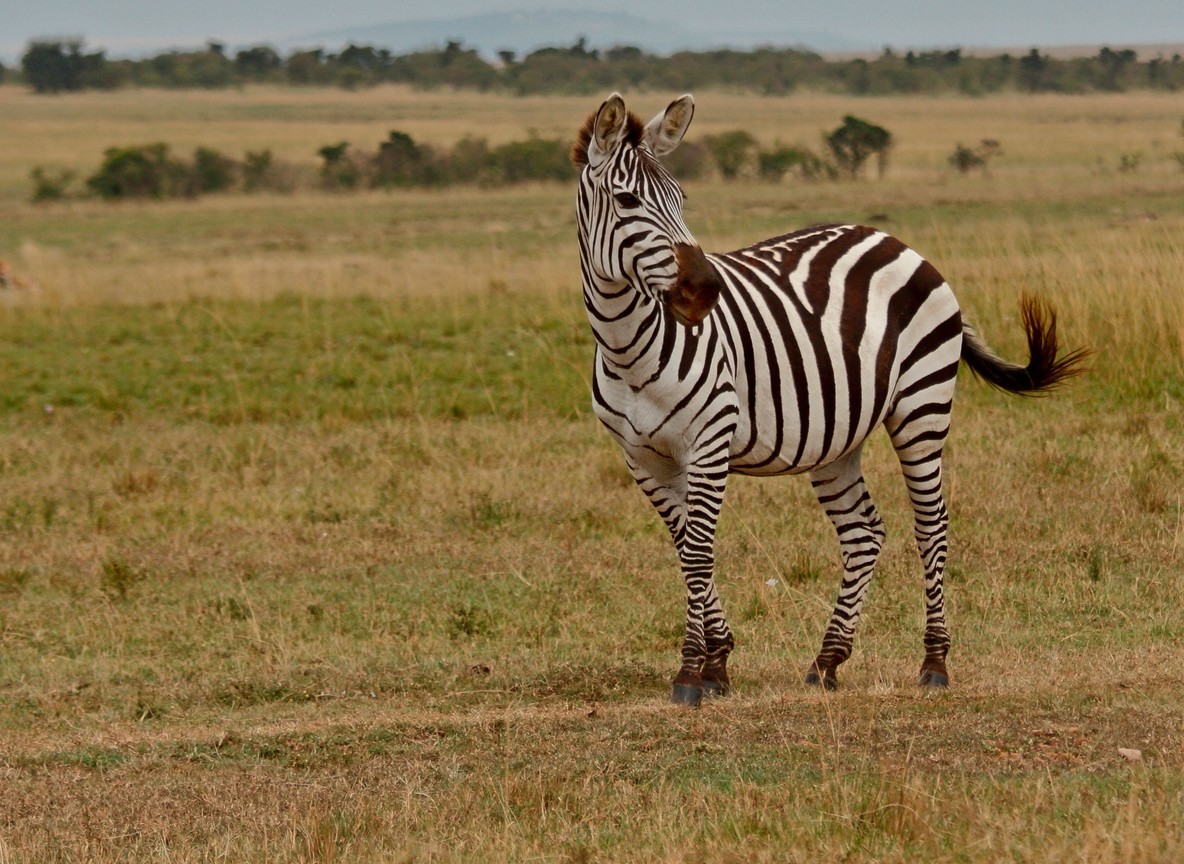
Grevy’s zebra. The world’s largest wild equid. Kenya holds 90% of the global population, roughly 2,800 individuals, with Laikipia as the primary stronghold. The distinctive narrow stripes and oversized round ears set them apart from common plains zebra instantly.
Tours and safaris in Laikipia also offer something most parks cannot: night drives. Because you are on private conservancy land, you can leave camp after dark and find lion on a hunt, serval in the grass, or aardvark at a termite mound. National parks prohibit this. Laikipia does not.
Laikipia vs. Masai Mara: Which Safari Is Right for You?
Both destinations are exceptional. The right choice depends on what you are after.
| Factor | Laikipia | Masai Mara |
|---|---|---|
| Crowd levels | Low: conservancies cap visitor numbers daily | Higher: dozens of vehicles at peak sightings |
| Best season | Year-round stable wildlife | July-October for wildebeest migration |
| Signature species | Rhino, wild dog, Grevy’s zebra, northern white rhino | Wildebeest migration, Big Five |
| Safari activities | Walking, night drives, horse rides, fly camping | Game drives (no night drives in NR core) |
| Conservation impact | Direct: your fees fund ranger patrols | Mixed: park levy + concession fees |
| Indicative lodge price | $300-$1,200 per night | $400-$1,500 per night |
| Drive from Nairobi | 2.5-3 hours via A2 (200 km) | 5-6 hours via B3 (260 km) |
| Flight from Nairobi Wilson | ~40 min to Nanyuki airstrip | ~45 min to Keekorok or Ol Kiombo |
For guests seeking the classic Great Migration spectacle, Masai Mara between July and October remains the gold standard. For guests who want immersion, rarity, and a conservation footprint with real-world impact, Laikipia is the answer, and the reason AFAR is right about 2026.
Best Time to Visit Laikipia in 2026
Laikipia’s year-round stability gives it a major practical advantage over migration-dependent destinations.
- January to March: Dry and warm. Excellent wildlife viewing as animals concentrate around permanent water. Ideal for photography.
- April to May: Long rains. Rates at most lodges drop 20-40%. The landscape turns intensely green. Some conservancy tracks become impassable without 4WD.
- June to October: Dry season peak. Cool mornings, crisp air, superb visibility. Wild dog denning season in July and August is unmissable.
- November to December: Short rains. Brief afternoon showers, lighter crowds, lower rates, and newborn animals on the plains.
Our tours and safaris to Laikipia run all twelve months. If your window is June through October, book three to four months ahead. Lewa and Borana fill fastest during this period.
Getting to Laikipia: Distances, Times, and Costs 🌅
| Route | Distance | Travel Time | Notes |
|---|---|---|---|
| Nairobi CBD to Nanyuki (road) | 200 km via A2/B5 | 2.5-3 hours | Paved highway; 4WD needed on conservancy tracks |
| Nairobi Wilson Airport to Nanyuki airstrip | N/A | ~40 minutes | Safarilink and AirKenya; scheduled daily departures |
| Nanyuki town to Ol Pejeta main gate | 12 km | 20 minutes | Paved road |
| Nanyuki to Borana/Lewa gates | 40-65 km | 45-75 minutes | Connecting transfer usually included in lodge stay |
| Conservancy conservation fee | N/A | N/A | $25-$80 per person per day (typically bundled) |
The most comfortable approach is to fly into Nanyuki airstrip and transfer directly to your conservancy by lodge vehicle. The road option works well if you want to pass through Nyahururu, see Thomson’s Falls, and take in Mount Kenya‘s highland forests along the way.
The Trunktrails Advantage in Laikipia ✨
Trunktrails Safaris works directly with conservancy management and community groups across Laikipia. That means we secure you into conservancies that restrict bookings to a handful of guests at any time. You are at the waterhole when the elephant herd arrives, not watching from behind seven other vehicles.
Our Laikipia tours and safaris are built around four things: small groups of maximum six guests, expert resident guides, flexible daily programmes that respond to what the wildlife is actually doing that morning, and accommodation that genuinely contributes to conservation on the ground. Every booking we place includes a direct conservancy fee that funds ranger patrols and community projects.
We have been running tours and safaris across Kenya since before most travel platforms discovered this plateau. We know which conservancies carry the best wild dog sightings in July. We know which camp sits on the rhino corridor in Borana. We know how to build an itinerary that covers Ol Pejeta’s northern white rhinos, Sosian’s wild dog packs, and Lewa’s open plains without a single wasted hour.
That is the Trunktrails Safaris difference. Not a package off a shelf. A safari built around you and around the animals that are actually moving right now.
The Window Is Open Now
AFAR’s 2026 recognition will fill Laikipia’s best camps faster than ever before. The conservancies that deliver the most exclusive experiences have limited beds, and they go to guests who act first.
Trunktrails Safaris holds allocation access to key Laikipia conservancies. Speak to us now, and we will design a safari that puts you in the right camp at exactly the right time.
Further reading
More safari planning resources
- Ol Pejeta and Sweetwaters safari package from Valley Safaris
- Mara River crossing guide on Touring Insights
- Big Five safari collection on FindMySafari
- Wildebeest migration route map from Valley Safaris
Call or WhatsApp: +254 113 208888 Email: info@trunktrailssafaris.com Plan your trip: https://trunktrailssafaris.com
Laikipia is Africa’s most important conservation success story. In 2026, it is also the continent’s most talked-about safari destination. The beds that remain will go to the people who book them today.
Image credits: Photo by Sanjeed Quazi on Pexels