
Why Kenya Collars Its Lions: Conservation Science at Ol Pejeta
At 3 AM on the Laikipia plateau, a satellite ping fires from a GPS unit strapped around the neck of a male lion. Within seconds, his location uploads to a server in Nanyuki. By morning, rangers at Ol Pejeta Conservancy already know he has crossed onto community grazing land — and they can alert Maasai herders before any livestock is lost. 🦁 This is lion collar Kenya conservation in action: precise, data-driven, and saving lives on both sides of the fence.
Kenya has an estimated 2,000 wild lions left. Poaching, habitat loss, and retaliatory killing by livestock farmers continue to push that number down. Collaring programmes don’t just tell us where lions go. They are reshaping how conservancies protect big cats, how rangers engage with local communities, and how serious wildlife travellers experience the science of survival. Trunktrails Safaris connects guests directly with this research world on conservation-focused tours and safaris to Ol Pejeta, Laikipia, and northern Kenya.
What Is a Lion Collar and How Does It Work?
A lion collar is a GPS and VHF (Very High Frequency) radio device fitted around a lion’s neck during a brief, carefully managed immobilization. The collar records the animal’s precise location, accurate to within a few metres, and transmits that data via satellite or ground-based radio signals to a receiving station.
Modern collars used in Kenya typically:
- Upload GPS fixes every one to four hours via satellite relay
- Run for 18 to 36 months on a single battery pack
- Include a remote drop-off mechanism that releases the collar when the battery nears depletion
- Weigh under 500 grams — less than 0.5% of an average adult lion’s body weight
The raw data builds what researchers call a “movement library.” That library maps every watering hole, territorial boundary, and human settlement a lion visits across years — and turns gut-feel conservation into evidence-based policy. For anyone who has followed wildlife science, seeing that data plotted in real time is a genuinely arresting experience.
Why Does Ol Pejeta Collar Its Lions?
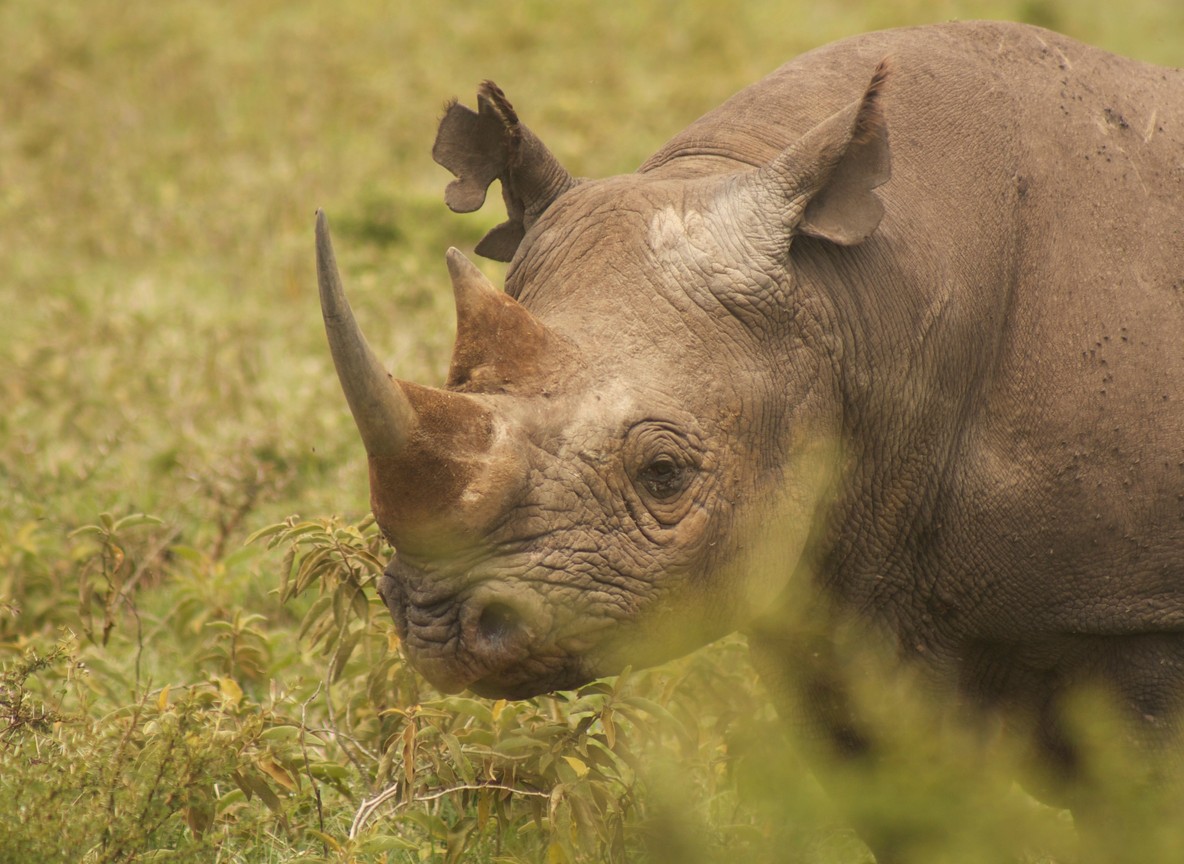
Ol Pejeta Conservancy sits in Laikipia County, approximately 200 km north of Nairobi. Its 90,000 acres (roughly 360 km²) of open savanna, acacia bush, and Ewaso Nyiro riverine forest sit at the heart of the Laikipia-Samburu lion range — one of Kenya’s most studied and most conflict-prone lion landscapes. You can read more about the wider region in our Laikipia safari destination guide for 2026.
The conservancy collars lions for three specific purposes:
- Conflict prediction. Real-time location data lets rangers intercept a lion moving toward community land before it reaches livestock pens. Studies from the Laikipia ecosystem show proactive alert systems can cut retaliatory killings significantly, with some programmes reporting reductions of up to 50% within monitored areas.
- Habitat corridor mapping. Lions at Ol Pejeta regularly cross unfenced boundaries into Solio Ranch, Lewa Conservancy, and community land to the north. Collar data has identified critical wildlife corridors that now inform land-use planning across an enormous stretch of northern Kenya.
- Population dynamics tracking. Births, deaths, territorial shifts, and pride splits are all logged and time-stamped. The resulting dataset feeds directly into Kenya Wildlife Service lion population assessments and influences where new conservancies are established.
What Does the Data Reveal About Kenya’s Lions?
Kenya’s lion population is estimated at around 2,000 individuals by Kenya Wildlife Service census data. 🌍 Laikipia supports one of the highest densities of lions outside formal national parks anywhere in Africa, with researchers estimating 200 to 400 lions use the plateau across conservancy, ranch, and community land.
Collar studies have revealed genuinely surprising movement patterns:
- Male lions in Laikipia have home ranges averaging 200 to 400 km² — far larger than ranges recorded in the Masai Mara, where prey is more concentrated
- Females from the same pride may hold territories that barely overlap, suggesting flexible social structures driven by prey distribution rather than rigid family bonds
- Lions routinely cross highways and move through human settlements at night, invisible to local communities unless collar data exists to track them
For wildlife-focused travellers, reviewing this data before a morning game drive changes the entire experience. The lion you photograph at midday in the Ol Pejeta riverine forest might have been 40 km away the night before, navigating farmland in darkness. That context transforms observation into understanding. Our Grevy’s zebra guide to Ol Pejeta shows how the same data-led approach is applied to other threatened species on the conservancy.
How Much Does Lion Collaring Cost?
Conservation resources are always finite. Understanding the economics of lion collar Kenya programmes matters for anyone serious about whether they are sustainable long-term.
| Cost Item | Indicative Range (USD) |
|---|---|
| GPS/VHF collar (satellite-enabled) | $1,000 — $2,500 per unit |
| Veterinary immobilization (per event) | $500 — $1,200 |
| Helicopter or vehicle access (remote terrain) | $800 — $2,000 per operation |
| Annual data management and analysis | $5,000 — $15,000 per study site |
| Community conflict-alert ranger deployment | $200 — $600 per month per post |
> All figures are indicative. Actual costs vary by operator, terrain, and equipment specification.
A fully collared study pride of six lions tracked over three years can cost upwards of $50,000 in total programme expenditure. That budget is typically funded through philanthropy, government grants, and conservation fees paid by lodges and tour operators. When Trunktrails Safaris books a conservation safari to Ol Pejeta, 5% of every booking goes directly to wildlife conservation programmes — including the lion research you come to see.
Which Lion Populations Does Kenya’s Research Network Monitor?
Kenya’s lion collar Kenya monitoring extends well beyond Ol Pejeta. The national research network covers multiple ecosystems, each with distinct collaring programmes and partner organisations.
| Ecosystem | Key Research Programme | Approximate Lion Numbers |
|---|---|---|
| Laikipia-Samburu (incl. Ol Pejeta) | Ewaso Lions / KWS | 200 — 400 |
| Masai Mara-Serengeti | Mara Lion Project (Oxford University) | 300 — 500 |
| Tsavo East and West | KWS Carnivore Programme | 250 — 400 |
| Amboseli-Kilimanjaro | Lion Guardians | 150 — 250 |
| Meru-Laikipia buffer | KWS / Big Life Foundation | 100 — 200 |
The Ewaso Lions project, founded in 2007 and headquartered in Samburu, has produced some of the most comprehensive lion movement datasets in East Africa. Their work feeds directly into Ol Pejeta’s monitoring protocols. Separately, the Lion Guardians programme in Amboseli uses collaring alongside Maasai warrior outreach — a community-led model that is showing strong results for lion survival rates across the Amboseli ecosystem.
Can You Visit and See Lion Research in Action?
Yes — and Trunktrails Safaris makes this a dedicated part of our Ol Pejeta and Laikipia tours and safaris. Here is what visitors can typically expect on a research-visit day:
- Telemetry tracking from a game vehicle. A researcher drives with a hand-held VHF antenna, sweeping for collar signals from known individuals. When a signal strengthens, the vehicle moves toward the source.
- Collar data review before the drive. Guests review that morning’s GPS plot on a tablet, so you know which lions are in the area and approximately where before you leave camp.
- Observation protocols. Once a pride is located, vehicles maintain a minimum 30 m distance. Engines are cut. The silence, when you are close to a collared lion you have been tracking via satellite data for an hour, is something that stays with you.
- Researcher briefing at the education centre. Usually 30 to 45 minutes, covering collar design, current study questions, and what the data is showing about pride dynamics this season.
Getting to Ol Pejeta:
- Nanyuki airstrip is the gateway for fly-in guests: approximately 30 minutes from Wilson Airport, Nairobi (indicative flying time; varies by aircraft and routing)
- Road journey via the Nyeri-Nanyuki highway: approximately 3.5 to 4 hours from central Nairobi (200 km)
- Nanyuki town is 15 km from the main Ol Pejeta gate
Conservation fees at Ol Pejeta for non-resident adults are set by the conservancy and subject to change. Always confirm current rates when booking. Our team handles this as part of every safari package.
What Are the Ethics of Lion Collaring?
No responsible conservation programme places data collection above animal welfare. Modern protocols at Ol Pejeta and across Kenya’s lion research network follow Kenya Veterinary Association guidelines and require:
- KWS research and capture permits for every collaring event
- A licensed wildlife veterinarian on-site for all immobilizations
- Minimum handling time (typically under 20 minutes per animal)
- Post-release monitoring until the lion is fully mobile and has re-joined its pride
Critics of collaring raise legitimate questions about stress, injury risk, and potential behavioural changes. The scientific consensus, supported by long-term behavioural studies from Ol Pejeta and the Mara Lion Project, is that well-fitted, lightweight collars do not affect hunting success, territorial behaviour, or reproductive rates in lions.
What does affect all of those outcomes is retaliatory killing. Collar data, time and again, is what prevents it. For wildlife-focused visitors weighing whether to support research-based tours and safaris over standard game-viewing packages, the conservation case is clear and well-evidenced.
If the ethical underpinning of Kenyan conservation interests you, our conservation technology in Kenya overview covers the full range of tools now in use — from camera traps and drone monitoring to acoustic sensors and DNA profiling.
What Is the Trunktrails Advantage?
Trunktrails Safaris is a native Kenyan-owned operator with direct working relationships with research teams across Laikipia and northern Kenya. We don’t book third-party packages or resell standard lodge itineraries. Our guides know the researchers personally, understand the current collar study questions each season, and can interpret movement data in real time during a game drive.
What you get with Trunktrails Safaris on a lion research safari:
- Direct conservancy access — research briefings not open to standard lodge guests
- Guides trained in conservation science — they read collar data, not just locate game
- Community conservancy options — stay with Maasai-owned camps whose commercial survival depends on the same lion data your safari generates
- Flexible budget range — Laikipia conservation tours and safaris start from approximately $850 per person for a 5-day package (indicative; varies by accommodation tier and season)
- 5% conservation contribution — built into every Trunktrails Safaris booking, supporting the collar programmes you visit
We design every itinerary around what you want to learn, witness, and photograph — not around what is easiest for us to sell. No cookie-cutter packages. Just a Kenyan team with deep knowledge, alongside you when the receiver crackles and a signal tells you a lion is 200 metres into the bush. 📸
Ready to Track Lions in Kenya with Trunktrails Safaris?
A collar ping at 3 AM changes everything we know about a lion’s life. Come and be part of the data. Trunktrails Safaris builds custom conservation tours and safaris to Ol Pejeta Conservancy and the wider Laikipia ecosystem — including research-visit days, guide-led telemetry tracking, and community conservancy stays that put you inside the science, not outside looking in.
Space on these itineraries is limited. The collared prides don’t wait for peak season.
Further reading
More safari planning resources
- Ol Pejeta and Sweetwaters safari package from Valley Safaris
- Big Five safari parks guide on Touring Insights
- Big Five safari collection on FindMySafari
- Compare Kenya safari packages on FindMySafari
📞 WhatsApp: +254 113 208888 📧 Email: info@trunktrailssafaris.com 🌐 Website: https://trunktrailssafaris.com

