Grevy’s Zebra at Ol Pejeta: The People and Science Saving Kenya’s Rarest Zebra 🌍
There are fewer than 3,000 Grevy’s zebra left on Earth. Kenya holds roughly 85% of them. If you want to see Grevy’s zebra at Ol Pejeta Conservancy in Laikipia, you are choosing one of the most charged wildlife encounters in East Africa, a landscape where real conservation science, community action, and extraordinary photography opportunities exist in one place.
For anyone planning conservation-focused tours and safaris in Kenya, this is not background reading. This is a field briefing. Here is what is happening at Ol Pejeta, who is doing the work, and why Trunktrails Safaris considers it essential ground for every serious wildlife traveler.
What Makes Grevy’s Zebra Different from Plains Zebra?
Most visitors arrive expecting one kind of zebra. Kenya actually has two species, and the difference between common zebra and Grevy’s zebra is immediately visible in the field.
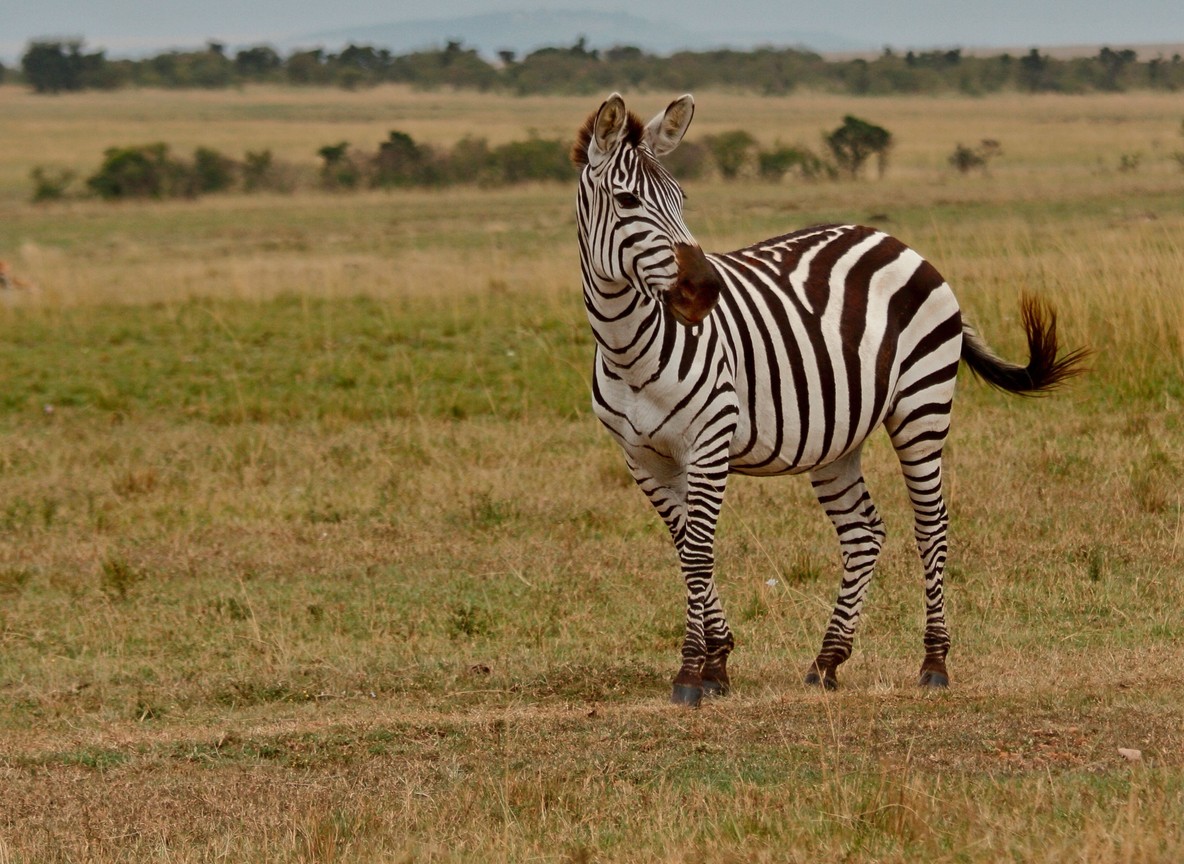
The Grevy’s zebra is the world’s largest wild equid. It has a mule-like face, enormous rounded ears, and a white belly with narrow, mathematically precise stripes that stop short of the spine. Plains zebra have broader stripes, a more horse-like build, and stable family herds. Grevy’s have a fundamentally different social structure: territorial stallions hold large ranges, while females roam independently between them.
| Feature | Grevy’s Zebra | Plains (Common) Zebra |
|---|---|---|
| IUCN Status | Endangered | Least Concern |
| Estimated Wild Population | ~2,380 individuals | 500,000+ |
| Kenya Population | ~2,000 (85% of global total) | Abundant |
| Adult Weight | Up to 450 kg | 220-350 kg |
| Stripe Pattern | Narrow, closely spaced; white belly | Wider stripes; shadow stripes present |
| Ear Shape | Very large, rounded | Smaller, upright |
| Social Structure | Territorial males; independent females | Stable family herds |
| Primary Kenya Habitat | Laikipia, Samburu, Meru | Masai Mara, Amboseli, Tsavo |
The contrast is dramatic when you see both species on the same safari day. That is possible on a well-designed northern Kenya circuit with Trunktrails Safaris.
Why Ol Pejeta Conservancy is the Best Place to See Grevy’s Zebra in Kenya
Ol Pejeta Conservancy sits in Laikipia County, 225 km north of Nairobi. It is flanked by Mount Kenya to the east and the Aberdares to the south, with the Ewaso Nyiro River cutting through its western boundary. At 360 km², it is the largest black rhino sanctuary in East Africa and home to Najin and Fatu, the last two northern white rhinos on the planet.
It is also one of the most reliable locations for Grevy’s zebra in Kenya. Around 35% of the country’s Grevy’s population lives in the Laikipia ecosystem, and Ol Pejeta’s well-watered permanent grasslands offer critical dry-season refuge for the species.
| Travel Detail | Information |
|---|---|
| Distance from Nairobi | 225 km via A2/B5 highway through Nanyuki |
| Road Journey Time | 4-5 hours (depending on Nairobi traffic) |
| Flight from Wilson Airport | ~45 minutes to Nanyuki Airstrip (Safarilink, AirKenya, Tropic Air) |
| Transfer from Nanyuki to Gate | 30 minutes |
| Ol Pejeta’s Own Airstrip | Yes; fly-in guests land on-site |
| Conservancy Size | 360 km² |
| Non-resident Entry Fee (Adult) | USD 100 per person per day |
| Non-resident Entry Fee (Child 5-12) | USD 50 per person per day |
| Children Under 5 | Free |
| Gate Hours | 06:00-19:00 daily |
| Main Accommodation Options | Sweetwaters Serena Camp, Ol Pejeta Bush Camp, Kicheche Bush Camp |
The road from Nairobi is sealed and reliable. Your drive takes you through Nanyuki town before you reach the main Ol Pejeta gate on the A2 highway. Most guests who fly in land at Nanyuki Airstrip, clear a short transfer, and are on their first game drive within the hour.
The Science Saving Grevy’s Zebra 📸
Grevy’s zebra were listed as Endangered by the IUCN in 2016 following a population collapse from an estimated 15,000 individuals in the 1970s to under 2,500 today. Habitat loss, livestock competition for water, and historical hunting drove that decline.
The recovery effort now combines population monitoring, water provision, and community partnerships in ways that were not possible twenty years ago.
Population monitoring. The Grevy’s Zebra Trust (GZT), founded in 2007, runs the Laikipia Ecosystem Count every two years. Field teams photograph each individual animal. Because every Grevy’s stripe pattern is unique, like a fingerprint, researchers use stripe recognition to track individuals, document births, record deaths, and build accurate population trends. The 2021 count put the Laikipia population at approximately 1,097 individuals.
Water provision. Grevy’s zebra must drink every one to five days during the dry season. GZT maintains water points in critical dry-season habitat and guards them against livestock pressure through its Warrior Scouts programme. This single intervention has measurably reduced dry-season mortality in drought years.
Mpala Research Centre. Located 30 km north of Nanyuki within the broader Laikipia ecosystem, Mpala Research Centre publishes peer-reviewed research on Grevy’s zebra behaviour, reproduction, disease, and habitat use. Camera trap grids across Ol Pejeta and neighbouring conservancies feed real-time movement data into long-term population models. Scientists from Mpala collaborate with GZT, Kenya Wildlife Service, and international universities including Princeton.
Reproductive science. Because Najin and Fatu at Ol Pejeta are the last northern white rhinos, the conservancy has developed expertise in assisted reproduction that now supports broader applied conservation. That same scientific culture applies to Grevy’s monitoring programmes. Vet teams track individual females through pregnancy and foaling season, with interventions available for orphaned foals.
The Community People Behind the Work ✨
Ol Pejeta employs over 500 staff, more than 90% drawn from surrounding communities. Rangers, trackers, field veterinarians, education officers, and hospitality workers come from families who have lived alongside this landscape for generations.
The conservancy’s community development programme has supported 90 local schools, constructed 16 water projects, and operates a 25-bed hospital at Mpala serving surrounding villages. These are not charity projects. They are the social infrastructure that keeps communities invested in conservation outcomes rather than opposed to them.
GZT’s Warrior Scouts extend this model into the surrounding landscape. Scouts are young men from pastoralist backgrounds. They receive training in GPS data collection, first aid, and conflict resolution, along with stipends that exceed average local wages. Their presence reduces snare-setting, minimises water-point conflict, and builds relationships between conservancies and mobile herding communities.
This is what responsible tours and safaris in Kenya look like from the inside: not token conservation fees posted on a website, but integrated economic partnership that keeps wildlife and people moving in the same direction.
Best Time to Visit Ol Pejeta for Grevy’s Zebra Sightings
Grevy’s zebra are present at Ol Pejeta year-round. Your sighting experience changes by season.
| Season | Approximate Dates | Conditions | Grevy’s Activity |
|---|---|---|---|
| Dry Season (Peak) | January-February and June-October | Sparse vegetation; animals concentrate at water | Best sightings near Ewaso Nyiro River and water points |
| Short Rains | October-November | Intermittent rain; green grass emerging | Animals disperse; foaling season begins |
| Long Rains | March-May | Dense vegetation; occasional road softening | Lower visibility; fewer vehicles; off-peak rates |
The dry months of July through October overlap with the Great Migration in the Masai Mara, making it the ideal window for a combined Laikipia-plus-Mara itinerary. Trunktrails Safaris regularly builds these northern-southern circuits, giving guests Grevy’s zebra and rhino tracking in Laikipia and wildebeest river crossings in the Mara on one continuous trip.
Are There Zebras in Kenya? A Reality Check
Yes, Kenya supports two zebra species across multiple ecosystems. Plains zebra are abundant in the Masai Mara, Amboseli, Tsavo East, and Tsavo West. Grevy’s zebra occur in the north: Laikipia (including Ol Pejeta), Samburu National Reserve, Buffalo Springs National Reserve, and Meru National Park.
If ticking both species on a single safari matters to you, a northern Kenya circuit through Samburu and Ol Pejeta covers both. Trunktrails Safaris builds that circuit in four to five days, with dedicated photography time at the right waterholes and riverbanks for each species. Species-specific planning is part of what separates a directed conservation safari from a standard game drive.
The Trunktrails Advantage
Trunktrails Safaris specialises in conservation-led tours and safaris that place guests inside the story rather than outside the fence.
When we bring guests to Ol Pejeta for Grevy’s zebra, we do not simply drive past an animal and move on. We have working relationships with GZT field teams. On select visits we arrange briefings with Warrior Scout project officers or researchers from the conservancy’s monitoring programme. Guests leave understanding stripe-pattern identification, the foaling season cycle, what population targets mean in practice, and what it will take to reach 3,000 Grevy’s zebra in the wild again.
Our guides read animal behaviour well enough to anticipate a stallion’s territorial patrol route and position you at the Ewaso Nyiro riverbank before first light. These are skills built from years of driving Ol Pejeta’s tracks, not from a printed guide sheet.
Trunktrails Safaris is a Kenyan-owned company. Our profits stay in Kenya, our staff are Kenyan, and our conservation commitments show up in every itinerary we build, not just in marketing materials. When you book tours and safaris with us, you are choosing an operator whose business model depends on Grevy’s zebra still being here in twenty years.
Book Your Grevy’s Zebra Conservation Safari 🌅
Grevy’s zebra will not wait. With a global population under 3,000 and increasing climate pressure on Laikipia’s dry-season pastures, the window to see this species at current densities is not guaranteed.
Further reading
More safari planning resources
- Ol Pejeta and Sweetwaters safari package from Valley Safaris
- Best time to visit Kenya on Touring Insights
- Big Five safari collection on FindMySafari
- Best time to visit Kenya month-by-month map from Valley Safaris
Contact Trunktrails Safaris on WhatsApp at +254 113 208888, email info@trunktrailssafaris.com, or visit trunktrailssafaris.com to build your Ol Pejeta itinerary. We’ll put you in the field during peak dry season, combine your Grevy’s sightings with black rhino tracking and full Big Five game drives, and make sure you leave knowing exactly why this species matters and what is being done to save it.
The stripes are there. Your spot should be too.
Image credits: Photo by Sanjeed Quazi on Pexels