Kenya Safari in July 2026: What to Expect Before the Migration Peaks
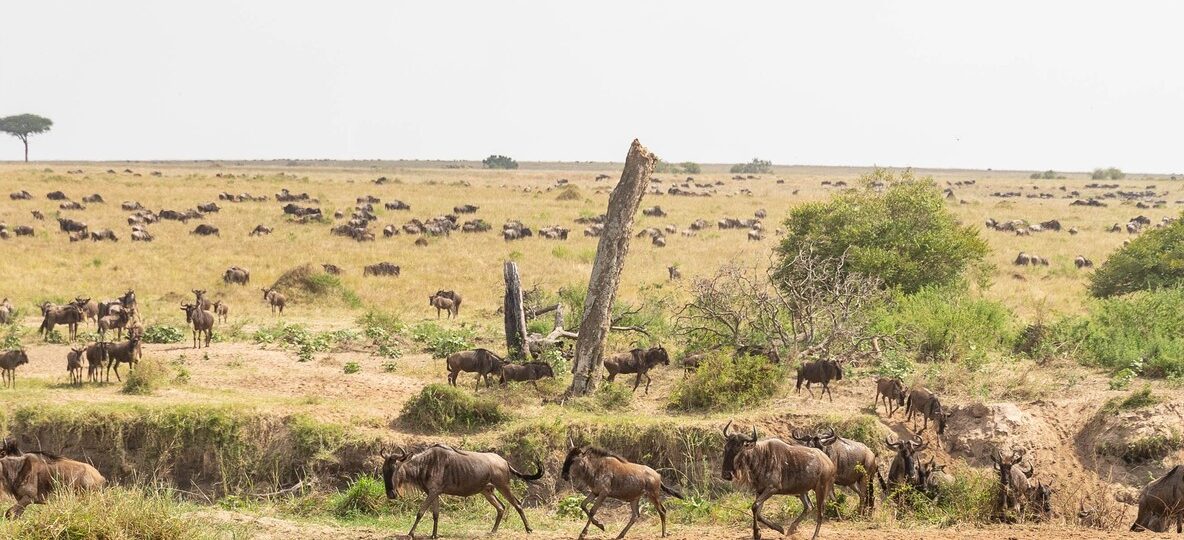
July is the quiet giant of the Masai Mara calendar. The peak-migration crowds have not arrived yet, the landscape is still deeply green from the long rains, and the wildebeest vanguard is already crossing the Sand River. A kenya safari july 2026 puts you on the ground at exactly the right moment: the drama is building, the camps are not yet full, and the wildlife is as concentrated as it gets all year.
Here is exactly what you will find, what to book right now, and why experienced safari-goers often prefer July over the headline August rush.
Is July the Best Time for a Safari in Kenya?
Short answer: yes, for most travellers. Long answer: it depends on what you value.
July sits in Kenya’s long dry season (June to October). Vegetation thins steadily through the month, water sources shrink to known points, and game concentrations climb. At the same time, the Mara ecosystem is still carrying green grass from the April-May rains, which creates a visual contrast that photographers and first-time visitors genuinely love.
What July delivers that no other month does:
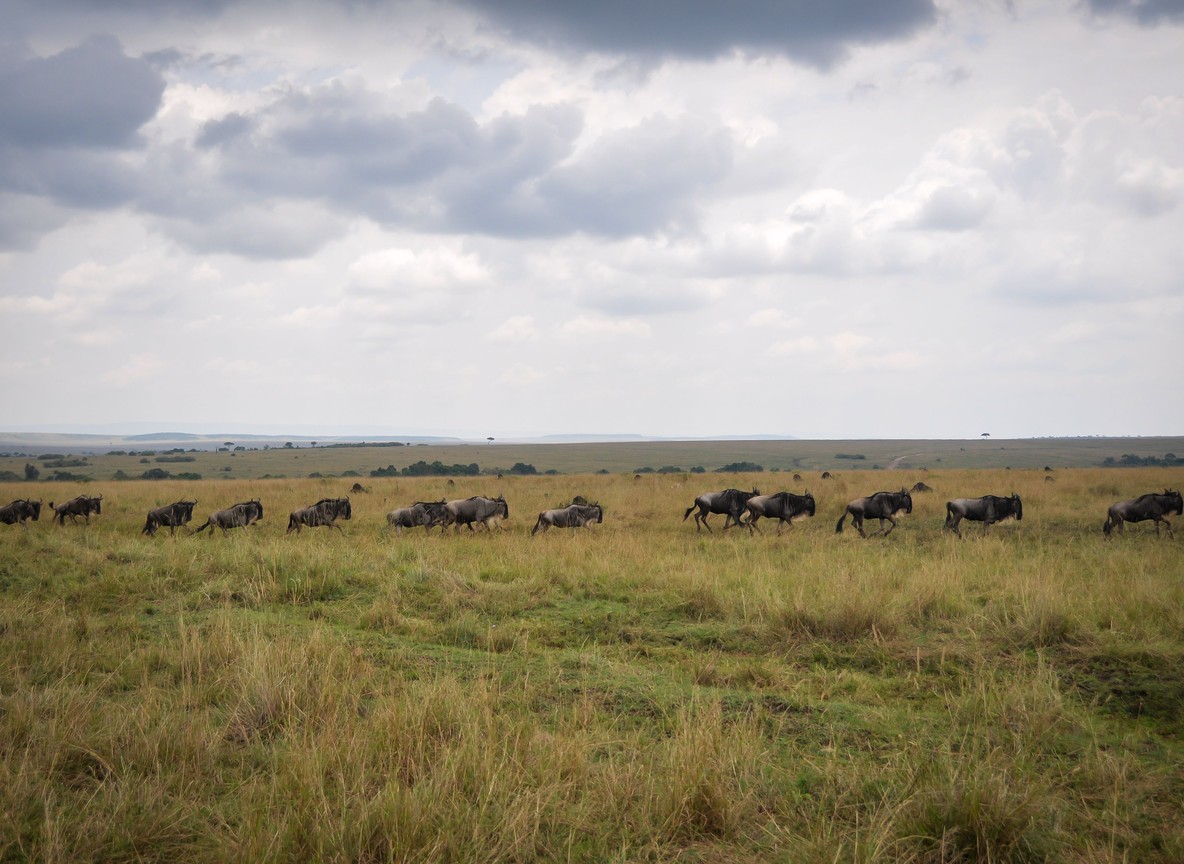
- The first wildebeest columns crossing from the Serengeti into the Mara
- Full predator activity, with lions and leopards hunting in open, trackable terrain
- Fewer vehicles at key game-drive sites (typically 30-50% less traffic than August)
- Lush photography backgrounds instead of the dusty ochre of late September
- Accommodation availability at camps that are completely sold out by late July for August dates
For families with school-age children, July is one of the few months that combines school-holiday timing with genuinely exceptional game viewing. For older travellers, the cooler, drier days and manageable crowds make the experience far more comfortable than the August peak.
The Kenya Wildlife Service confirms that the dry season from July onward consistently delivers the highest predator sighting rates of the year.
What the Masai Mara Actually Looks Like in July 🌍
Forget the dusty ochre plains you see in September photographs. In July, the Mara is vivid green in the north and west, with grass still knee-height in the conservancies. The Mara River itself runs strong and brown, the crocodiles are fat and waiting, and the fig trees along the banks are in full leaf.
Wildlife picture on the ground right now:
- Wildebeest: The Serengeti herds began building on the Tanzania side in May and June. By early July, the vanguard, mostly zebras mixed with the first wildebeest columns, is crossing the Sand River at Mara North and pushing into the conservancy grasslands. By mid-July, main herds stretch from the Sand River to the Mara Triangle.
- Predators: Lion prides are in peak hunting condition following months of calves and wildebeest on the move. The Mara North pride territories and Olare Motorogi lion families are particularly active in July.
- Leopards: The tall grass that remains in July is ideal cover. Leopards in the Mara Triangle and along the Talek River use rocky outcrops and riverine forest edges. Your guide’s local knowledge is critical here.
- Elephants: Amboseli elephants move toward the Mara ecosystem in the dry season. July sees elephant families at waterholes in afternoon game drives.
- Bird life: 570 species are resident or migratory through the Mara. July brings the northern migrants down through East Africa. 📸
Sand River vs. Mara River Crossings: What July Gives You
This is the question every July traveller asks.
| Crossing Point | July | August-September |
|---|---|---|
| Sand River (south) | Active vanguard crossings | Herds already north |
| Mara River (main) | Building crossings, less crowded | Peak crossings, maximum vehicles |
| Mara Triangle | Herds consolidating | Very high density |
| Olare Motorogi | Early resident herds, excellent predator activity | Packed |
The Sand River advantage: Most safari-goers focus on the main Mara River at Ol Kinyei or the crossings near Keekorok. The Sand River, which marks the Kenya-Tanzania border on the reserve’s southern edge, sees the first major crossings of the season. In July, this is where your guide should position you. The crocodile ambushes here are just as dramatic, the vehicle count is a fraction of August, and you get genuine wilderness atmosphere.
What you give up: The single largest wildebeest column crossings, sometimes 10,000 animals at once, are a late-August to early-September phenomenon. The expert 2026 forecast puts the peak Mara River crossings between August 22 and September 7. If witnessing maximum spectacle is your only goal, August is the answer. But if you want real game viewing, good predator sightings, and a trip you can actually book without fighting for the last tent, July is the smarter choice.
Private Conservancies vs. the National Reserve in July
The Masai Mara is not one place. It is a mosaic of the main National Reserve, and a ring of private conservancies that surround it. In July, the difference matters.
Mara North Conservancy: One of the best locations for July. The wildebeest vanguard enters through the northern corridor, and Mara North camps sit directly in the migration path. Vehicle density is controlled, off-road driving is permitted, and night drives are allowed (not possible in the National Reserve). Trunktrails Safaris partners with camps in Mara North for exclusive access.
Olare Motorogi Conservancy: Premium territory. The resident lion prides here are some of the most photographed in Africa, and July’s pre-peak timing means you are watching the drama build without the August crowds. Limited to a small number of licensed camps. Book early.
Mara Triangle: The westernmost section of the National Reserve, managed by the Mara Conservancy. The Mara River crossings in the Triangle are accessible and dramatic. Vehicle numbers are managed better here than in the main reserve.
Main National Reserve (Sekenani, Talek gates): Higher vehicle density, road-based game drives only, no night drives. Valid for day visitors and budget safaris. Trunktrails Safaris recommends upgrading to a conservancy for any July 2026 booking.
Temperature and Weather in the Masai Mara in July
July is one of the most comfortable months in the Mara. The rains have stopped, humidity is low, and the Mara sits at 1,600 metres elevation.
| Time of Day | Temperature Range |
|---|---|
| Dawn game drive | 12-16 degrees C |
| Midday | 22-26 degrees C |
| Afternoon game drive | 18-24 degrees C |
| Evening | 12-15 degrees C |
Pack a fleece or light down jacket for dawn drives: the open-top vehicle is cold at 6am. Bring neutral colours, binoculars, a waterproof layer for occasional quick showers, and SPF 50. The Mara sun at elevation is deceptive even in the dry season.
What to Book Right Now for July 2026 🐘
This is the practical reality as of June 2026.
Camp availability: July 2026 still has spots at most conservancy camps. August is at or near capacity for Mara North and Olare Motorogi. Book July now to secure the best camp positions at pre-peak pricing.
Pricing: July falls inside the high-season rate card but below the August 1 peak surcharge at most properties. High-season wildlife, lower-than-August rates.
Flight connections: Fly into Nairobi Jomo Kenyatta International, then take a 45-minute domestic flight to a Mara airstrip. Trunktrails Safaris coordinates all ground and air logistics from Nairobi as part of every package.
Recommended durations:
| Trip Type | Minimum Nights | Recommended |
|---|---|---|
| Migration focus only | 3 nights Mara | 4 nights Mara + 2 nights Amboseli |
| Family safari | 4 nights Mara | 3 Mara + 2 Samburu + 1 Nairobi |
| Active retiree couple | 3 nights Mara | 2 Mara North + 2 Olare Motorogi + 2 Lake Nakuru |
| Photography focus | 4 nights minimum | 3 Mara Triangle + 2 Olare Motorogi |
The Trunktrails Advantage: Local Knowledge Wins in July
July is the month when local intelligence separates a good safari from a great one. The migration’s exact entry points, which Sand River crossings will happen on a given day, where the lion prides denned the night before, which conservancy tracks are passable after a night shower: none of this is in a guidebook.
Trunktrails Safaris is a native Kenyan-owned operator, and company. Our guides maintain daily radio contact with the Mara North vehicle network and have tracked the same lion prides and predator territories for years. When the vanguard herds begin moving in July, we know the exact routes before the commercial operators do.
What this means for your july 2026 safari:
- Real-time migration intelligence from guides on the ground, not forecasts
- Priority camp positioning within conservancy game-drive circuits
- Off-road permission in conservancy areas for better predator follow
- Flexible day-of itinerary adjustment based on animal movement
- Genuine tours and safaris expertise built on Kenyan local knowledge, not resold package content
Trunktrails Safaris has managed Kenya tours and safaris for clients across every major market. We understand the difference between a July trip that delivers five lion sightings and one that delivers two, and that difference is entirely guide quality and local access. 🦁
Frequently Asked Questions: Kenya Safari in July 2026
Is July good for the Great Migration in Kenya? Yes. July marks the arrival of the wildebeest vanguard in the Masai Mara. The Sand River crossings are active from early July, and the main Mara River crossings begin building through the month. The absolute peak is late August, but July gives you migration action with far fewer crowds.
Further reading
More safari planning resources
- Wildebeest migration route map from Valley Safaris
- Mara River crossing guide on Touring Insights
- Great Migration safari collection on FindMySafari
- Best time to visit Kenya month-by-month map from Valley Safaris
How crowded is the Masai Mara in July? Noticeably less crowded than August and September. In the private conservancies like Mara North and Olare Motorogi, vehicle limits are strictly enforced regardless of the month. In the main National Reserve, July sees moderate vehicle density at crossing points. Trunktrails Safaris positions clients in conservancy areas to avoid the main reserve congestion. Contact us at +254 113 208888 or info@trunktrailssafaris.com to discuss conservancy camp options.
What should I budget for a Kenya safari in July 2026? For a mid-range conservancy safari, plan on $1,450-$2,100 per person for 5 days including camp, game drives, and domestic flights. Premium conservancy packages run $2,300-$3,500 per person for 7 days. Trunktrails Safaris builds fully customized quotes at trunktrailssafaris.com.
Is July too early for the migration? Not for excellent migration viewing. The Sand River vanguard crossings, predator action on the fresh herds, and early herd concentrations make July genuinely exciting. The peak Mara River crossings (August 22-September 7 per 2026 forecasts) come later, but that is not the whole story.
What is the weather like in the Masai Mara in July? Dry and cool. Daytime temperatures reach 22-26 degrees C. Dawn drives require a warm layer. Occasional light showers pass in minutes. Clear skies make for excellent photography light.
Book Your July 2026 Kenya Safari Now
The camps that work best in July are filling now. Once August inventory sells through, demand shifts back to July and July availability tightens quickly.
Trunktrails Safaris handles every element of your Kenya tours and safaris: camp selection, conservancy permits, domestic flights, Nairobi transfers, and on-the-ground guide coordination. We do not run group tours. Every itinerary is built for your travel style, whether that is a couple looking for quiet days in a private conservancy or a family that wants a mix of Mara game drives and cultural visits.
Reach us directly to start your July 2026 planning:
WhatsApp: +254 113 208888 Email: info@trunktrailssafaris.com Website: https://trunktrailssafaris.com
| Native Kenyan Operator
The Mara in July is one of the most honest safari experiences Kenya offers. You see the ecosystem working before the spectacle arrives. That is worth getting to first.