Horseback Safari in Kenya: Riding Among the Wildlife ✨
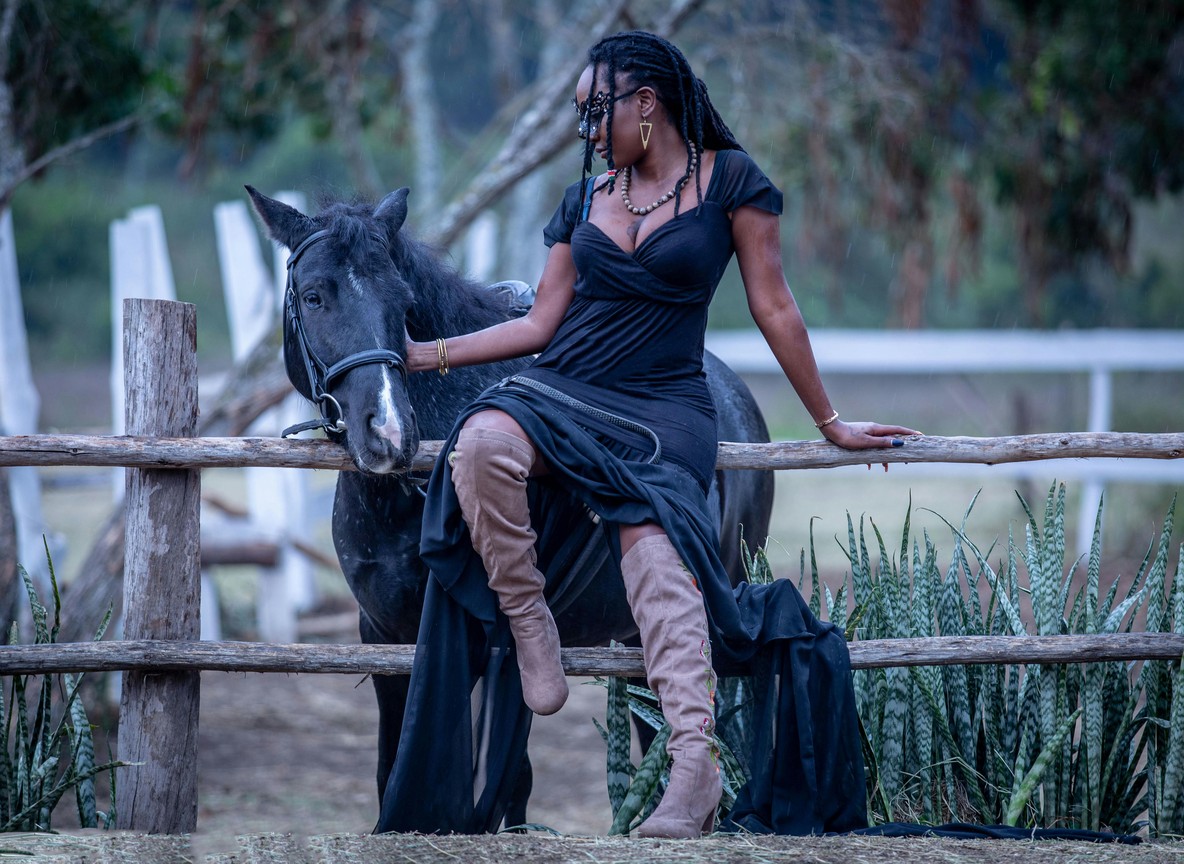
A horseback safari kenya experience sits in a category of its own. You are not in a vehicle. You are not on foot with an armed ranger creating an armed perimeter between you and the landscape. You are on a horse, at the same height as a giraffe’s withers, moving at the pace of the animals around you.
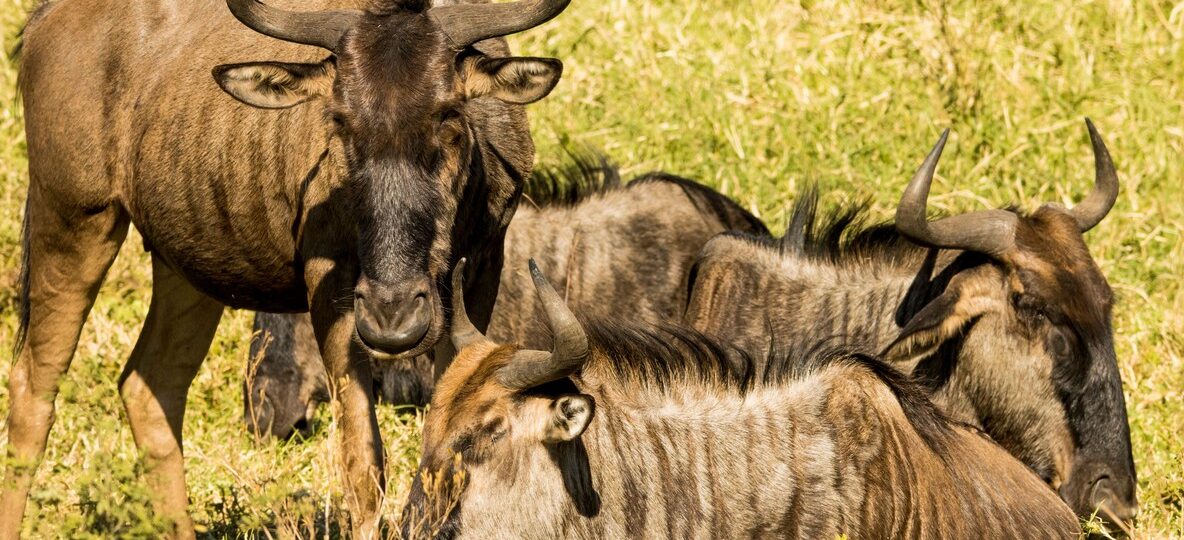
Wildlife reacts differently to horses than to vehicles or humans on foot. Zebra accept a horse and rider at distances of fifteen metres. Wildebeest move aside rather than flee. Giraffe assess you with that slow lateral swivel of the head and decide you are not a threat. The horse is a social introduction that removes the alarm response. You move through the ecosystem rather than observing it from outside.
This guide covers the best areas for horseback safari kenya trips, what riding experience is actually required, how the days are structured, and what Trunktrails Safaris can arrange for riders who want this experience.
Where Horseback Safaris Are Available in Kenya
Not every Kenya safari destination offers horseback riding. The activity requires specific terrain, well-trained horses, and experienced horse guides (called “ride leaders” or “head grooms” in the equestrian safari world). The main areas:
Laikipia Plateau: Kenya’s Premier Horseback Safari Country
Laikipia is the standout destination for serious equestrian safari travelers. The plateau north of Mount Kenya has the space, the terrain variety, and the operator experience that the Mara cannot match for multi-day riding safaris.
The landscape is extraordinary for horseback travel: open moorland at 1,800-2,200 metres, rocky escarpments with views across the Rift Valley, riverine forest corridors, and wide valley floors where you can canter alongside zebra without a fence or vehicle track in sight.
Key operators in Laikipia include Borana Lodge (which has run horseback safaris for decades), Lewa (limited to less experienced riders), and several specialist equestrian camps. Some Laikipia properties offer multi-day riding safaris of 3-7 days covering significant distances between overnight stops — true riding expeditions rather than morning pleasure rides.
Wildlife encountered on Laikipia horseback safaris: elephant (significant herds), reticulated giraffe, Grevy’s zebra, lion, wild dog, and cheetah are all present. Rhino in Lewa are routinely encountered from horseback at distances that would be remarkable in a vehicle.
Masai Mara: Horseback Safaris in Migration Country
Several conservancies in the Mara ecosystem operate horseback safari programs, typically based from private farms or conservancy camps adjacent to the reserve. The riding is typically on open savannah, offering the experience of riding alongside wildebeest and zebra during the migration.
The Mara horseback experience is more accessible to intermediate riders than Laikipia — the terrain is flatter, the horses tend to be calmer, and the activity is typically structured as half-day or full-day rides rather than multi-day expeditions.
The visual reward is immediate: cantering across the Mara plain alongside a column of wildebeest at height is one of those experiences that photographs cannot adequately convey.
Chyulu Hills and Southern Kenya
The Chyulu Hills, straddling the border between Tsavo and Amboseli, offers horseback access to volcanic terrain that few visitors experience. The hills are green and dense — very different from the open Mara or Laikipia plain — and the riding is more technical. Views from the ridgelines reach Kilimanjaro to the south and Tsavo’s red plains to the east.
Limited operators run horseback experiences here; booking well in advance is essential.
Mount Kenya Foothills
The Nanyuki area at the base of Mount Kenya has several riding stables offering half-day and full-day rides through farmland and forest edges. This is more trekking-style riding than wildlife-focused safari; wildlife encounters are possible but not the primary draw. It suits riders who want to combine equestrian experience with the Mount Kenya cultural and landscape experience.
What Riding Level Do You Need?
The question most first-time horseback safari inquirers ask: “Do I need to be an experienced rider?”
The honest answer is: it depends on what you want to do.
| Experience Level | What Is Accessible |
|---|---|
| Complete beginner | Generally not suitable for wildlife horseback safaris — some Mara operators have beginner-friendly shorter rides with non-reactive horses; confirm specifically |
| Occasional rider (some lessons, few years ago) | Suitable for half-day Mara rides in flat terrain with calm horses; not suitable for Laikipia expeditions |
| Competent recreational rider (can trot and canter independently) | Full access to most Mara and Chyulu programs; some Laikipia day rides |
| Confident rider with canter and cross-country experience | Full access to all Kenya horseback safari programs including multi-day Laikipia |
| Advanced/experienced (jumping, cross-country, extended riding) | The most rewarding Laikipia multi-day expeditions; can push the pace and distance |
Operators are honest about this. A rider who overestimates their competence creates safety issues for the group and for the horses. When you inquire, describe your actual experience accurately. The best operators match horses to riders precisely.
What to Expect on a Kenya Horseback Safari Day
Morning ride (typical structure):
6:00am: Wake and quick coffee. Riding in Kenya starts at first light because wildlife is most active and temperatures are ideal. 6:30am: Meet at the stables. Introduction to your horse, briefing on ride commands, group safety rules. Mount and depart. 6:30am to 10:00am: Ride. A full morning covers 15-30km depending on pace and wildlife stops. Route varies daily based on animal movements and terrain. 10:00am: Bush breakfast at a pre-positioned site or return to camp. Post-ride horse grooming for those who want it.
Afternoon activities: optional game drives, cultural visits, walking, or rest. Afternoon ride (some operators): 4:00pm to 6:30pm. Usually shorter, sunset-focused.
What the guides carry: All rides have an armed KWS ranger as well as the head groom. If wildlife is encountered at close range, the ranger manages the situation. Standard protocol for elephant encounters: halt the horses at a safe distance, wait for the elephant to move, proceed when clear. Do not canter toward or away from elephant. Guides enforce this.
What to Wear and Bring for a Kenya Horseback Safari
Standard safari-neutral clothing applies with riding additions:
- Riding boots or close-toed shoes with a small heel (essential for stirrup safety)
- Helmet: Most operators provide helmets; many experienced riders bring their own. Always wear one.
- Riding tights or long trousers — jeans work but are not ideal; safari-coloured chinos or riding trousers are better
- Layers: Same as any Kenya morning activity — cold at 6am, warm by 9am
- DEET repellent on all exposed skin; ticks are present in the Mara and Laikipia grasslands
- Sunscreen and hat for the non-riding hours
- Gloves (optional): some riders prefer for long canter sections
Do not bring cameras with loose straps on the first day — a sudden canter departure can dislodge gear with consequences.
Horseback Safari vs Game Drive: A Comparison
| Factor | Horseback Safari | Game Drive |
|---|---|---|
| Wildlife reaction distance | Much closer (non-threatening) | Vehicle-dependent (5-30m) |
| Physical engagement | Active — full-body workout | Passive |
| Speed and route flexibility | Terrain-dependent, more off-track | Road-bound (most parks) |
| Night drives | Not available | Available in conservancies |
| Rain suitability | Reduced (slippery, horses uncomfortable) | All-weather |
| Age range | 12+ in most programs | Any age |
| Big cat tracking | Possible but less reliable than vehicle | Better for extended cat tracking |
| Unique experience factor | Very high | Standard safari |
The Trunktrails Advantage for Horseback Safari Kenya 🌍
Trunktrails Safaris is a tours and safaris company. We are not equestrian specialists ourselves, but we have long-standing relationships with the best horseback safari operators in Kenya and we build hybrid itineraries that combine horseback days with standard game drives.
A typical structure for a client who wants the horseback safari experience without making every day a riding day:
- 3 nights Laikipia with one morning and one afternoon ride, plus standard conservancy game drive days
- 2 nights Masai Mara conservancy (vehicle-based) for migration viewing or predator focus
- Optional 2 nights Amboseli add-on
We handle the operator coordination, rider level pre-assessment communication, and gear briefing before departure. If you are an experienced rider who wants a full equestrian expedition, we connect you directly with the specialist Laikipia operators and remain involved in the logistics.
Our Kenya tours and safaris network means we can combine the horseback segment with whatever else you want from your Kenya trip — beach finish at Diani, Mara migration timing, cultural village visits — in one coordinated itinerary.
Book Your Kenya Horseback Safari
Trunktrails Safaris can arrange horseback safari experiences in Laikipia, the Mara, and the Chyulu Hills as part of a broader Kenya tours and safaris itinerary. Whether you want one morning ride or a week-long equestrian expedition, we will match the experience to your riding level and trip goals.
Contact Micah to discuss horseback safari options:
Further reading
More safari planning resources
- Ol Pejeta and Sweetwaters safari package from Valley Safaris
- Mara River crossing guide on Touring Insights
- Great Migration safari collection on FindMySafari
- Wildebeest migration route map from Valley Safaris
WhatsApp: +254 113 208888 Email: info@trunktrailssafaris.com Website: https://trunktrailssafaris.com
| Kenyan-Owned and Operated
Share your riding experience level, preferred dates, and whether you want horseback as the primary activity or as one element in a broader itinerary. We will send you operator options with realistic riding-level requirements and pricing within 24 hours.