
Inside the British Army Anti Poaching Kenya Partnership 🐘
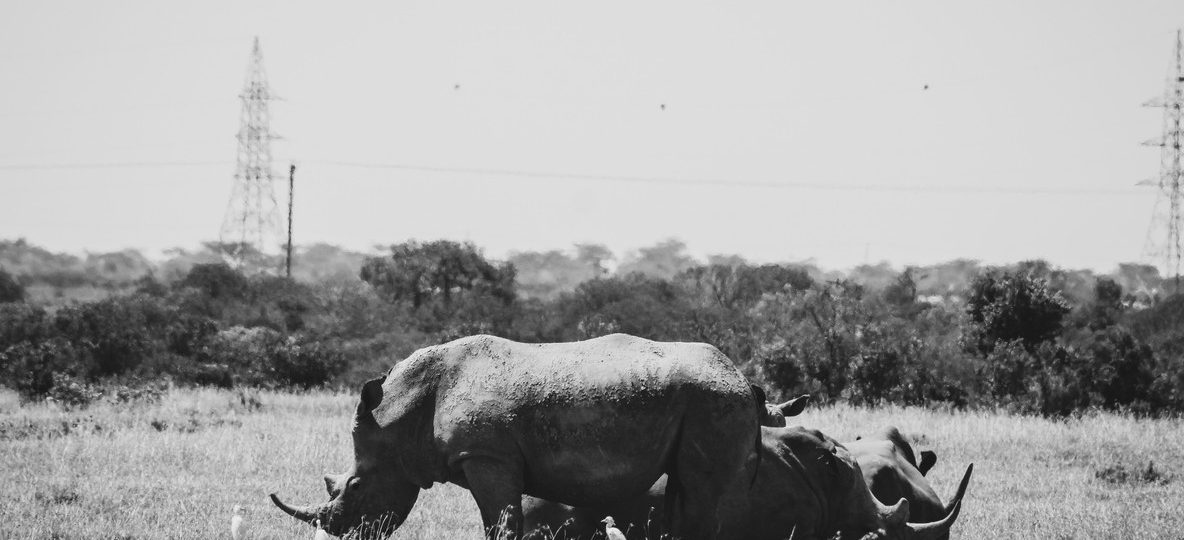
The british army anti poaching kenya partnership is one of the least talked about conservation stories in East Africa, yet it has shaped how rangers protect rhinos and elephants across Laikipia County for more than a decade. Since 2013, soldiers from the British Army Training Unit Kenya, known as BATUK, have trained Kenya Wildlife Service rangers, built patrol posts, and helped secure the private conservancies that now hold some of the world’s most valuable rhino populations.
For travelers who care about where their safari money goes, this story is worth knowing. It shows that the wildlife you see on a Laikipia game drive is protected by a working partnership between Kenyan rangers and international allies, not by luck. Trunktrails Safaris builds tours and safaris around this reality, and our guides brief guests on it before every trip into rhino country.
What Is BATUK and Why Is It in Kenya
BATUK stands for British Army Training Unit Kenya. It is a permanent training base built around Nyati Barracks at Laikipia Air Base in Nanyuki, about 200 km north of Nairobi, with a second logistics hub called Kifaru Barracks in Nairobi itself. Under a long-standing agreement with the Kenyan government, up to six British infantry battalions rotate through Kenya each year for eight-week field exercises, using the open bush and mountain terrain around Laikipia to prepare troops for deployments elsewhere in the world.
The base has existed for decades as a training ground, but it is the relationship BATUK built with Kenyan conservation agencies that matters most to safari travelers. Soldiers stationed near Nanyuki are surrounded by some of Kenya’s most important rhino sanctuaries, and that proximity turned into a genuine conservation partnership.
How the Anti-Poaching Partnership Started
The formal anti-poaching cooperation began in December 2013, when British Army personnel delivered patrolling and field training to rangers from the Kenya Wildlife Service, the Kenya Forest Service, and the Mount Kenya Trust. At the time, Kenya was in the middle of a serious poaching crisis, with rhino and elephant killings climbing sharply across the north.
British soldiers taught tracking, bushcraft, and small-unit patrol tactics, the same skills used in military field operations, adapted for rangers walking dense bush at night looking for poachers rather than enemy combatants. This tracker training became one of the most valuable, low-cost contributions the partnership could offer, because it multiplied the effectiveness of ranger teams who already knew the terrain but needed sharper patrol discipline.
Building Ranger Infrastructure Across Laikipia
Training was only the first phase. In 2017, BATUK’s engineers built patrol huts for Kenya Wildlife Service rangers and Mount Kenya Trust scouts, working alongside the Eden Wildlife Trust. These huts gave ranger teams a forward base in high-poaching-risk terrain, cutting the distance they needed to cover on daily patrols and giving them shelter during multi-day operations.
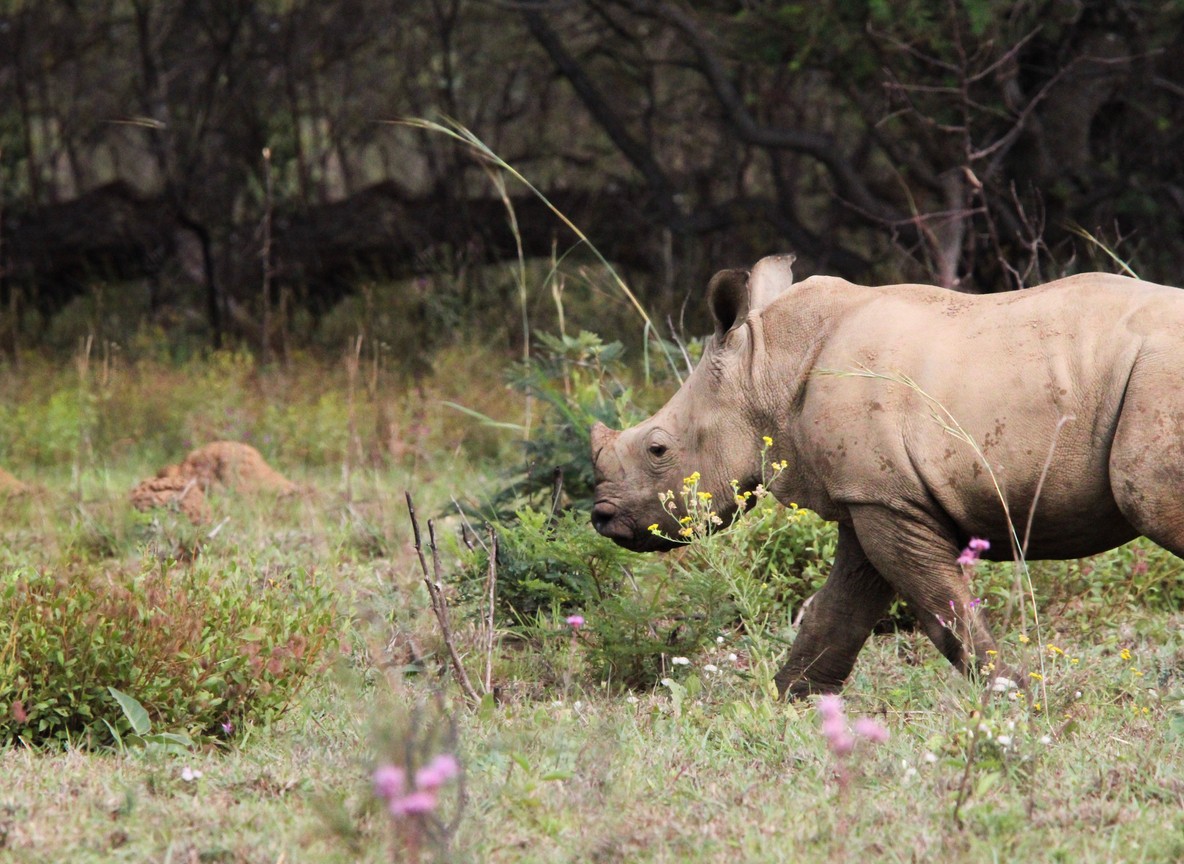
The partnership kept building. In September 2024, BATUK’s Training Wing helped erect fencing around Solio Ranch in Laikipia County, a 71 km2 private rhino sanctuary that sits between Mount Kenya and the Aberdare range. The fencing project was designed to deter poaching incursions and support safer rhino breeding conditions inside the reserve. Solio has functioned as one of Kenya’s original rhino breeding sanctuaries since the 1970s, and it has supplied founder rhino populations to conservancies across the country, including Lake Nakuru National Park.
The Partnership Timeline: Key Facts
| Year | Action | Location | Partners Involved |
|---|---|---|---|
| 2013 | First patrol and tracker training for rangers | Laikipia County, near Nanyuki | KWS, Kenya Forest Service, Mount Kenya Trust |
| 2017 | Patrol huts built for ranger forward bases | Mount Kenya region, Laikipia | BATUK, Mount Kenya Trust, Eden Wildlife Trust |
| 2024 (Sept) | Anti-poaching fencing erected around rhino sanctuary | Solio Ranch, Laikipia County | BATUK Training Wing, Solio Game Reserve |
| Ongoing | Up to 6 infantry battalions rotate through 8-week exercises annually | Nyati Barracks, Nanyuki | British Army, Kenya Defence Forces |
BATUK’s presence also supports the wider Laikipia economy. British Army activity in Kenya is estimated to contribute around GBP 58 million a year to the Kenyan economy, through local employment, supply contracts, and services around Nanyuki town.
Why Laikipia Became Kenya’s Rhino Stronghold
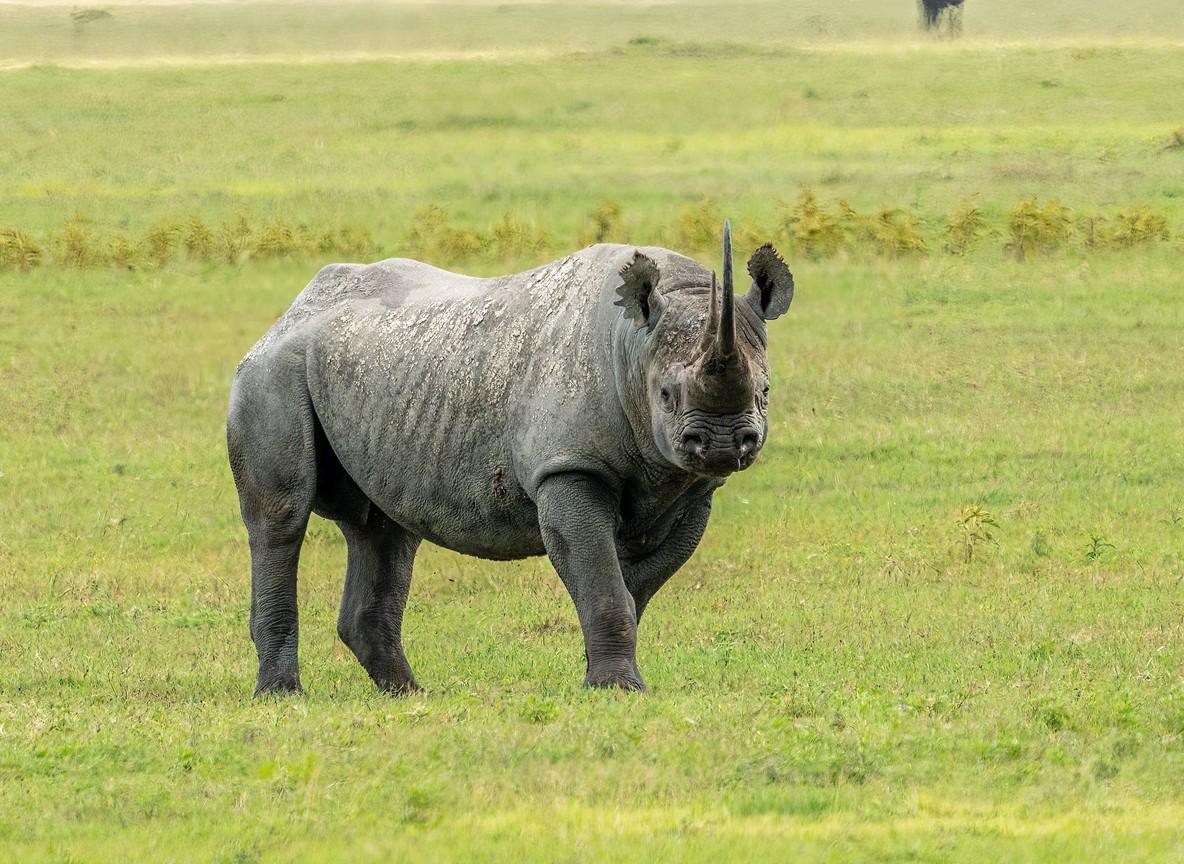
Laikipia County sits on the high plateau between Mount Kenya and the Aberdares, at an elevation that keeps the grasslands cooler and less prone to the extreme droughts that hit lower-lying parks. That combination of altitude, open bush, and decades of private conservancy management turned Laikipia into the safest place in Kenya to hold black and white rhino populations, species that are otherwise easy targets for poachers because of the value placed on rhino horn.
Three conservancies anchor this system, and each one has directly or indirectly benefited from the ranger training and infrastructure BATUK helped build.
| Conservancy | Size | Distance From Nanyuki | Entry Fee (Indicative, USD, 2026) | Notable Wildlife |
|---|---|---|---|---|
| Ol Pejeta Conservancy | 364 km2 | 20 km, 30-40 min drive | 110 adult non-resident | Last two northern white rhinos, largest black rhino sanctuary in East Africa |
| Lewa Wildlife Conservancy | 250 km2 | 85 km, roughly 1.5-2 hr drive | 100 adult non-resident, indicative | UNESCO World Heritage rhino sanctuary, Grevy’s zebra |
| Solio Ranch | 71 km2 | 45 km, roughly 1 hr drive | 70 adult non-resident, indicative | High-density black and white rhino breeding population |
Prices above are indicative ranges only and change by season and operator, so always confirm current rates before booking. Nanyuki itself is reachable from Nairobi by a roughly 3 hour drive covering 200 km, or a short flight of about 45 minutes into Nanyuki Airstrip.
What the Partnership Means for Kenya’s Poaching Numbers
Kenya’s rhino poaching crisis peaked around 2013, when dozens of rhinos were killed nationally in a single year. Since then, a combination of factors, better ranger training, tighter conservancy fencing, stronger prosecution of wildlife crime, and community-based intelligence networks, has pushed poaching incidents down sharply across Laikipia and the wider country.
The British Army anti-poaching partnership is one piece of that larger system, not the whole answer. Kenya Wildlife Service rangers do the daily patrol work, conservancies fund their own security teams, and community scouts provide intelligence that no outside partner could replace. What BATUK added was specialized field training and physical infrastructure at a moment when Kenyan agencies needed both, and that support has continued in smaller, targeted projects for more than ten years.
Visiting the Conservancies BATUK Helped Protect
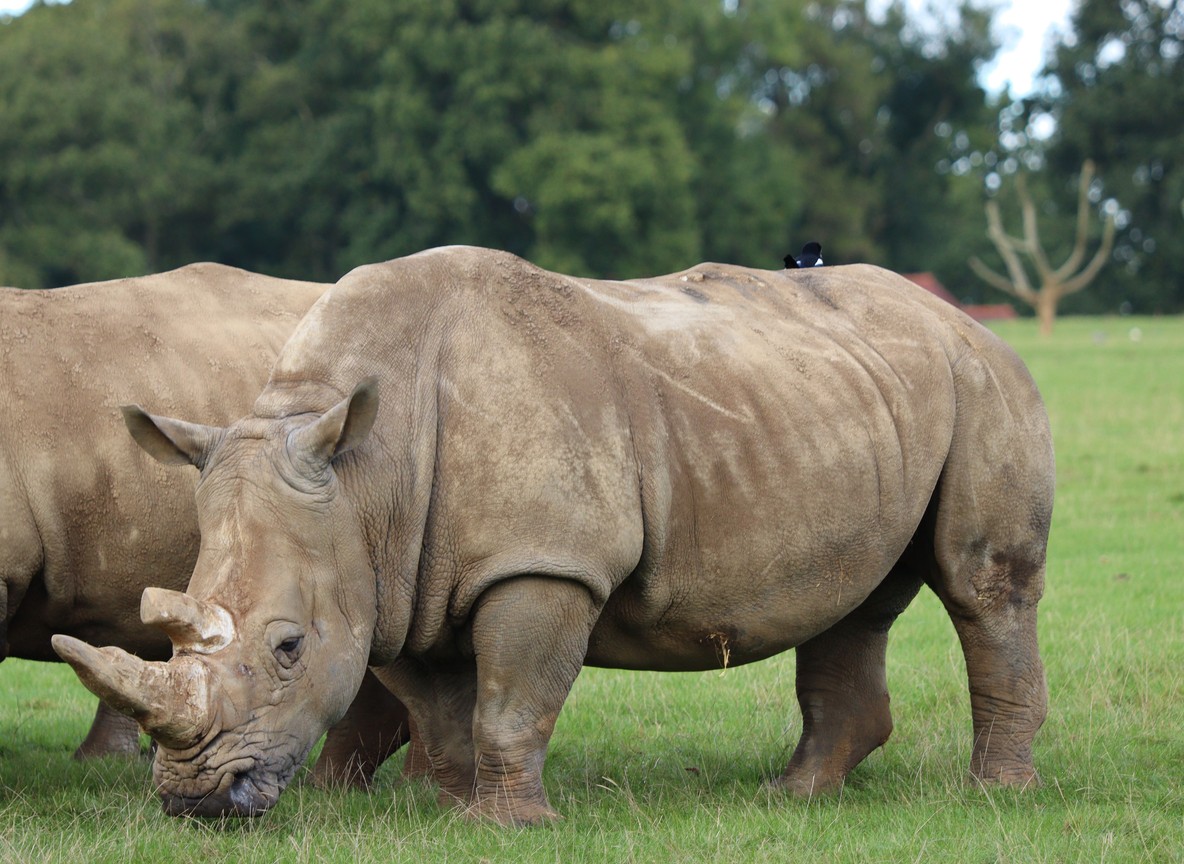
Travelers who want to see the results of this partnership in person can visit Ol Pejeta, Lewa, or Solio directly, all within a half day’s drive of each other around Nanyuki. Ol Pejeta remains the most visited, thanks to its size and its position as home to Najin and Fatu, the last two northern white rhinos left on the planet. Lewa offers a quieter, more exclusive rhino tracking experience and holds UNESCO World Heritage status alongside the wider Mount Kenya ecosystem. Solio is smaller and less commercialized, but it holds one of the highest rhino densities of any sanctuary in Kenya.
Each conservancy funds its own ranger teams through park fees, conservancy levies, and lodge partnerships, which means every visitor entry ticket contributes directly to the security systems that keep rhinos safe today. Booking tours and safaris that route through these three conservancies is one of the most direct ways a traveler can support that ranger network.
The Trunktrails Advantage
Trunktrails Safaris is a Kenyan-owned operator, and stories like the BATUK anti-poaching partnership shape how we plan every itinerary that passes through Laikipia’s rhino conservancies.
| What We Provide | What It Means for You |
|---|---|
| Kenyan-owned guiding team based on local knowledge | Accurate, current briefings on ranger and conservancy activity |
| Itineraries covering Ol Pejeta, Lewa, and Solio | Flexible rhino tracking options at different budgets and pacing |
| Conservation fee transparency | You see exactly how park fees fund ranger security |
| Small-group vehicles and experienced drivers | Lower disturbance to wildlife, better sightings and photos |
| Direct relationships with conservancy lodges | Smoother bookings and accurate availability |
Every trip booked through Trunktrails Safaris helps fund the ranger teams and conservancy security systems that keep Laikipia’s rhinos alive. Our guides do not just point out wildlife, they explain the protection system working behind every sighting. 🌍
Plan Your Laikipia Rhino Safari Today
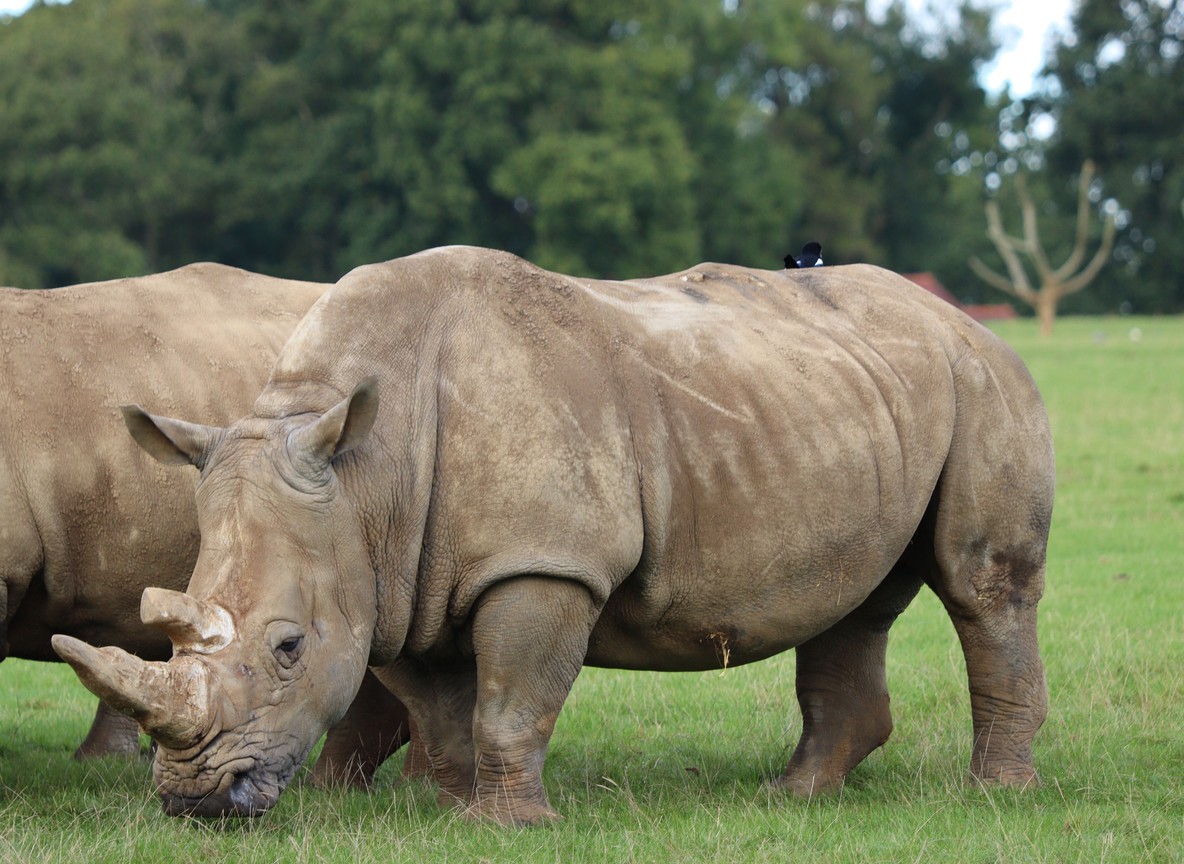
The british army anti poaching kenya partnership shows what happens when international allies back local rangers with real training and real infrastructure, and the payoff is visible every time a rhino calf is born safely inside Ol Pejeta, Lewa, or Solio. Seeing that protection system firsthand, standing close to a black rhino grazing in the shadow of Mount Kenya, is one of the most powerful experiences a Kenya safari can offer.
Further reading
More safari planning resources
- Ol Pejeta and Sweetwaters safari package from Valley Safaris
- Is Kenya safe to visit? on Touring Insights
- Big Five safari collection on FindMySafari
- Nairobi to Maasai Mara route guide from Valley Safaris
Message Trunktrails Safaris on WhatsApp at +254 113 208888, email info@trunktrailssafaris.com, or visit trunktrailssafaris.com to book tours and safaris into Laikipia’s rhino conservancies, and see the results of this anti-poaching partnership for yourself. ✨

