Rhino Conservation Internships in Kenya: How to Get Involved 🦏
Rhino conservation internships in Kenya put you directly on the ground with the sanctuaries and rangers protecting one of the world’s most trafficked animals. Kenya’s national wildlife census recorded 2,102 black rhino in 2026, up from fewer than 400 in the mid-1980s, making the country home to the third-largest black rhino population in Africa after South Africa and Namibia. That recovery did not happen by accident. It happened through decades of fieldwork, and internship programs are how a new generation gets trained into that work.
Trunktrails Safaris works with travelers who want more than a game drive past a rhino from a vehicle window. Whether you are a wildlife biology student, a gap-year traveler, or a career-changer chasing a real conservation credential, this guide breaks down where these internships run, what they actually involve, and how to plan the logistics around one with Trunktrails Safaris.
Why Kenya Is Ground Zero for Rhino Conservation
Kenya’s rhino recovery is concentrated almost entirely in Laikipia County, where private and community conservancies run intensive protection programs that national parks alone could not sustain. Ol Pejeta Conservancy, Lewa Wildlife Conservancy, Borana Conservancy, and Solio Ranch form a connected network of sanctuaries that between them hold the highest density of black and white rhino anywhere in the country. These same sites are also where the last two northern white rhinos on earth, Najin and Fatu, live under 24-hour armed guard at Ol Pejeta.
This concentration of both rhinos and conservation infrastructure is exactly why Laikipia has become the center of rhino conservation internships in Kenya. Researchers need field hands to log ID sightings, monitor dehorning programs, and support anti-poaching units, and conservancies have built structured internship pipelines to meet that need while training the conservationists of the next decade.
What a Rhino Conservation Internship in Kenya Actually Involves
Internship work is not passive observation. Most programs place interns alongside research and security teams doing tasks that feed directly into how a conservancy manages its rhino population.
- Individual ID monitoring. Every rhino at a major sanctuary is identified by ear notches, horn shape, and scars. Interns help maintain and update these ID sheets during patrols.
- Camera trap and GPS data. Reviewing footage and downloading collar data to track movement patterns and territory use.
- Anti-poaching unit support. Riding along on patrols, logging snare removals, and helping maintain radio and fence-line records (unarmed, non-combat roles).
- Veterinary and dehorning shadowing. Some programs allow interns to observe veterinary interventions, including preventive dehorning, from a safe distance.
- Community engagement. Visiting schools and neighboring communities as part of the human-wildlife conflict and benefit-sharing programs that keep local buy-in strong.
Top Places Offering Rhino Conservation Internships in Kenya
Program structures and fees vary by organization and change often, so treat the figures below as indicative starting points to confirm directly before applying.
| Site | Distance & Drive Time From Nairobi | Sanctuary Size | Rhino Population | Internship Focus |
|---|---|---|---|---|
| Ol Pejeta Conservancy (Nanyuki) | 200 km, 3-3.5 hr drive, or 40 min flight to Nanyuki | 90,000 acres (364 km²) | Over 140 black rhino, plus the last 2 northern white rhinos | Research, wildlife monitoring, anti-poaching support |
| Lewa Wildlife Conservancy (Isiolo) | 250 km, 4-4.5 hr drive, or 45 min flight to Lewa Airstrip | 62,000 acres (250 km²), UNESCO World Heritage Site | Over 170 black and white rhino | Conservation research, community programs |
| Solio Ranch (Nyeri) | 180 km, 3 hr drive | 17,500 acres (71 km²) | One of Africa’s oldest rhino breeding sanctuaries | Rhino monitoring, habitat and grazing management |
| Lake Nakuru National Park (KWS) | 160 km, 3 hr drive | 188 km², fenced sanctuary | Black and white rhino, KWS-managed | Ranger attachments through Kenya Wildlife Service |
| Nairobi National Park (KWS) | 10 km, 25 min from Nairobi CBD | 117 km² | Established black rhino sanctuary population | Short-term KWS attachments, easiest logistics |
Program fees for structured rhino internships in Kenya typically fall in an indicative range of USD 150 to 450 per week, though this varies significantly by organization, duration, and what is included, so always confirm current pricing before committing.
How to Apply for a Rhino Conservation Internship
- Shortlist your target organization. Ol Pejeta, Lewa, and Solio run their own structured programs. Kenya Wildlife Service also accepts attachments, usually through a formal letter of request rather than an online form.
- Check eligibility. Most programs require applicants to be 18 or older, though some accept 16 to 17 year olds with guardian consent. A background in biology, ecology, veterinary science, or environmental studies helps but is rarely mandatory.
- Submit your application. This usually means a CV, a short motivation letter, and sometimes a video or phone interview, submitted 2 to 3 months ahead of your intended start date.
- Confirm logistics. Visa (Kenya’s eTA system), flights into Jomo Kenyatta International Airport, travel insurance covering fieldwork, and transfer arrangements to the conservancy.
- Pay the program fee and book transport. Most sites are 3 to 4 hours from Nairobi by road, so ground transport needs to be arranged in advance, particularly for late-afternoon arrivals.
Rhino Conservation Internship vs Safari Volunteer Add-On
Not everyone wants a multi-week commitment, and it helps to know the difference before you book.
| Feature | Rhino Conservation Internship | Safari Volunteer Add-On |
|---|---|---|
| Duration | 2 to 12 weeks, structured schedule | 1 to 5 days, blended with regular game drives |
| Focus | Research, monitoring, and anti-poaching support | Light volunteer activity alongside a wildlife safari |
| Application process | Formal application, CV, sometimes an interview | Simple booking, no eligibility screening |
| Typical cost | Indicative program fee, USD 150-450 per week | Bundled into the wider safari package price |
| Best suited for | Students, early-career conservationists, gap-year travelers | Travelers who want a taste of conservation work during a shorter trip |
Trunktrails Safaris can help you plan either route, and many guests combine both: a short internship placement bookended by tours and safaris that cover the rest of Laikipia and beyond.
What to Expect Day to Day
Fieldwork days start early, usually before sunrise, when temperatures are cooler and rhino are most active near water points. Mornings are for patrols or data collection, midday brings a break during the heat, and afternoons often involve data entry, community visits, or briefings with the research team. Accommodation at most sites is shared dormitory or tented camp style, with meals provided as part of the program fee. It is physical work, done outdoors in dust and heat, and it is not the same pace as a leisure safari.
Costs, Duration, and What Is Included
Program fees generally cover accommodation, meals, in-country transport between the airstrip or gate and the site, and program supervision. They typically do not cover international flights, visa costs, travel insurance, or personal spending money. Shorter placements of 1 to 2 weeks sit at the lower end of the indicative fee range, while longer 8 to 12 week placements cost more in total but often reduce the per-week rate. Always request an itemized breakdown from the organization directly, since fees and inclusions change between seasons and program intakes.
Best Time of Year to Apply and Go
Rhino conservation internships in Kenya run year-round, but fieldwork logistics are easiest during the dry seasons, roughly January to February and June to October, when roads across Laikipia are more reliable and wildlife tends to concentrate near permanent water. Apply 2 to 3 months ahead of your target start date, since popular sites like Ol Pejeta and Lewa fill their intake slots quickly during the July to September peak season.
The Trunktrails Advantage
Trunktrails Safaris is a Kenyan-owned operator, and we build the travel side of a rhino conservation internship so you can focus on the fieldwork.
| What We Provide | What It Means for You |
|---|---|
| Airport transfers from Jomo Kenyatta International Airport | No logistics stress on arrival day |
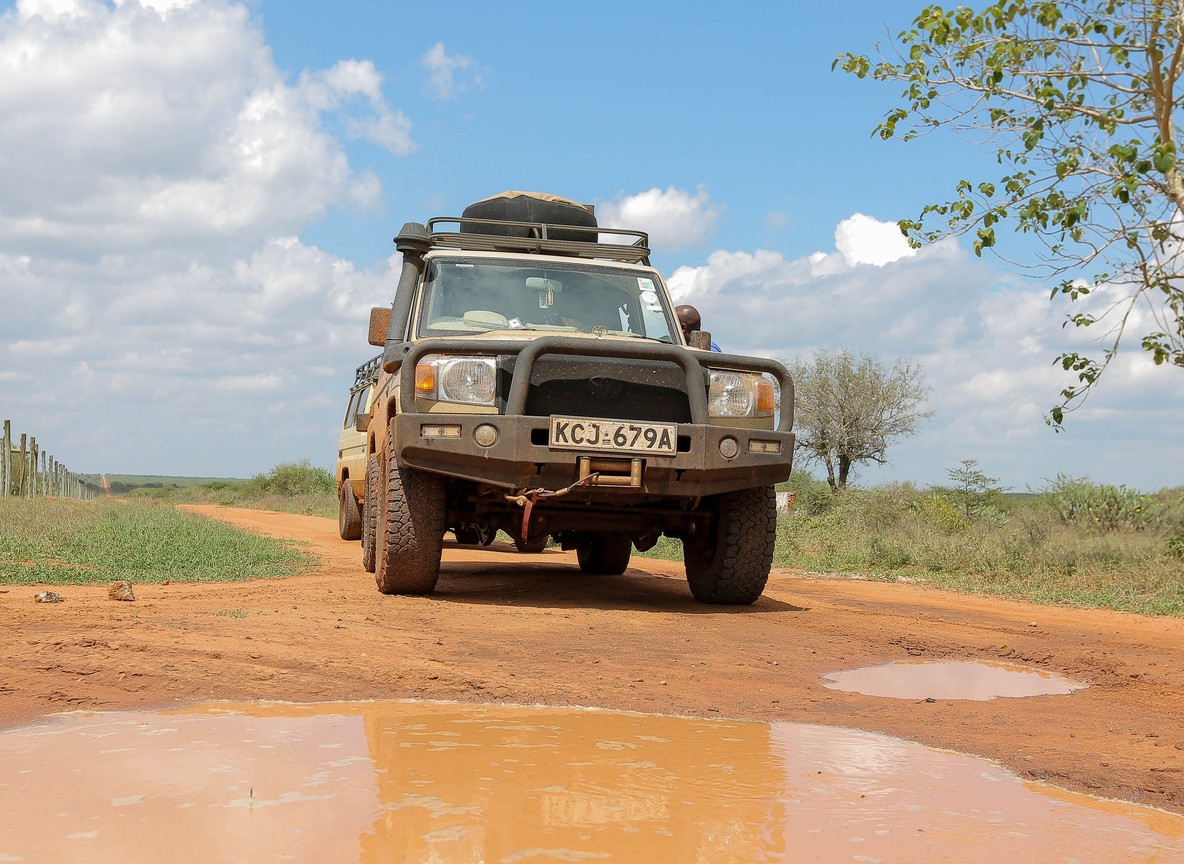
| Ground transport to Ol Pejeta, Lewa, Solio, and other Laikipia sites | Reliable 3-4 hour road transfers, arranged in advance |
| Pre- and post-internship safari extensions | See the Masai Mara, Amboseli, or Tsavo before or after your placement |
| Local, Kenyan-owned guiding team | On-the-ground knowledge of conservancy access rules and seasonal conditions |
| Transparent fee and logistics guidance | You know what is covered before you commit to a program |
Every trip we plan around a rhino internship pairs practical logistics with real tours and safaris across Kenya’s best wildlife regions, so your placement becomes part of a bigger, well-run trip rather than an isolated stopover. 🦏
Start Planning Your Rhino Conservation Placement
Kenya’s rhino recovery, from under 400 animals to over 2,100 today, was built by people willing to do the unglamorous fieldwork day after day. A rhino conservation internship puts you inside that story, and pairing it with the right tours and safaris around Laikipia and beyond turns a single placement into a complete Kenya trip.
Further reading
More safari planning resources
- Ol Pejeta and Sweetwaters safari package from Valley Safaris
- Kenya eTA and eVisa guide on Touring Insights
- Big Five safari collection on FindMySafari
- Nairobi to Maasai Mara route guide from Valley Safaris
Message Trunktrails Safaris on WhatsApp at +254 113 208888, email info@trunktrailssafaris.com, or visit trunktrailssafaris.com to start planning the logistics around your rhino conservation internship in Kenya. ✨