Wildlife Translocation Safari Kenya: Witnessing Conservation in Action
Kenya moves animals to save them. When a rhino population outgrows its home, or a species vanishes from a region, teams from the Kenya Wildlife Service and partner conservancies capture, transport, and release wildlife into safer ground. A wildlife translocation safari kenya trip lets you stand inside that story. You visit the conservancies where these operations landed, meet the people who run them, and watch recovering populations breed and roam. 🌍
Trunktrails Safaris builds these conservation-focused tours and safaris around real places with real results. This guide covers what translocation is, where to see its outcomes, what it costs, and how to plan a trip that puts your money where the wildlife is. No fluff, just the facts you need. 🐘
What a Wildlife Translocation Safari Actually Is
Let us be clear about one thing first. A translocation is a planned conservation operation, not a tourist show. The Kenya Wildlife Service does not sell tickets to a rhino capture. These moves happen quietly, often at night, with vets, trucks, and helicopters, away from crowds.
So what do you actually witness? You witness the result. A wildlife translocation safari kenya itinerary takes you to the sanctuaries and conservancies that received the animals. You track black rhino that were born after a founder group arrived. You watch Rothschild’s giraffe browse a shoreline they only reached by barge. You sit with rangers who guarded the founder herds through their first fragile months.
The lens here is why. Why move a rhino 300 km across the country? Because a single poaching wave or drought can wipe out an isolated group. Spreading animals across protected homes is how Kenya rebuilds numbers that once looked lost.
Kenya Rhino Translocation: The Headline Story
Rhinos are the flagship of Kenya rhino translocation work. The country holds roughly 1,000 black rhinos and a growing number of southern white rhinos, and almost every one of them lives inside a fenced or heavily guarded sanctuary built or restocked by translocation.
The most famous recent move happened in January 2024. Rangers relocated 21 eastern black rhinos to Loisaba Conservancy in Laikipia, bringing the species back to that land after an absence of more than 50 years. It was one of the largest black rhino translocations ever attempted in Kenya. Founder rhinos came from Ol Pejeta, Lewa, and Nairobi National Park, the three strongholds that now seed new populations across the country.
These source sanctuaries are open to visitors. That is the heart of a conservation safari kenya trip. You do not just read about recovery. You drive through it.
Where to See Conservation in Action: Named Places and Real Data
Here is the concrete planning data. Fees are indicative 2026 non-resident ranges and shift by season, so treat them as a guide, not a quote.
| Conservancy / Park | Size | What You See | Conservation / Entry Fee (pp/day) | Access from Nairobi |
|---|---|---|---|---|
| Ol Pejeta Conservancy | approx 360 km2 | Largest black rhino sanctuary in East Africa; last 2 northern white rhinos | approx USD 100 to 110 | approx 200 km, 3.5 to 4 hrs drive; or 45 min flight to Nanyuki |
| Lewa Wildlife Conservancy | approx 250 km2 | Black and white rhino, Grevy’s zebra founder herds | approx USD 110 to 146 | approx 290 km, 4.5 to 5 hrs; Lewa Downs airstrip approx 1 hr flight |
| Loisaba Conservancy | approx 230 km2 | 2024 black rhino reintroduction, elephant corridors | approx USD 100 to 130 | Fly-in from Wilson approx 1 hr; drive approx 7 hrs |
| Lake Nakuru National Park | approx 188 km2 | Fenced rhino sanctuary, both black and white rhino | approx USD 60 | approx 160 km, 2.5 to 3 hrs drive |
| Meru National Park | approx 870 km2 | Rhino sanctuary, Tsavo-Meru restocking history | approx USD 60 | approx 230 km, 4.5 to 5 hrs drive |
| Ruko Community Conservancy | Lake Baringo | Rothschild’s giraffe moved by barge from Longicharo Island | Community fee, approx USD 20 to 40 | approx 270 km, 4.5 hrs to Baringo |
Every place in that table is a translocation outcome you can visit on a Trunktrails Safaris itinerary.
Ol Pejeta Rhino Safari: The Flagship Visit
An ol pejeta rhino safari is the easiest entry point for most travelers. Ol Pejeta sits on the Laikipia plateau under Mount Kenya, holds more than 160 black rhinos, and protects Najin and Fatu, the last two northern white rhinos on Earth. Guarded around the clock, they are watched by armed rangers you can meet.
The conservancy runs guided rhino tracking on foot, a chimpanzee sanctuary at Sweetwaters, and behind-the-scenes visits that explain how founder animals settle after a move. For a wildlife enthusiast, the value is direct. Your conservancy fee funds the very fences, vehicles, and ranger salaries that make the next translocation possible.
Ol Pejeta pairs neatly with a wider northern loop through Samburu and Laikipia, so many of our guests treat it as day one of a longer conservation route.
Loisaba Conservancy Safari: A Homecoming You Can Witness
A loisaba conservancy safari is the freshest chapter in this story. When the 21 black rhinos arrived in early 2024, they entered a purpose-built 12,000-hectare sanctuary inside the wider conservancy. Loisaba spent years clearing the ground, training rangers, and building holding bomas before a single rhino moved.
Today you can stay at Loisaba Tented Camp or Lodo Springs, take guided drives, and hear the reintroduction story from the teams who lived it. This is conservation with the paint still wet. Few places on any Kenya safari let you stand where a species returned within living memory.
The Giraffe That Traveled by Barge
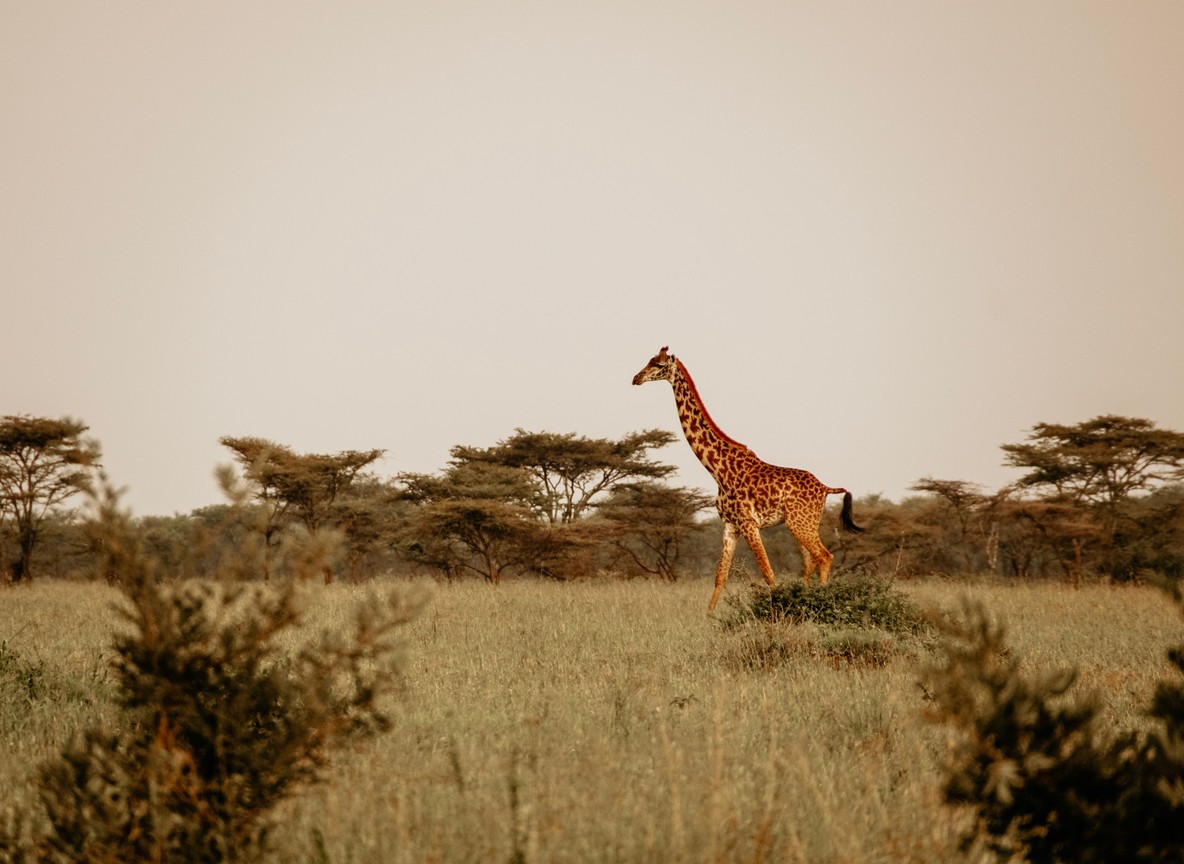
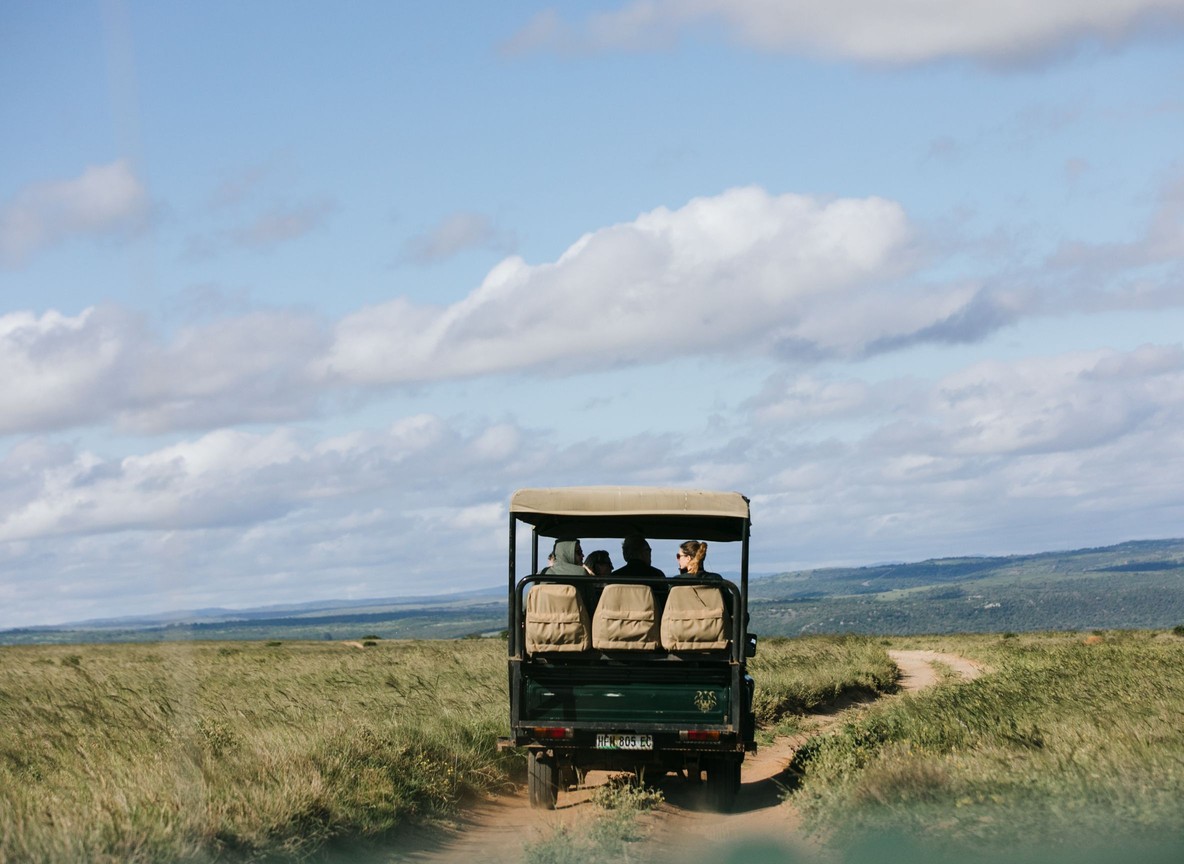
Not every translocation moves by truck. One of Kenya’s best-loved conservation stories played out on Lake Baringo. A small group of endangered Rothschild’s giraffe had become stranded on Longicharo Island as rising lake waters cut off their peninsula. Rescuing them meant floating each animal across open water on a custom steel barge nicknamed the GiraRaft.
Between late 2020 and 2021, teams ferried nine giraffe one by one to safe ground inside Ruko Community Conservancy, a project run jointly by the rival Il Chamus and Pokot communities. The giraffe now browse the shoreline as a living peace symbol between the two groups. A visit here is one of the most unusual stops on any conservation safari kenya route, and the boat crossing to reach it is part of the adventure.
Black Rhino Sanctuary Kenya: Why the Fences Matter
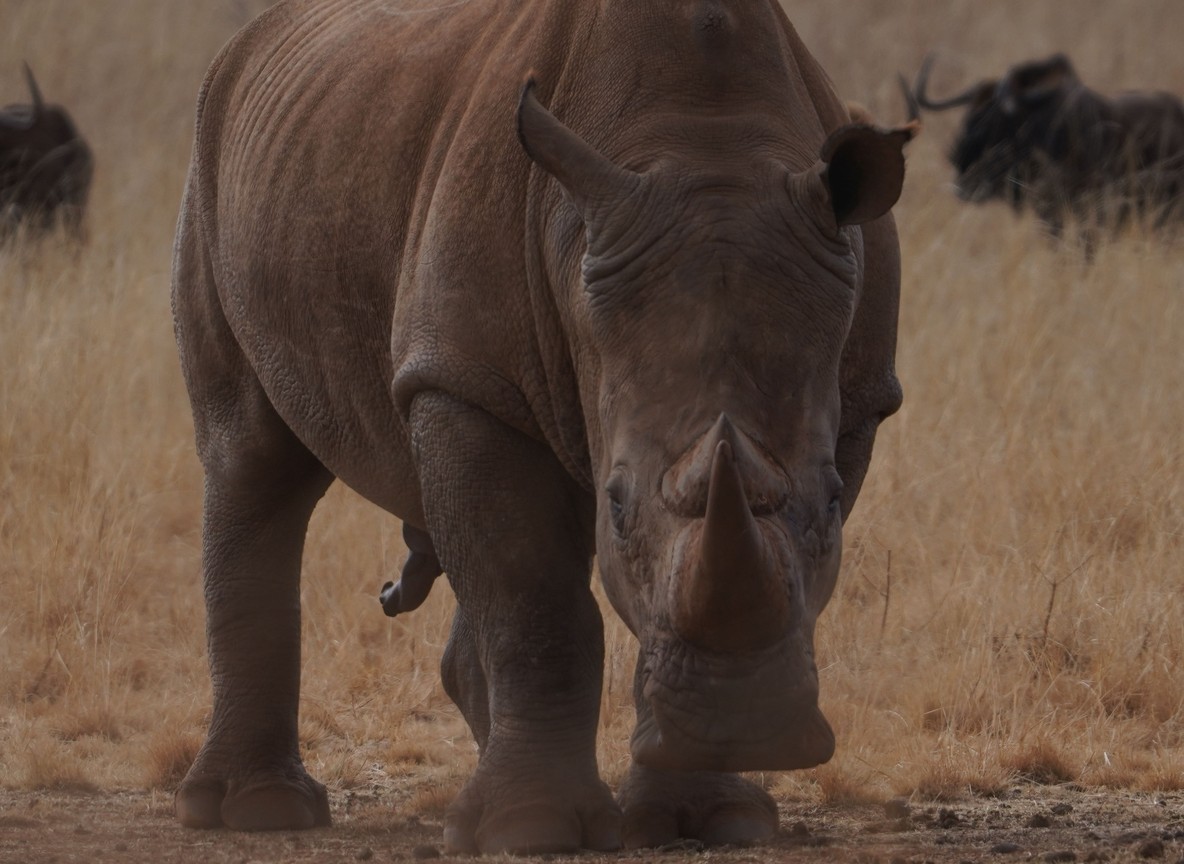
People sometimes ask why a black rhino sanctuary kenya site needs fences at all. The honest answer is protection. Rhino horn still draws poachers, so Kenya concentrates rhinos where rangers, sniffer dogs, and technology can guard them. Lake Nakuru, Nairobi, Meru, Ol Pejeta, and Lewa all run this fortress model, and it works. Kenya’s black rhino numbers have climbed steadily for two decades.
Translocation is the pressure valve. Once a sanctuary fills up, breeding slows and fighting rises, so surplus animals move to found new groups. That cycle is why your visit matters. Full sanctuaries are a success problem, and tourism revenue helps fund the next move.
Best Time to Plan Your Conservation Safari
You can visit these conservancies all year, because the wildlife stays put. The dry months of June to October and December to March give the easiest game viewing and firmer roads. Green-season months from March to May bring newborn animals and lower rates, a fair trade if you do not mind occasional rain.
Translocations themselves usually run in cooler, calmer windows, but their timing is never fixed to a tourist calendar. Come for the outcome, not the operation, and you will never be disappointed by the animals already on the ground.
The Trunktrails Advantage
Trunktrails Safaris is a native Kenyan-owned operator, and conservation routing is something we know from the inside. Here is what sets our tours and safaris apart on this kind of trip.
- We route by outcome, not by brochure. We send you to conservancies where your fees fund active protection, and we tell you exactly what those fees pay for.
- We connect you with the people. Our guides arrange ranger meetings, rhino tracking, and conservancy talks so you understand the work, not just the wildlife.
- We book the right camps. From Loisaba Tented Camp to Lewa Safari Camp, we place you inside the conservancies, so your bed night supports the land you came to see.
- We plan honest logistics. Real drive times, real flight links from Wilson Airport, and clear indicative pricing before you commit.
- We keep our claims clean. We never invent awards or overstate what a translocation trip includes. You get the truth about what you will and will not witness.
This is how tours and safaris should work when conservation is the point. 📸
Ready to Witness Conservation in Action?
Kenya’s recovering rhinos, giraffe, and Grevy’s zebra are proof that translocation works, and the conservancies that hold them are ready to welcome you. Let Trunktrails Safaris build a wildlife translocation safari kenya route that puts you beside the founder herds and the rangers who guard them.
Message us now and we will start shaping your conservation itinerary today.
Further reading
More safari planning resources
- Ol Pejeta and Sweetwaters safari package from Valley Safaris
- Best time to visit Kenya on Touring Insights
- Big Five safari collection on FindMySafari
- Nairobi to Maasai Mara route guide from Valley Safaris
- WhatsApp: +254 113 208888
- Email: info@trunktrailssafaris.com
- Website: trunktrailssafaris.com
Your seat is waiting. The rhinos are already home. ✨