Where to See Black Rhino in Kenya Today 🦏
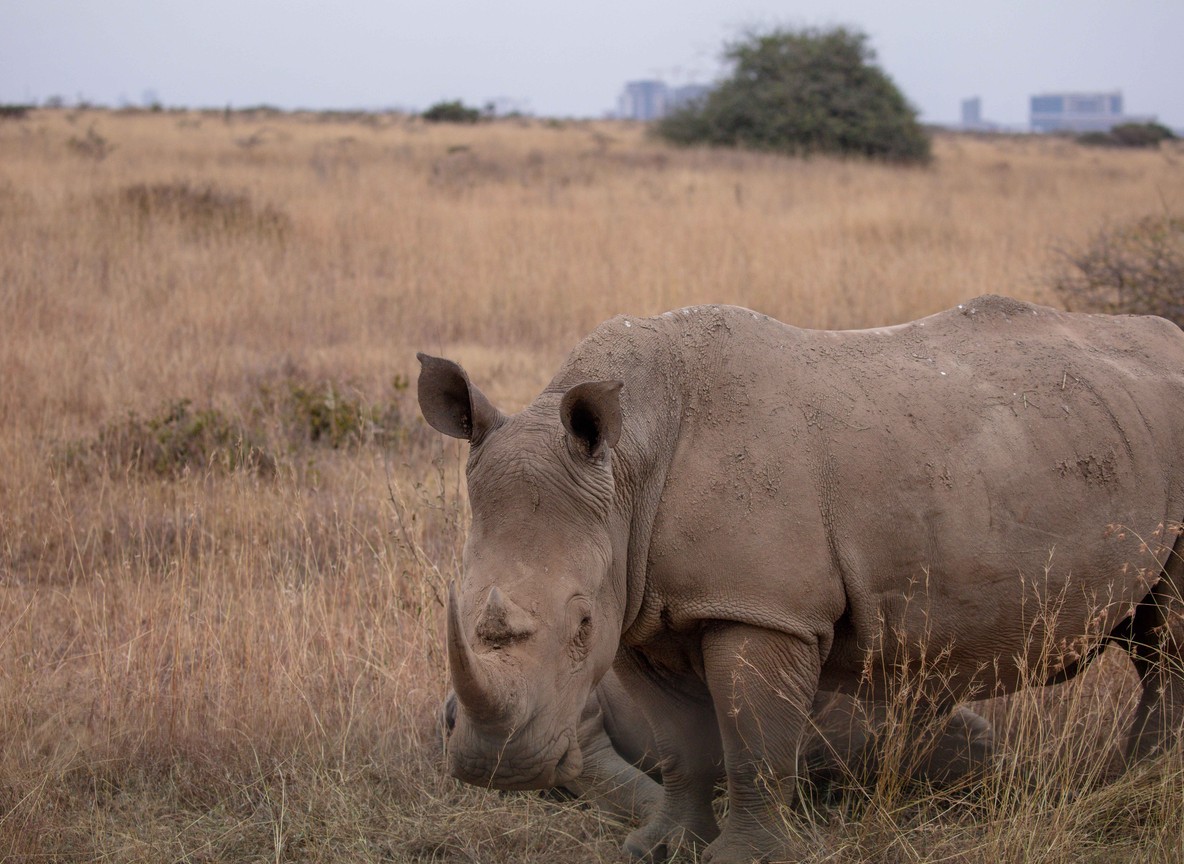
Seeing a black rhino in Kenya today means going to one of a handful of protected sanctuaries. These places exist to keep this species safe. Black rhinos are browsers, not grazers. They are also far more solitary and harder to spot than their wider-mouthed white rhino cousins. Kenya holds one of the largest black rhino populations left on the continent. Nearly all of it lives inside fenced or intensively guarded conservancies, where rangers track every individual animal by name.
That protection is not incidental. Poaching pushed Kenya’s black rhino numbers down by more than 90 percent between the 1970s and the 1990s. The recovery since then has been slow, expensive, and deliberate. Trunktrails Safaris builds rhino-tracking days around the handful of places where that recovery is actually visible. Guests come away understanding what they are looking at, not just photographing it.
Most first-time visitors assume a black rhino sighting can happen anywhere on a general game drive, the way a lion or an elephant might appear. In practice, black rhino sightings in Kenya are concentrated almost entirely inside the sanctuaries below. That concentration of rangers, fencing, and monitoring is exactly what has kept the species alive.
Fast Facts: Black Rhino Sanctuaries in Kenya
| Sanctuary | Size | Distance From Nairobi | Drive Time | Entry Fee (Indicative, USD) |
|---|---|---|---|---|
| Ol Pejeta Conservancy | 364 km² (90,000 acres) | 200 km, near Nanyuki | 3.5-4 hr drive or 40 min flight to Nanyuki Airport | 90 pp, indicative |
| Lake Nakuru National Park | 188 km², fully fenced | 160 km | 3 hr drive | 60 pp, indicative |
| Nairobi National Park | 117 km², fenced on 3 sides | 7 km from CBD | 20-30 min drive | 52 pp, indicative |
| Aberdare National Park | 766 km² | 150 km, via Nyeri | 3 hr drive | 60 pp, indicative |
| Solio Game Reserve (private) | 72 km² | 170 km, near Nyeri | 3 hr drive | 50 pp, indicative |
Prices above are indicative ranges only. Fees change by season and operator, so always confirm current rates before booking tours and safaris.
Ol Pejeta Conservancy: Kenya’s Largest Black Rhino Population
Ol Pejeta Conservancy sits between Nanyuki and Nyeri at the foot of Mount Kenya. It protects one of the largest single black rhino populations remaining in Africa. The conservancy runs its own armed ranger units, a canine anti-poaching unit, and a dedicated rhino monitoring team that logs a sighting on every animal daily. Ol Pejeta is also home to Najin and Fatu, the last two northern white rhinos on Earth. That makes it a rare place where guests can compare both rhino species in one visit.
Access is straightforward from Nanyuki town. Most Trunktrails Safaris itineraries combine Ol Pejeta with a night at a Mount Kenya-facing lodge before continuing north toward Samburu or Laikipia. The conservancy’s size means game drives can run a full morning without repeating the same stretch of road twice. That is part of why so many of our tours and safaris built around Laikipia use Ol Pejeta as the anchor stop.
Lake Nakuru National Park: Rhino Sanctuary Behind a Perimeter Fence
Lake Nakuru National Park was one of the first parks in Kenya to be fully fenced specifically to protect black and white rhino from poaching. That fence has made it one of the most reliable places in the country to actually find one. The park is compact at 188 km², which concentrates wildlife and shortens the time between game drive stops.
Rangers here work the acacia woodland south of the lake and the open grassland to the east, both areas black rhinos favor for browsing. Lake Nakuru pairs well with a Rift Valley circuit. It sits only 3 hours from Nairobi by road, so it works as a first or last stop on a longer Kenya itinerary.
Nairobi National Park: Rhino Tracking Minutes From the City
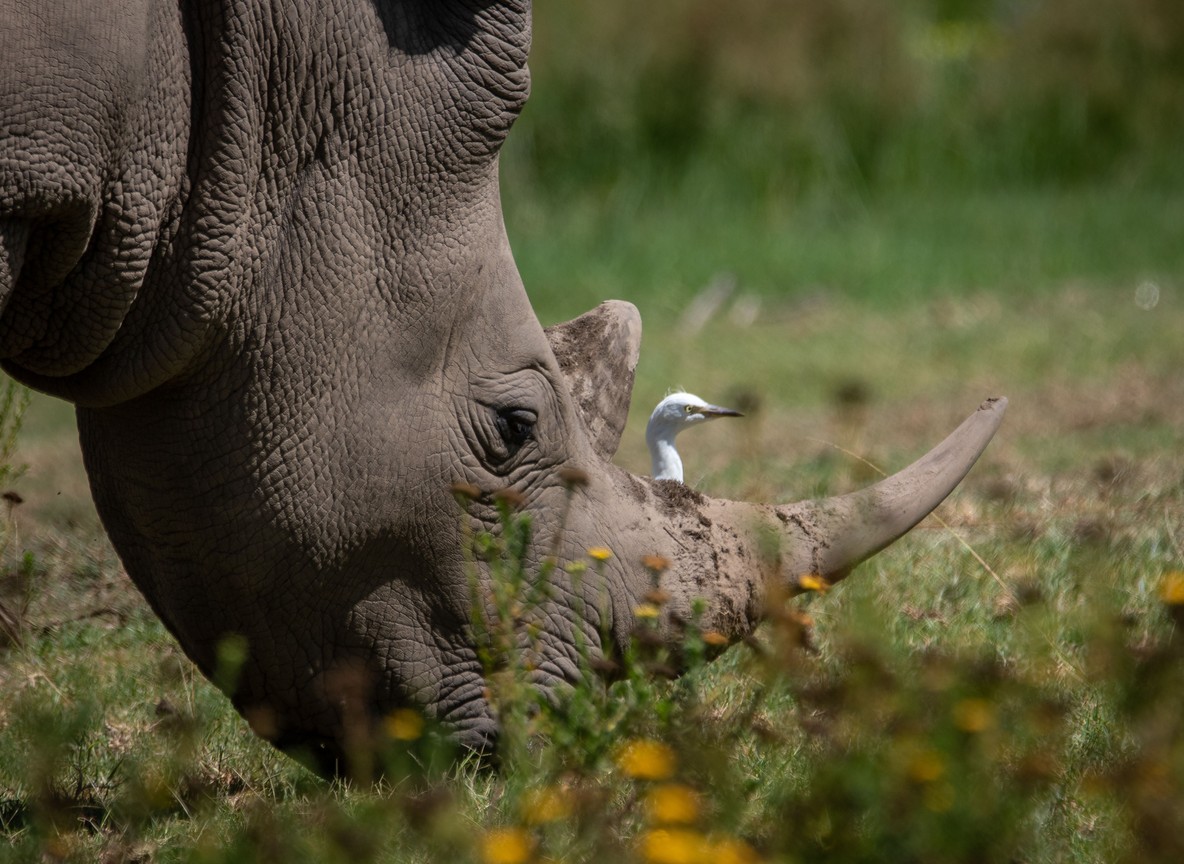
Nairobi National Park is the only park in the world bordering a capital city. It holds a real, breeding black rhino population inside a fence line just 7 km from downtown Nairobi. For travelers with a short layover or a tight schedule before an international flight, this is the fastest way to see a wild black rhino in Kenya without leaving the city limits.
The park’s open plains in the southern half give rangers and guides clear sightlines. Early morning drives before the midday heat tend to produce the best sightings. It is a smaller, quieter alternative to the bigger sanctuaries further north, but the animals here are just as wild.
Aberdare National Park: Black Rhino in Highland Forest and Moorland
Aberdare National Park protects a very different black rhino habitat: dense highland forest and open moorland above 3,000 meters. The Aberdare Conservation Area is ringed by an electric fence built through the Rhino Ark charity. It exists specifically to stop human-wildlife conflict and poaching, and the black rhino population inside has grown steadily under that protection.
Sightings take patience here because the forest cover is thicker than the open savanna further south. Guides who know the salt lick clearings and forest edges give guests a real shot at a sighting most travelers never expect this close to Nyeri.
Solio Game Reserve: One of Kenya’s Original Rhino Success Stories
Solio Game Reserve is a private sanctuary between the Aberdares and Mount Kenya. It has one of the highest rhino densities anywhere in Kenya relative to its size. Solio began as a cattle ranch that converted part of its land into a rhino breeding sanctuary decades ago. It has since supplied founder rhino populations to other Kenyan parks and conservancies rebuilding their own herds.
Because Solio is compact and privately managed, sightings tend to happen fast, often within the first hour of a game drive. Trunktrails Safaris often routes guests through Solio as an add-on day from a Mount Kenya or Aberdare base, rather than as a standalone destination.
Masai Mara: A Smaller, Harder-Won Sighting
Black rhinos also survive in small numbers inside the Masai Mara National Reserve, particularly in the Mara Triangle patrolled by the Mara Conservancy. Numbers here are far lower than at the dedicated sanctuaries, and sightings are genuinely rare. For travelers already building a Mara itinerary around the wildebeest migration, it still adds a real chance at seeing all of the traditional Big Five in one reserve.
Guides who spend the most time in the Mara Triangle know which patches of riverine thicket a resident rhino has favored in recent weeks. A dedicated rhino-focused drive with an experienced local guide performs far better than a general game drive hoping for a lucky pass.
Comparing Your Black Rhino Safari Options
| If You Want. | Best Sanctuary |
|---|---|
| The highest chance of multiple sightings in one drive | Ol Pejeta Conservancy or Solio Game Reserve |
| A fast trip near Nairobi before a flight | Nairobi National Park |
| To combine rhino tracking with a Rift Valley lake circuit | Lake Nakuru National Park |
| Forest and highland scenery alongside the sighting | Aberdare National Park |
| To see both black rhino and the Great Migration | Masai Mara National Reserve |
The Trunktrails Advantage
Trunktrails Safaris is a Kenyan-owned operator. Our guides build rhino-tracking days around where each sanctuary’s population is actually concentrated that week, not a fixed route repeated for every guest.
| What We Provide | What It Means for You |
|---|---|
| Local, Kenyan-owned guiding team | Current knowledge of ranger patrol zones and recent sightings |
| Multi-sanctuary itinerary design | Combine Ol Pejeta, Solio, or Nakuru without wasted driving days |
| Conservation fee transparency | You see how park and conservancy fees fund anti-poaching units |
| Small-group game drives | Quieter approaches that improve black rhino sighting odds |
| Direct KWS and conservancy relationships | Faster permits and better-informed rangers on the ground |
Every trip booked through Trunktrails Safaris helps fund the rangers, fence lines, and monitoring teams keeping Kenya’s black rhino population alive. Our guides do not just find the rhino. They explain the decades of work behind every sighting. ✨
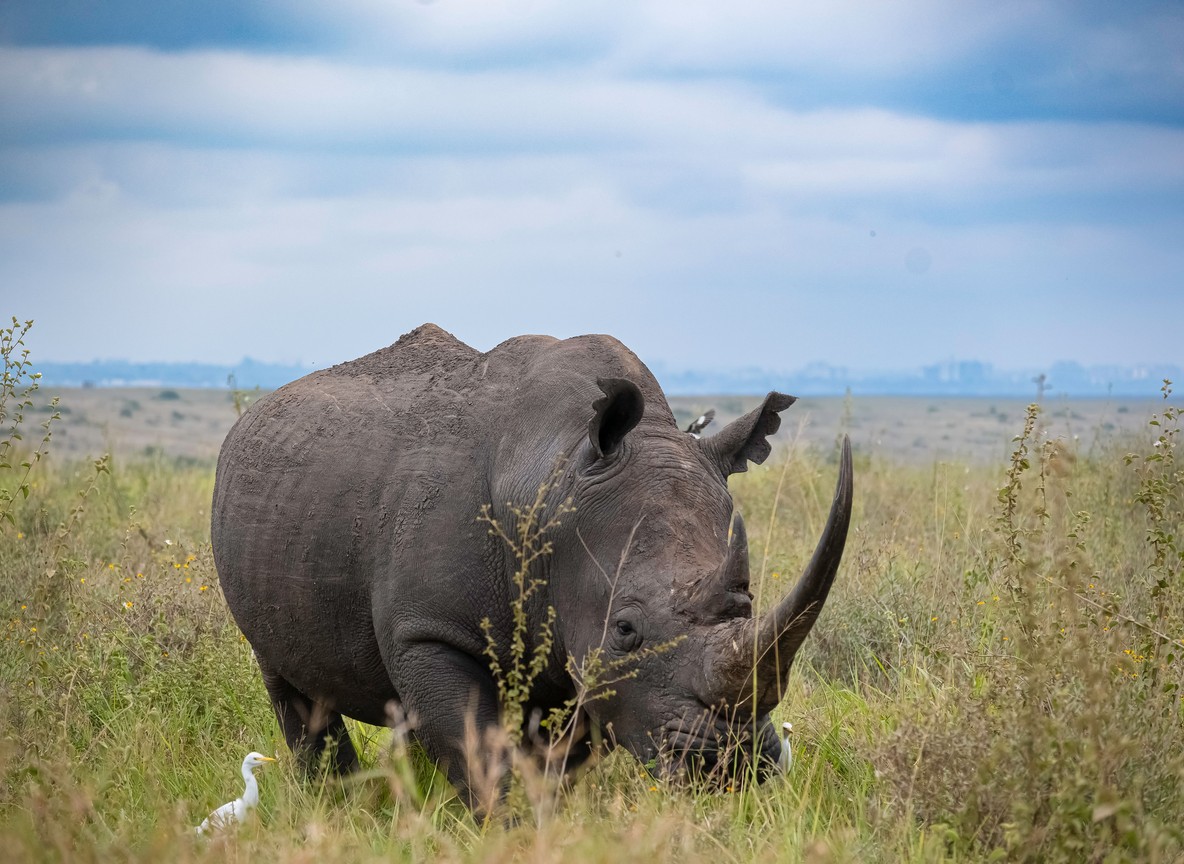
See a Black Rhino in Kenya on Your Next Safari
There are fewer places on Earth where you can look a black rhino in the eye than there are countries that still have them at all. Kenya holds some of the best odds anywhere. Picture a dawn drive at Ol Pejeta with Mount Kenya rising behind the herd, or a quiet fenced woodland at Lake Nakuru where a calf steps out of the acacia thicket ahead of your vehicle. This is a sighting worth building a whole trip around.
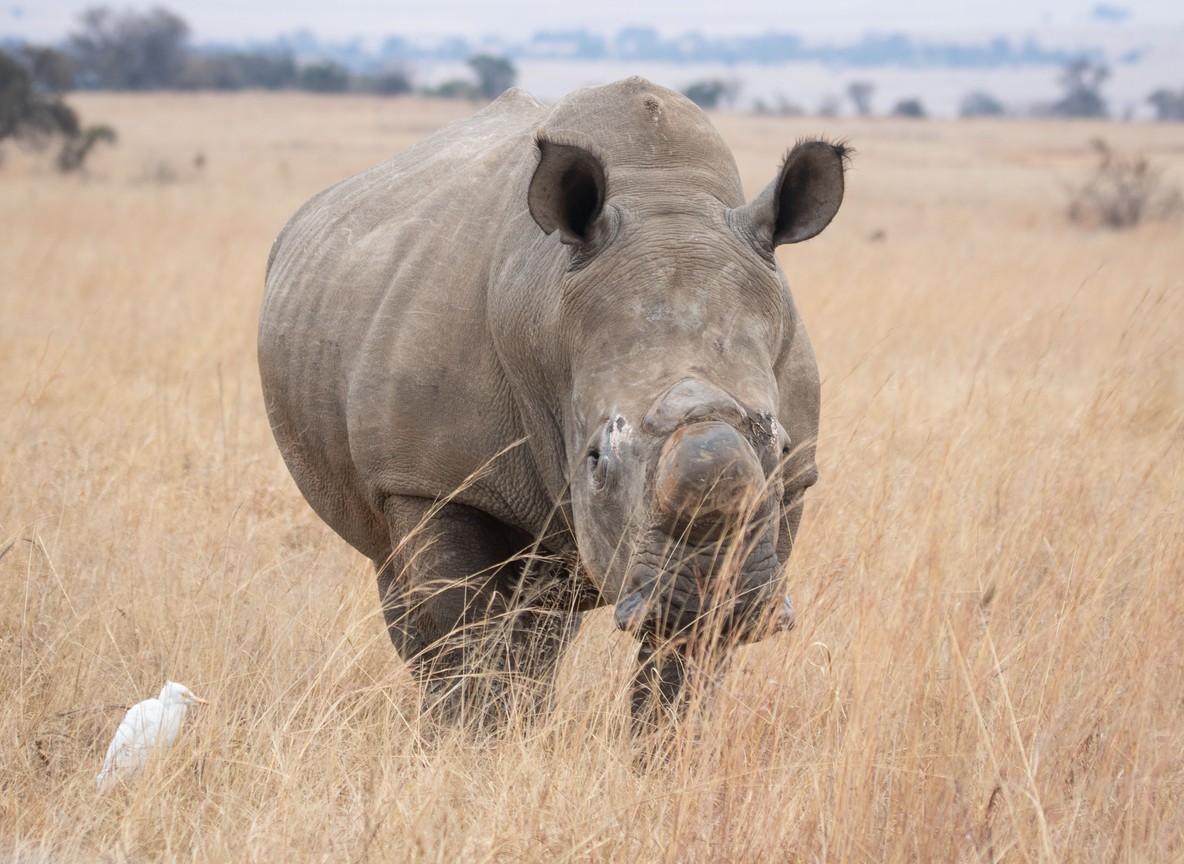
Further reading
More safari planning resources
- Kenya national parks map from Valley Safaris
- Maasai Mara National Reserve guide on Touring Insights
- Big Five safari collection on FindMySafari
- Nairobi to Maasai Mara route guide from Valley Safaris
Message Trunktrails Safaris on WhatsApp at +254 113 208888, email info@trunktrailssafaris.com, or visit trunktrailssafaris.com to plan tours and safaris built around Kenya’s black rhino sanctuaries. 📸