
Kenya Wildlife Corridors: Why Elephants Are Being Moved and What It Means for Safari
Elephants do not respect park boundaries. A single bull can walk 50 kilometres in a night, following ancient routes his herd has used for generations. Kenya wildlife corridors are the strips of land that keep those routes open between national parks, and right now they are one of the most important conservation stories in the country. This guide explains why elephants are being moved, which corridors matter, and what all of this means for the safari you are planning. 🐘
Kenya holds roughly 36,000 elephants, and that number has climbed steadily since the poaching crisis of the last decade. Success brings a new problem. More elephants need more room, and the open land they once roamed is now cut by farms, fences, roads, and towns. Corridors and carefully managed relocations are how Kenya keeps its giants moving without walking into conflict with people.
What a Wildlife Corridor Actually Is
A wildlife corridor is a protected or community-managed strip of land that connects two larger habitats. It lets animals move between them to feed, breed, and find water without being trapped in a single fenced island. For elephants, which need huge ranges and long seasonal migrations, these links are the difference between a healthy population and a stranded one.
Kenya’s flagship parks were never designed to work alone. Amboseli covers only about 392 square kilometres, which cannot hold its elephants year round. The animals depend on the swamps inside the park in the dry season, then spread far outside it when the rains come. Without corridors, that natural rhythm collapses, and herds get boxed into shrinking pockets of land.
This is why conservation planners now talk about connected landscapes rather than single parks. The goal is a network where elephants, zebra, wildebeest, and predators can move as they always have. That thinking shapes how the best operators design tours and safaris across the southern circuit today.
Why Elephants Are Being Moved
Elephant translocation in Kenya happens for two main reasons, and both come from the same root cause: there are more elephants than the fragmented land can comfortably hold.
The first reason is human wildlife conflict. When corridors close, elephants raid crops, break water pipes, and sometimes injure people. Kenya Wildlife Service records hundreds of conflict incidents a year around parks like Amboseli, Mwea, and the Mount Kenya forest edge. Moving problem herds to safer, larger habitats protects both farmers and elephants.
The second reason is population balance. Some reserves, such as the small Mwea National Reserve, end up holding far more elephants than their vegetation can support. Kenya Wildlife Service has run major translocation operations to shift dozens of elephants from crowded pockets into parks like Tsavo, which has the space to absorb them. A single translocation can involve tranquilising animals from the air, craning them onto trucks, and driving them hundreds of kilometres overnight.
Relocation is a last resort, not a first choice. It is expensive, risky for the animals, and only treats the symptom. The long-term fix is keeping corridors open so elephants move themselves, which is exactly what conservancies along the Amboseli-Tsavo landscape are working to secure.
The Corridors That Matter Most
Three corridors in southern Kenya carry most of the country’s elephant traffic, and all three sit inside the safari regions travellers already visit.
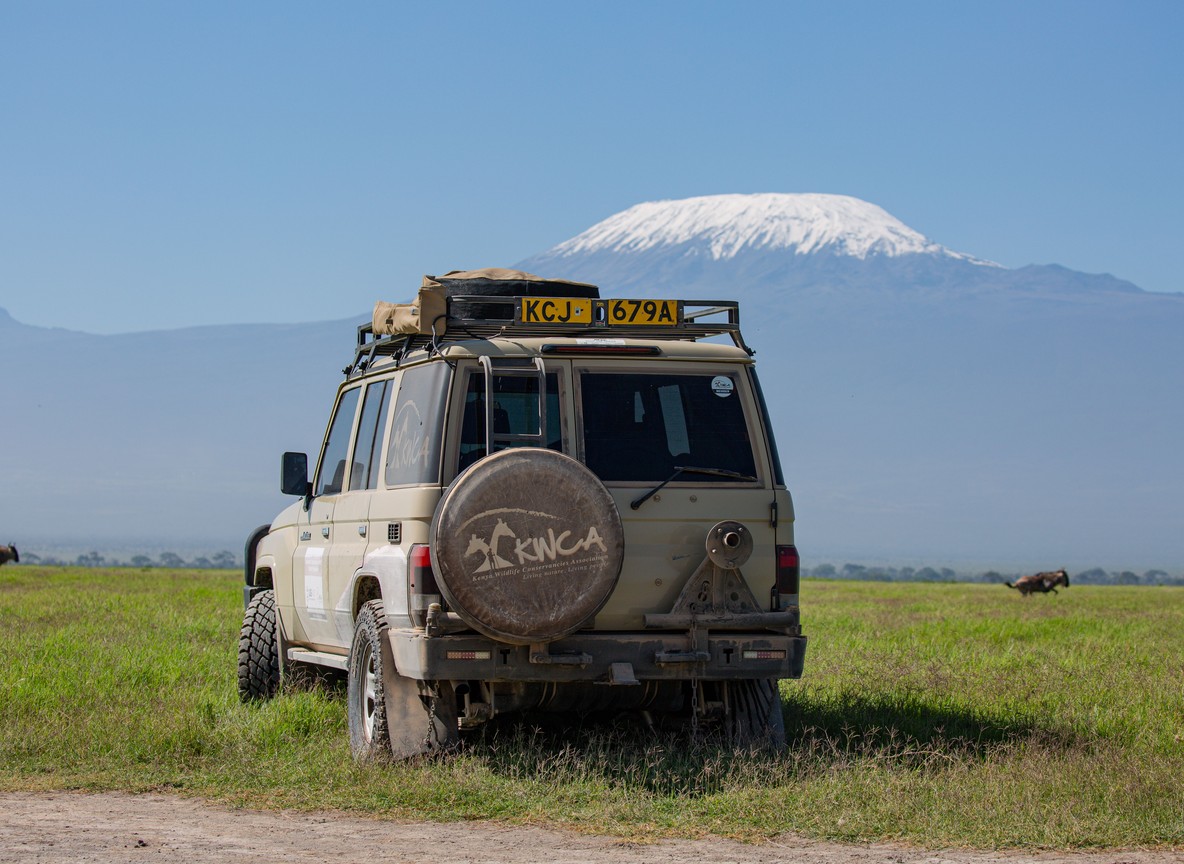
The Kimana corridor links Amboseli National Park to the Chyulu Hills and Tsavo West, running through the community-owned Kimana Sanctuary. It is one of the few legally secured wildlife corridors in East Africa, protected through leases that pay Maasai landowners to keep the land open rather than fence or farm it.
The Kitenden corridor connects Amboseli to the forests on the Kenyan side of Mount Kilimanjaro, giving elephants access to high-ground vegetation and calving areas. The wider Amboseli-Tsavo-Kilimanjaro landscape ties these together into one of the most important elephant strongholds on the continent.
Corridors and Parks at a Glance
Here is how the key elephant landscapes compare for anyone planning a trip. Fees are indicative non-resident rates for 2026 and are shown for planning only, since park charges change through the year.
| Park or corridor | Size | Distance from Nairobi | Indicative non-resident fee | Elephant significance |
|---|---|---|---|---|
| Amboseli National Park | ~392 km2 | ~240 km, 4-5 hr drive; or 45-min flight to Amboseli airstrip | ~USD 100 pp/day | Iconic big tuskers below Kilimanjaro; dry-season stronghold |
| Kimana Sanctuary (corridor) | ~24 km2 | ~260 km, 5 hr drive from Nairobi | ~USD 30 pp/day | Secured community corridor linking Amboseli to Tsavo/Chyulu |
| Tsavo East National Park | ~13,747 km2 | ~330 km to Voi gate, 5-6 hr drive; or fly to Voi airstrip | ~USD 52 pp/day | Kenya’s largest elephant population; red-dust herds |
| Tsavo West National Park | ~9,065 km2 | ~240 km to Mtito Andei, 4-5 hr drive | ~USD 52 pp/day | Receives translocated elephants; Chyulu link |
| Chyulu Hills National Park | ~741 km2 | ~230 km, 4-5 hr drive | ~USD 26 pp/day | Green corridor between Amboseli and Tsavo West |
Treat these figures as a planning guide rather than a quote. Together, Tsavo East and Tsavo West form a single ecosystem of more than 22,000 square kilometres, which is why they act as the destination for so many relocated herds.
The Amboseli-Tsavo Corridor and Your Safari
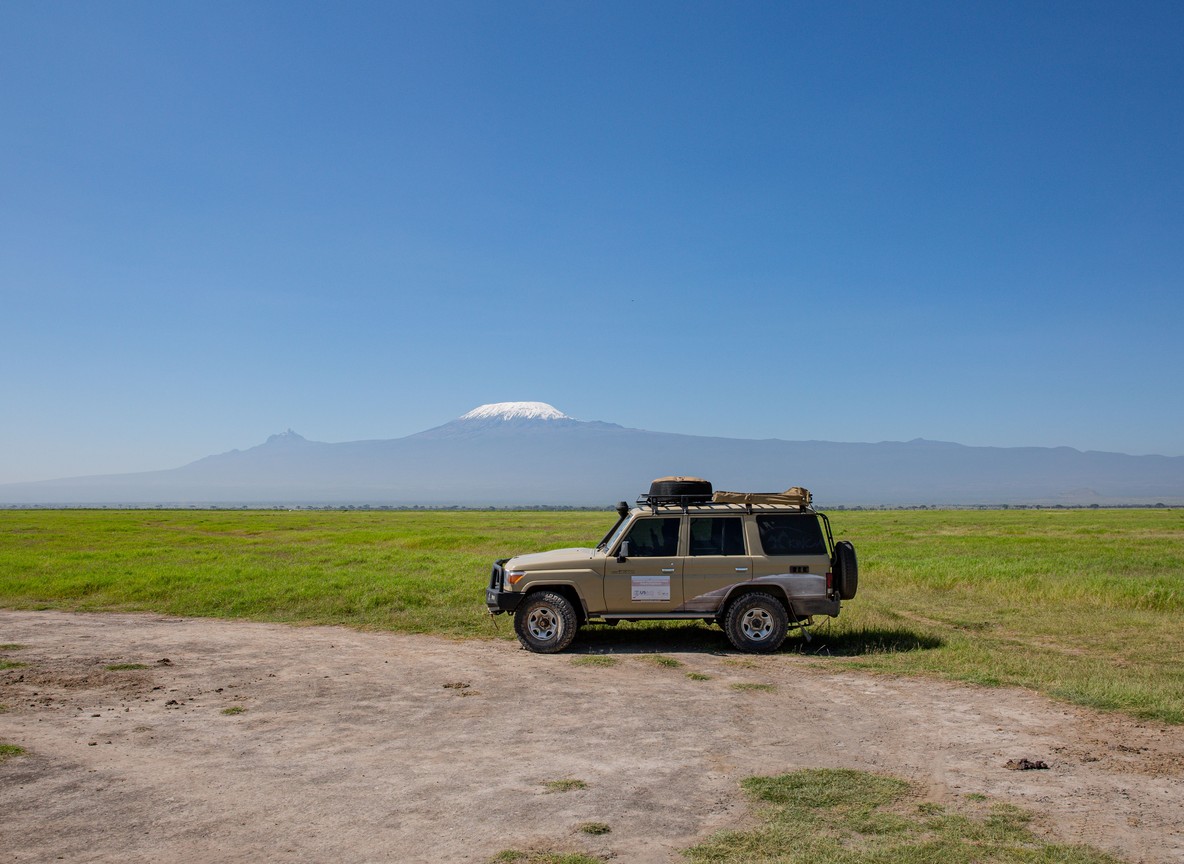
For most visitors, the corridor story is not abstract. It runs straight through the classic southern Kenya route. A well-built trip pairs Amboseli, where elephants gather in tight numbers against the backdrop of Kilimanjaro, with Tsavo, where the same species ranges across vast open country in far smaller densities.
Travelling the Amboseli-Tsavo corridor lets you see both halves of the elephant’s world in one journey. In Amboseli you watch large herds cross the swamps at close range, often with Kilimanjaro behind them at dawn. Two or three hours south, in Tsavo West, you see how those animals disperse into wilder, less-visited terrain once the corridor gives them room to spread.
This is where conservation and experience meet. The reason the herds are still there to photograph is that the land between the parks has been kept open. Operators who run tours and safaris across this landscape every season understand which gates, camps, and airstrips let you follow the corridor rather than treat each park as a separate box.
Best Places to See Elephants in Kenya
If elephants are the heart of your trip, the southern circuit gives you the strongest odds. Amboseli offers the reliable close-range herds and the famous big tuskers, some carrying ivory that reaches almost to the ground. Kimana Sanctuary, right on the corridor, is quiet and cheap to enter, and it often delivers superb elephant sightings with almost no other vehicles around.
Tsavo rewards travellers who want scale and space. The red elephants of Tsavo, coloured by dust-bathing in the park’s iron-rich soil, move through country that feels genuinely remote. Add the Chyulu Hills for green, high-ground scenery and you have followed the full length of the corridor from swamp to savannah.
- Access: Fly from Wilson Airport in Nairobi to Amboseli in about 45 minutes, or self-drive in 4 to 5 hours on tarmac. Tsavo is reached by road in 5 to 6 hours or by a short bush flight to Voi.
- Stay: Choose camps that sit on or near the corridor, such as those in Kimana and the Amboseli group ranches, so game drives follow elephant movement rather than fight it.
- Pace: Allow two nights in Amboseli and two in Tsavo to travel the corridor properly. A single night in either leaves too little time on the ground.
The Trunktrails Advantage
Trunktrails Safaris is a Kenyan-owned operator, and we build elephant itineraries around the corridor rather than a fixed park checklist. Our team knows which Amboseli camps sit closest to the Kimana crossing, how to time a Tsavo leg so you reach the red herds in the best light, and how to sequence flights and road transfers so the whole southern circuit flows as one connected journey.
We are candid about the conservation picture too. When you travel this route with Trunktrails Safaris, part of every conservancy and community fee you pay helps keep the corridor land unfenced and unfarmed, which is the single most important thing protecting these herds. We will explain exactly where that money goes rather than leave it as marketing gloss.
Because we run tours and safaris across Amboseli, Kimana, and Tsavo through every season, our advice reflects this month’s conditions and elephant movement, not a generic brochure. That local ownership and current ground knowledge is why conservation-minded travellers come to us to plan a trip that follows the elephants properly. 🌍
Plan Your Elephant Corridor Safari
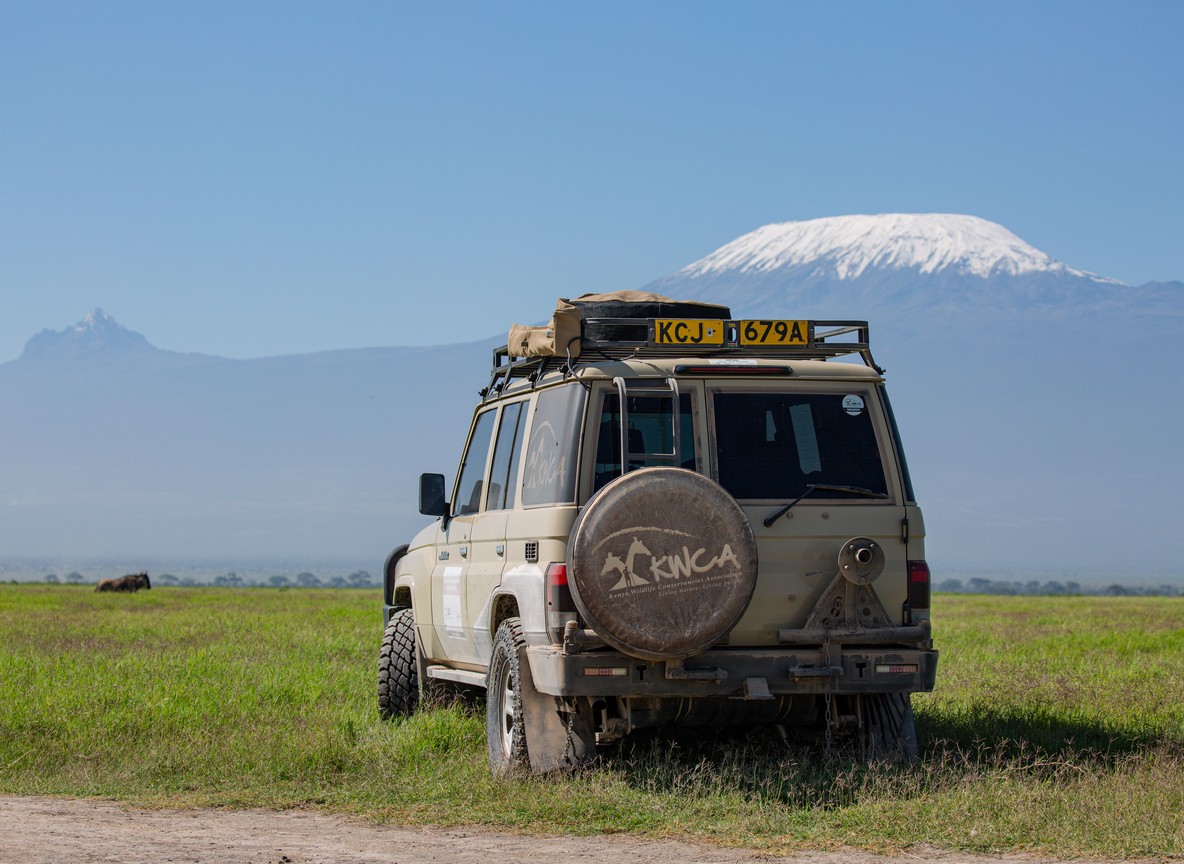
Kenya’s corridors are being fought for right now, lease by lease and season by season, and travelling them thoughtfully is one of the clearest ways to support that work. If following the elephants from the Amboseli swamps to the red plains of Tsavo is the trip you want, start the conversation now and let Trunktrails Safaris build the route around the herds and the land that keeps them moving. ✨
Contact Trunktrails Safaris:
Further reading
More safari planning resources
- Map of Amboseli from Valley Safaris
- Amboseli National Park guide on Touring Insights
- Amboseli destination guide on FindMySafari
- Map of Tsavo from Valley Safaris
- WhatsApp: +254 113 208888
- Email: info@trunktrailssafaris.com
- Website: trunktrailssafaris.com
- Kenyan-Owned | Nairobi-Based | Conservation-Led Safari Planning