Olderkesi Conservancy: The Cottar’s Wilderness Where the Wildlife Came Back
Most people arrive in the Maasai Mara chasing the crowd. They want the river crossing, the wall of vehicles, the famous headline sighting. Olderkesi Conservancy asks you to do the opposite. Here, on the far southeastern seam of the Greater Mara, the story is quieter and, in many ways, bigger. This is a piece of Maasai-owned land where the community, a pioneering safari family, and a conservation trust made a simple deal. Ease the grazing pressure, protect the ground, and let the wild things decide whether to come back. They did. 🌍
Olderkesi Conservancy sits between the Maasai Mara National Reserve and the Serengeti in Tanzania, a natural wildlife corridor that had been thinning for years. For the traveler who cares about why a safari matters, not just what ticks a list, this corner of Kenya delivers a rare thing. It is proof that conservation and community can win together. At Trunktrails Safaris, we plan tours and safaris that put you inside stories like this one, not just beside them.
Where Is Olderkesi Conservancy?
Olderkesi Conservancy lies on the southeastern edge of the Greater Mara ecosystem in Narok County, southern Kenya. It shares a boundary with the Maasai Mara National Reserve to the west and reaches down toward the Sand River and the Kenya-Tanzania border, where the Serengeti begins. That location is the whole point. The land forms part of an ancient migration and dispersal route, so animals moving between the two great parks pass through this ground.
The conservancy grew out of the Olderkesi Group Ranch, community land held by local Maasai families. Rather than fence it, sell it, or plough it, the owners agreed to lease part of it for wildlife. The lease is anchored by the Cottar family, whose safari roots in Kenya reach back to 1919, and by the Cottar’s Wildlife Conservation Trust. Their flagship, Cottar’s 1920s Camp, is the main way to stay here, giving the land a paying reason to remain wild.
Getting there is easiest by air. A light-aircraft flight from Nairobi’s Wilson Airport to the Mara takes roughly 45 minutes to one hour, landing at Olkiombo, Keekorok, or a nearby private airstrip, followed by a short game drive transfer. By road, Nairobi to the Sekenani Gate area is about 270 kilometres and five to six hours, with the final stretch on rough track. Most guests fly and save half a day.
The Facts: Olderkesi Conservancy at a Glance
Numbers help you plan. The figures below are drawn from the Greater Mara and Cottar’s operating area. Treat all prices as indicative ranges, since conservancy fees and camp rates change by season and are confirmed at the time of booking.
| Feature | Detail |
|---|---|
| Location | Southeast Greater Mara, Narok County, Kenya |
| Borders | Maasai Mara National Reserve and Serengeti (Tanzania) |
| Ecosystem | Part of the Greater Mara, roughly 1,510 km2 reserve plus conservancies |
| Anchor camp | Cottar’s 1920s Camp and Cottar’s Bush Villa |
| Safari family | Cottar family, guiding in Kenya since 1919 |
| Nearest reserve gate | Sekenani Gate |
| Flight from Wilson Airport | Approx. 45 min to 1 hr |
| Road from Nairobi | Approx. 270 km / 5 to 6 hrs |
| Conservancy fee (indicative) | Approx. USD 70 to 100 per person per night |
| Camp rate (indicative, all-inclusive) | Approx. USD 900 to 1,600+ per person per night |
| Best months | Jul to Oct (migration season) and Dec to Mar |
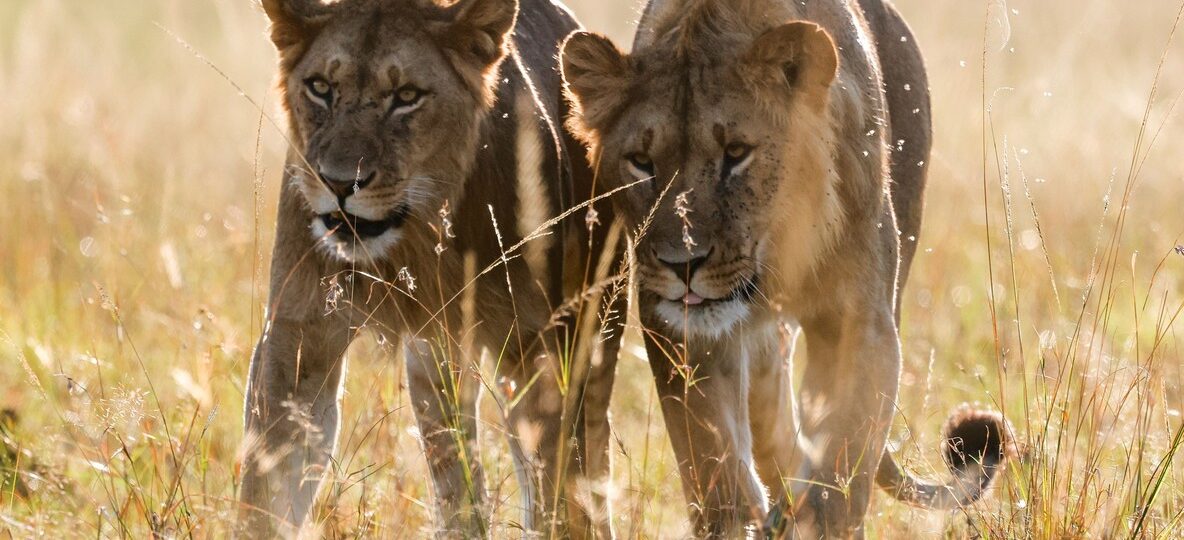
Because Olderkesi is private, leased land rather than the public reserve, vehicle numbers are strictly limited. You are far more likely to have a lion pride or a leopard to yourself than you would inside the busy core of the Maasai Mara National Reserve.
Where Grazing Stopped and the Wildlife Returned
For decades, this land carried heavy cattle, sheep, and goats. Overgrazing thinned the grass, hardened the soil, and pushed out the wild grazers that need tall, healthy cover. When livestock dominate, the plains game and the predators that follow them quietly disappear.
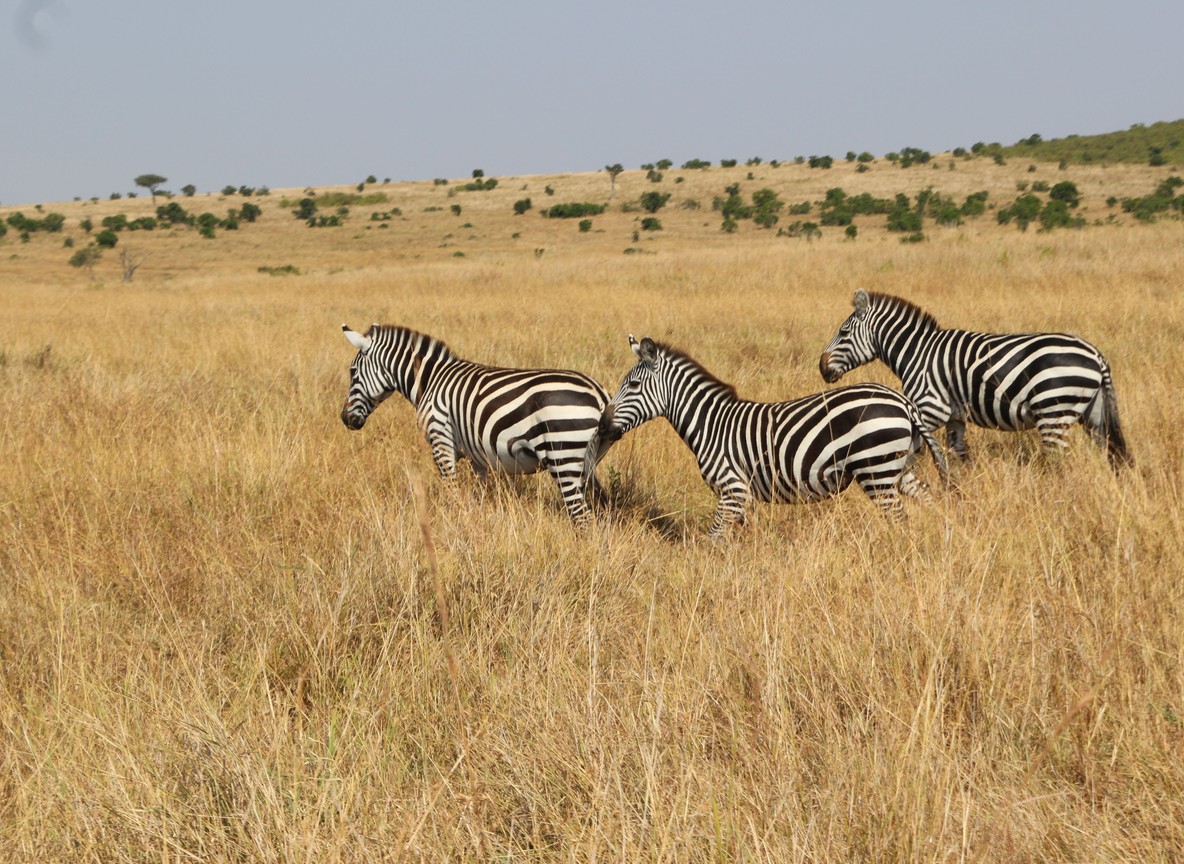
The lease changed the math. By paying the Maasai owners a steady income to set land aside and manage grazing, the conservancy gave families a reason to keep livestock numbers in balance rather than pushing more animals onto tired ground. Grass recovered. Wildebeest, zebra, topi, and eland returned to feed. With the herds came the lions, cheetahs, and hyenas. 🦁
This is the heart of the community conservancy model that now surrounds the Maasai Mara. It works because it does not ask people to choose between their cattle and their heritage. It rewards them for protecting the land that both depend on. Olderkesi Conservancy is one of the clearest examples, because it also reconnects the migration corridor between the Mara and the Serengeti, ground that wildlife cannot afford to lose.
What You Actually See on a Game Drive
Olderkesi delivers the full Greater Mara cast, but on your own terms. Because guides here are not tied to fixed public-park loops, they can drive off-road, follow a sighting slowly, and reach corners the day visitors never see.
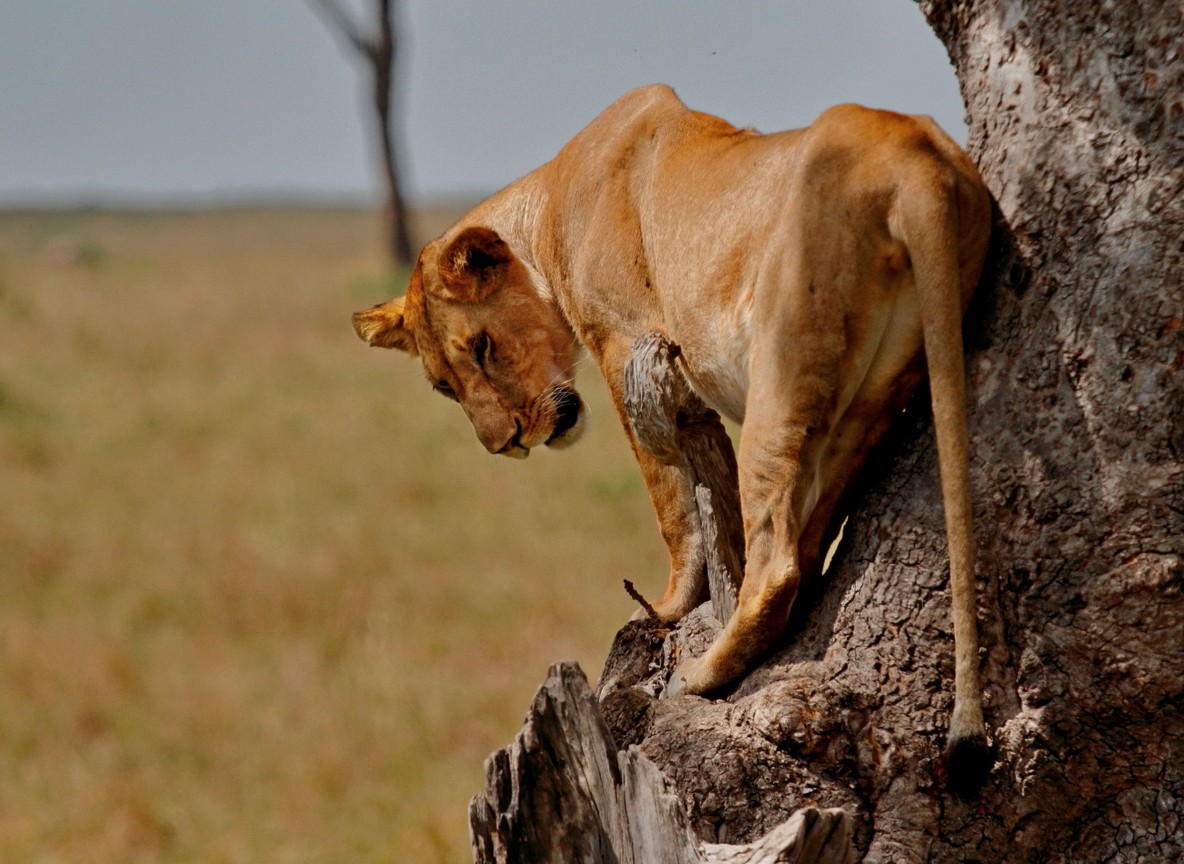
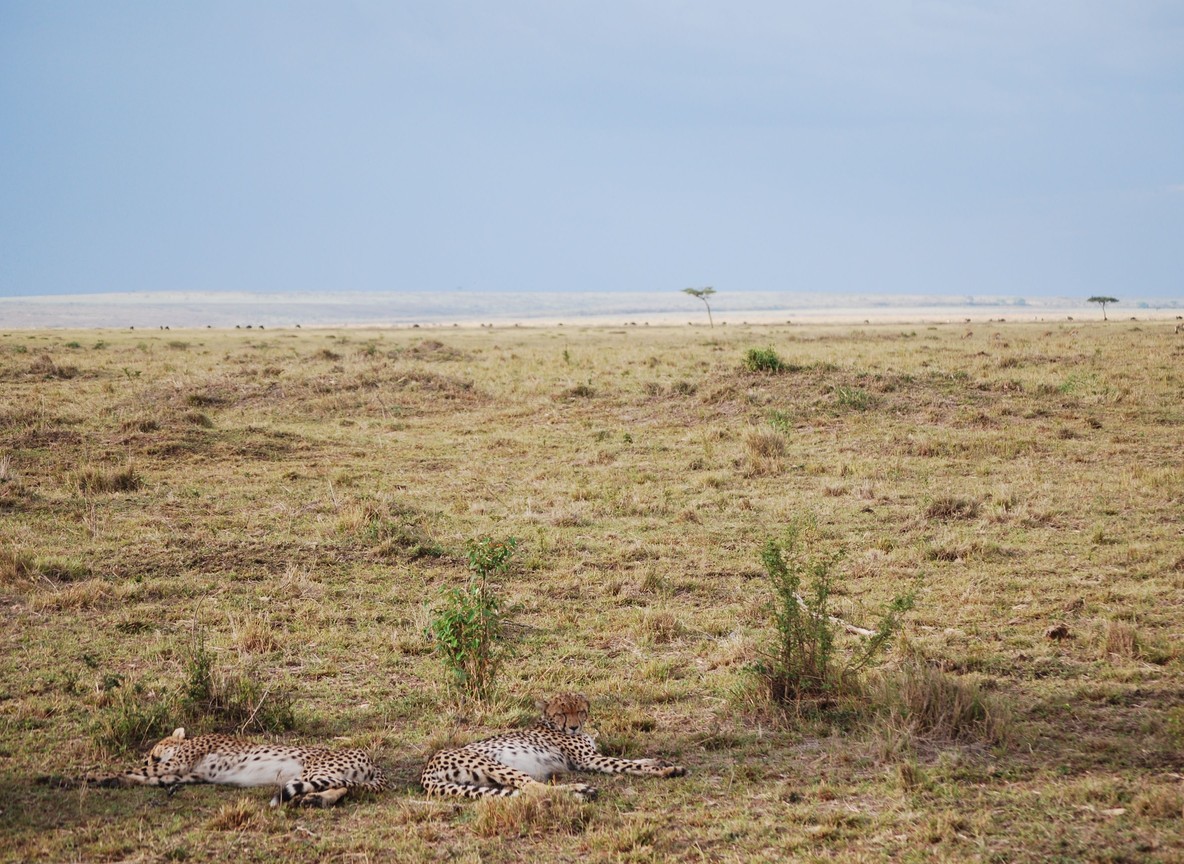
Expect the big cats first. Lion prides hold territory across these plains, and the broken country of rocks and thickets is good leopard ground. Cheetah hunt the open stretches where the topi and Thomson’s gazelle gather. Elephant move through in family groups, and buffalo, giraffe, and eland fill out the plains. 🐘
During migration season, from roughly July to October, wildebeest and zebra spill across the corridor between the Serengeti and the Mara, and the Sand River area can offer crossings with a fraction of the crowd. Birdlife is strong all year, with more than 450 species recorded across the Greater Mara, so a slow morning here rewards patience. 📸
Night drives and guided walks, both restricted inside the public reserve, are possible on the conservancy. That means you can track a hyena clan after dark or read fresh lion prints on foot with an armed Maasai guide, the kind of tours and safaris that turn a trip into a memory.
Olderkesi Conservancy vs the Public Reserve
Travelers often ask whether to stay in the conservancy or inside the Maasai Mara National Reserve. Both are worth doing, and many of our guests combine them. The table below shows the trade-offs.
| Factor | Olderkesi Conservancy | Maasai Mara National Reserve |
|---|---|---|
| Vehicle density | Very low, capped by lease rules | High, especially near crossings |
| Off-road driving | Allowed | Not allowed |
| Night drives | Allowed | Not allowed |
| Guided walking safaris | Allowed | Not allowed |
| Community benefit | Direct lease income to Maasai owners | Park fees to county government |
| Migration access | Corridor plus reserve day trips | Core crossing points |
| Typical cost | Higher, all-inclusive | Broad range, more budget options |
| Best for | Privacy, conservation, exclusivity | First-timers, headline crossings |
The honest answer is that the conservancy buys you space, quiet, and a clear conscience, while the reserve buys you the famous crossing points. Trunktrails Safaris builds itineraries that give you both, so you never feel you missed out.
The Trunktrails Advantage
Booking Olderkesi Conservancy well takes local knowledge, because the best guiding, the right camp, and the migration timing all have to line up. That is where we come in.
Trunktrails Safaris is a native Kenyan-owned operator, and we plan every trip around real ground truth rather than a glossy brochure. We know when the corridor fills with wildebeest, which guides read the land best, and how to pair a conservancy stay with a reserve day for the full picture. We handle your flights from Wilson Airport, your transfers, and your park and conservancy fees so nothing surprises you on arrival.
We also believe your money should protect the places you travel to see. When you book Olderkesi through us, your stay feeds the lease that keeps this land wild and the Maasai families who own it invested in its future. That is conservation you can stand on. Our tours and safaris are designed so that doing the right thing and having the trip of a lifetime are the same choice. 🦒
We match the experience to you, whether you are a wildlife enthusiast chasing photographic gold, a couple wanting true seclusion, or a returning traveler who has seen the crowds and wants the opposite.
Best Time to Visit Olderkesi
The Greater Mara rewards visitors all year, but two windows stand out. From July to October, the migration corridor comes alive, and the plains fill with wildebeest, zebra, and the predators that hunt them. This is peak season, so book early. From December to March, the short rains have passed, the country is green, calves are born, and the light is clean for photography.
The long rains of April and May bring lush scenery and lower rates, though some tracks turn heavy. Whatever month you choose, the conservancy’s low vehicle numbers mean your sightings stay private. There is no wrong time to see this land, only different moods of it.
Plan Your Olderkesi Conservancy Safari
Olderkesi Conservancy is not the loudest name in the Mara, and that is exactly why it matters. It is a living answer to the question every thoughtful traveler asks: can my safari leave a place better than I found it? On this ground, where grazing was balanced and the wildlife walked back in, the answer is yes.
Let us build your journey to this rare corner of Kenya, timed to the migration, matched to the right camp, and grounded in the conservation story that makes it real. Reach out to Trunktrails Safaris today and start planning tours and safaris that mean something.
🌍 Ready to see the Mara the way it should be seen?
Further reading
More safari planning resources
- Wildebeest migration route map from Valley Safaris
- Mara River crossing guide on Touring Insights
- Great Migration safari collection on FindMySafari
- Interactive Maasai Mara map from Valley Safaris
- 💬 WhatsApp: +254 113 208888
- 📧 Email: info@trunktrailssafaris.com
- 🌐 Web: trunktrailssafaris.com
Talk to our team now, and let us hold your dates for the coming migration season before the best camps fill.