Kenya Wildlife Conservation Act: What Safari Travelers Should Know 🦁
Kenya’s wildlife laws just changed, and the changes reach further than most travelers expect. The kenya wildlife conservation act updates the rules that govern national parks, conservancies, and the guides who lead you through them. Most coverage of this law focuses on poachers and penalties. This guide focuses on something different. It covers what you, as a visitor, need to know before you book tours and safaris in Kenya this year.
From what you can photograph to which souvenirs you can legally carry home, the new act touches the small decisions that shape a safari. None of it should worry you. It should reassure you that Trunktrails Safaris already builds trips around these standards.
What the Kenya Wildlife Conservation Act Covers for Visitors
The Wildlife Conservation and Management Act sets the legal framework for every park, reserve, and conservancy you visit in Kenya. The current reforms strengthen enforcement, but they also tighten rules that apply directly to tourists, not just to criminal networks. That includes how tour operators get licensed, how wildlife products move through Kenyan airports, and how visitors are expected to behave inside protected areas.
For a first-time safari guest, this can sound intimidating. It should not. Trunktrails Safaris already follows these standards because they reflect basic respect for wildlife and the people protecting it. The act simply gives that respect the force of law.
Most travelers will never notice the legal machinery behind their trip. You will notice a ranger checking your vehicle permit at a gate, a guide double-checking a route before an off-road turn, or a curio shop clerk explaining why a carving carries an export certificate. Each of those small moments traces back to this law. Understanding the basics ahead of time means fewer surprises and a smoother trip from arrival to departure.
Documents and Permits to Carry on Safari
Pack a few extra documents alongside your passport and visa. Most conservancies and national parks now expect a printed or digital copy of your park entry pass, which your operator books in advance through the KWS e-citizen system or the conservancy’s own booking office. Keep a copy of your passport photo page separate from the original, since some conservancy gates request it for their visitor log.
If you plan to fly between parks on a light aircraft, carry a printed itinerary with airstrip names. Airstrips like Kinna in Meru or Lewa Downs near Lewa Wildlife Conservancy are unstaffed for most of the day, and having your booking reference on hand speeds up the handoff between your pilot and your ground transfer team. Trunktrails Safaris handles this logistics chain for every guest, so you only need to carry the documents, not manage the bookings.
New Rules on Wildlife Products and Souvenirs
This is the rule that catches travelers off guard most often. Under the act, possessing prohibited wildlife products without a permit carries a minimum fine of KES 1 million, close to USD 7,700 at current exchange rates. That penalty applies at airport checkpoints, including Jomo Kenyatta International Airport, and it applies to tourists as much as anyone else.
Items to avoid buying anywhere in Kenya include ivory carvings, unstamped bone jewelry, animal skins, and certain shell or coral pieces. Legitimate curio shops sell wood carvings, beadwork, and textiles that carry no restrictions at all. When in doubt, ask your guide before you buy. Trunktrails Safaris guides carry current guidance on what travels home safely and what does not.
Booking Only Licensed Operators and Guides
The act reinforces licensing requirements for tour operators and professional guides. Every driver-guide working a Kenyan safari should hold current certification, typically through the Kenya Professional Safari Guides Association, along with a valid Kenya Wildlife Service operating permit for the vehicle and company.
This matters more than it sounds. An unlicensed operator can mean an uninsured vehicle, an unqualified driver, and no accountability if something goes wrong inside a park. Trunktrails Safaris operates under full KWS-recognized licensing, and every guide on our team carries current certification. Ask any operator for proof of licensing before you book. A serious company will show you without hesitation.
Photography, Drones, and Off-Road Driving Rules
Three rules trip up more visitors than any others, and the new act reinforces enforcement on all three.
Drones require prior written authorization from the Kenya Wildlife Service before you fly one inside any national park or reserve. Most conservancies enforce the same rule independently. Flying without a permit can mean an on-the-spot confiscation.
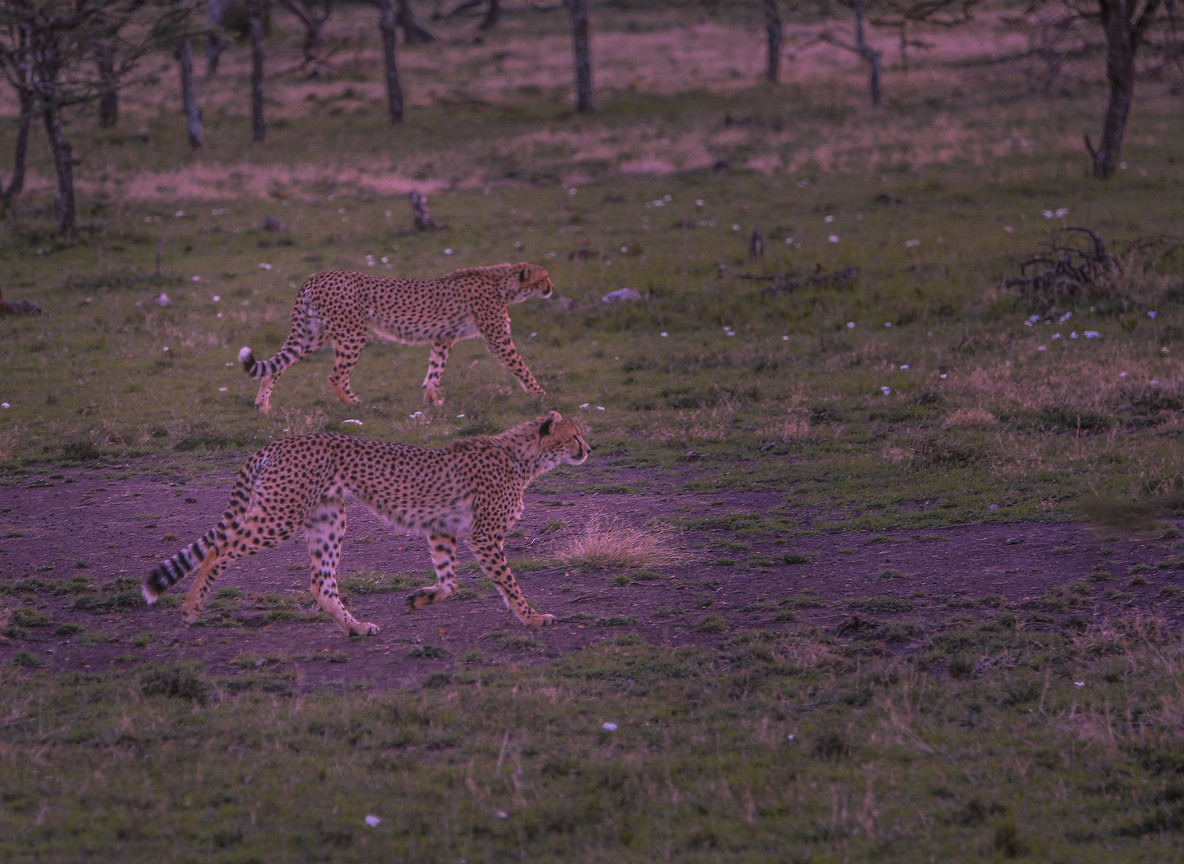
Off-road driving is restricted to licensed conservancies with specific permits, such as parts of the Masai Mara conservancies bordering the main reserve. Inside national parks like Nairobi National Park or Meru National Park, vehicles must stay on marked tracks at all times. This protects fragile grassland and keeps predators from associating vehicles with an easy path to prey.
Feeding wildlife, approaching animals on foot outside a guided walking safari, or using vehicle horns to move animals for a better photo are all prohibited. Guides who break these rules risk losing their license under the act’s updated enforcement powers, which gives every licensed guide a strong reason to keep you at a safe, respectful distance.
How the Act Protects the Conservancies You Visit
Community conservancies around Samburu, Laikipia, and the Mara depend on tourism revenue to fund ranger salaries and anti-poaching patrols. The act strengthens legal protection for these conservancy structures and clarifies how revenue-sharing agreements between landowners and operators must work.
For travelers, this means the conservancy fees built into your safari package fund real, accountable operations. It also means the conservancies you visit are more likely to still exist, with healthy wildlife populations, for the next generation of travelers.
This shift also changes how conservancies plan tourism capacity. Many now cap the number of vehicles allowed per sighting, a rule the act’s enforcement powers back up more firmly than before. If your guide holds back at a lion sighting to let another vehicle rotate in first, that patience is not random courtesy. It reflects a legal limit designed to keep pressure on wildlife low and sightings sustainable for years to come.
Kenya Wildlife Conservation Act at a Glance: Parks, Fees, and Distances
Here is a snapshot of real parks and conservancies where the act’s visitor rules apply, with distances and indicative fees for planning purposes.
| Park or Conservancy | Size | Distance and Time from Nairobi | Indicative Non-Resident Entry Fee (USD) |
|---|---|---|---|
| Nairobi National Park | 117 km2 | 10 km, 20 to 30 min drive from CBD | 43 per day, indicative |
| Samburu National Reserve | 165 km2 | 325 km, 5 to 6 hr drive, or about 1 hr flight to Samburu/Kalama airstrip | 70 per day, indicative |
| Meru National Park | 870 km2 | 348 km, 5 to 6 hr drive, or about 1 hr flight to Kinna airstrip | 65 per day, indicative |
| Lewa Wildlife Conservancy | 250 km2 | 280 km, 4 to 5 hr drive, or 45 min flight to Lewa Downs airstrip | 100 per day, indicative |
| Aberdare National Park | 766 km2 | 160 km, 3 hr drive via Nyeri | 60 per day, indicative |
Prices above are indicative ranges only and change by season and operator, so always confirm current rates before booking. Every fee listed here contributes to ranger salaries, anti-poaching patrols, and the enforcement structure the new act strengthens.
Old Rules Versus the New Kenya Wildlife Conservation Act
The table below compares how visitor-facing enforcement looked before this reform and how it works now.
| Visitor Concern | Before the New Act | Under the Kenya Wildlife Conservation Act |
|---|---|---|
| Buying wildlife products | Loosely enforced, inconsistent airport checks | Minimum KES 1 million fine, consistent screening |
| Operator licensing | Licensing existed but enforcement was patchy | Stronger KWS permit checks, license suspension for violations |
| Drone use in parks | Rules unclear to many visitors | Written KWS authorization required, confiscation risk without it |
| Conservancy revenue sharing | Informal agreements, uneven payouts | Legally clarified revenue-sharing structures |
| Guide accountability | Limited consequences for rule breaking | Guides risk license loss for violations affecting wildlife or visitors |
The Trunktrails Advantage
Trunktrails Safaris built its operations around these standards long before they became law. Here is how that translates into your experience on the ground.
| What We Provide | What It Means for You |
|---|---|
| guides and vehicles | Compliance with every requirement under the kenya wildlife conservation act |
| Pre-trip briefings on souvenir and photography rules | No surprises at airport security or park gates |
| Verified conservancy partnerships | Your fees fund real ranger patrols, not paperwork |
| Guides trained on updated park regulations | Accurate, current answers to your questions in the field |
| Small-group itineraries on marked tracks | Lower impact on wildlife and fragile habitats |
Trunktrails Safaris exists to make sure every guest who books tours and safaris with us travels with confidence, not confusion. Our team tracks every update to Kenya’s wildlife law so you never have to. 🌍
Plan a Safari That Follows the Rules and Protects the Wildlife
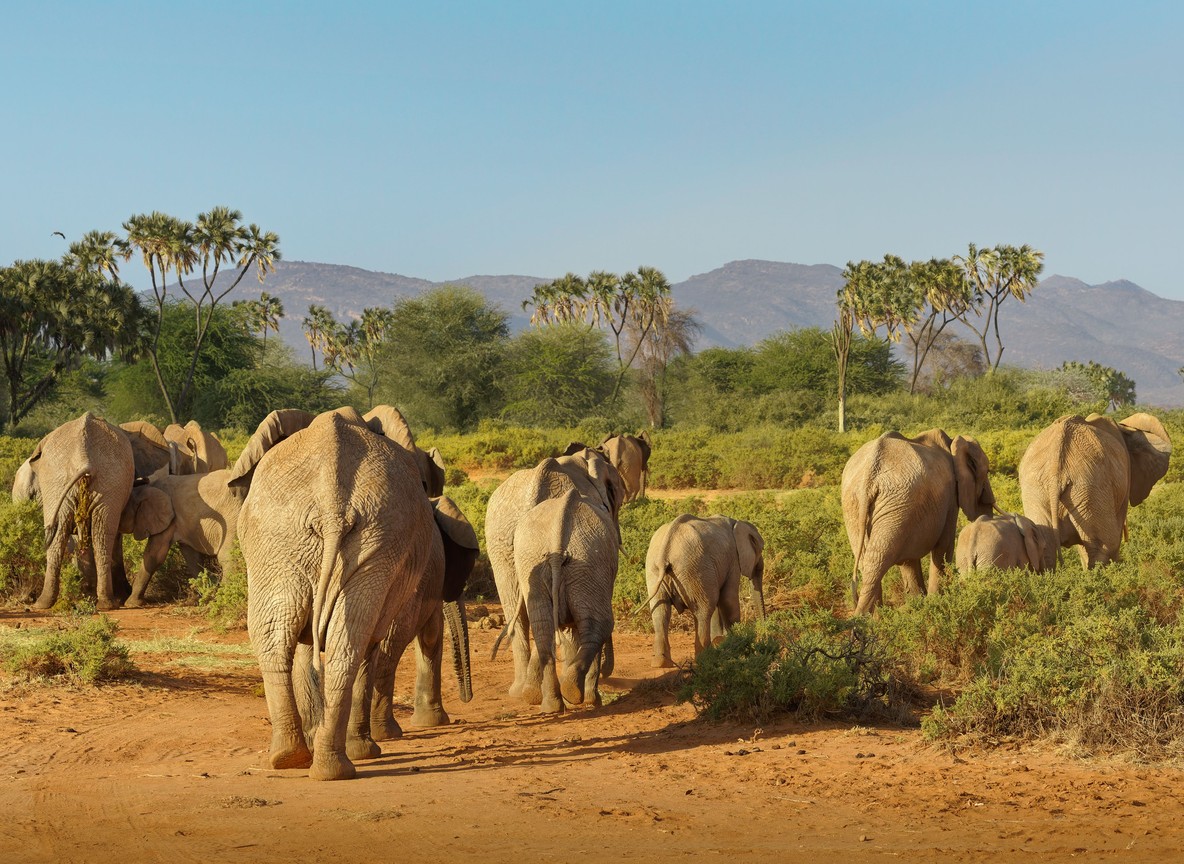
Kenya’s wildlife laws are stricter now, and that is good news for the animals and the travelers who come to see them. Trunktrails Safaris can build your itinerary around licensed operators, verified conservancies, and guides who know this law inside and out, from Samburu to Meru and beyond.
Further reading
More safari planning resources
- Kenya national parks map from Valley Safaris
- Samburu National Reserve guide on Touring Insights
- Samburu destination guide on FindMySafari
- Kenya tour packages from Valley Safaris
Message Trunktrails Safaris on WhatsApp at +254 113 208888. Email info@trunktrailssafaris.com. Or visit trunktrailssafaris.com to start planning tours and safaris that respect Kenya’s wildlife and its new rules. 📸