
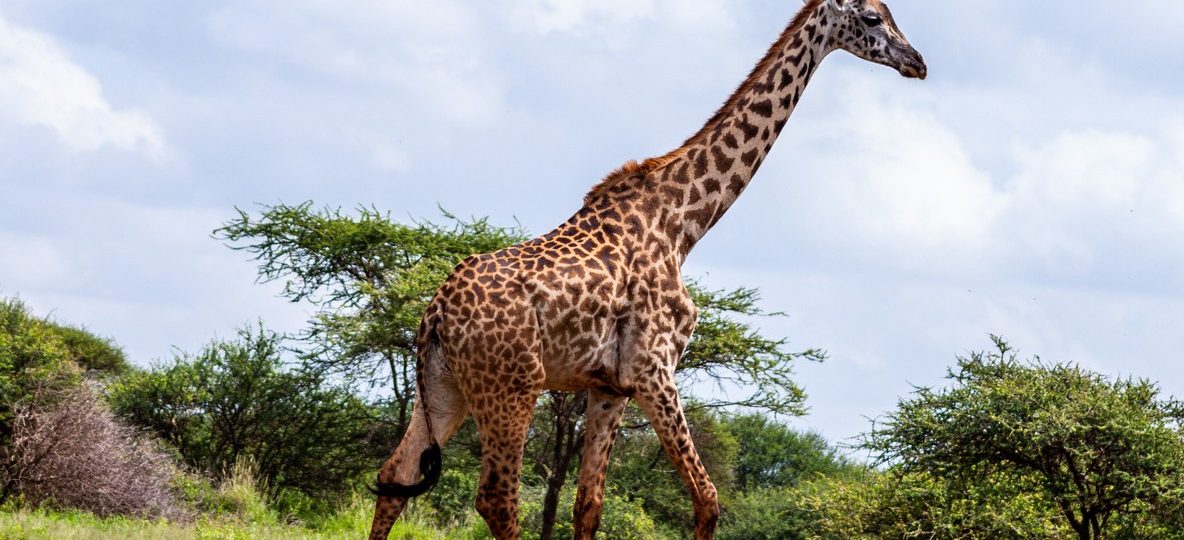
Amboseli Birding Safari: How to See 400+ Species with Kilimanjaro as Your Backdrop
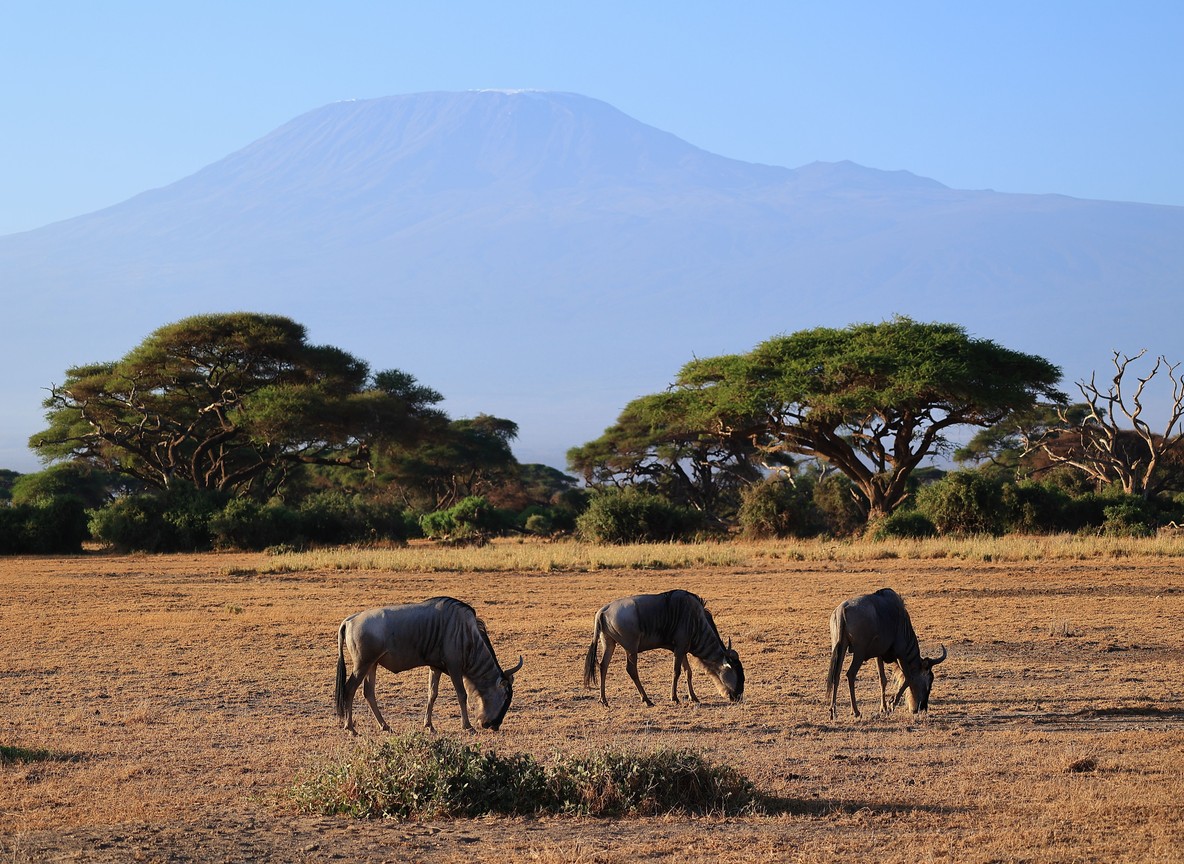
An amboseli birding safari puts you in one of the few places on earth where you can watch a lesser flamingo lift off a shallow lake with Mount Kilimanjaro’s snowcap floating behind it. Amboseli National Park covers just 392 square kilometres, small by Kenyan standards, but its permanent swamps and shrinking dry-season water pull in over 400 recorded bird species. That density, combined with open sightlines and Africa’s tallest mountain as a backdrop, makes it one of East Africa’s most rewarding birdwatching destinations. 🦒
This guide covers where the birds actually concentrate inside the park, when to visit for the best variety, what it costs to get there, and where to stay if birding is the main reason for your trip. Trunktrails Safaris runs specialist tours and safaris into Amboseli built around exactly this kind of focused wildlife travel, not generic game drives with birds as an afterthought. Kenya has plenty of operators offering generic tours and safaris across the same parks, but few build itineraries around a swamp calendar the way a dedicated birding trip requires.
Why Amboseli Holds So Many Bird Species in Such a Small Park
Amboseli’s swamps are fed by underground rivers running off Kilimanjaro’s ice cap, so they hold water even in the driest months when everywhere else in the ecosystem turns brown. Three swamps do most of the work: Enkongo Narok, Ol Okenya, and Longinye. Each one supports herons, storks, jacanas, and kingfishers in permanent residence, while the seasonal Lake Amboseli floods after the rains and briefly hosts thousands of lesser flamingos along with pelicans and avocets.
That mix of permanent wetland, seasonal lake, acacia woodland, and short-grass plains inside one small park is unusual. Most Kenyan parks give you one or two habitat types. Amboseli gives you four within a short game drive, which is the real reason the species count climbs past 400.
Amboseli Bird Checklist: What You Can Realistically Expect to See
Visitors focused on wildlife photography and species counts should plan around these groups:
- Raptors: African fish eagle, martial eagle, tawny eagle, pygmy falcon, and secretary bird stalking the plains on foot.
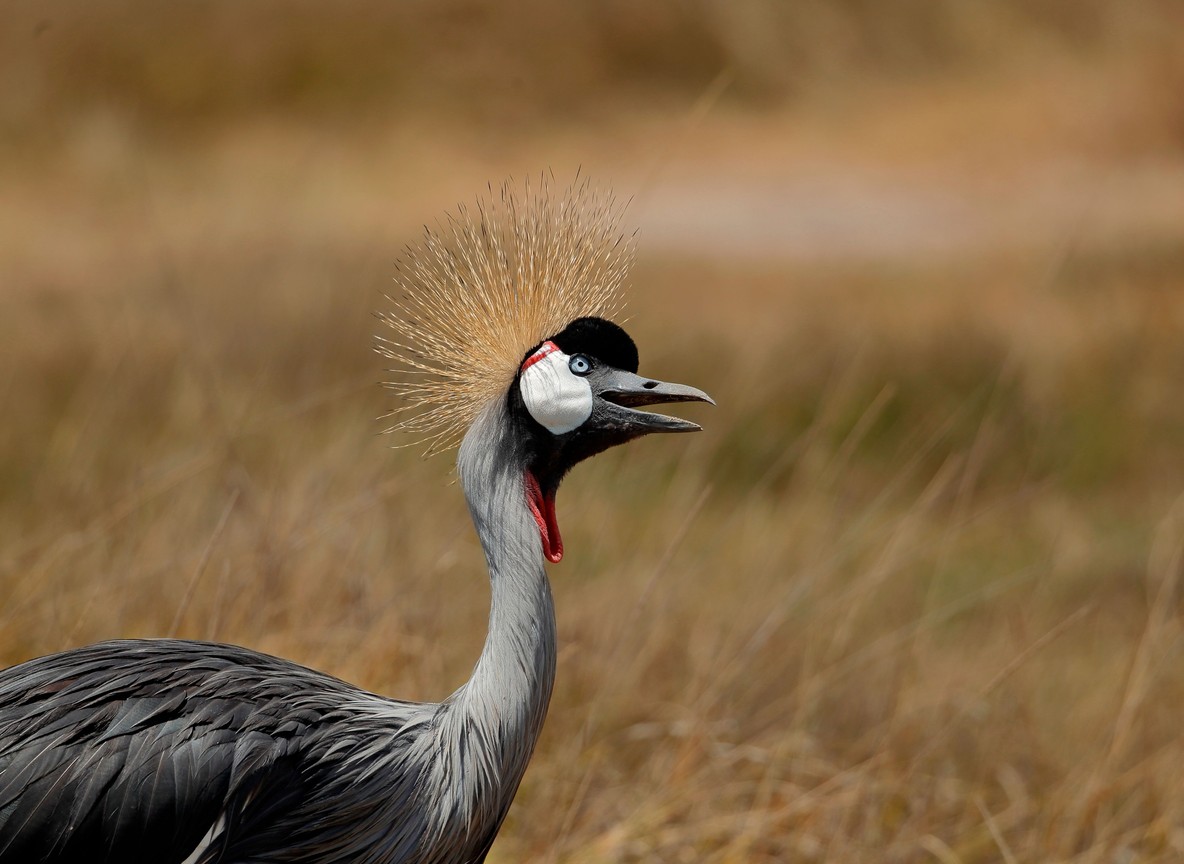
- Water birds: Grey crowned crane, hamerkop, African spoonbill, yellow-billed stork, and (seasonally) lesser flamingo on the lake bed.
- Near-endemics: Taveta golden weaver, a species largely restricted to the Amboseli-Tsavo ecosystem, breeds in the swamp reed beds.
- Dryland specialists: Von der Decken’s hornbill, kori bustard (one of the heaviest flying birds in the world), and superb starling around every campsite and lodge.
- Palearctic migrants: Steppe eagle, European roller, and several wader species arrive between November and April.
A three to four night stay with a guide who knows the swamp edges typically returns 100 to 150 species logged, which is a strong count for a park this size.
Best Birding Zones Inside Amboseli National Park
Not all of Amboseli’s 392 square kilometres produce equally. The table below breaks down where to focus time and how far each zone sits from the main entry points.
| Birding Zone | Distance from Meshanani Gate | Key Species | Best Time of Day |
|---|---|---|---|
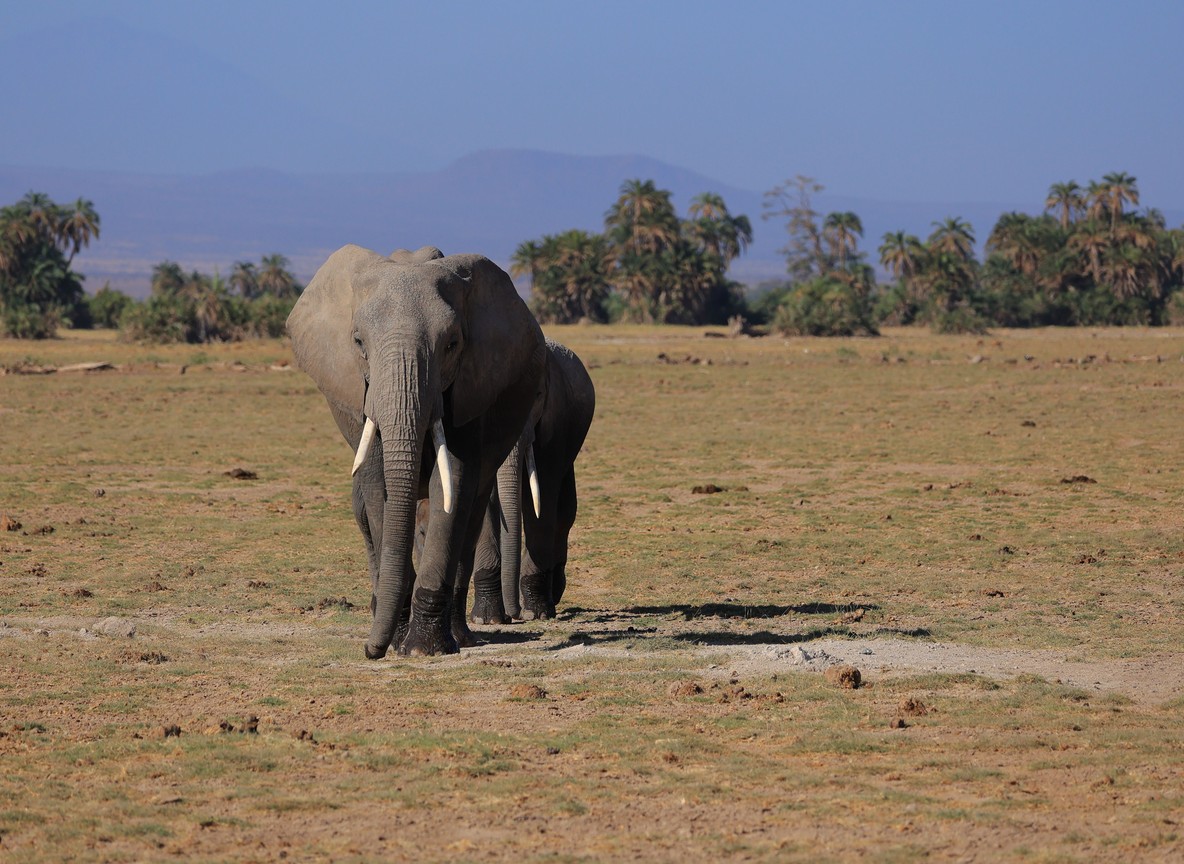
| Enkongo Narok Swamp | 8 km | African fish eagle, jacanas, elephants at the water’s edge | 6:30am-9am |
| Ol Okenya Swamp | 12 km | Herons, storks, hamerkop, kingfishers | 4pm-6pm |
| Longinye Swamp | 15 km | Grey crowned crane, spoonbills, waders | Early morning |
| Lake Amboseli (seasonal) | 6 km from Kimana Gate | Lesser flamingo, pelicans, avocets (wet season only) | Midday, when flooded |
| Observation Hill surrounds | 5 km | Kori bustard, secretary bird, raptors on open plains | Late afternoon |
Getting to Amboseli: Distances, Gates, and Fees
Amboseli sits close enough to Nairobi for a day drive but far enough that most birding-focused travellers plan an overnight stay of at least three nights to work the swamps properly.
| Route or Fee | Detail |
|---|---|
| Nairobi to Amboseli (road) | Approx. 240 km via the Namanga road, 4-5 hours by vehicle |
| Nairobi to Amboseli (air) | Approx. 45-minute flight, Wilson Airport to Amboseli Airstrip (ASV) |
| Main entry gate | Meshanani Gate, southwest side, closest to the Namanga road |
| Secondary entry gate | Kimana Gate, east side, links to Kimana Sanctuary |
| Park size | 392 km² |
| Non-resident park fee (indicative) | Roughly $60 per adult per day, $35 per child; confirm current KWS rates before travel |
| Kimana Sanctuary conservancy fee (indicative) | Separate community conservancy fee, typically $50-$70 per person per stay |
Prices above are indicative ranges only. Park and conservancy fees change periodically, so Trunktrails Safaris confirms exact figures with KWS and the relevant conservancy before every booking.
Best Time of Year for an Amboseli Birding Safari
November through April is the strongest window for species variety because Palearctic migrants overlap with the resident population and the rains fill Lake Amboseli, drawing in flamingos and waders that are absent the rest of the year. June through October, the long dry season, concentrates resident water birds tightly around the three permanent swamps since almost no other water exists nearby, which actually makes photography easier even though total species counts run lower.
If your priority is the migrant wave and a filled lake, book November to April. If your priority is guaranteed close sightings of a smaller set of resident species against dry, dusty plains, the June to October dry season delivers that instead.
Best Time of Day and Kilimanjaro Visibility
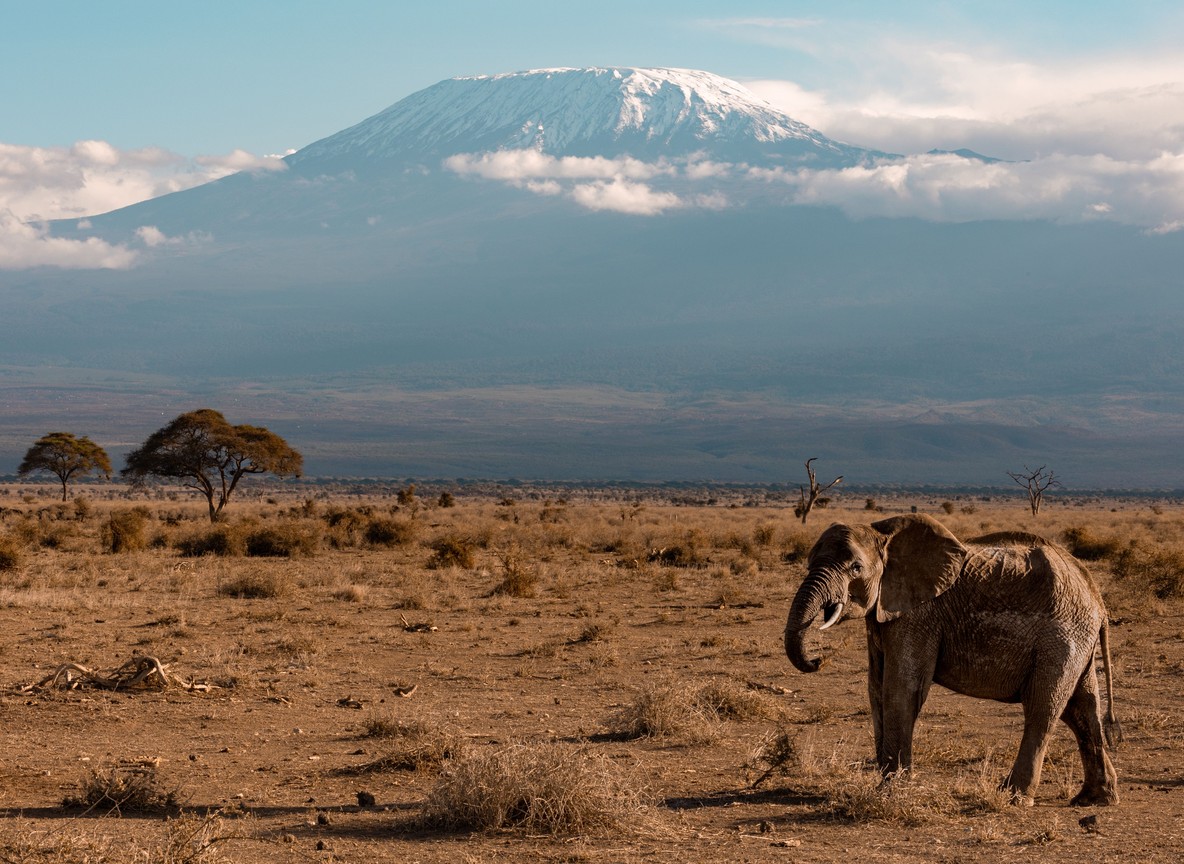
Mount Kilimanjaro, at 5,895 metres the tallest mountain in Africa, sits just across the Tanzanian border and is visible from most of Amboseli’s central swamps on clear mornings. Cloud typically builds over the peak by mid-morning, so the classic bird-with-Kilimanjaro photograph is a dawn game, best attempted between 6:30am and 8:30am before the summit disappears into cloud cover for the rest of the day.
Where to Stay for an Amboseli Birding Safari
Camp choice matters more for birders than for standard game viewers because proximity to the swamps determines how much drive time you lose each morning.
- Ol Tukai Lodge sits centrally inside the park, close to Enkongo Narok and Ol Okenya, with the shortest transfer to the best swamps.
- Amboseli Serena Safari Lodge is also inside the park boundary near the swamp complex.
- Tortilis Camp and Satao Elerai sit in private conservancy land to the south, offering woodland birding alongside swamp access.
- Porini Amboseli Camp, in Selenkay Conservancy to the north, adds dry acacia woodland species you will not find near the swamps.
- Kibo Safari Camp, near Kimana Gate, is the closest option to the seasonal lake and Kimana Sanctuary.
Amboseli Birding vs a Standard Game-Drive Safari
Travellers weighing a dedicated birding itinerary against a standard Big Five safari should know the trip looks different in practice.
| Factor | Birding-Focused Safari | Standard Game-Drive Safari |
|---|---|---|
| Typical daily drive time | 5-6 hours, slower pace, frequent stops | 3-4 hours, faster movement between sightings |
| Best guide skill | Bird call identification, swamp-edge patience | Big cat tracking, herd movement prediction |
| Ideal length of stay | 3-4 nights minimum | 2-3 nights |
| Peak season | November-April (migrants + flooded lake) | June-October (dry season concentration) |
| Equipment priority | Spotting scope, telephoto lens, field checklist | Standard camera or phone, binoculars |
What to Pack for an Amboseli Birding Safari
Amboseli’s open terrain rewards travellers who come prepared with the right optics and clothing rather than relying on what a lodge can lend.
- Binoculars, 8×42 or 10×42: Essential for swamp-edge identification at distance without disturbing nesting birds.
- A field guide or app-based checklist: Helps confirm near-endemics like the Taveta golden weaver on the spot.
- Telephoto lens, 400mm or longer: Needed for flamingo and raptor shots across open water.
- Neutral-coloured clothing: Muted greens and browns reduce disturbance at swamp edges more than bright colours.
- Dust protection for camera gear: Amboseli’s dry-season plains are dusty, and swamp humidity swings sharply within the same drive.
Trunktrails Safaris includes a packing brief specific to birding clients before every departure, covering exactly which gear pays off in this particular park.
The Trunktrails Advantage
Trunktrails Safaris builds every amboseli birding safari around a guide’s actual field knowledge of the swamp system, not a generic park itinerary. Our guides know which of the three swamps is producing sightings on any given week, when Lake Amboseli has flooded enough to pull in flamingos, and how to position a vehicle so photographers get clean shots without disturbing nesting birds. Because we run tours and safaris across the wider Amboseli-Tsavo ecosystem, we can extend a birding trip into Kimana Sanctuary or Tsavo when a client wants a longer species list than the park alone can offer. Every Trunktrails Safaris itinerary in this region is built by guides who track individual bird populations season to season, the same field discipline this park is famous for with its elephants.
Plan Your Amboseli Birding Safari
Further reading
More safari planning resources
- Map of Amboseli from Valley Safaris
- Amboseli National Park guide on Touring Insights
- Amboseli destination guide on FindMySafari
- Best time to visit Kenya month-by-month map from Valley Safaris
If you are ready to see over 400 species with Kilimanjaro on the horizon, Trunktrails Safaris can build a birding-focused itinerary around the swamp calendar, not a one-size-fits-all game drive. Message us on WhatsApp at +254 113 208888 or email info@trunktrailssafaris.com to lock in the November to April migrant window before the best camps near Enkongo Narok and Ol Okenya fill up. 📸