
Kenya’s New Wildlife Conservation Bill: What It Means for Your Safari 🦁
Kenya has rewritten the rulebook on wildlife protection. The kenya wildlife conservation bill is now signed into force as the Wildlife Conservation and Management Act, 2025. It replaces the older 2013 law. The new act brings tougher penalties for poachers. It also brings bigger payouts for families hurt by human-wildlife conflict. And it gives a stronger role to the communities who live alongside the animals you come to see. For anyone booking Kenya safari tours and safaris, this law is not just policy talk. It changes how parks are funded, how conservancies operate, and how seriously wildlife crime is treated on the ground.
This guide breaks down what actually changed. It uses real figures from the new law. And it explains what this means the next time you plan a trip with Trunktrails Safaris.
What the Kenya Wildlife Conservation Act 2025 Actually Changed
The Wildlife Conservation and Management Act, 2025 replaces Cap 376, the original Wildlife Conservation and Management Act of 2013. A related amendment, WCMA Amendment Act No. 24, was gazetted in October 2025 to close procedural gaps in the older law. Together, these reforms modernize how Kenya polices wildlife crime, compensates conflict victims, and shares conservation revenue with local communities.
The State Department for Wildlife also drafted a broader bill proposing a new Kenya Wildlife Regulatory Authority. This body would separate regulatory oversight from the Kenya Wildlife Service’s day-to-day conservation operations. That means the agency patrolling the parks is no longer the same agency writing the rules it enforces. The same proposal adds a dedicated Research and Training Institute. It centralizes wildlife science and ranger training under one roof. It also creates a National Wildlife Tribunal to handle wildlife-related disputes faster than the regular court system, where poaching and land-use cases have historically dragged on for years.
Lawmakers built these reforms on years of pressure from conservation groups, county governments, and local communities. They argued the 2013 Act had fallen behind the realities of modern wildlife crime and climate-driven human-wildlife conflict. The African Wildlife Foundation worked alongside Kenyan judicial and law enforcement officials on the penalty reforms. The group called the bill’s passage a milestone moment for conservation policy in East Africa.
Tougher Poaching Penalties Under the New Law
This is the headline change, and the numbers are significant. Under the kenya wildlife conservation act, penalties now scale with the severity of the crime.
| Offense | Old Approach (2013 Act) | New Penalty (2025 Act) |
|---|---|---|
| Illegal trade in endangered species | Fines varied, inconsistently enforced | Up to KES 100 million or 20 years in prison |
| Illegal import or export of ordinary species | Lower fixed fines | Up to KES 20 million or 10 years in prison |
| Bushmeat possession or sale without a permit | Minor fines, rarely deterred repeat offenders | Up to KES 10 million or 7 years in prison |
| Possessing prohibited wildlife products at airports (for example, ivory) | Inconsistent minimum fines | No less than KES 1 million (about USD 7,700) |
At current exchange rates of roughly KES 129 to the US dollar, a KES 100 million fine works out to almost USD 775,000. That is a dramatic jump from the fines poaching syndicates used to treat as a manageable cost of doing business. Kenya Wildlife Service rangers and prosecutors now have real financial weight to use against the financiers who bankroll poaching, not just the poachers themselves.
Compensation for Human-Wildlife Conflict
Anyone who has driven through farmland near Amboseli or Tsavo knows human-wildlife conflict is a daily reality for Kenyan families, not an abstract issue. The new law addresses this directly. Families affected by death, injury, or property damage from wildlife can now claim compensation of up to KES 5 million. That is roughly USD 38,700 at current rates. A two-tier compensation system was built into the law to process claims faster. It also cuts the backlog that frustrated victims under the old framework.
This matters for travelers because unresolved conflict between communities and wildlife has historically driven retaliatory killings of elephants, lions, and other predators near park boundaries. Faster, fairer compensation reduces the incentive for that retaliation, which protects the very animals safari guests travel to photograph.
Communities and Counties Get a Bigger Seat at the Table
The 2025 Act puts community participation at the center of conservation. It recognizes that people living next to national parks and conservancies absorb real costs, from crop damage to safety risks. Wildlife benefits are now mandated to be shared equitably. And county governments have gained a stronger role in wildlife governance decisions that used to sit entirely with national agencies.
Community conservancies are already a fixture around the Masai Mara, Samburu, and Laikipia. They stand to benefit from clearer revenue-sharing rules. That reinforces a model Trunktrails Safaris already champions. Our safaris put money directly into the hands of the people protecting the wildlife, not just into government coffers.
What This Means for Your Kenya Safari
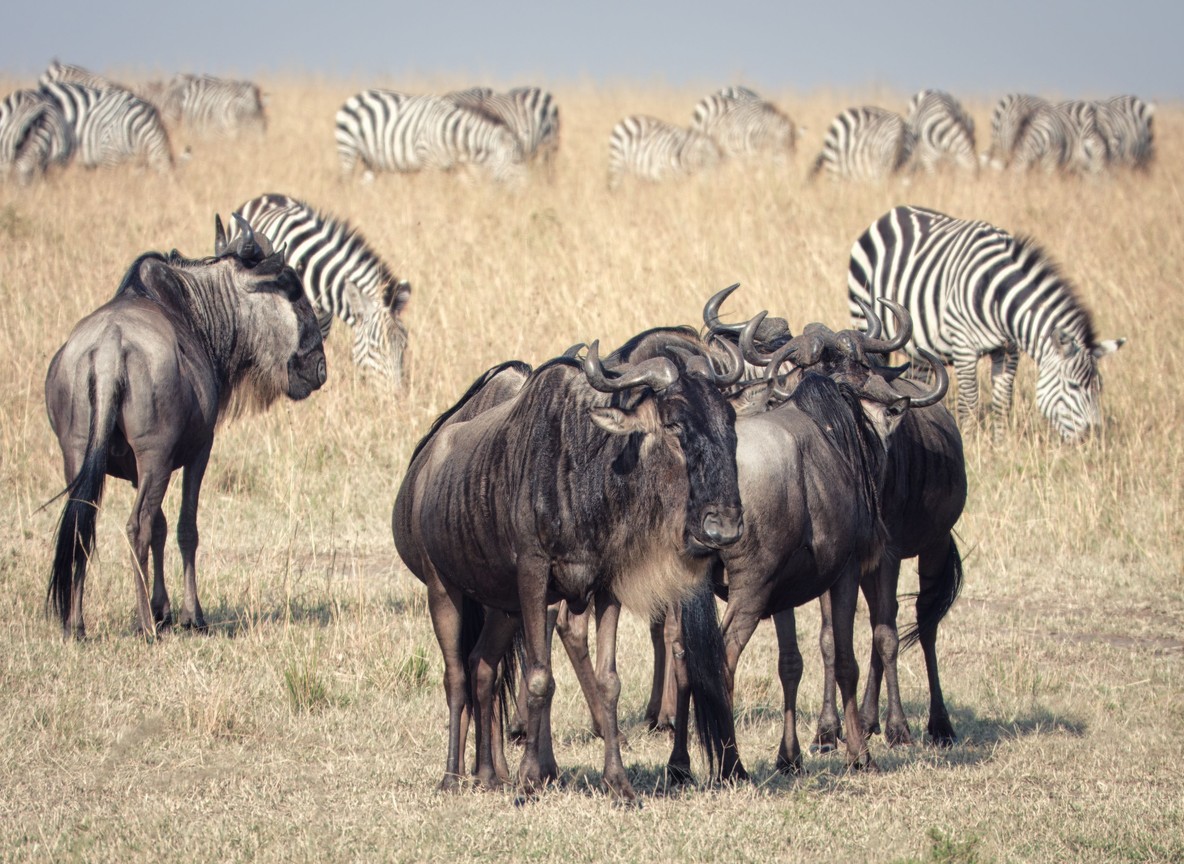
None of this changes how you experience a game drive. Elephants still gather at waterholes, lions still doze under acacia trees, and the Great Migration still crosses the Mara River each year. What changes is the confidence you can have that the tours and safaris you book are supporting a system with real teeth. Stronger penalties mean fewer poaching incidents. Faster compensation means fewer retaliatory killings near conservancy borders. Bigger community revenue shares mean the guides and scouts you meet on safari have a stronger stake in keeping wildlife alive for the long term.
Travelers may also notice more visible enforcement in the field. Expect more frequent ranger checkpoints near park gates. Expect closer monitoring of vehicles entering conservancy land after dark. And expect guides who can speak in detail about specific penalties, not just vague warnings. That level of seriousness is a good sign, not an inconvenience. It reflects a country actively defending the wildlife economy that safari tourism depends on.
Conservation fees and park entry charges you already pay as part of any Kenya safari feed directly into this system. Here is a snapshot of where those fees go, using real parks and conservancies on a typical Trunktrails itinerary.
| Park or Conservancy | Size | Distance and Time from Nairobi | Indicative Non-Resident Entry Fee (USD) |
|---|---|---|---|
| Masai Mara National Reserve | 1,510 km2 | 270 km, 5 to 6 hr drive, or 45 min flight to Musiara or Keekorok airstrip | 70 to 100 per day, indicative |
| Amboseli National Park | 392 km2 | 240 km, 4 to 5 hr drive, or 45 min flight to Amboseli Airstrip | 60 per day, indicative |
| Tsavo East National Park | 13,747 km2 | 330 km, 5 to 6 hr drive, or 45 min flight to Voi Airstrip | 52 per day, indicative |
| Ol Pejeta Conservancy | 364 km2 | 200 km, 3.5 to 4 hr drive from Nairobi via Nanyuki | 90 per day, indicative |
| Lake Nakuru National Park | 188 km2 | 160 km, 2.5 to 3 hr drive from Nairobi | 60 per day, indicative |
Prices above are indicative ranges only and change by season and operator, so always confirm current rates before booking. Conservation levies bundled into these fees now feed a legal system with far more enforcement power than it had even two years ago.
The Trunktrails Advantage
Trunktrails Safaris tracks Kenya’s conservation policy closely, because it shapes the safaris we build for you. Here is how we translate this new law into the experience you actually get on the ground.
| What We Provide | What It Means for You |
|---|---|
| Kenyan-owned guiding team with local policy knowledge | Accurate, current briefings on conservation rules and park changes |
| Itineraries that favor community conservancies | Your safari fees flow directly toward the revenue-sharing this new law strengthens |
| Transparent conservation fee breakdowns | You see exactly how park fees and levies support anti-poaching work |
| Partnerships with scouts and rangers on the ground | Firsthand context on how the new penalties are changing behavior near key parks |
| Small-group, low-impact game drives | Less pressure on wildlife and on the ecosystems this law is designed to protect |
Trunktrails Safaris built its reputation on pairing unforgettable game drives with a genuine respect for the people and policies protecting Kenya’s wildlife. Every safari we plan reflects that commitment. And every guest who books tours and safaris with us becomes part of the system this new law is designed to strengthen. 🌍
Plan a Kenya Safari That Supports Real Conservation Reform
Kenya’s wildlife protections just got a lot stronger, and travelers who book responsibly are part of why that matters. Trunktrails Safaris can build your itinerary around the parks and conservancies most directly strengthened by this new law, from the Masai Mara to Ol Pejeta and beyond. We choose fees and guiding partners that put real weight behind conservation.
Further reading
More safari planning resources
- Nairobi to Maasai Mara route guide from Valley Safaris
- Best safaris in Kenya on Touring Insights
- Masai Mara destination guide on FindMySafari
- Kenya national parks map from Valley Safaris
Message Trunktrails Safaris on WhatsApp at +254 113 208888. Email info@trunktrailssafaris.com. Or visit trunktrailssafaris.com to start planning tours and safaris that back Kenya’s next chapter in wildlife protection. 📸

