
Thimlich Ohinga Kenya: The Forgotten UNESCO Stone City Near Lake Victoria
Most people planning a Kenya trip have never heard of Thimlich Ohinga. That is exactly what makes it worth the detour. Thimlich Ohinga Kenya is a cluster of dry-stone enclosures in Migori County, built without mortar roughly five centuries ago, and named a UNESCO World Heritage Site in 2018. It sits close to Lake Victoria, far from the safari circuit, and almost nobody outside Nyanza region has walked its walls. 🌍
What Is Thimlich Ohinga?
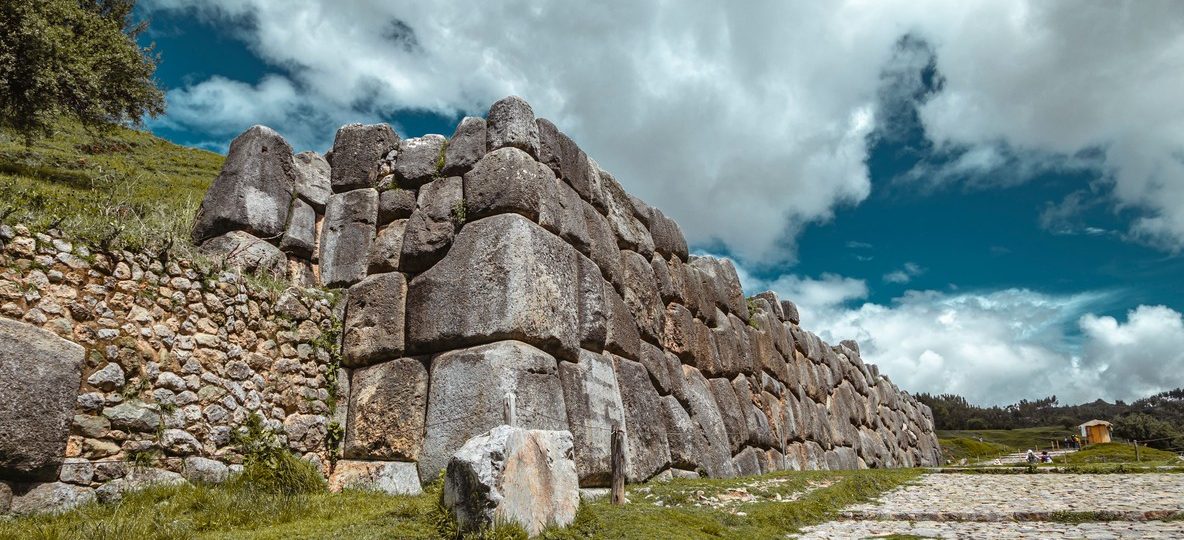
Thimlich Ohinga is a group of stone-walled settlements built by hand, stone by stone, with no cement or binding material holding them together. The name comes from the Dholuo language. “Thim” means forest, “lich” means dense or fierce, and “ohinga” means a walled enclosure or fortress. Put together, it roughly translates to a fortress inside a frightening thicket, which is exactly how early travelers described the site before it was cleared for research.
The walls were raised by communities defending cattle and families from raiders during a period of regional conflict. Bantu, Nilotic, and Cushitic groups all lived within or near these walls at different points. That makes Thimlich Ohinga one of the few places in Kenya where three distinct cultural traditions share the same physical structure. This layered history is part of why UNESCO inscribed it as a World Heritage Site, rather than treating it as a single-community ruin.
Thimlich Ohinga at a Glance
Here are the numbers that matter if you are actually planning a visit.
| Fact | Detail |
|---|---|
| UNESCO inscription | 2018 (Kenya’s 7th World Heritage Site) |
| County | Migori County, Nyanza region |
| Distance from Nairobi | approx. 430 km, roughly 7-8 hours by road via Kisii and Migori |
| Distance from Kisumu | approx. 140 km, roughly 2.5-3 hours by road |
| Nearest airport | Kisumu International Airport, then road transfer |
| Distance to Lake Victoria shoreline | approx. 25 km (Karungu Bay area) |
| Protected core zone | approx. 21.7 hectares, with an 80-hectare buffer zone |
| Tallest wall sections | up to 4.2 meters high |
| Wall thickness at base | 1 to 3 meters |
| Estimated age | main enclosures date to roughly the 16th century |
| Main enclosures on site | 4 dry-stone enclosures across the landscape |
| Entry fee | indicative only, roughly $2-4 for East African residents and $5-10 for foreign visitors — confirm current rate with National Museums of Kenya before travel |
| Managing authority | National Museums of Kenya (NMK) |
These figures are approximate and drawn from published heritage records. Fees change, so always confirm with National Museums of Kenya or your Trunktrails Safaris guide before the trip.
Getting There: The Honest Version
Thimlich Ohinga is not close to anything. That is part of the point, but it also means you need a real plan. Most travelers reach it one of two ways.
The first route is by road from Nairobi, heading through Narok, Kisii, and Migori town before turning north toward the site near Nyatike. This drive runs close to 430 kilometers and takes a full day, so most visitors break the journey with a night in Kisumu or Kisii.
The second route flies into Kisumu, roughly 140 kilometers away, then continues by road. This cuts total travel time significantly and pairs naturally with a stop at Lake Victoria or the Kisumu Impala Sanctuary on the way through.
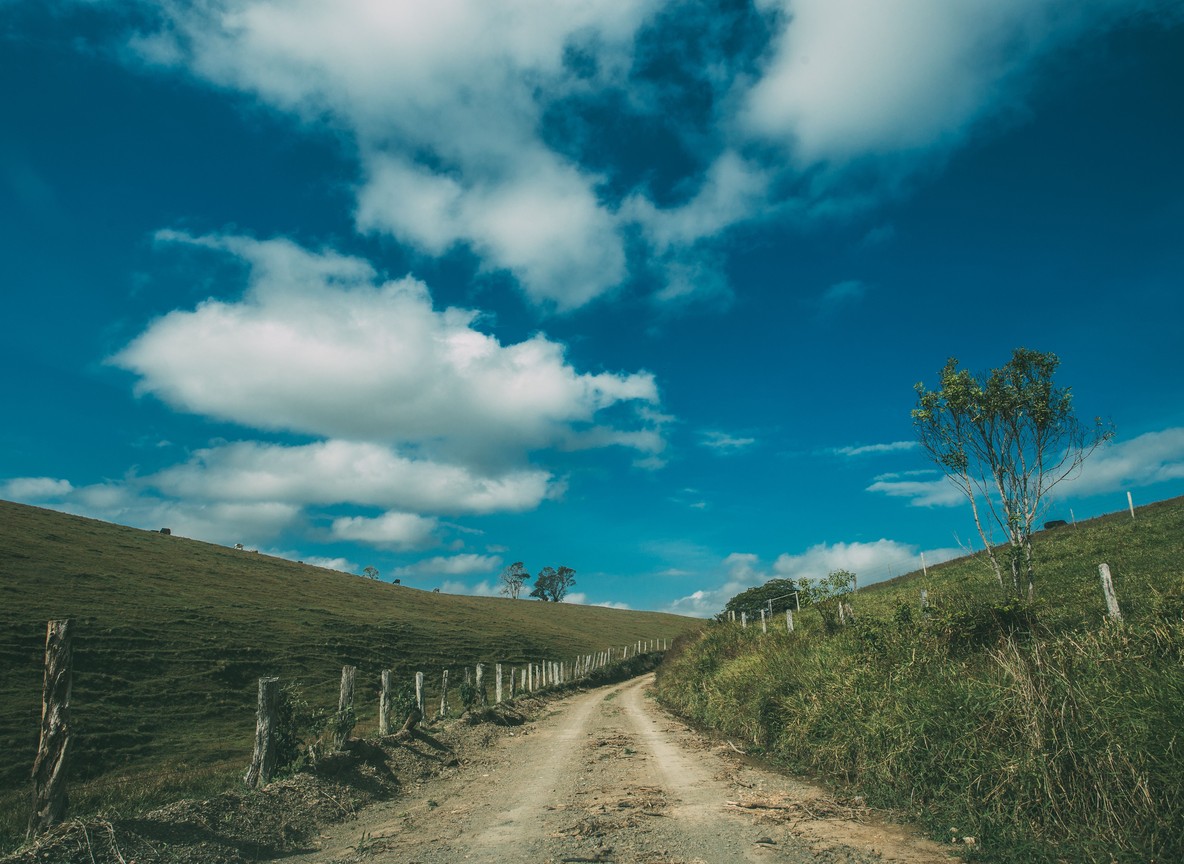
Roads in the final stretch toward the site are rural and can be rough after rain. A 4×4 vehicle and a guide who already knows the route make a real difference. This is not a self-drive detour to attempt without local knowledge.
The Dry-Stone Walls: How They Were Built Without Mortar
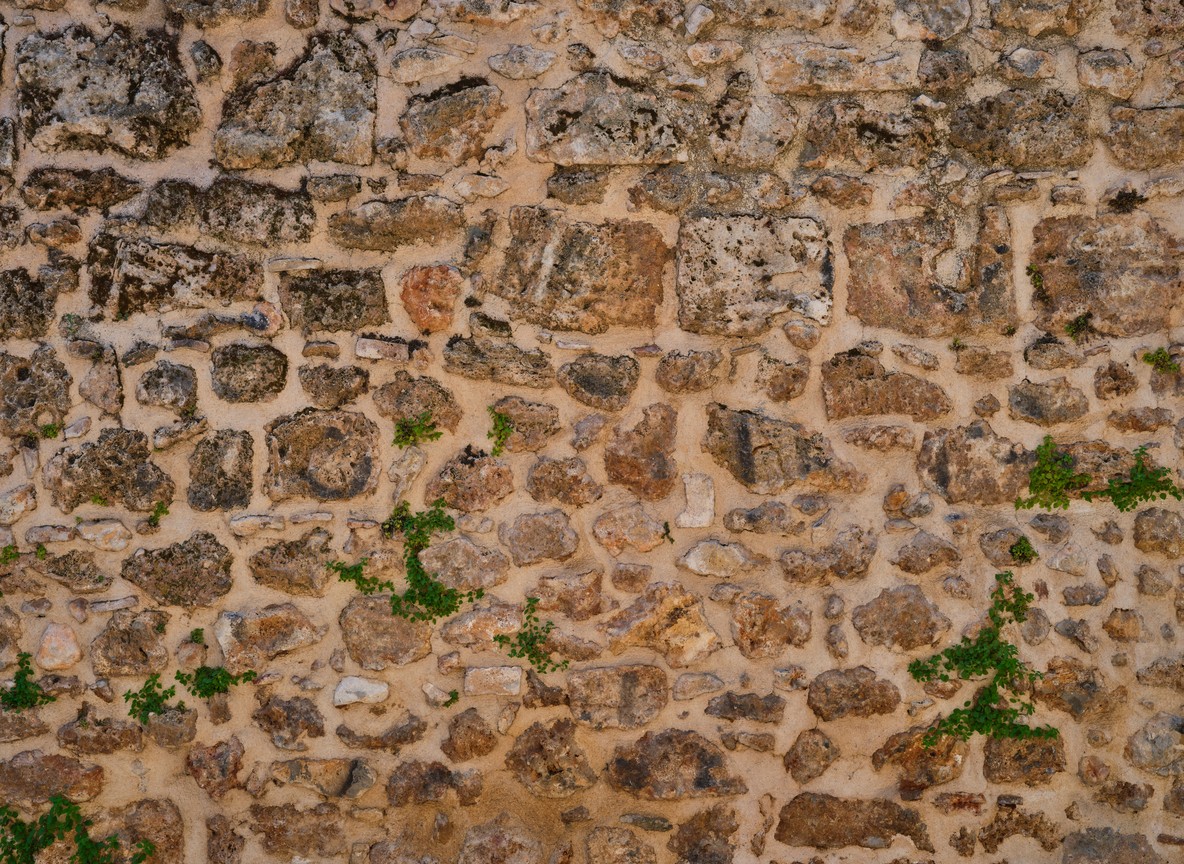
The engineering here is the real headline. Builders stacked flat volcanic and granite-type rocks in interlocking layers, using gravity and precise stone selection instead of mortar to keep the walls standing. Some sections have held their shape for close to five centuries with no repair.
Walking through the largest enclosure, you notice narrow entrance passages designed for defense. A single-file gap forces anyone entering to slow down, which gave residents time to react to threats. Small chambers built into the walls served as lookout points and livestock shelters. Nothing about the layout is accidental.
This same dry-stone technique appears in a handful of other sites across East and Southern Africa, most famously at Great Zimbabwe. Thimlich Ohinga is smaller and far less visited, but it belongs in the same conversation about pre-colonial African engineering that most world history courses skip entirely.
Who Built Thimlich Ohinga, and Why
The honest answer is that no single community claims sole authorship. Archaeological evidence points to Bantu-speaking groups as the likely original builders. Nilotic Luo communities occupied and expanded the enclosures later, and Cushitic groups were present in the wider region during the same centuries.
The walls were defensive first and residential second. Regional cattle raiding and conflict during the 16th and 17th centuries made fortified settlements a practical necessity, not a display of wealth. Families kept livestock inside the enclosures overnight and used the tight entrance corridors to control who came and went.
What survives today is not a museum reconstruction. It is the actual structure, still standing on its original footprint, which is rare anywhere in the world and rarer still in East Africa.
Thimlich Ohinga vs Kenya’s Other UNESCO World Heritage Sites
Kenya has more UNESCO recognition than most travelers realize. Here is where Thimlich Ohinga fits against the others.
| Site | Location | Inscribed | What Makes It Different |
|---|---|---|---|
| Thimlich Ohinga | Migori County, near Lake Victoria | 2018 | Only intact dry-stone walled settlement complex open to visitors in Kenya |
| Fort Jesus | Mombasa, Kenya coast | 2011 | 16th-century Portuguese-built coastal fort |
| Lamu Old Town | Lamu Island, Kenya coast | 2001 | Oldest continuously inhabited Swahili settlement in East Africa |
| Sacred Mijikenda Kaya Forests | Kenya coast hinterland | 2008 | Sacred forest groves tied to Mijikenda ancestral villages |
| Lake Turkana National Parks | Northern Kenya | 1997 | Fossil hominid sites and Nile crocodile breeding grounds |
| Mount Kenya National Park and Forest | Central Kenya | 1997 | Kenya’s highest peak and Afro-alpine ecosystem |
Thimlich Ohinga is the newest addition and the least visited by a wide margin. For travelers who have already done Fort Jesus or Lamu, it is the site that still feels undiscovered.
What to See and Do on Site
A guided walk through the main enclosure takes roughly 60 to 90 minutes. Your guide will point out the entrance passages, livestock pens, and lookout chambers, and explain which sections date earliest.
Beyond the main enclosure, three smaller satellite enclosures sit within walking distance, each showing slightly different construction styles. A small site museum displays pottery, iron tools, and grinding stones recovered during excavation, giving context to how daily life worked inside the walls.
Bird life around the site is active in early morning. The surrounding bush is home to hyrax and small antelope, so it is worth arriving before the midday heat sets in. Photography is excellent in the first two hours after sunrise. 📸
The Trunktrails Advantage
Most Kenya tour operators do not offer Thimlich Ohinga at all. It falls outside the standard Masai Mara, Amboseli, and coast circuit. Few guides have the local relationships needed to make the visit worthwhile, rather than just a long drive to a field of rocks.
Trunktrails Safaris built our western Kenya itineraries specifically to include Thimlich Ohinga alongside Lake Victoria and the Kisumu region. That way, the drive time actually earns its place in your trip. Our guides work with local heritage custodians in Migori County. Your visit includes the context and stories that a self-guided stop cannot offer.
We treat tours and safaris as more than wildlife checklists. A Trunktrails Safaris itinerary built around western Kenya combines Thimlich Ohinga, Lake Victoria boat excursions, and cultural stops in a single well-paced route. Logistics are handled so you are not the one figuring out rural road conditions at dusk. That is the difference between a place you saw and a place you actually understood.
Best Time to Visit and How to Combine It With the Rest of Kenya
Thimlich Ohinga is a dry-weather site. The June to October and January to March dry seasons keep the access roads in the best condition and make the walking easier underfoot.
It pairs naturally with a Lake Victoria stop in Kisumu, a visit to the Kisumu Impala Sanctuary, or a longer western Kenya circuit that includes Kakamega Forest. Few travelers build a full trip around Thimlich Ohinga alone. But as an add-on booked through tours and safaris specialists who know the region, it turns a good trip into a genuinely unusual one.
Two to three nights based in Kisumu, with one full day allocated to Thimlich Ohinga and the surrounding sites, is enough to do it justice without rushing.
Ready to See What Most Visitors Never Find?
Thimlich Ohinga Kenya will not be on the itinerary any generic tour company hands you. It takes local knowledge, the right vehicle, and a guide who already knows the route to make the detour worth it.
Trunktrails Safaris builds western Kenya and Lake Victoria itineraries around exactly this kind of discovery. We pair tours and safaris across the wildlife circuit with heritage stops that most operators skip entirely. If you want a Kenya trip that goes beyond the standard route, tell us and we will build it around places like this one. ✨
Further reading
More safari planning resources
- Nairobi to Maasai Mara route guide from Valley Safaris
- Best time to visit Kenya on Touring Insights
- Diani Beach guide on FindMySafari
- Kenya tour packages from Valley Safaris
WhatsApp: +254 113 208888 Email: info@trunktrailssafaris.com Website: https://trunktrailssafaris.com