Kenya’s Secret Seven: Tracking the Serval, Genet and Aardwolf After Dark
Everyone talks about the Big Five. Almost nobody talks about the animals that own the African night. Long after the last game drive rolls back to camp and the lions settle into the grass, a second cast of creatures wakes up. A serval pounces on a rat in the moonlight. A genet threads along a branch. An aardwolf noses into a termite mound while the plains sleep. 🌍
A kenya secret seven safari is built around exactly these animals. The “Secret Seven” is a real, named checklist made famous by the conservancies of Laikipia, and chasing it turns a safari on its head. Instead of racing to tick off the obvious, you slow down, wait for dark, and hunt for the shy specialists most travellers never even hear about. Trunktrails Safaris runs tours and safaris designed around this after-dark world, and this guide shows you how to plan one properly.
Kenya Secret Seven Safari: What the List Actually Is
The Secret Seven is a set of seven small, elusive, mostly nocturnal mammals that share the Kenyan bush with the famous herds but almost never show themselves in daylight. Ol Pejeta Conservancy in Laikipia popularised the name, and the classic list runs like this:
- Serval: a tall, long-legged spotted cat that hunts rodents in tall grass.
- Caracal: a powerful tawny cat with dramatic black ear tufts.
- Aardvark: a burrowing termite-eater with a pig-like snout and rabbit ears.
- Aardwolf: a small, shy relative of the hyena that eats almost only termites.
- Bat-eared fox: a sandy fox with huge radar ears for listening underground.
- Striped hyena: a scruffy, solitary scavenger far rarer than its spotted cousin.
- White-tailed mongoose: the largest African mongoose, active only after dark.
The genet is the honorary eighth. This slender, cat-like carnivore with a ringed tail is one of the most reliable stars of any kenya night game drive, so most guides fold it into the hunt. Seeing all seven on one trip is genuinely rare. Seeing three or four is a brilliant, brag-worthy result. ✨
Serval Cat Kenya: The Grassland Ghost
The serval is the animal most people fall for first. Stand one next to a house cat and the proportions look almost cartoonish: long legs, a small head, and the largest ears relative to body size of any cat on earth. Those ears are precision instruments. A serval can hear a rodent moving under the grass, then leap straight up and punch down with both front paws to pin it.
Servals favour wet grassland, reed beds and the edges of swamps, where rodents are thickest. In Kenya the tussock grasslands of Laikipia and the marshy fringes around Mount Kenya are prime ground. They hunt at dawn, dusk and through the night, which makes a spotlight drive your best shot. A serval frozen mid-stalk in the beam, ears swivelling, is one of the great sights of a serval cat kenya trip. 📸
Aardwolf Kenya Safari: The Termite Specialist
The aardwolf looks like a small, delicate striped hyena, and that is exactly what it is related to. The difference is on the menu. While hyenas crunch bone, the aardwolf lives almost entirely on harvester termites, licking up as many as 250,000 in a single night with a long sticky tongue. It has weak jaws, no interest in meat, and a shy, retiring nature.
Because it follows termite activity, an aardwolf kenya safari rewards patience and local knowledge. Guides look for open, short-grass plains dotted with termite mounds, then work those areas after dark. Laikipia’s conservancies and the plains of the greater Amboseli and Athi ecosystems all hold aardwolves. They are strictly nocturnal, easily spooked, and often seen trotting away with that low, tail-up hyena gait before vanishing into the dark.
Caracal Kenya Safari: Power in the Shadows
If the serval is elegance, the caracal is muscle. This medium-sized cat is stockier, tawny-red, and crowned with long black ear tufts that give it an unmistakable silhouette. Caracals are ferociously athletic and can spring high enough to knock birds out of the air, though most of their diet is hares, rodents and small antelope.
Caracals are harder to find than servals because they prefer drier, rockier, scrubbier country and keep an even lower profile. A caracal kenya safari leans on the same conservancies that hold the rest of the Secret Seven, plus the arid north around Samburu and Laikipia’s rockier sectors. A caracal in the spotlight, ear tufts flat and eyes glowing, is a sighting many repeat safari-goers spend years waiting for.
Kenya Night Game Drive: How After-Dark Safari Works
Here is the rule that decides everything: night driving is not allowed inside Kenya’s national parks and reserves. The Maasai Mara National Reserve, Amboseli and Tsavo all close their gates and forbid off-hours driving. The Secret Seven live there too, but you cannot legally chase them after dark.
Private conservancies are the loophole and the answer. Because they are privately or community managed, conservancies such as Ol Pejeta, Lewa, Loisaba and Solio permit guided night drives with a spotlight and an expert tracker. That single fact is why a serious laikipia night safari almost always means staying on a conservancy, not in a national park.
A good night drive uses a red or dimmed filter to avoid dazzling the animals, moves slowly, and relies on a tracker sweeping the beam for eye-shine. Your guide reads that eye-shine like a language: colour, height and spacing all hint at what is out there before you even see a body. This is slow, quiet, patient safari, and it is completely different from the daytime rush.
Secret Seven Ol Pejeta: The Facts, Fees and Named Places
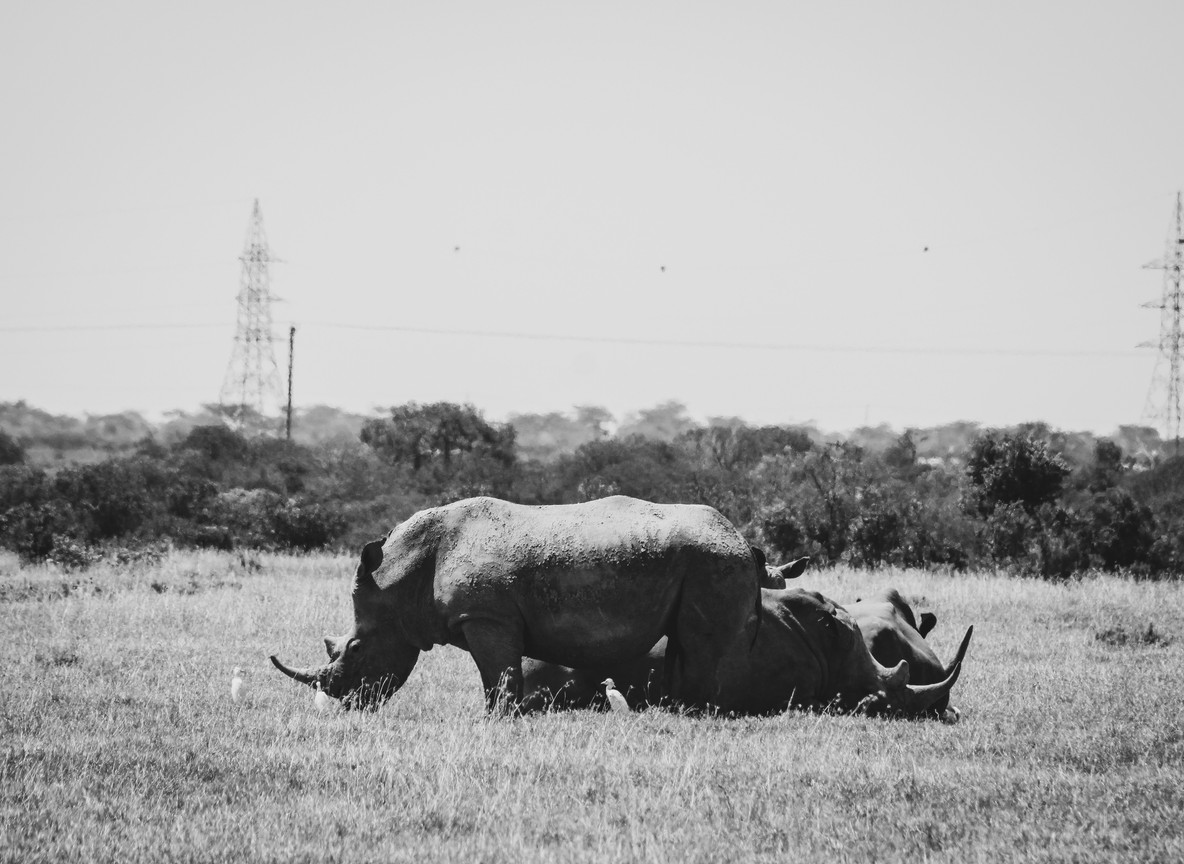
Ol Pejeta Conservancy in Laikipia is the spiritual home of the Secret Seven and the easiest place to build a trip around it. The figures below are indicative and rounded, and conservancy fees change seasonally, so treat them as planning anchors rather than firm quotes. Never assume a rate without confirming it at the time of booking.
| Detail | Figure (indicative) | Notes |
|---|---|---|
| Nairobi to Ol Pejeta by road | ~200 km, 3.5-4 hours | Via Nyeri and Nanyuki, tarmac most of the way |
| Wilson Airport to Nanyuki airstrip | ~45 min flight | Then ~30 min transfer to conservancy gates |
| Ol Pejeta Conservancy size | ~360 km2 (~90,000 acres) | Laikipia County, between Nanyuki and Nyahururu |
| Conservancy entry (non-resident) | ~$100 per adult/day | Funds rhino security and community programmes |
| Guided night game drive | ~$50 per person | Booked through your camp or the conservancy |
| Lewa Wildlife Conservancy | ~250 km2 | Adjoining Borana, strong for serval and caracal |
| Solio Ranch | ~70 km2 fenced sanctuary | High rhino density, good night driving |
Named camps and lodges that anchor a Secret Seven trip include Ol Pejeta Bush Camp, Sweetwaters Serena Camp, Kicheche Laikipia and Porini Rhino Camp on Ol Pejeta, plus Lewa Safari Camp and Loisaba Tented Camp further north. Airstrips at Nanyuki and on the conservancies themselves make fly-in trips easy.
Best Place to See Secret Seven Kenya: A Quick Comparison
No single conservancy guarantees all seven, so the smart play is matching the destination to the animals you most want. Warm, still nights after light rain bring termites and rodents to the surface, which lifts your odds across the board.
| Conservancy | Best For | Night Drives | Wider Draw |
|---|---|---|---|
| Ol Pejeta (Laikipia) | Full Secret Seven checklist | Yes | Rhino, chimps, Big Five |
| Lewa / Borana | Serval, caracal, aardwolf | Yes | Grevy’s zebra, rhino |
| Loisaba (Laikipia) | Aardvark, bat-eared fox | Yes | Wild, remote, star beds |
| Solio Ranch | Striped hyena, serval | Yes | Highest rhino density in Kenya |
| Samburu conservancies | Caracal, genet, aardwolf | Yes | Special Five dry-country species |
For most travellers, a two or three-night stay on Ol Pejeta, ideally paired with Lewa or a Samburu conservancy, gives the strongest realistic shot at four or more of the seven. 🌅
The Trunktrails Advantage: Reading the Dark for You
Trunktrails Safaris is a native Kenyan-owned operator, and the Secret Seven is exactly the kind of safari where local knowledge decides everything. Anyone can drive you around a floodlit lodge. Finding a serval mid-stalk or an aardwolf on a termite mound takes a guide who knows the ground, the season and the animals’ habits by heart.
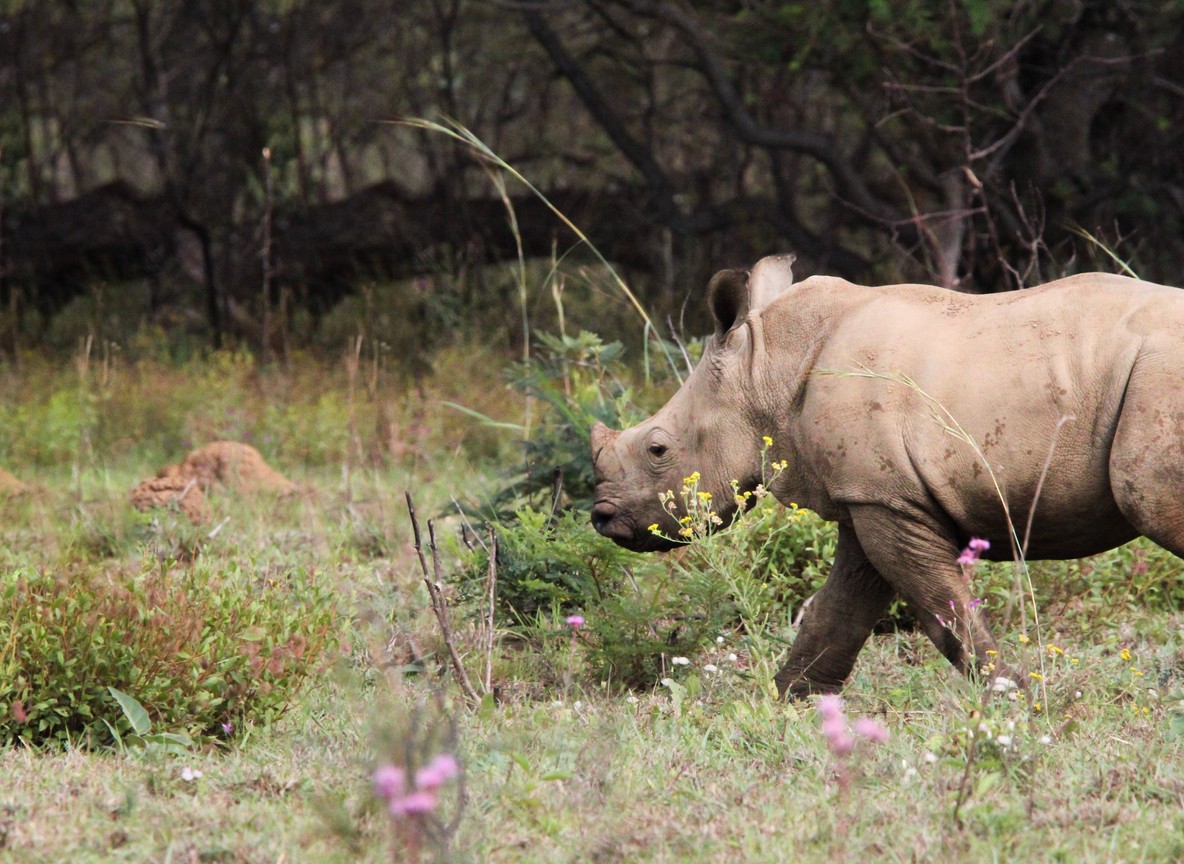
We place you on the conservancies where night driving is legal and where the Secret Seven actually live, not in parks that lock their gates at dusk. We pair you with trackers who read eye-shine and fresh sign, and we time your nights around the moon and the weather to lift your odds. We plan tours and safaris that stack the after-dark hunt on top of the daytime classics, so you get rhinos and elephants by day and the secret world by night.
We also keep you honest about expectations. A kenya secret seven safari is a treasure hunt, not a guarantee, and we would rather promise you a brilliant, patient search than oversell a checklist. That honesty, plus guides who live this landscape, is what a real safari with Trunktrails Safaris delivers.
Your Move: Book the Safari Nobody Else Talks About
The Big Five will always draw the crowds. The Secret Seven belongs to the travellers curious enough to stay out after dark and patient enough to wait for the beam to catch a pair of glowing eyes. It is the safari that turns you from a spectator into a tracker.
Talk to Trunktrails Safaris and let us design tours and safaris around your dates, your budget and your appetite for the Kenyan wild after nightfall.
Further reading
More safari planning resources
- Ol Pejeta and Sweetwaters safari package from Valley Safaris
- Best safaris in Kenya on Touring Insights
- Big Five safari collection on FindMySafari
- Nairobi to Maasai Mara route guide from Valley Safaris
- WhatsApp: +254 113 208888
- Email: info@trunktrailssafaris.com
- Web: trunktrailssafaris.com
Message us today and let us plan the night drives that put serval, genet and aardwolf in your spotlight. 🐘