Safari Bush Flight Luggage: Why Your Suitcase Won’t Fly in Kenya
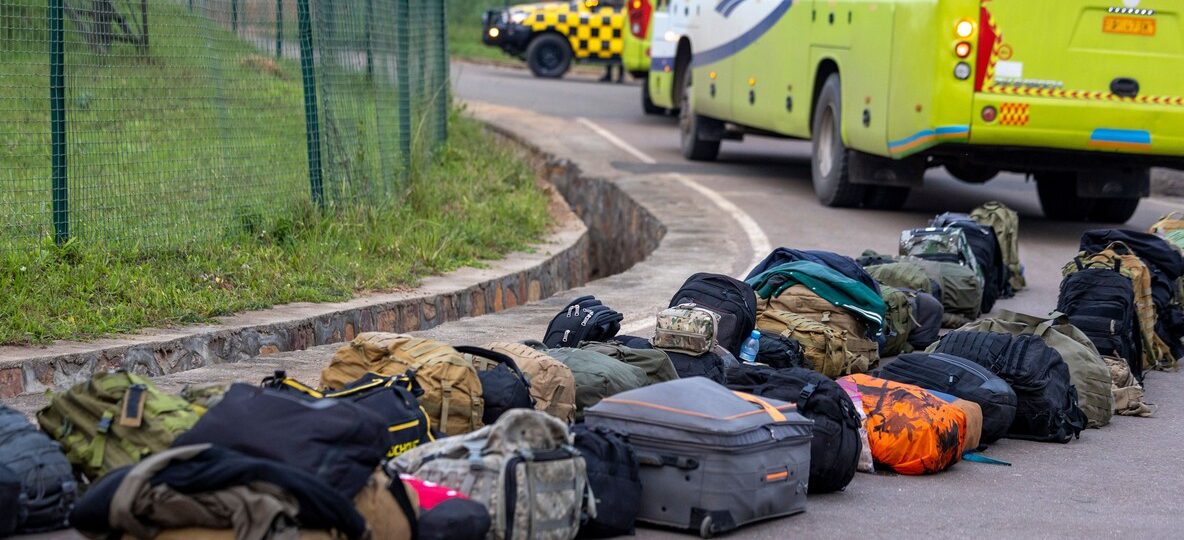
You booked the flying safari, you pictured the tiny plane skimming over the plains, and then the confirmation email dropped a bombshell: 15 kilograms, soft bags only, no hard suitcases. If your first thought was that your trusty wheeled case is coming anyway, please stop and read this first. On a Kenya bush flight, a rigid suitcase is not a small inconvenience. It is the single most common reason travellers get turned away at the check-in scale at Wilson Airport.
This guide to safari bush flight luggage explains exactly why the rules are so strict, what the real weight and size limits look like in 2026, and how Trunktrails Safaris packs clients so nothing gets left behind on the tarmac. 🌍
The Short Answer: Soft Bags, About 15 Kilograms, No Exceptions
Here is the plain truth that surprises most first-time visitors. The little planes that shuttle between Nairobi’s Wilson Airport and the safari airstrips are not scaled-down airliners. They are light aircraft, usually a Cessna 208 Caravan carrying around 12 guests, or an even smaller Cessna 206. Every kilogram matters for balance, fuel and safety, so the airlines set firm rules.
- Weight: roughly 15 kg (about 33 lb) per passenger, and that total usually includes your hand luggage and camera bag.
- Bag type: soft-sided duffel or holdall only. No hard shell, no wheels, no external frame.
- Shape: the bag must squeeze into a narrow curved hold or under a seat, so a rigid box simply will not fit.
Miss any one of these and the crew has every right to leave the bag behind. This is not the airline being difficult. It is basic physics on an aircraft where the pilot literally weighs the passengers and the fuel before takeoff.
Why a Hard Suitcase Physically Cannot Fly
The hold on a bush plane is a shallow, curved compartment tucked into the fuselage, often behind the rear seats. A soft duffel flexes and moulds into that awkward space. A hard suitcase does not bend, so it wastes room and can jam the loading. On a full flight, that lost space is the difference between all the bags fitting and yours staying on the ground.
There is a safety side too. Loose, heavy, rigid objects shift the aircraft’s centre of gravity, and small planes are far more sensitive to weight distribution than a jumbo jet. Pilots at Wilson refuse hard cases for the same reason they weigh every guest: a light aircraft that is loaded wrong is a serious hazard, not a minor one.
Wilson Airport Baggage Limit: The Numbers That Matter
Almost every Kenyan flying safari launches from Wilson Airport (WIL) in Nairobi, not the big international terminal at Jomo Kenyatta. This is where your bags meet the scale. The three main scheduled carriers, Safarilink, AirKenya and Governors’ Aviation, all run very similar rules, and the figures below are the ones you plan around.
| Airline | Wilson Airport Baggage Limit | Bag Type | Excess Option |
|---|---|---|---|
| Safarilink | 15 kg total, hand luggage included | Soft bag only | Buy a paid extra seat for more |
| AirKenya | 15 kg total, hand luggage included | Soft bag only | Purchase a cargo seat |
| Governors’ Aviation | 15 kg total per guest | Soft bag only | Extra weight by arrangement |
A common soft-bag size guide is around 61 cm long, 33 cm high and 25 cm deep, though the weight limit usually bites before the size does. Camera gear is the classic trap. A long lens and body can eat 6 to 8 kg on their own, which leaves very little for clothes. Weigh everything at home on a luggage scale, not at the airport where it is too late to fix.
Safarilink Baggage Allowance and the Extra-Seat Trick
If you genuinely cannot travel light, there is a legitimate escape hatch that photographers and honeymooners use often. You buy an extra seat. The airline sells you a second seat on the same flight and lets you load additional soft-packed weight against it, within the aircraft’s limits.
It is not cheap, but it is far better than arriving in the Mara without your gear. Indicative pricing for a bush-flight extra seat sits in a similar band to a standard passenger fare on that leg, so treat it as roughly the cost of a second ticket. Confirm the exact figure with your operator when you book, because it changes with route and season. The key point is simple: the allowance is firm, but it is flexible if you plan and pay for the extra capacity in advance rather than begging at the scale.
Real Routes, Airstrips and Flight Times
Understanding where these planes go makes the rules easier to accept. These are short, frequent hops between grass and gravel airstrips, not long-haul flights with generous holds.
| Route from Wilson (WIL) | Typical Flight Time | Example Airstrip |
|---|---|---|
| Wilson to Maasai Mara | 45 to 50 minutes | Ol Kiombo, Keekorok, Musiara |
| Wilson to Amboseli | 40 to 45 minutes | Amboseli (Empusel) airstrip |
| Wilson to Nanyuki / Lewa | 40 to 45 minutes | Nanyuki, Lewa Downs |
| Wilson to Samburu | 60 to 75 minutes | Kalama, Samburu Oryx |
| Wilson to Diani / coast | 75 to 90 minutes | Ukunda airstrip |
By road, Nairobi to the Maasai Mara is roughly 270 km and 5 to 6 hours of rough driving. The flight turns that into under an hour, which is exactly why so many travellers pay for the plane. The trade-off is the luggage rule. You save half a day, but you accept the soft-bag, 15 kg reality. Named airstrips like Ol Kiombo and Keekorok are small strips with a windsock and a hut, not terminals, so there is no forgiving oversized-bag desk to save you.
What to Pack for a Kenya Flying Safari
The good news is that a safari genuinely needs less than you think. Camps do laundry, dress codes are relaxed, and neutral colours mean a small wardrobe stretches a long way. Pack to the rule, not against it.
- The bag: one soft duffel, plus a small soft daypack for the cabin.
- Clothes: neutral layers, two or three shirts, one warm fleece for cold game-drive mornings, a light rain layer.
- Footwear: one pair of trainers or light boots on your feet, sandals in the bag.
- Camera: carry the heavy gear as your cabin item so it counts but stays with you.
- Skip: the hairdryer (camps have them), the third pair of shoes, and anything hard-shelled.
Wear your bulkiest items on the plane. Boots, fleece and a jacket on your body do not count against the checked weight in the same way as bag contents. It is a small trick that buys back a surprising amount of your allowance.
Common Safari Bush Flight Luggage Mistakes
A few errors show up again and again at the Wilson scale, and every one of them is avoidable with a little planning.
- Bringing wheels anyway: the wheels and rigid frame add dead weight and will not fit the hold, so the whole case gets refused.
- Forgetting the camera counts: guests weigh their clothes but leave the 7 kg camera bag off the maths, then blow the limit.
- Packing full toiletries: camps stock soap, shampoo and even hairdryers, so travel-size is plenty.
- Ignoring the return legs: souvenirs bought on safari still have to fly out on the same tiny plane, so leave a little headroom.
- Assuming the rule is negotiable: it is not, and a busy morning flight leaves no time to repack on the tarmac.
Fix these before you fly and the whole boarding process becomes a two-minute formality rather than a scramble.
The Trunktrails Advantage: We Pack You to the Rule
Trunktrails Safaris is a native Kenyan-owned operator, and we have watched too many visitors panic at the Wilson scale. So we get ahead of it. When you book a flying safari with us, luggage guidance is part of the plan, not an afterthought you discover at the airport. This is what booking tours and safaris with people who fly these routes every week actually buys you.
Before you leave home, we send a clear packing list built around the exact aircraft on your route and the specific airline allowance for your dates. If your camera kit or your family’s gear needs more room, we arrange and price the extra seat in advance, so nothing is left behind and nobody is negotiating at check-in. We also match your itinerary to the right airstrips, so your soft bag and your schedule line up cleanly.
Our guides know which camps supply what, which routes run the smallest planes, and how to spread weight across a family booking so everyone clears the scale. That local knowledge is the difference between a smooth boarding and a stressful morning. When you plan tours and safaris with an operator who lives here, the luggage rule stops being a threat and becomes just another solved detail. ✨
Your Next Step: Sort the Bag Before You Book the Flight
A Kenya flying safari is one of the great travel experiences, and the luggage rule is a small price for skimming over the plains toward your camp. Get the soft bag, weigh it honestly, and let us handle the rest. 📸
Talk to Trunktrails Safaris before you finalise your flights, and we will build your packing plan, confirm the exact airline allowance for your dates, and secure an extra seat if you need one.
Further reading
More safari planning resources
- Kenya tour packages from Valley Safaris
- Maasai Mara National Reserve guide on Touring Insights
- Compare Kenya safari packages on FindMySafari
- Interactive Maasai Mara map from Valley Safaris
- WhatsApp: +254 113 208888
- Email: info@trunktrailssafaris.com
- Web: trunktrailssafaris.com
Message us today and let us plan tours and safaris that get you and your gear onto the plane without a single anxious moment at the scale. 🦁