Can You Fly a Drone on a Kenya Safari? KCAA, KWS and Lodge Rules for 2026
You have packed the camera, the long lens and, tucked in a padded case, a drone. The dream is obvious: a slow aerial glide over a herd of elephants crossing the Amboseli plains, Kilimanjaro behind them. Before you charge those batteries, stop and read this. The honest answer to the big question is that flying a drone on a typical Kenya safari is heavily restricted, and getting it wrong can end with a confiscated aircraft, a heavy fine or a very awkward conversation at the airport.
This guide to kenya safari drone rules for 2026 lays out exactly what the Kenya Civil Aviation Authority (KCAA) and the Kenya Wildlife Service (KWS) require, what lodges and conservancies allow, and how Trunktrails Safaris helps clients who genuinely need aerial footage do it the legal way. 🌍
The Short Answer: Almost Never Without Permits
Here is the plain truth. You cannot simply arrive at Jomo Kenyatta International Airport with a drone in your bag, drive into the Maasai Mara and start flying. Three separate layers of rules apply, and all three must line up before a single rotor turns.
- KCAA controls who may bring a drone into Kenya, register it and fly it anywhere in the country.
- KWS controls the airspace over every national park and national reserve, and it bans drones there unless you hold a specific written permit.
- Lodges, camps and private conservancies set their own policies, and most simply say no.
Miss any one layer and your safari drone plan collapses. The good news is that the path is clear once you understand it, and for most travellers the smart move is to plan around the rules rather than against them.
KCAA Drone Registration: The National Layer
The Kenya Civil Aviation Authority regulates all unmanned aircraft under its Unmanned Aircraft Systems framework. Drones are sorted into three broad categories that shape everything else.
- Category A covers private or recreational use, the box most safari visitors fall into.
- Category B covers commercial work, including paid film and photography.
- Category C covers non-profit, research and training use.
Every drone flown in Kenya must be registered with KCAA and carry its registration mark, regardless of category. Commercial operators also need a Remote Pilot Licence and an operator certificate, which involves training and testing that cannot be rushed in a two-week trip. This is why so many visitors underestimate the process: registration and approval take planning weeks ahead, not a same-day form at the gate.
Drone Import Permit Kenya: The Step Most Visitors Miss
This is the single most common mistake. Before you can even bring a drone into the country, you generally need an import authorisation from KCAA, arranged in advance. Turning up at customs with an unregistered, unauthorised drone is how travellers lose the aircraft on day one.
Kenyan customs officers at JKIA and Wilson Airport are alert to drones. Without prior KCAA clearance, expect the device to be held, and expect to leave the airport without it. So the real answer to “can you bring a drone to Kenya” is yes, but only with paperwork sorted long before you fly, never on arrival.
Build in time, too. Registration, import authorisation and any permit review each move at their own pace, and Kenyan agencies process them in sequence rather than overnight. Photographers who start the process a month or more ahead of their safari almost always succeed. Those who leave it to the final week almost always fly home with unused footage plans and a drone that never left its case.
KWS Drone Permit: The Park Layer
Even with full KCAA registration, you still cannot fly over wildlife. The Kenya Wildlife Service treats the airspace above national parks and reserves as protected, and drones are prohibited there without a specific KWS permit. This applies across the flagship destinations: Amboseli, Tsavo East, Tsavo West, Nairobi National Park, Lake Nakuru and the KWS-managed parks nationwide.
The reasoning is sound. Drones stress animals, disrupt natural behaviour, disturb other guests and can interfere with the light aircraft that shuttle between safari airstrips. A buzzing rotor over a lion pride is both a welfare problem and a safety hazard near busy strips like Amboseli’s own airfield.
KWS permits for aerial work are issued case by case, usually for documented film, research or conservation projects with a clear justification, and they carry fees. A casual holiday clip almost never clears that bar. Flying without the permit is treated as a serious offence inside a protected area.
Kenya Safari Drone Rules at a Glance: 2026 Facts Table
The figures below are indicative for 2026 planning and can change, so confirm current numbers directly with KCAA and KWS before you travel. Treat them as planning anchors, not quotes.
| Requirement | What Applies | Indicative Detail |
|---|---|---|
| KCAA registration | All drones, every category | Mandatory registration mark before any flight |
| Import authorisation | Before entry to Kenya | Arrange with KCAA weeks ahead of travel |
| Remote Pilot Licence | Commercial (Category B) | Training plus testing; not same-day |
| KWS park permit | Any flight over a park or reserve | Case by case; film, research or conservation only |
| Recreational park flying | Amboseli, Tsavo, Mara area, Nakuru | Effectively not permitted for tourists |
| Maximum altitude (general) | Where flying is allowed | Around 400 ft / 122 m above ground |
| Distance from airports | Nationwide | Well clear of JKIA, Wilson and safari airstrips |
| Penalties (indicative) | Unauthorised flight or import | Fines reported into the millions of KES, plus seizure |
Note the last row carefully. Kenyan drone offences can attract fines quoted in the millions of shillings and possible prosecution under civil aviation law. The exact figures shift, but the message is consistent: this is not a rule anyone bends casually.
Distances and Named Places: Where Drone Questions Actually Come Up
Aerial dreams usually cluster around a handful of iconic spots. Knowing the ground reality helps you plan sensibly.
| Destination | Managing Body | Drone Reality |
|---|---|---|
| Maasai Mara National Reserve (~1,510 km2) | Narok County | County and camp rules restrict drones; treat as no-fly |
| Amboseli National Park (~392 km2) | KWS | KWS permit only; busy airstrip nearby |
| Tsavo East and West (~22,000 km2 combined) | KWS | KWS permit only |
| Nairobi National Park (~117 km2) | KWS | KWS permit only; city airspace adds restrictions |
| Ol Pejeta Conservancy (~360 km2) | Private conservancy | Own policy; written permission required |
| Lake Nakuru National Park (~188 km2) | KWS | KWS permit only |
Distances matter too. Nairobi to the Maasai Mara is roughly 270 km by road, about 5 to 6 hours, or a 45 to 50 minute flight from Wilson Airport into strips like Ol Kiombo or Keekorok. Those same airstrips are exactly why loose drone flying is dangerous: light aircraft land there through the day, and a drone in that airspace is a genuine collision risk.
Lodges and Conservancies: The Layer People Forget
Suppose you somehow held every national permit. You would still need permission from wherever you are staying. Private conservancies such as Ol Pejeta, Lewa, Mara North and Naboisho set their own drone policies, and most default to a firm no in order to protect wildlife and guest privacy. High-end camps market themselves on peace and exclusivity, and a whining drone over the honeymoon deck ends that in seconds.
Always ask your operator to confirm the policy in writing before you rely on any aerial plan. A verbal “probably fine” at booking is worthless when a camp manager grounds you on arrival.
The Trunktrails Advantage: Aerial Footage Done the Legal Way
Trunktrails Safaris is a native Kenyan-owned operator, and we would rather protect your trip than watch your gear vanish at customs. When clients ask about drones, we give them the same straight guidance you are reading here, then we build a plan that actually works.
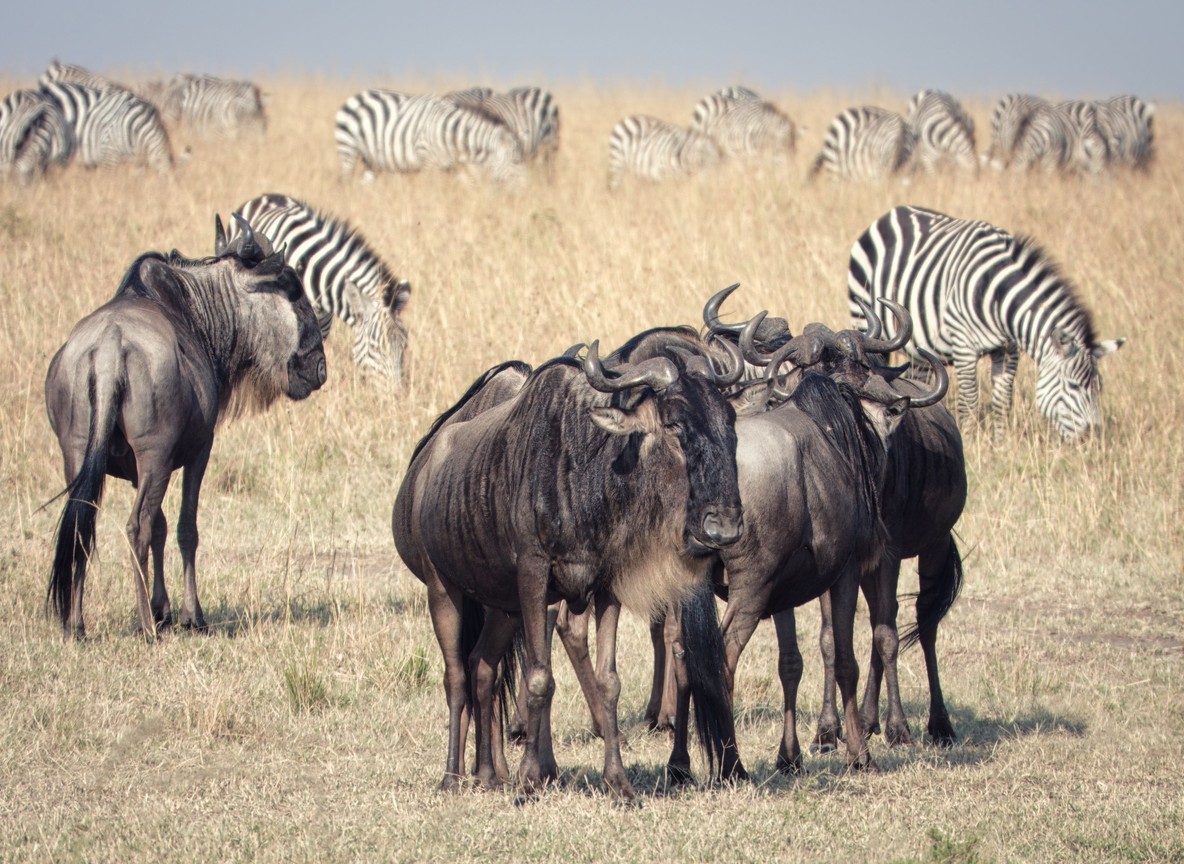
For genuine film, brand or conservation projects, we help coordinate the KCAA registration, import authorisation and KWS permit process ahead of time, and we route you to the private conservancies where controlled aerial work can be authorised. For everyone else, we plan tours and safaris around spectacular ground-level angles: low light on the plains, waterhole hides, walking safaris and balloon flights over the Mara that deliver the sweeping aerial view legally and safely.
We also protect you from the expensive mistakes. Our guides know which airstrips sit where, which camps forbid drones outright and how KWS wardens respond to an unauthorised aircraft. That local knowledge is the difference between a clean, memorable trip and a ruined one. This is what planning tours and safaris with people who live here really buys you: fewer surprises, zero seized gear and footage you can be proud of. ✨
Your Next Step: Plan the Shots Before You Pack the Drone
Kenya’s skies over its wildlife are guarded for good reason, and the rules reward travellers who plan early. If you have a real reason to fly, start the KCAA and KWS paperwork weeks out. If you simply want jaw-dropping images, let us design a route around balloon flights, elevated hides and prime light instead. 📸
Talk to Trunktrails Safaris before you book anything drone-related, and we will tell you honestly what is possible for your dates, your gear and your goals.
Further reading
More safari planning resources
- Kenya national parks map from Valley Safaris
- Amboseli National Park guide on Touring Insights
- Amboseli destination guide on FindMySafari
- Map of Amboseli from Valley Safaris
- WhatsApp: +254 113 208888
- Email: info@trunktrailssafaris.com
- Web: trunktrailssafaris.com
Message us today and let us plan tours and safaris that get you the footage you want without the fine you do not. 🦁