Kenya’s Black Rhino Comeback: A Black Rhino Kenya Conservation Success Story
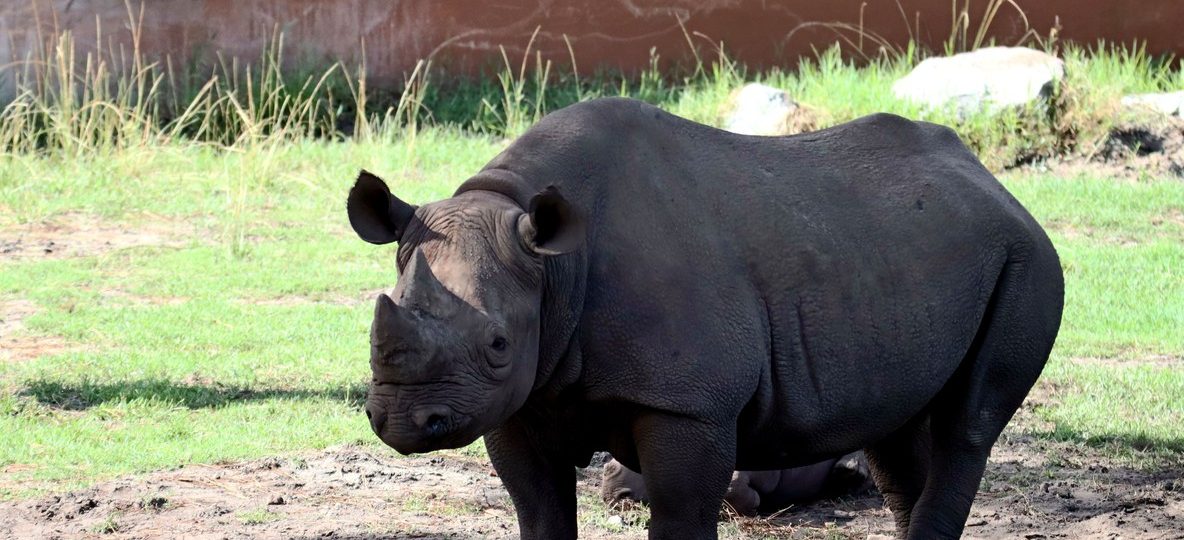
Black rhino kenya conservation is one of the rare wildlife recovery stories with hard numbers behind it. Kenya’s black rhino population collapsed by more than 95 percent between the 1970s and the late 1980s. It climbed back through decades of fencing, ranger patrols, and careful breeding management. Today the country holds one of the largest black rhino populations left on the planet. That population is spread across a small, named list of sanctuaries. Guests can visit these sanctuaries on tours and safaris with Trunktrails Safaris.
This guide covers how the comeback happened and how many black rhinos are left in Kenya today. It also shows you where to see them and why the recovery still matters for every traveler who books a safari here.
How Many Black Rhinos Are Left in Kenya?
Kenya’s black rhino population has grown from roughly 300 animals in 1989, the lowest point on record, to an estimated population in the low thousands today. These figures are tracked by the Kenya Wildlife Service (KWS) and partner conservancies. That is a multi-fold recovery achieved almost entirely inside fenced or intensively guarded sanctuaries, not open rangeland.
The number matters because black rhinos breed slowly. A female typically produces one calf every two and a half to four years, after a gestation period of about 15 months. Every poaching loss during the crisis years took far longer to replace than a comparable loss in a fast-breeding species like impala. That slow biology is exactly why the current population count is treated as a fragile, hard-won figure rather than a settled statistic.
Kenya’s Black Rhino Comeback: From Crisis to Recovery
East Africa held an estimated 20,000 black rhinos in 1970. Organized poaching for the rhino horn trade, driven mostly by demand in parts of Asia, cut that number to a few hundred animals in Kenya within two decades. Entire regional populations disappeared before conservationists could react.
The recovery strategy that followed is now studied across the continent. Kenya Wildlife Service and private landowners fenced core sanctuaries, trained dedicated ranger units, and began ear-notching every rhino for individual identification. Rhinos are moved between sanctuaries by truck and, for longer journeys, by helicopter sling-load. These moves manage genetic diversity and seed new range as populations grow past a site’s carrying capacity. Ol Pejeta Conservancy, Lewa Wildlife Conservancy, and Solio Ranch have all supplied founder animals for newer sanctuaries elsewhere in Kenya over the past three decades.
Black Rhino Population in Kenya: The Numbers Behind the Recovery
The table below shows the broad shape of the comeback. Figures before the 1990s are historical estimates published by conservation bodies. Recent figures are indicative and should be checked against the latest KWS Rhino Status Report before citing in formal research.
| Period | Estimated Black Rhino Population in Kenya | Context |
|---|---|---|
| 1970 | ~20,000 (East Africa-wide) | Before commercial poaching crisis |
| 1989 | ~300 | Historic low point for Kenya |
| 2000 | ~450 | Early sanctuary-model recovery |
| Today (indicative) | 1,000+ | Growth managed across fenced sanctuaries |
Kenya’s approach concentrates black rhinos inside sanctuaries small enough to guard intensively. That trade-off, less roaming range in exchange for real protection, is the core mechanism behind every number in that table.
Where Could You Find a Black Rhino in Kenya?
Black rhino sightings in Kenya happen almost exclusively inside a short list of protected sanctuaries. Below are the ones Trunktrails Safaris builds rhino-tracking days around, with real distances and indicative costs so you can plan properly before booking tours and safaris around them.
Ol Pejeta Conservancy in Laikipia holds Kenya’s largest single black rhino population inside a 364 km² fenced conservancy. It sits about 200 km from Nairobi, a 3.5 to 4 hour drive via Nanyuki, or a roughly 45-minute flight into Nanyuki airstrip.
Lewa Wildlife Conservancy, a 250 km² UNESCO World Heritage sanctuary near Isiolo, is one of Kenya’s original black rhino strongholds. It is about 230 km from Nairobi by road, a 4.5 to 5 hour drive, or a 45 to 50 minute flight into the Lewa Downs airstrip.
Solio Ranch, between Nyeri and Nyahururu, was Kenya’s first dedicated black rhino sanctuary and remains a key breeding source for other sites. It sits roughly 185 km from Nairobi, about 3.5 hours by road.
Lake Nakuru National Park, a 188 km² park fully enclosed by an electrified perimeter fence, protects both black and white rhino inside Rift Valley grassland. It is about 160 km from Nairobi, a 2.5 to 3 hour drive.
Aberdare National Park protects black rhino across 766 km² of highland forest and moorland, roughly 160 km from Nairobi, about a 3 hour drive.
Ngulia Rhino Sanctuary is a fenced 90 km² enclosure inside the much larger 9,065 km² Tsavo West National Park. It is a quieter, less-visited option roughly 240 km from Nairobi, around a 4 hour drive.
Masai Mara National Reserve, mainly through the Mara Triangle sector, holds a smaller, harder-won black rhino population across its wider 1,510 km² footprint. It is about 270 km from Nairobi, a 5 to 6 hour drive or a 45-minute flight.
Comparing Kenya’s Black Rhino Sanctuaries
| Sanctuary | Size | Distance from Nairobi | Drive Time | Indicative Entry Fee (USD/day) |
|---|---|---|---|---|
| Ol Pejeta Conservancy | 364 km² | 200 km | 3.5-4 hrs | ~$90 |
| Lewa Wildlife Conservancy | 250 km² | 230 km | 4.5-5 hrs | ~$100 |
| Solio Ranch | ~70 km² | 185 km | 3.5 hrs | ~$50 |
| Lake Nakuru National Park | 188 km² | 160 km | 2.5-3 hrs | ~$60 |
| Aberdare National Park | 766 km² | 160 km | 3 hrs | ~$60 |
| Ngulia Rhino Sanctuary (Tsavo West) | 90 km² | 240 km | 4 hrs | ~$52 |
| Masai Mara (Mara Triangle) | 1,510 km² total | 270 km | 5-6 hrs | ~$70-80 |
Fees above are indicative non-resident ranges and change without notice. Trunktrails Safaris confirms current gate and conservancy fees at the time of booking, so treat this table as a planning guide rather than a quote.
Why Black Rhino Conservation in Kenya Matters
Black rhino kenya conservation is not just a wildlife story, it is a working model for how a country funds protection through tourism. Conservancy and park fees paid by visitors go directly toward ranger salaries, fence maintenance, and anti-poaching patrols at the sanctuaries above. A guest who books a rhino-tracking morning is part of the funding chain that keeps that ranger unit paid the following month.
There is also a species-level argument. Black rhinos are browsers that shape woodland structure by feeding on shrubs and low branches, a role no other large herbivore in these ecosystems fills the same way. Losing them would change how Kenya’s savanna and highland forest habitats grow back after fire or drought, affecting species far beyond the rhino itself.
For travelers building a bucket-list trip, this is a different kind of encounter. Seeing a species that was two decades from local extinction, and is now recovering, carries more weight than spotting an abundant species like zebra or impala. Guides at every sanctuary above can point out ear-notch patterns and explain how individual animals are tracked. That turns a sighting into a conservation lesson, not just a checklist item.
The Trunktrails Advantage
Trunktrails Safaris is a Kenyan-owned operator, and rhino conservancies are some of the destinations our guides know best. We do not send every guest to the same sanctuary by default. A traveler with two days should go to Ol Pejeta or Lake Nakuru for the highest sighting odds. Someone who wants a quieter, less-crowded encounter is better served by Solio Ranch or Ngulia Rhino Sanctuary.
Every rhino-focused itinerary we build includes a briefing on how ear-notching and ranger tracking actually work, so the sighting means more than a photo. We also fold rhino sanctuaries into wider tours and safaris itineraries. A morning at Ol Pejeta can pair with an afternoon transfer toward the Aberdares or Laikipia’s other conservancies. That way guests are not spending an extra travel day just to add rhino tracking to their trip.
Trunktrails Safaris holds a Tour/Safari Operator licence (TRA1/22/C01/92750, Class C) issued by the Tourism Regulatory Authority of Kenya, current through the end of 2026. That licence, combined with our direct relationships at these conservancies, is what lets us confirm rhino-tracking access before a guest ever leaves home.
Plan Your Black Rhino Safari 🌍
Kenya’s black rhino comeback is still being written. The sanctuaries above are where you see that story in progress. Trunktrails Safaris can build a rhino-focused itinerary around Ol Pejeta, Lewa, Solio, or any combination of the sanctuaries in this guide, matched to how much time and budget you have.
Further reading
More safari planning resources
- Kenya national parks map from SafariPure
- Nairobi to Maasai Mara route guide from Valley Safaris
- Maasai Mara National Reserve guide on Touring Insights
- Big Five safari collection on FindMySafari
Message us on WhatsApp at +254 113 208888 or email info@trunktrailssafaris.com to start planning your black rhino safari. Trunktrails Safaris replies with a proposed itinerary and current conservancy fees within one business day. Lock in your tours and safaris dates now, while sighting conditions are strong. ✨