
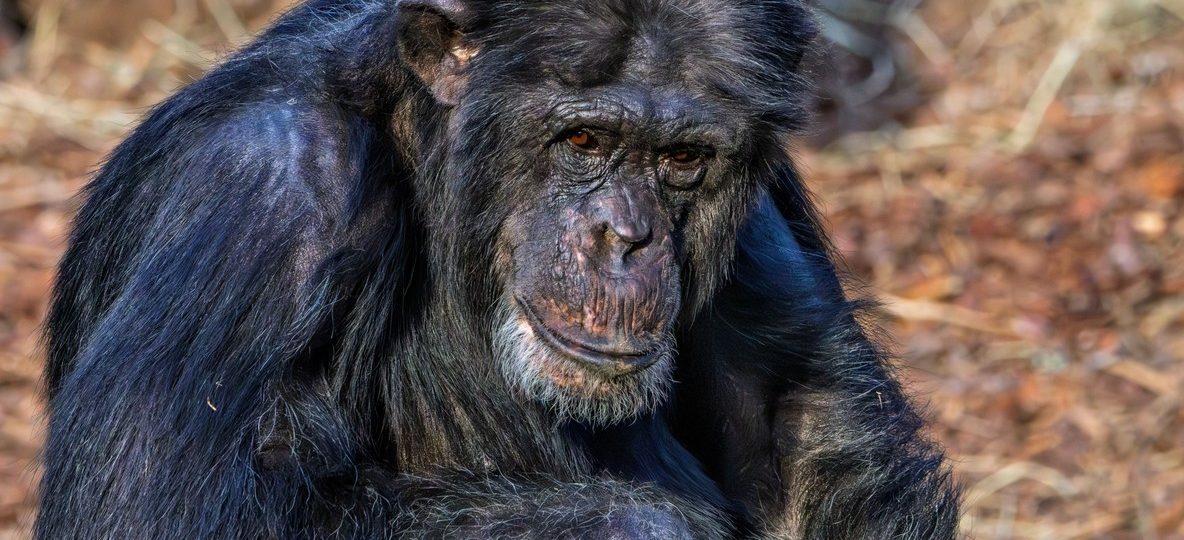
Visiting the Jane Goodall Chimpanzee Sanctuary in Kenya
Close your eyes and picture a young researcher sitting quietly at the edge of a Tanzanian forest in 1960, notebook in hand, watching a wild chimpanzee strip leaves from a twig to fish for termites. That researcher was Dr Jane Goodall, and the discovery changed how the world understood chimpanzees forever. More than six decades later, her legacy has a home in Kenya too. The jane goodall chimpanzee sanctuary kenya travellers now visit sits inside Ol Pejeta Conservancy in Laikipia, and it carries her name, her values and her hands-on involvement in its design.
This is not the forest where she made her famous discoveries. It is something different and equally moving: a sanctuary built for chimpanzees who cannot go home. Trunktrails Safaris weaves a visit here into Laikipia itineraries for travellers who want their safari to mean something beyond a good photograph. 🌍
Who Was Jane Goodall and Why Does Kenya Have a Sanctuary Named for Her Work?
Jane Goodall arrived at Gombe Stream on the shore of Lake Tanganyika in Tanzania as a 26 year old with no university degree, sent by paleoanthropologist Louis Leakey to study wild chimpanzees up close. Her patient, unconventional approach, naming individual chimps instead of numbering them, recording emotion and personality, upended decades of scientific assumption that only humans used tools and formed complex bonds.
In 1977 she founded the Jane Goodall Institute to fund further research and protect chimpanzee habitat across Africa. By the early 1990s the Institute had a new problem to solve. Chimpanzees confiscated from the illegal pet and bushmeat trade in Central Africa needed somewhere safe to live, since most could never survive release into wild forest. Kenya has no native chimpanzee population, but Ol Pejeta Conservancy offered secure land, water and expert protection. In 1993 the sanctuary opened as a partnership between the Kenya Wildlife Service, Ol Pejeta and the Jane Goodall Institute, with Dr Goodall personally involved in shaping the enclosure design.
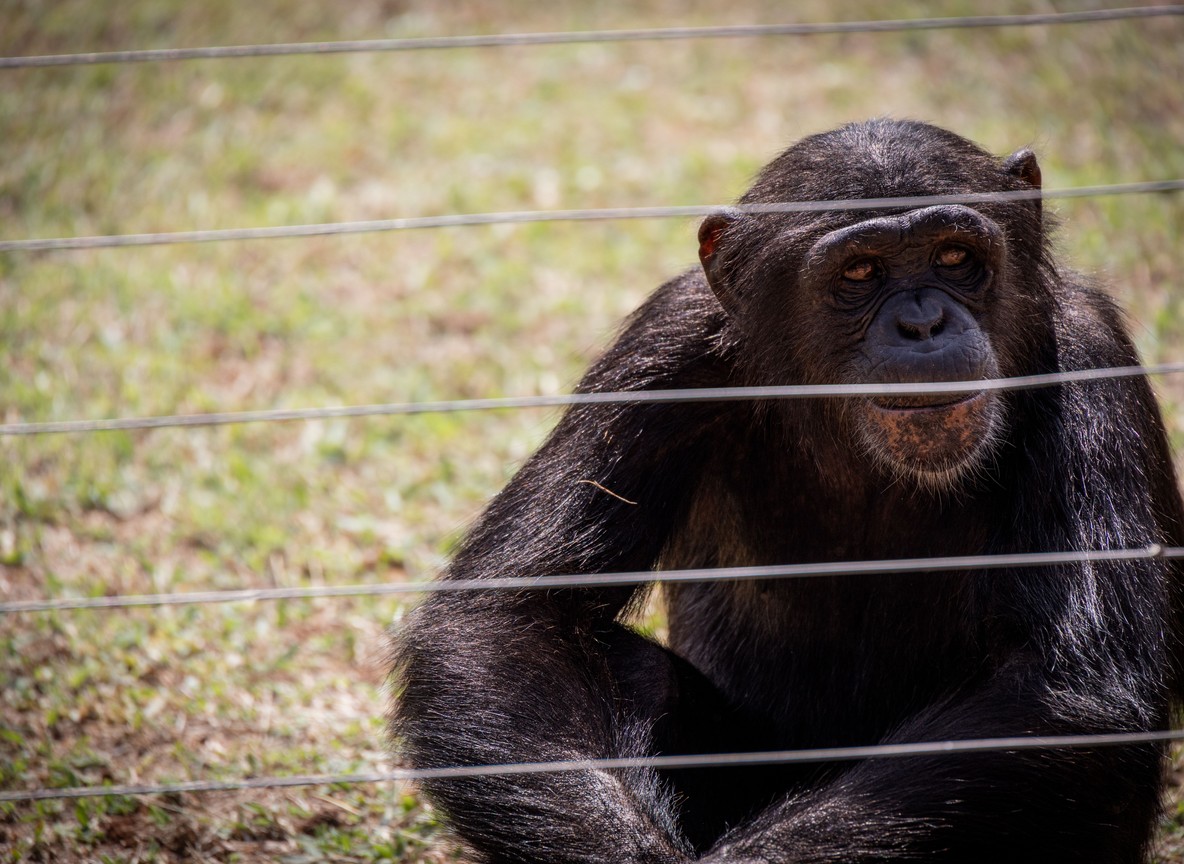
Inside the Jane Goodall Chimpanzee Sanctuary at Sweetwaters
Locally the site is known as the Sweetwaters Chimpanzee Sanctuary, and it remains the only place in Kenya where visitors can meet chimpanzees. Around three dozen apes live across two large riverine enclosures separated by the Ewaso Nyiro river, a natural barrier that works because chimpanzees cannot swim. Dr Goodall’s guidance shaped that low-stress layout, letting rival social groups coexist without heavy fencing between them.
Every resident has a rescue story. Some arrived as infants smuggled from Central and West Africa, others from cramped captivity or entertainment venues. Keepers who have worked here for years know each chimp’s personality, from the gentle groomers to the noisy troop leaders who charge and drum at feeding time. Viewing happens from raised platforms and a fenced boundary path, so the experience stays calm for chimps and visitors alike.
Feeding sessions, held mid-morning and mid-afternoon, are the best time to watch the sanctuary come alive with hooting, sharing and the occasional squabble over fruit.
Gombe Stream vs Sweetwaters: Wild Research Site or Rescue Sanctuary?
Travellers sometimes assume the jane goodall chimpanzee sanctuary kenya site and Gombe Stream National Park are the same kind of place. They are connected by legacy but built for entirely different purposes, and knowing the difference helps you set the right expectations for tours and safaris in either country.
| Detail | Gombe Stream (Tanzania) | Sweetwaters Sanctuary (Kenya) |
|---|---|---|
| Purpose | Wild chimpanzee research site | Rescue and rehabilitation sanctuary |
| Chimps | Wild, free-ranging troops | Rescued, orphaned individuals |
| Park size | ~35 km2 (one of Africa’s smallest parks) | Sanctuary sits within Ol Pejeta’s ~360 km2 |
| Founded | Research began 1960 | Sanctuary opened 1993 |
| Access | Boat from Kigoma on Lake Tanganyika, then a forest hike | Road or air to Nanyuki, then a short drive |
| Sighting style | Tracked, habituated wild groups | Viewing platforms overlooking large enclosures |
| Jane Goodall link | Where her discoveries began | Sanctuary she helped design, run by her Institute |
Neither trip replaces the other. Gombe is where the science was born. Sweetwaters is where the Institute’s rescue mission plays out today, and it is the only chimpanzee experience Kenya offers. Pairing a Kenyan safari with this sanctuary visit is the practical way most travellers connect with Dr Goodall’s legacy without adding an extra country to the itinerary. ✨
Planning Your Visit: Facts, Fees and Named Places
The figures below are indicative and rounded. Conservancy fees shift with season and policy, so treat this as a planning anchor and confirm current rates when you book tours and safaris with Trunktrails Safaris.
| Detail | Figure (indicative) | Notes |
|---|---|---|
| Nairobi to Ol Pejeta (Nanyuki) by road | ~200 km, 3.5-4 hours | Tarmac via Thika and the A2 highway |
| Wilson Airport to Nanyuki airstrip | ~45-50 min flight | Daily scheduled light aircraft |
| Ol Pejeta Conservancy size | ~360 km2 (~90,000 acres) | Laikipia County, near Nanyuki |
| Conservancy entry (non-resident adult) | ~$100-110 per person/day | Funds rhino, chimp and community programmes |
| Sanctuary opening hours | ~9am to 4:30pm daily | Feeding sessions mid-morning and afternoon |
| Jane Goodall Institute Kenya office | Based in Nairobi | Coordinates sanctuary funding and welfare oversight |
| Nearby stay options | Sweetwaters Serena Camp, Ol Pejeta Bush Camp | Both inside the conservancy, minutes from the gate |
Named points of reference around the site include the Rongai and Serat gates into Ol Pejeta, the Morani Information Centre near the rhino memorial, and the Ewaso Nyiro river that splits the two chimp enclosures. Basing yourself inside the conservancy at a camp like Sweetwaters Serena keeps the sanctuary a short morning drive away instead of a long detour from Nanyuki town.
Meeting a Chimpanzee Family: What a Visit Feels Like
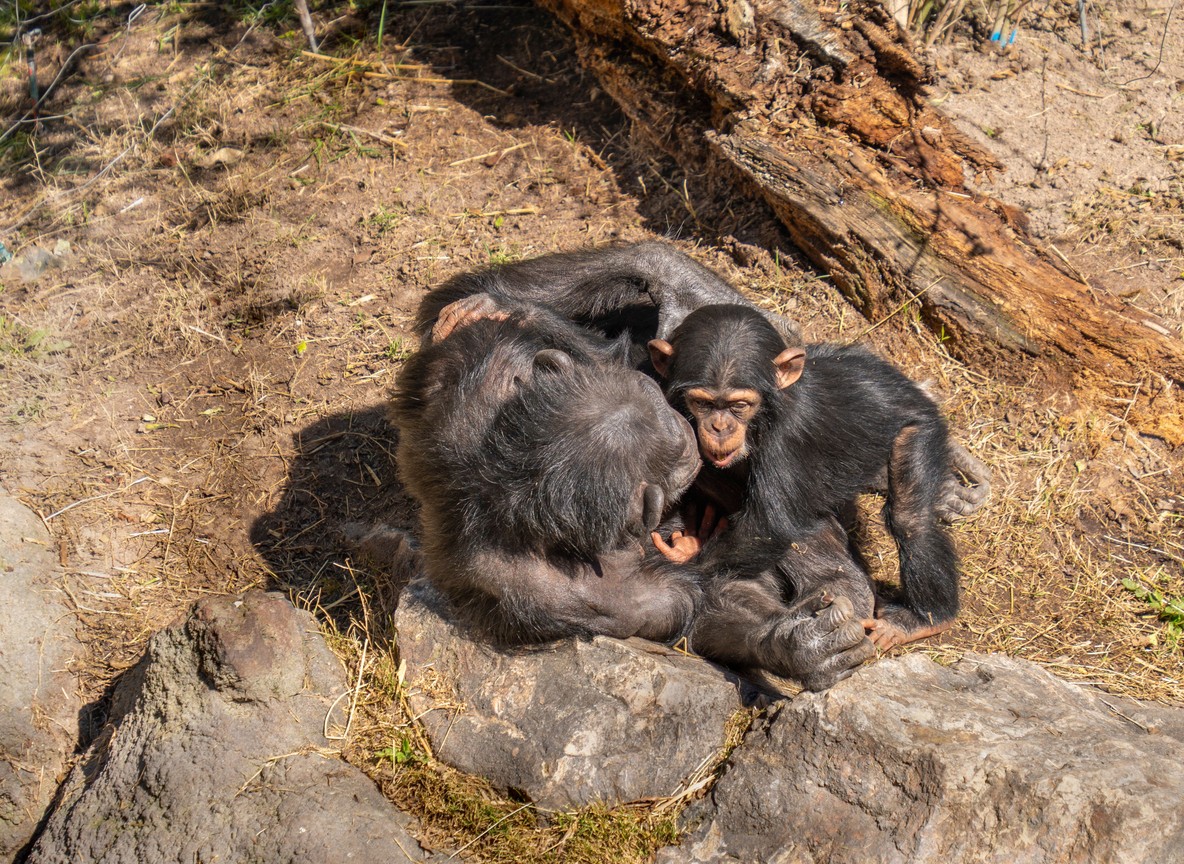
Numbers and gates only tell half the story. What lingers after a visit is quieter than that: a mother chimp cradling her infant against her chest, an older male pausing his food gathering to study the humans studying him, a burst of pant-hoots rolling across the enclosure like a wave. Guides trained in the sanctuary’s history will point out individuals by name and explain how each one came to be here, turning a wildlife sighting into something closer to meeting a family with a hard history and a gentler present.
For travellers drawn to conservation science, watching these behaviours in person makes Dr Goodall’s original Gombe findings, tool use, empathy, grief, feel immediate rather than academic. It is an hour that tends to stay with people long after the rest of a Kenya trip has faded.
Best Time to Visit the Sanctuary and Ol Pejeta
The sanctuary operates year round and the chimps stay visible in every season, so timing mostly depends on the wider conservancy experience and road conditions on the drive north from Nairobi.
| Season | Months | What to Expect |
|---|---|---|
| Long rains / green | April-June | Lush plains, quieter camps, softer light for photography |
| Dry / cool | July-October | Clear skies, peak big-game viewing, busier roads |
| Short rains | November-December | Brief afternoon showers, newborn wildlife, few other visitors |
| Dry / hot | January-March | Warm, bright days and excellent rhino and predator sightings |
Laikipia sits at altitude, so mornings and night drives turn cold whatever month you travel. Pack a warm layer even in the dry season. 🌅
The Trunktrails Advantage: Carrying Jane Goodall’s Story Forward
Trunktrails Safaris is a native Kenyan-owned operator, and we treat a visit to the jane goodall chimpanzee sanctuary kenya site as more than a stop on a checklist. Our guides brief you on Dr Goodall’s Gombe research before you arrive, so the enclosure visit lands with real context instead of feeling like a zoo stop.
We time your visit around a feeding session, explain the rescue history of each social group and connect what you see to the ongoing work of the Jane Goodall Institute. Because we book you into conservancy camps such as Sweetwaters Serena rather than a rushed day trip from town, your fee flows directly back into the protection programmes that keep this landscape and its animals safe.
Our tours and safaris pair the sanctuary with a full Ol Pejeta game drive, the conservancy’s rhino sanctuary and a proper night’s rest inside the reserve, so the story of rescue and recovery has room to breathe. That is how Trunktrails Safaris turns one remarkable hour into a full day worth remembering.
Your Move: Meet the Chimpanzees Jane Goodall’s Legacy Protects
Somewhere in the riverine woodland at Ol Pejeta, a rescued chimp who once knew a cage is resting in dappled shade, safe because one scientist refused to look away from what she saw in a Tanzanian forest sixty years ago. Visiting the jane goodall chimpanzee sanctuary kenya site is a chance to sit with that legacy in person, close enough to watch a mother groom her infant in the morning sun.
Let Trunktrails Safaris build the journey around it, from the drive north past Mount Kenya to a front-row seat at feeding time. Tell us your travel dates and your dream, and we will design tours and safaris that put Dr Goodall’s story, and Kenya’s only chimpanzees, right in front of you.
Further reading
- African Wildlife Foundation
- Magical Kenya (Kenya Tourism Board)
- Maasai Mara Wildlife Conservancies Association
More safari planning resources
- Ol Pejeta and Sweetwaters safari package from Valley Safaris
- Best time to visit Kenya on Touring Insights
- Big Five safari collection on FindMySafari
- Best time to visit Kenya month-by-month map from Valley Safaris
- WhatsApp: +254 113 208888
- Email: info@trunktrailssafaris.com
- Web: trunktrailssafaris.com
Message Trunktrails Safaris today and start planning a Laikipia journey built around real conservation. 🦁