
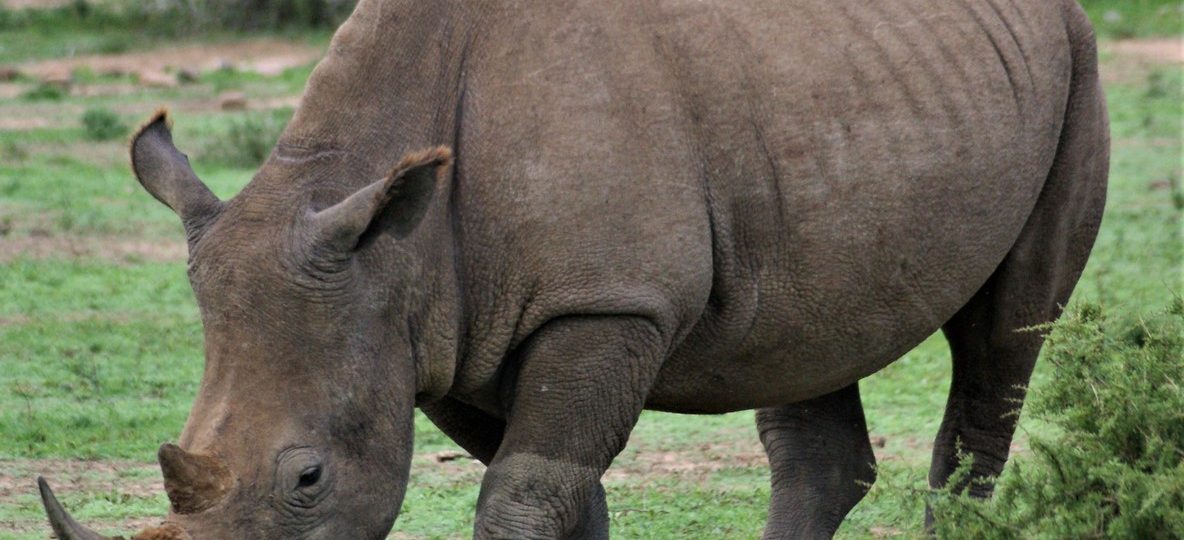
Meet Kenya’s Elite Inter-Agency Anti-Poaching Unit 🦏
Kenya’s elite inter-agency anti-poaching unit is not one uniform or one office. It is a working alliance between Kenya Wildlife Service rangers, paramilitary police, military support teams, and private conservancy rangers who share intelligence, aircraft, and dog units across borders that used to slow enforcement down. This joint model is why northern white rhino guards at Ol Pejeta Conservancy can call in a helicopter crewed by a different agency within minutes, and why a poaching tip picked up near Isiolo can reach a patrol team in Laikipia before nightfall.
For travelers planning tours and safaris to Kenya’s rhino and elephant strongholds, this matters more than it looks on the surface. The ranger who checks your vehicle at a conservancy gate is one node in a security network built after Kenya’s poaching crisis of the early 2010s, when isolated patrols simply could not keep pace with organized trafficking gangs. At Trunktrails Safaris, we brief every guest on this system because understanding it changes how you see a safari. Here is how the unit actually works, who is in it, and what it means for the wildlife you will photograph on your own trip with Trunktrails Safaris.
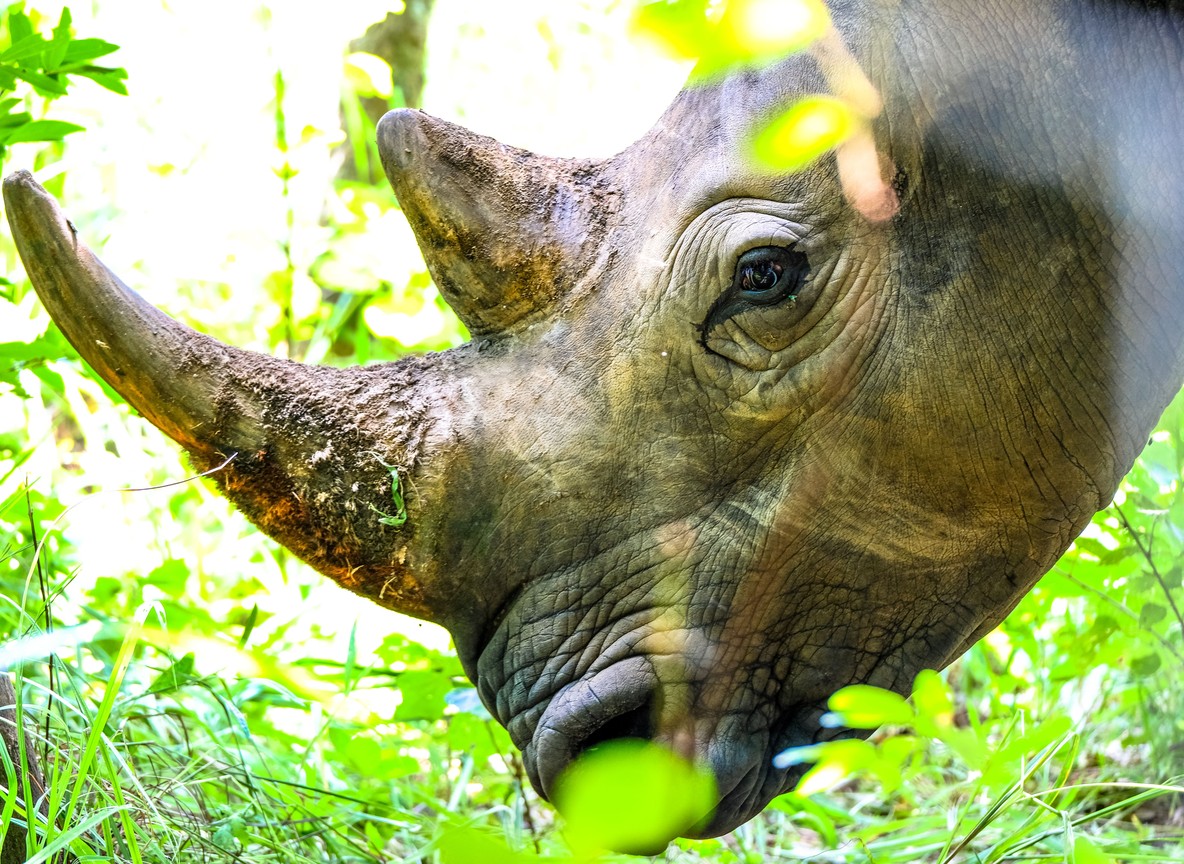
What Makes an Anti-Poaching Unit “Inter-Agency”?
A single-agency patrol answers to one chain of command and covers one patch of ground. An inter-agency unit does something different. It links several separate organizations, each with its own legal powers and equipment, into one shared response system.
In Kenya, that means Kenya Wildlife Service (KWS) rangers, who hold the primary legal mandate to arrest and prosecute wildlife crime, working alongside the General Service Unit (GSU), the paramilitary wing of the National Police Service, in known trafficking corridors. The Directorate of Criminal Investigations (DCI) builds the financial and network case once suspects are arrested, since most poaching in Kenya today is organized rather than opportunistic. Kenya Defence Forces (KDF) have supported major operations with aerial surveillance and airlift capacity during large anti-poaching pushes, particularly across the vast Tsavo ecosystem. Kenya Revenue Authority officers screen cargo for ivory and trophies at the port of Mombasa, closing the export route that trafficking networks depend on.
Private and community conservancies add a fifth layer. Ol Pejeta Conservancy, Lewa Wildlife Conservancy and others fund and train their own ranger forces, then plug directly into the same radio networks and intelligence-sharing agreements as KWS. That is the inter-agency model in one sentence: different uniforms, one shared map.
The Agencies Behind the Task Force, By the Numbers
| Agency or Partner | Role in the Unit | Primary Coverage Area |
|---|---|---|
| Kenya Wildlife Service (KWS) | Arrest powers, prosecution referral, national coordination | All gazetted parks and reserves |
| General Service Unit (GSU) | Paramilitary backup in high-risk trafficking corridors | Northern Kenya, Laikipia border zones |
| Kenya Defence Forces (KDF) | Aerial surveillance, airlift support in major operations | Tsavo East and Tsavo West (approx. 21,000 km² combined) |
| Directorate of Criminal Investigations (DCI) | Network and financial investigation of trafficking cases | National, court-facing |
| Ol Pejeta Conservancy rangers | Ground patrol, K9 tracking, rapid response | Ol Pejeta, 364 km² (90,000 acres), Laikipia |
| Lewa Wildlife Conservancy rangers | Ground patrol, aerial spotting, community liaison | Lewa, approx. 250 km² (62,000 acres), Meru border |
Figures for conservancy size and coverage are approximate, drawn from conservancy and KWS public reporting, and can shift slightly as boundary agreements are updated.
Inside Ol Pejeta’s Anti-Poaching Unit: A Case Study
Ol Pejeta Conservancy sits roughly 200 km north of Nairobi, a drive of about 3.5 to 4 hours through Nyeri and Nanyuki, or a short flight of around 45 minutes from Nairobi Wilson Airport into Nanyuki Airstrip. It is worth the distance for wildlife alone. Ol Pejeta is the largest black rhino sanctuary in East Africa and home to the last two northern white rhinos left on the planet, both watched around the clock.
That level of protection needs more than rifles. Ol Pejeta fields more than 150 rangers, a dedicated canine unit trained to track poachers through thick bush, and a rapid response team that can be airborne within minutes of an alarm. Crucially, none of that operates in isolation. Ol Pejeta’s control room shares intelligence directly with KWS and, when a threat crosses into GSU or KDF territory, with those units too. The conservancy’s rangers have also trained alongside British Army instructors based in Kenya, one more spoke in the same wheel.
The entry fee for Ol Pejeta runs in an indicative range of USD 85 to 100 per non-resident adult per day, which goes directly toward funding this ranger force. Guests on Trunktrails Safaris itineraries through Laikipia see that funding at work every time a patrol vehicle passes on a game drive.
Single-Agency Patrols vs. the Inter-Agency Task Force
| Factor | Single-Agency Patrol | Kenya’s Inter-Agency Task Force |
|---|---|---|
| Command structure | One chain of command, one budget | Shared command, pooled budgets across KWS, GSU, conservancies |
| Typical response time to an alarm | Depends on nearest patrol vehicle, can be hours | Minutes to under an hour with air support on standby |
| Intelligence sharing | Limited to the agency’s own network | Shared radio networks and tip lines across agencies |
| Jurisdiction reach | Stops at the boundary of the patrol’s own land | Crosses conservancy, county and park boundaries |
| Prosecution follow-through | Case often ends at arrest | DCI and KWS legal teams carry the case to court |
The difference shows up in results. According to KWS public reporting, elephant poaching in Kenya has fallen more than 85 percent from its peak around 2013, and Kenya has recorded entire years with zero rhinos lost to poachers since the inter-agency model matured. That is not one agency’s win. It is what happens when five organizations stop competing for jurisdiction and start sharing a radio channel.
Technology, Training and the Rapid Response Model
The unit’s tools have modernized fast. Canine teams, trained to track scent for kilometers through thorn scrub, now work alongside light aircraft and, at several conservancies, drones for night surveillance. Community scout programs feed early warnings from herders and villagers back into the same network, often catching a poaching attempt before it starts rather than after.
Training is shared too. Rangers from KWS, GSU and conservancy forces increasingly attend joint courses, some run with international partners including British Army instructors, so that a ranger from Lewa and a ranger from Ol Pejeta use the same radio codes and the same rules of engagement. That consistency is what lets the inter-agency model function as one unit instead of five separate ones.
What This Means for Your Safari
Travelers on tours and safaris through Laikipia, Tsavo, Amboseli or the Mara will meet this system directly, usually without realizing it. The armed ranger checking your vehicle at Rongai Gate, the spotter plane crossing overhead near the Galana River in Tsavo East, and the K9 handler exercising a bloodhound near camp are all part of the same coordinated unit. Guides on Trunktrails Safaris routes are trained to explain this presence so it reads as reassurance, not alarm. It is the reason herds in these landscapes keep growing instead of shrinking, and the reason your photographs of rhino and elephant will still be possible for the next traveler after you.
The Trunktrails Advantage
Trunktrails Safaris is a Kenyan-owned operator, and that matters here more than in most travel categories. Our guides live in these landscapes, know the rangers by name at conservancies like Ol Pejeta and Lewa, and build itineraries that route guests past working conservation infrastructure rather than around it. Every one of our tours and safaris channels part of its cost toward the conservancies and community programs that fund this ranger network, so your trip is quietly part of the same system protecting the wildlife you came to see. We brief every guest before departure on what the security presence means and why it is there, so nothing about it feels unfamiliar once you are on the ground with Trunktrails Safaris.
Ready to See This Protection Firsthand?
Further reading
More safari planning resources
- Ol Pejeta and Sweetwaters safari package from Valley Safaris
- Tsavo complete guide on Touring Insights
- Big Five safari collection on FindMySafari
- Map of Tsavo from Valley Safaris
If you want a safari built around Kenya’s conservation frontline, not just its scenery, Trunktrails Safaris can put Ol Pejeta, Lewa and the Laikipia plateau on your itinerary alongside the classic parks. Message us on WhatsApp at +254 113 208888 or email info@trunktrailssafaris.com to start planning your dates, and our team will map out a route that puts you close to the rangers, the rhinos and the real story of how Kenya protects them. 🌍