
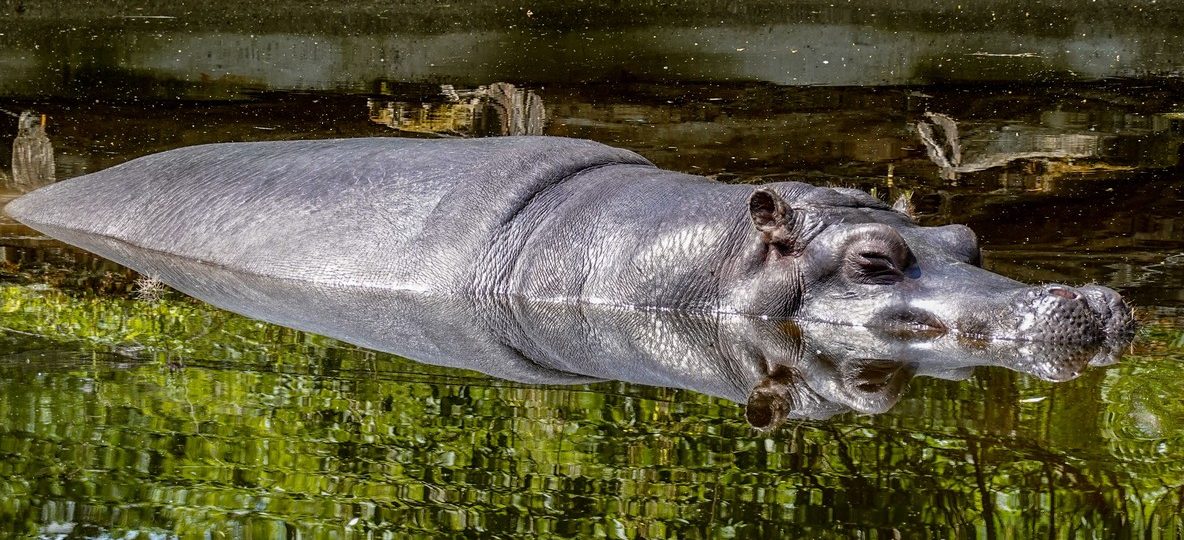
Hippo-Human Conflict in Kenya: Inside a KWS Rescue Mission 🦛
Hippo human wildlife conflict kenya cases follow a familiar pattern. A pod loses easy access to deep water, a farmer’s maize field sits close to the shoreline, and a night of grazing turns into a confrontation nobody wanted. When that happens, Kenya Wildlife Service rangers are the ones who get the call, often before sunrise, to dart, calm, or relocate an animal that outweighs a small car and can move faster than most people expect. This is what a rescue mission actually looks like on the ground, and it explains why hippos, not lions or elephants, are the animal Kenya Wildlife Service handles most often in conflict reports.
For travelers planning tours and safaris in Kenya, this story matters for two reasons. It shows how seriously Kenya Wildlife Service treats the safety of both communities and wildlife, and it explains why guides brief every guest carefully before a boat trip or a walk near water. Trunktrails Safaris builds that briefing into every hippo-adjacent itinerary we run, because understanding the animal is the difference between a great sighting and a dangerous mistake.
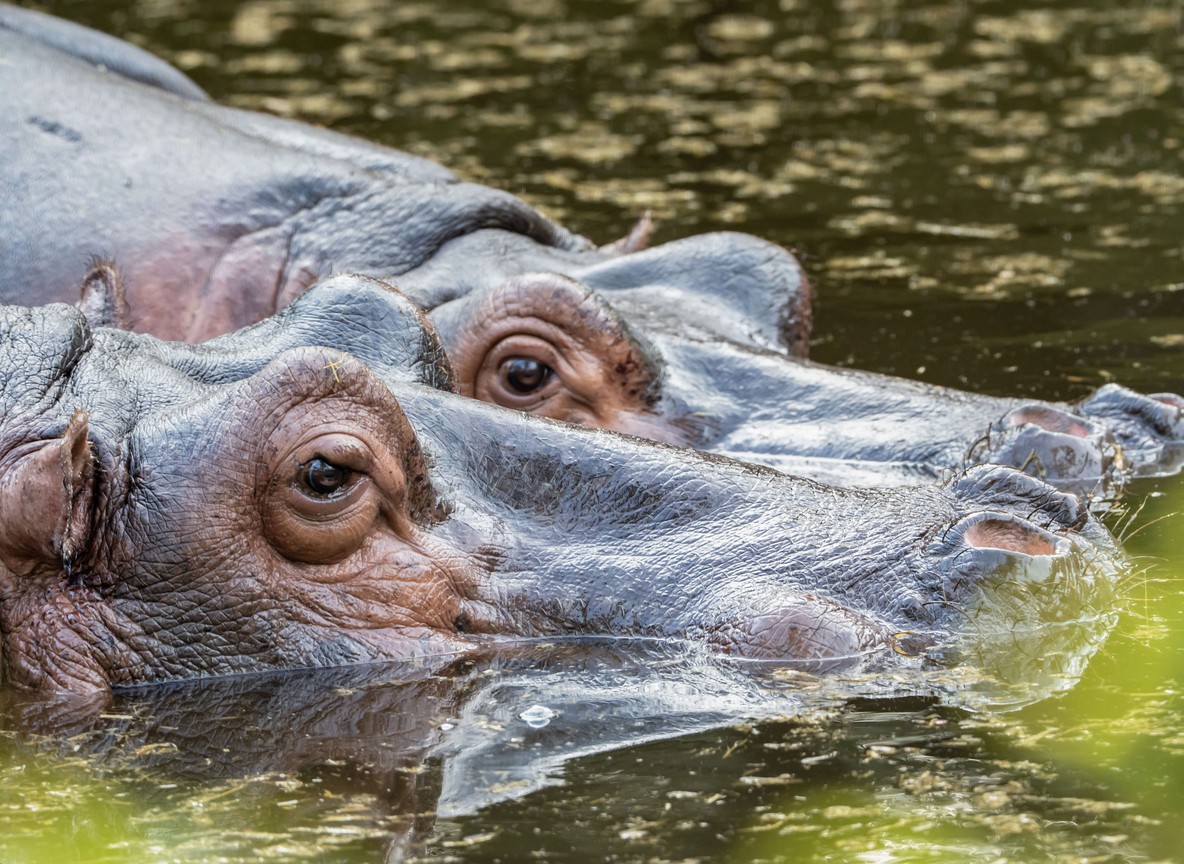
Why Hippos Cause the Most Conflict Reports in Kenya
Hippos are grazers, not predators, but they are fiercely territorial in water and surprisingly aggressive on land after dark. An adult hippo can weigh over 1,500 kg and run short bursts faster than a human sprinter, which makes a chance encounter on a footpath far more dangerous than most tourists assume. Across Africa, hippos are widely cited by wildlife researchers and safety agencies as responsible for more human deaths than any other large mammal on the continent, more than lions, elephants, or buffalo combined in most annual estimates.
In Kenya specifically, the conflict pattern concentrates around a short list of water bodies: Lake Naivasha, Lake Victoria’s Kenyan shoreline, the Tana River basin, Lake Baringo, and the Mara River inside Masai Mara National Reserve. Each of these areas combines dense hippo populations with farming or fishing communities working the same shoreline, which is exactly the overlap that produces conflict.
Inside a KWS Hippo Rescue and Conflict Response
When Kenya Wildlife Service receives a hippo conflict report, whether it is crop damage, a livestock injury, or a direct threat to a homestead, the response follows a structured protocol built over decades of problem-animal management.
- Community report and verification. A local chief, farmer, or Kenya Wildlife Service community scout reports the incident, and a ranger team verifies the location and the animal’s behavior pattern before any action is taken.
- Non-lethal deterrence first. Rangers typically try fencing reinforcement, noise deterrents, or guided hazing to push the hippo back toward water before considering capture.
- Veterinary darting and crating. If the animal keeps returning, a Kenya Wildlife Service veterinary unit sedates it from a safe distance, then moves it into a reinforced transport crate under close monitoring.
- Relocation to a stable water system. The hippo is released into a receiving lake or river with reliable depth and lower human density, then tracked for weeks to confirm it settles without repeat conflict.
This is the same protocol Kenya Wildlife Service used earlier this month at Lake Ol Bolossat in Nyandarua County, where drought-driven water loss pushed hippos onto surrounding farmland and triggered a multi-week relocation exercise. Rescue missions like it are physically demanding and slow by design, since a stressed 1,500 kg animal in a crate is dangerous to itself, its handlers, and anyone nearby if the process is rushed.
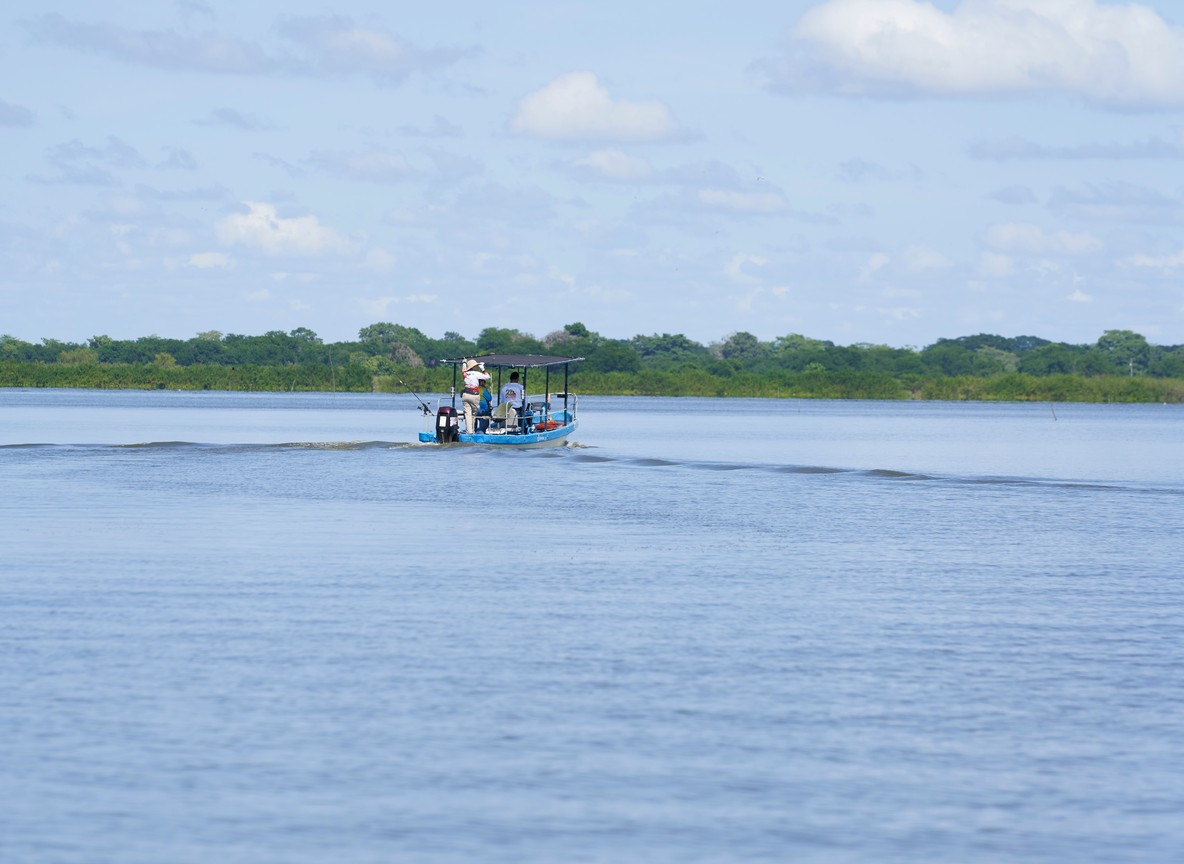
Kenya’s Legal Framework for Human-Wildlife Conflict
Kenya’s Wildlife Conservation and Management Act of 2013 created a formal compensation scheme for communities affected by wildlife conflict, funded through the Wildlife Endowment Fund. Under current regulations, confirmed human deaths caused by wildlife, including hippos, qualify affected families for a compensation payment of KES 5,000,000, alongside smaller scheduled payments for injury and confirmed crop or livestock loss. Claims are filed through the local Kenya Wildlife Service office and County Wildlife Conservation and Compensation Committees, which verify each incident before payment is processed.
This legal structure matters because it reframes hippo conflict as a shared cost between conservation and community welfare, rather than a problem communities are left to absorb alone. It is also part of why Kenya Wildlife Service invests in prevention, fencing support, and rescue operations. Fewer incidents mean fewer claims, less community resentment toward wildlife, and a stronger case for conservation-linked tours and safaris continuing to fund the system.
Where Hippo-Human Conflict Concentrates in Kenya
| Location | Distance From Nairobi | Typical Hippo Population Context | Conflict Pattern |
|---|---|---|---|
| Lake Naivasha | 90 km, 1.5 hr drive | One of Kenya’s densest hippo populations, several hundred resident animals | Crop raiding on flower-farm and smallholder land bordering the lake |
| Mara River (Masai Mara National Reserve) | 270 km, 5-6 hr drive or 45 min flight to Keekorok Airstrip | Large pods concentrated at river crossing points | Mostly contained inside the reserve, low community overlap |
| Lake Baringo | 300 km, 5-6 hr drive | Established pods along a shrinking lake margin | Fishing-boat encounters and nighttime grazing near villages |
| Tana River basin | 350-450 km depending on point, 6-8 hr drive | Scattered pods along the river’s lower and middle reaches | Livestock and farmland conflict during low-flow seasons |
| Lake Ol Bolossat | 180 km, 3.5 hr drive via Nyahururu | Reduced population during active 2026 relocation | Drought-driven crop raiding, subject of the July 2026 KWS rescue |
Prices, distances, and drive times above are indicative and can shift with road conditions and season, so confirm current details before booking any add-on. Lake Naivasha remains the most accessible hippo-viewing stop for travelers based in Nairobi, while the Mara River offers the largest concentrations most safari guests will ever see in one place.
Hippo Safety Rules Every Safari Traveler Should Know
Hippo human wildlife conflict kenya cases involving tourists are rare but preventable, and most come down to a handful of avoidable mistakes.
- Never walk between a hippo and open water, since that is the animal’s escape route and it will charge through anything in the way.
- Keep a minimum distance of 30 meters from any hippo on land, even one that looks settled or asleep.
- Stay in the boat during lake and river cruises, and follow the guide’s lead on approach distance and angle.
- Avoid walking near shorelines after dark, when hippos leave the water to graze and are most likely to be encountered on footpaths.
- Trust your guide’s read of pod behavior. Ears back, wide mouth yawning, and sudden grunting are warning signs experienced guides watch for constantly.
The Trunktrails Advantage
Trunktrails Safaris is a Kenyan-owned operator, and every hippo-adjacent itinerary we run is built around the same safety and conservation knowledge Kenya Wildlife Service teams use in the field.
| What We Provide | What It Means for You |
|---|---|
| Kenyan-owned guiding team with local water-body knowledge | Guides who know current hippo density and conflict hotspots before you arrive |
| Pre-trip hippo safety briefing on every water-based itinerary | You know the distance rules and warning signs before you ever board a boat |
| Boat safaris at Lake Naivasha and river-side game drives at Masai Mara | Reliable hippo sightings from a safe, guide-controlled distance |
| Transparent conservation fee guidance | You understand how park and conservancy fees support Kenya Wildlife Service operations |
| Small-group departures | Less pressure on wildlife and a calmer, safer sighting for you |
Every trip booked through Trunktrails Safaris helps fund the rangers and veterinary teams who carry out rescues like the one at Lake Ol Bolossat this month. Our guides do not just find the hippos, they explain the conflict, the conservation, and the caution that keeps both people and animals safe. ✨
Plan a Hippo Safari That Respects the Conflict Behind It
Kenya’s hippos are magnificent, dangerous, and increasingly caught between shrinking water systems and growing farmland. Seeing them well means understanding the conflict Kenya Wildlife Service works to manage every week, not just booking a boat ride and hoping for a good photo.
Further reading
More safari planning resources
- Nairobi to Maasai Mara route guide from Valley Safaris
- Is Kenya safe to visit? on Touring Insights
- Compare Kenya safari packages on FindMySafari
- Rift Valley lakes map from Valley Safaris
Message Trunktrails Safaris on WhatsApp at +254 113 208888, email info@trunktrailssafaris.com, or visit trunktrailssafaris.com to plan tours and safaris that put you close to Kenya’s hippos safely, with guides who understand exactly what it takes to keep both people and wildlife out of conflict. 📸