
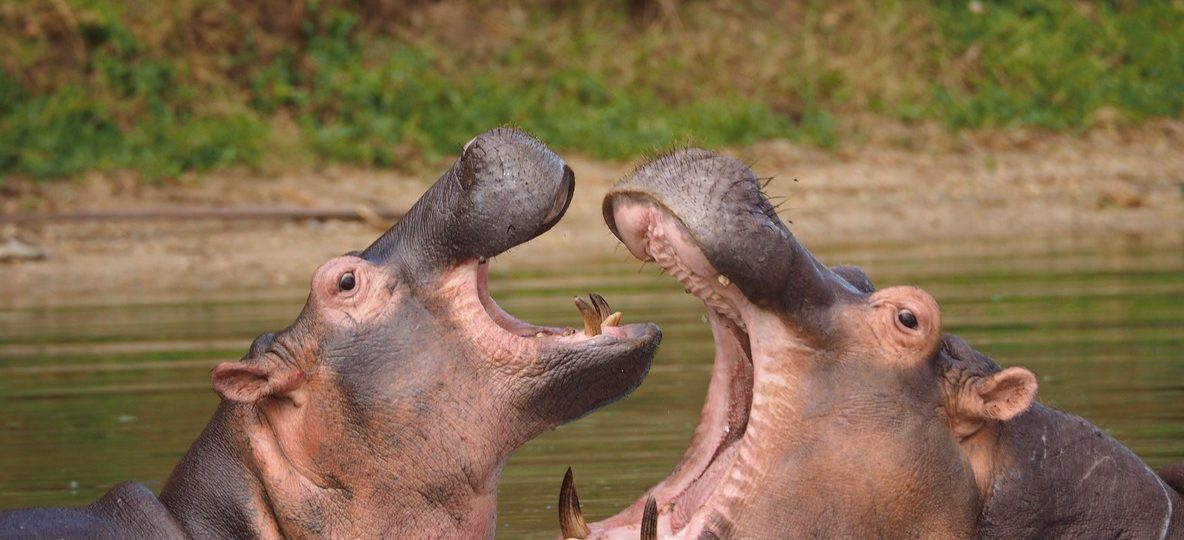
Do Hippos Live in Kenya? Where to Find Them
Yes, hippos live in Kenya, and in far larger numbers than most first-time visitors expect. The common hippopotamus (Hippopotamus amphibius) is resident in almost every major river and freshwater lake in the country. You can find pods from the Mara River in the southwest to the Tana River near the coast. If you are planning tours and safaris around Kenya’s wildlife, hippos are not a rare add-on. They are one of the most reliably spotted large mammals in the country. 🦛
This guide breaks down exactly where hippos live in Kenya. You will find roughly how many there are, what it costs to see them, and how to stay safe around an animal that kills more people in Africa each year than lions do. Trunktrails Safaris builds hippo-viewing stops into itineraries across all of these ecosystems. The ground-level detail below is the same route planning our guides use with clients.
How Many Hippos Live in Kenya?
Hippos are hard to count precisely. They spend most daylight hours submerged, surfacing only to breathe every few minutes. Researchers still have solid regional counts to work from. A 2006 ecological survey published in the journal Oryx counted more than 4,170 hippos in 171 distinct groups along the Mara River and its tributaries alone. That makes the Mara ecosystem the single densest hippo population in the country. Lake Naivasha’s numbers are harder to pin down. A 1990s census put the figure near 1,250. More recent Kenya Wildlife Service estimates run closer to 700, though local tourism operators cite numbers above 1,000. Add in Lake Victoria, the Tana River, and Lake Baringo. Kenya’s national hippo population runs into several thousand animals.
Where to See Hippos in Kenya at a Glance
These are the named locations Trunktrails Safaris uses most often for hippo sightings. Real distances and current indicative fees are listed below so you can compare before you book.
| Location | Named Feature | Distance from Nairobi | Indicative Entry Fee (non-resident) |
|---|---|---|---|
| Masai Mara National Reserve | Mara River hippo pools, Oloolaimutia Gate | 270-290 km / 5-6 hrs road, 45 min flight | USD 70/day (Mara Triangle) to USD 100-200/day (main reserve, seasonal) |
| Lake Naivasha | Hippo Point, Crescent Island Game Sanctuary | 90 km / 1.5-2 hrs road | USD 8-12 shared boat ride, plus USD 30 Crescent Island entry |
| Tsavo West National Park | Mzima Springs underwater viewing chamber | 270 km / 4.5-5 hrs road | USD 80/day adult, USD 40/day child |
| Lake Victoria (Kisumu) | Dunga Beach hippo boat trips | 350 km / 6-7 hrs road, 1 hr flight | USD 10-15 shared boat ride |
| Lake Baringo | Boat launch near Lake Baringo Club | 285 km / 5-6 hrs road | USD 15-20 boat ride |
| Tana River | River stretches near Garsen and the Tana Delta | 460 km+ / 7-8 hrs road | No standalone fee, community conservancy access varies |
Fees shift with season and park management updates. Treat these as planning ranges rather than fixed rates. Trunktrails Safaris confirms current gate and boat fees before every booking so there are no surprises on arrival.
The Mara River: Kenya’s Densest Hippo Country
The Mara River cuts through the Masai Mara National Reserve and the Mara Triangle. It holds Kenya’s largest concentrated hippo population. Pods gather in slow, deep pools along the riverbank. Groups regularly exceed 20 to 30 animals, resting shoulder to shoulder through the heat of the day.
The same river is famous for the wildebeest migration crossings between July and October. Hippos share these crossing points year-round. Guides based near the Mara River hippo pools, close to Oloolaimutia Gate on the reserve’s eastern boundary, know these spots well. They can usually park within a short, safe distance of a pod without disturbing it. The Mara Triangle is managed separately from the main reserve. It charges a flat USD 70 per adult per day and only accepts cashless payment through M-Pesa or card.
Lake Naivasha and Hippo Point: The Nairobi Day Trip
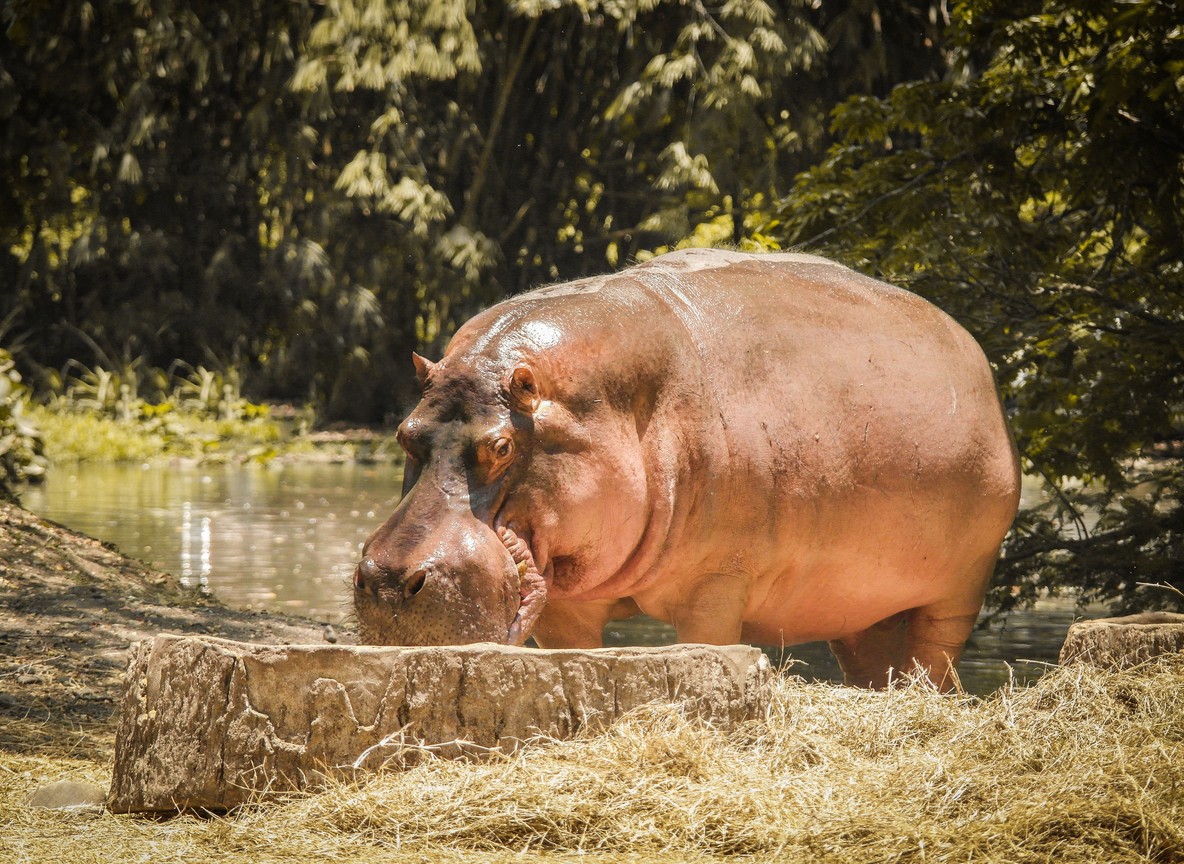
Lake Naivasha sits about 90 kilometers from Nairobi along the Nairobi-Nakuru Highway. The drive takes 1.5 to 2 hours, making it the most accessible hippo destination from the capital. The lake’s Hippo Point is a genuine place name, not a marketing label. It is where most boat operators launch for a close, respectful view of resting pods.
A shared boat ride runs roughly USD 8 to 12 per person for about an hour on the water. Many visitors combine the boat ride with a stop at Crescent Island Game Sanctuary. This horseshoe-shaped peninsula lets you walk among giraffes and zebras on foot, since the island has no predators. Crescent Island charges its own entry fee of about USD 30 for non-residents, separate from the boat transfer cost.
Mzima Springs, Tsavo West: Underwater Hippo Viewing
Mzima Springs sits inside Tsavo West National Park. It is about 270 kilometers away, a 4.5 to 5 hour drive from Nairobi along the Nairobi-Mombasa Highway. The springs are fed by underground water filtered through volcanic rock from the Chyulu Hills. The result is unusually clear water for a Kenyan hippo habitat.
What makes Mzima Springs different is a submerged glass viewing chamber built into the bank. You can watch hippos and crocodiles moving underwater, rather than only seeing eyes and nostrils at the surface. It is one of the only places in Kenya for this kind of sighting. Entry is covered by the standard Tsavo West park fee, USD 80 per non-resident adult per day. There is no separate charge for the springs themselves.
Lake Victoria, Lake Baringo, and the Tana River: More Hippo Habitat
Beyond the Mara, Naivasha, and Tsavo circuit, hippos live across several other Kenyan waterways that rarely make a first-time itinerary.
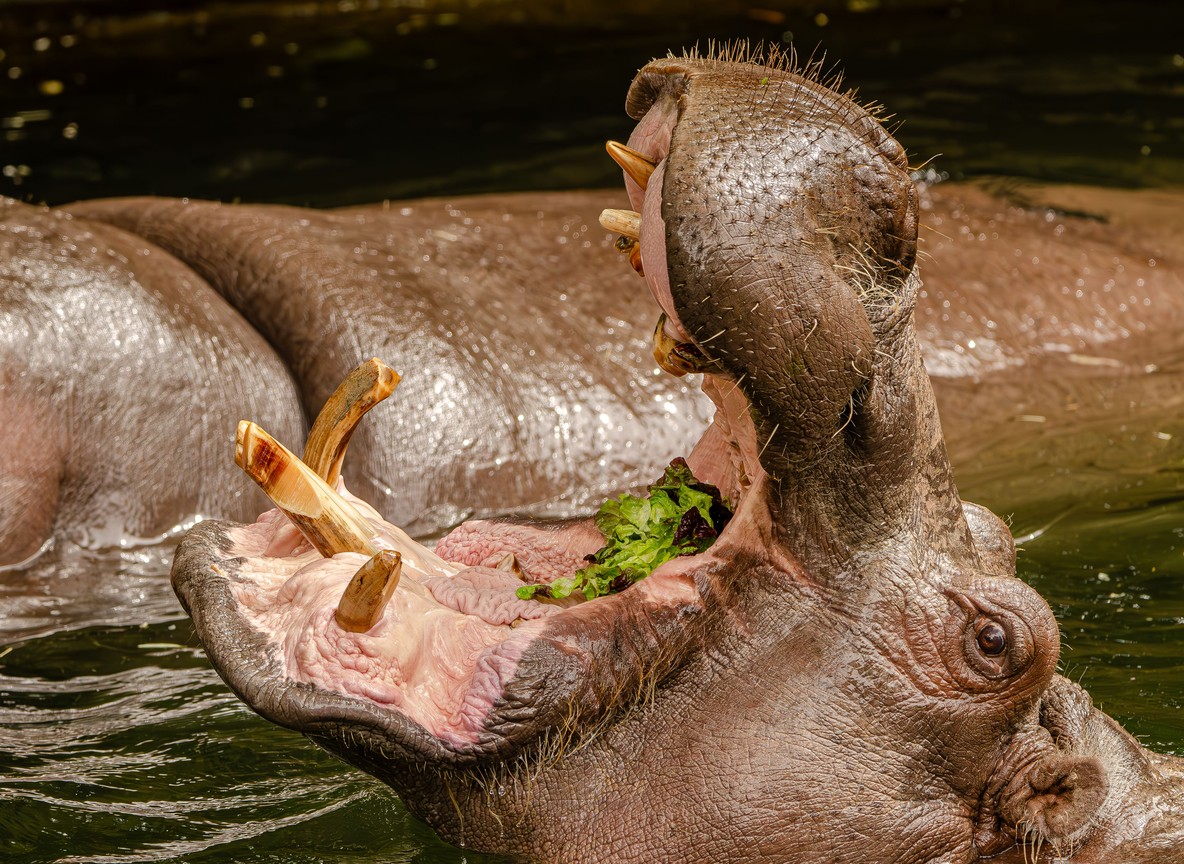
Lake Victoria, Africa’s largest lake by surface area, has resident hippo pods near Kisumu. Dunga Beach is the most common launch point for a short boat trip among fishing canoes and papyrus reeds.
Lake Baringo is a freshwater Rift Valley lake north of Nakuru. It holds a steady hippo population alongside more than 470 recorded bird species. Boat trips from the lake’s main launch points run USD 15 to 20 per person.
The Tana River is Kenya’s longest river at roughly 1,000 kilometers. It supports hippos along its middle and lower stretches, particularly near Garsen and the Tana Delta. The distance from Nairobi, well over 460 kilometers, puts this route firmly in specialist or conservation-focused itinerary territory rather than a standard add-on.
Hippo Safety: What to Know Before You Go
Hippos are herbivores, but they are also territorial and fast on land over short distances. They cause more human deaths in Africa each year than any other large mammal, lions included. A few rules matter more here than with most wildlife sightings.
- Never position yourself between a hippo and open water. Hippos default to running back to the lake or river when startled. They will not swerve around a person in the way.
- Keep boats and vehicles at a real distance from a pod, especially calves. A submerged hippo can surface directly beneath a small boat with little warning.
- Do not walk along riverbanks or lake edges at dusk or after dark in areas known for hippo activity. Hippos leave the water at night to graze and can be encountered well away from the shoreline.
- Follow your guide’s positioning, not your own instinct for a closer photo. Guides read a pod’s body language, including yawning displays and ear flicking. These are warning signs a photographer might miss.
Best Time to See Hippos in Kenya
Hippos are resident year-round, so there is no closed season for sightings. A few conditions still improve the experience. The dry months, June through October and January through February, drop water levels in rivers like the Mara and Tana. Pods concentrate into fewer, more visible pools. Early morning boat rides on Lake Naivasha and Lake Baringo tend to be calmer, too. Water conditions are better, and hippos have not yet submerged fully against the midday heat.
The Trunktrails Advantage
Trunktrails Safaris is a Kenyan-owned tours and safaris operator. Our guides do not treat a hippo sighting as a box to check off between bigger game drives. We route clients to the Mara River pools, Hippo Point on Lake Naivasha, and the Mzima Springs viewing chamber based on current water levels and pod activity. It is never a fixed brochure stop.
Our tours and safaris packages pair a hippo-focused day with the rest of an ecosystem’s highlights. A Naivasha boat ride sits alongside a Crescent Island walk. A Tsavo stop with Mzima Springs connects directly into a coastal extension toward Diani. Trunktrails Safaris also briefs every guest on hippo safety before any boat or riverside stop. A good sighting and a safe one are the same standard for us.
As a Kenyan-owned operator, Trunktrails Safaris prices its tours and safaris directly. We confirm park and boat fees before you travel, so the numbers in your itinerary match what you actually pay at the gate. 📸
Ready to See Kenya’s Hippos
Whether it is the Mara River’s dense pods, a Hippo Point boat ride an hour from Nairobi, or the underwater chamber at Mzima Springs, Trunktrails Safaris can map the route. We build real hippo sightings into a trip around everything else you want to see.
Reach out to our tours and safaris team today. Tell us how many days you have and which waterway is pulling you in. We will build the route, confirm the fees, and brief you on hippo safety before you ever step near the water.
Further reading
More safari planning resources
- Rift Valley lakes map from Valley Safaris
- Tsavo complete guide on Touring Insights
- Tsavo destination guide on FindMySafari
- Map of Tsavo from Valley Safaris
WhatsApp: +254 113 208888 Email: info@trunktrailssafaris.com Website: https://trunktrailssafaris.com
Hippo pods shift position with water levels. The guides who know where they are resting this week are already booking August dates. Lock in your Trunktrails Safaris itinerary now. 🌍