Inside Kenya’s Anti-Poaching Units: Who Protects the Wildlife You See on Safari 🐘
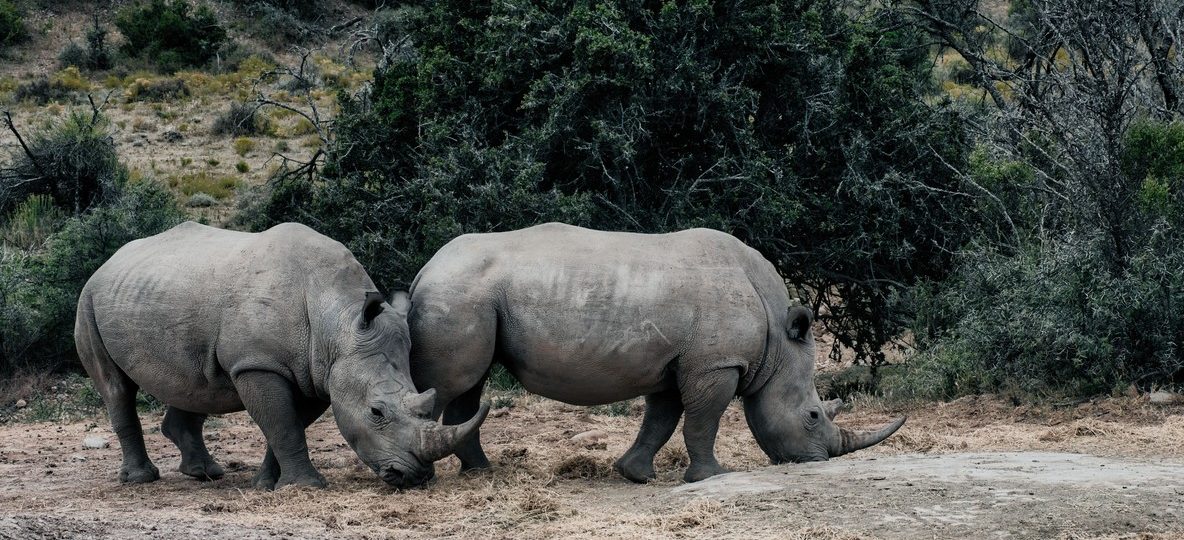
Every rhino and elephant you photograph on a Kenyan safari is alive today because a Kenya anti poaching unit is working somewhere nearby, often before dawn and mostly out of sight. These teams combine armed rangers, tracker dogs, aircraft, and radio-collar data to stop poachers before they reach an animal, not just respond after the fact. At Ol Pejeta Conservancy in Laikipia, that work is led by a dedicated anti-poaching unit built specifically to guard the last two northern white rhinos on Earth. Trunktrails Safaris works with travelers who want to understand this side of Kenya, not just the wildlife sightings it protects.
This guide takes you inside how these units are structured, what they actually do day to day, and where your own tours and safaris fit into funding the work.
What a Kenya Anti-Poaching Unit Actually Does
A Kenya anti-poaching unit is not a single group. It is a layered system built around three functions: prevention, detection, and rapid response.
- Prevention means visible ranger patrols, community informant networks, and fencing or boundary monitoring that make poaching harder to attempt in the first place.
- Detection relies on radio collars fitted to rhinos and elephants, camera traps, and increasingly software platforms like EarthRanger that pull tracking data, ranger positions, and sensor alerts into one live map.
- Rapid response is the armed, trained team that moves the moment an alert comes in, often supported by tracker dogs that can follow a poacher’s scent for kilometers even after nightfall.
Most conservancies and reserves in Kenya run some version of all three, but the resources, staffing, and technology behind them vary enormously depending on who funds the land.
Ol Pejeta Conservancy’s Anti-Poaching Unit: A Closer Look
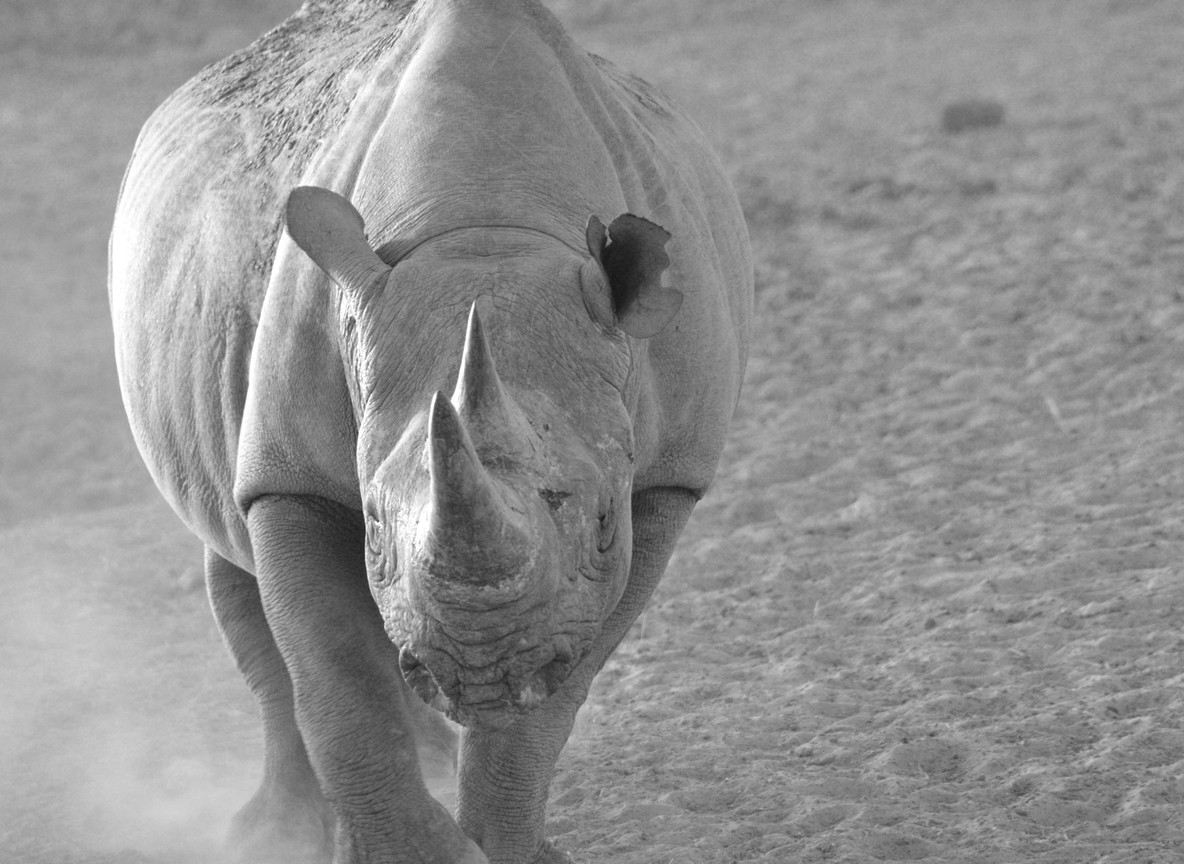
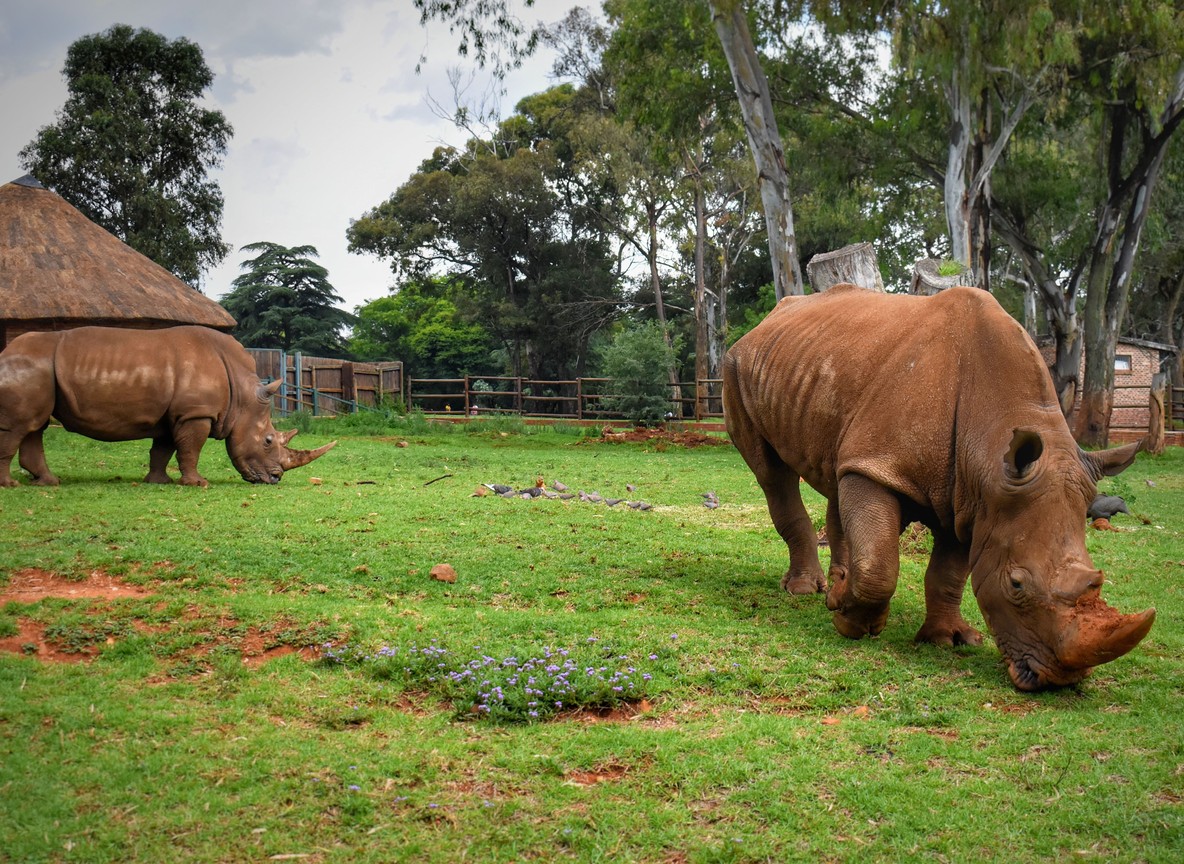
Ol Pejeta Conservancy sits on roughly 90,000 acres (about 364 km²) in Laikipia County, around 200 km and a 3.5 to 4-hour drive north of Nairobi near the town of Nanyuki. It is home to Africa’s largest black rhino sanctuary, with more than 140 black rhinos under protection, and it is the last home of Najin and Fatu, the only two northern white rhinos left in the world after the death of the last male, Sudan, in 2018.
Protecting that population is the job of a dedicated anti-poaching unit that pairs armed foot patrols with a K9 tracking team of trained dogs able to close in on an intruder’s trail far faster than a human tracker alone. The unit works alongside a 24-hour control room that monitors rhino collar data and ranger positions in real time, so a team can be dispatched to a specific location within minutes of an alert rather than hours. This kind of coordinated response is a major reason Ol Pejeta has not lost a rhino to poaching in recent years, a record conservancies across Kenya are actively trying to match.
Kenya Wildlife Service: The National Anti-Poaching Backbone
Beyond individual conservancies, the Kenya Wildlife Service (KWS) is the government agency responsible for protecting wildlife across Kenya’s national parks and reserves. KWS fields an estimated 4,000 armed rangers nationally, supported by an Air Wing of fixed-wing aircraft and helicopters used for aerial surveillance over vast, hard-to-patrol landscapes like Tsavo, which alone covers around 22,000 km². KWS also runs its own canine unit and works jointly with conservancy-level teams and organizations such as the Sheldrick Wildlife Trust on cross-border patrol operations.
Kenya’s rhino poaching numbers have fallen sharply since the crisis years of the early 2010s, and KWS has reported some of the lowest annual poaching totals in decades in recent years. That progress is the direct result of the layered system above: better intelligence, faster response times, and conservancies willing to invest heavily in their own dedicated units.
Comparing Kenya’s Leading Anti-Poaching Units
Kenya’s anti-poaching work is not run by one organization. It is a patchwork of government, private conservancy, and community-led teams, each covering different ground.
| Unit / Organization | Ecosystem or Location | Coverage Area | Ranger Force | Signature Capability |
|---|---|---|---|---|
| Kenya Wildlife Service (KWS) | National parks and reserves countrywide | 20,000+ km² of protected land | Approx. 4,000 armed rangers | Air Wing aerial patrol, national canine unit |
| Ol Pejeta Anti-Poaching Unit | Ol Pejeta Conservancy, Laikipia | 90,000 acres / ~364 km² | Dedicated K9 and ranger teams | EarthRanger real-time tracking, rhino tracker dogs |
| Big Life Foundation | Amboseli-Chyulu-Kilimanjaro ecosystem | Approx. 2 million acres / ~8,000 km² | 300+ rangers | Cross-border Kenya-Tanzania patrol network |
| Mara Elephant Project (MEP) | Greater Masai Mara ecosystem | Masai Mara ecosystem-wide | Aerial and ground rapid-response teams | Elephant collaring, helicopter interception |
| Northern Rangelands Trust (NRT) | 40+ community conservancies, northern Kenya | Tens of thousands of km² combined | Thousands of community scouts | Community-owned scout network |
Indicative figures above are drawn from publicly reported conservancy and KWS data and vary by year, so treat them as approximate rather than fixed.
The Technology Behind Modern Anti-Poaching Work
The single biggest change in Kenya anti-poaching work over the last decade is data. Platforms like EarthRanger combine GPS collar feeds, ranger patrol tracks, and sensor alerts into one dashboard, so a control room can spot an unusual movement pattern, whether it is a rhino standing still for too long or a vehicle entering a restricted zone at night, and dispatch a team immediately. Radio collars on rhinos and elephants now transmit location data on a set schedule, giving rangers a live picture of where the animals they protect actually are.
Tracker dogs remain one of the most effective tools available, since a trained dog can follow a scent trail through terrain and weather conditions that would defeat GPS tracking of a poacher on foot. Several Kenyan conservancies, including Ol Pejeta and Lewa, have invested in their own K9 units for exactly this reason. None of this technology replaces rangers on the ground. It makes their patrols faster to deploy and far more likely to reach an animal before a poacher does.
How Travelers Support Anti-Poaching Units
Conservancy fees and park entry charges paid by every visitor are a direct funding line for the ranger salaries, fuel, and equipment behind this work. Here is what that looks like at some of the destinations where Trunktrails Safaris guests see these units in action.
| Destination | Distance From Nairobi | Drive Time | Conservancy or Park Fee (Indicative, USD) | Anti-Poaching Presence |
|---|---|---|---|---|
| Ol Pejeta Conservancy, Laikipia | 200 km | 3.5-4 hr drive | 90 per adult, per day, indicative | Dedicated K9 and rhino tracking unit |
| Lewa Wildlife Conservancy, Meru | 245 km | 4-4.5 hr drive | 100 per adult, per day, indicative | Ranger and canine anti-poaching team |
| Masai Mara National Reserve | 270 km | 5-6 hr drive or 45 min flight to Keekorok Airstrip | 100 (Jan-Jun) / 200 (Jul-Dec) | Mara Elephant Project rapid-response unit |
| Amboseli National Park | 240 km | 4-5 hr drive | 60, indicative | Big Life Foundation ranger network |
Prices above are indicative ranges only and change by season and operator, so always confirm current rates before booking. Every one of these fees flows back into the ranger teams that make the wildlife you came to see possible to find in the first place.
Why This Work Matters for Every Safari
It is easy to see a rhino grazing calmly at Ol Pejeta or an elephant herd crossing near the Mara River and think of it as simply scenery. It is not. Every sighting like that exists because a Kenya anti-poaching unit is actively protecting that specific animal, often against threats most visitors never hear about. Understanding that context changes how a safari feels. It turns a photograph into evidence that a system built by rangers, trackers, pilots, and dog handlers is working.
Trunktrails Safaris briefs every guest on this before they head into rhino or elephant country, because knowing who protects the wildlife makes the encounter mean more.
The Trunktrails Advantage
Trunktrails Safaris is a Kenyan-owned operator, and conservation context is built into every itinerary we run through anti-poaching country.
| What We Provide | What It Means for You |
|---|---|
| Kenyan-owned guiding team | Current, ground-level knowledge of conservancy conservation work |
| Briefings on anti-poaching efforts before entry | You understand the security and science behind every sighting |
| Itineraries at Ol Pejeta, Lewa, and Masai Mara | Direct access to conservancies with dedicated ranger units |
| Transparent fee breakdowns | You see exactly how your payment supports ranger salaries and equipment |
| Small-group game drives | Lower disturbance to wildlife, better sightings for you |
Every trip booked through Trunktrails Safaris helps fund the rangers, trackers, and pilots carrying out this work across Kenya. ✨
Meet the Teams Protecting Kenya’s Wildlife
Kenya’s rhinos and elephants are safer today because of the anti-poaching units working across Laikipia, the Mara, and Amboseli every single night. Seeing that work up close, alongside the animals it protects, is one of the most meaningful additions you can make to a Kenya trip.
Further reading
More safari planning resources
- Ol Pejeta and Sweetwaters safari package from Valley Safaris
- Maasai Mara National Reserve guide on Touring Insights
- Big Five safari collection on FindMySafari
- Nairobi to Maasai Mara route guide from Valley Safaris
Message Trunktrails Safaris on WhatsApp at +254 113 208888, email info@trunktrailssafaris.com, or visit trunktrailssafaris.com to plan tours and safaris that put you face to face with Kenya’s wildlife and the anti-poaching unit teams guarding it. 🌍