Community Conservation in Kenya: How Locals Are Leading the Way
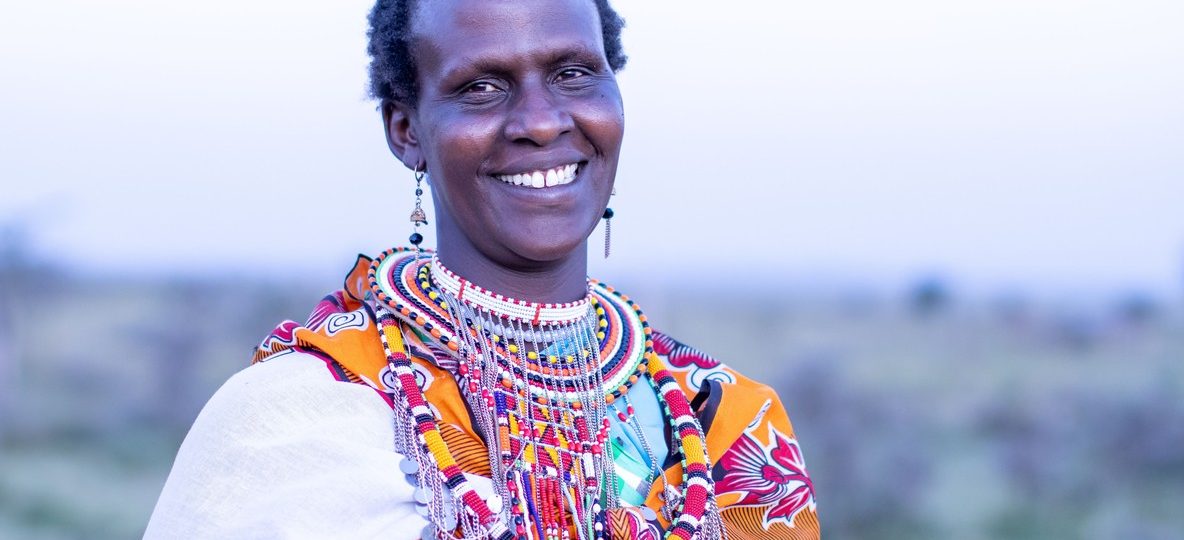
Community conservation in Kenya is not a side project bolted onto national parks. It is, in many parts of the country, the main event. More wildlife in Kenya now lives outside gazetted parks than inside them, on land owned by Maasai, Samburu, Borana, and Taita families who have chosen to protect it rather than fence it off or farm it. That choice is the story behind the Maasai Mara conservancies, the Northern Rangelands Trust, and dozens of community-run sanctuaries most visitors never hear about until they are standing in one. 🌍
This guide walks through how community conservation in Kenya actually works, which conservancies lead the movement, and how travelers booking tours and safaris can put their money directly behind it.
What Is Community Conservation?
Community conservation flips the old model of wildlife protection. Instead of the state fencing off land and excluding the people who live there, local landowners and grazing communities agree to set aside their own land for wildlife, then lease it to tourism operators for a fixed fee. The community keeps ownership. The camps that operate on the land pay rent and hire staff locally. Wildlife gets a corridor to move through instead of a hard boundary to stop at.
This matters in Kenya specifically because roughly 65% of the country’s wildlife lives outside national parks and reserves at some point in its migratory range. A lion or elephant that only exists inside Maasai Mara National Reserve’s 1,510 km² is not a viable population. It needs the community land around it too.
Why Community-Led Conservation Works in Kenya
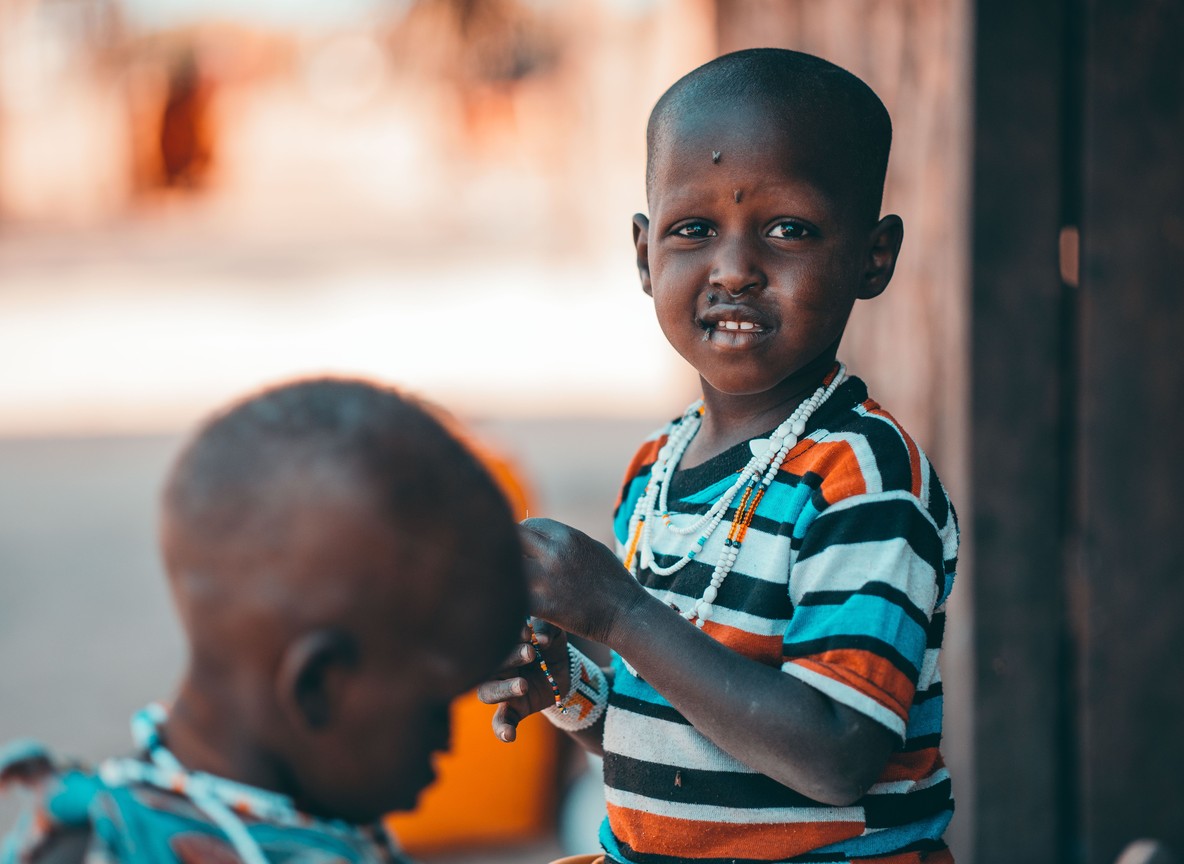
Fortress-style conservation, parks with no local income and no local voice, tends to create conflict. Communities see wildlife as competition for grazing and water, not as an asset. Community conservancies change the economics. A giraffe or a lion walking across conservancy land becomes a source of lease income and jobs rather than a threat to livestock.
The AWF-backed Rukanga water project near Kasigau, commissioned in June 2026, is a clean example of this logic in action. Restoring the water pipeline serving eight villages, Zongwani, Mazola, Mkorongwe, Babani, Maranu, Maranu B, Kitale, and Chovunyi, gave more than 800 households reliable water access. That single fix reduces the pressure on households to compete with wildlife for the same water points, which is one of the most common triggers for human-wildlife conflict in the Kasigau region. The project was delivered by the African Wildlife Foundation working with Kasigau Wildlife Conservancy, the Taita-Taveta County Government, and the Embassy of Sweden.
The Maasai Mara Conservancies: Landowners as Conservationists
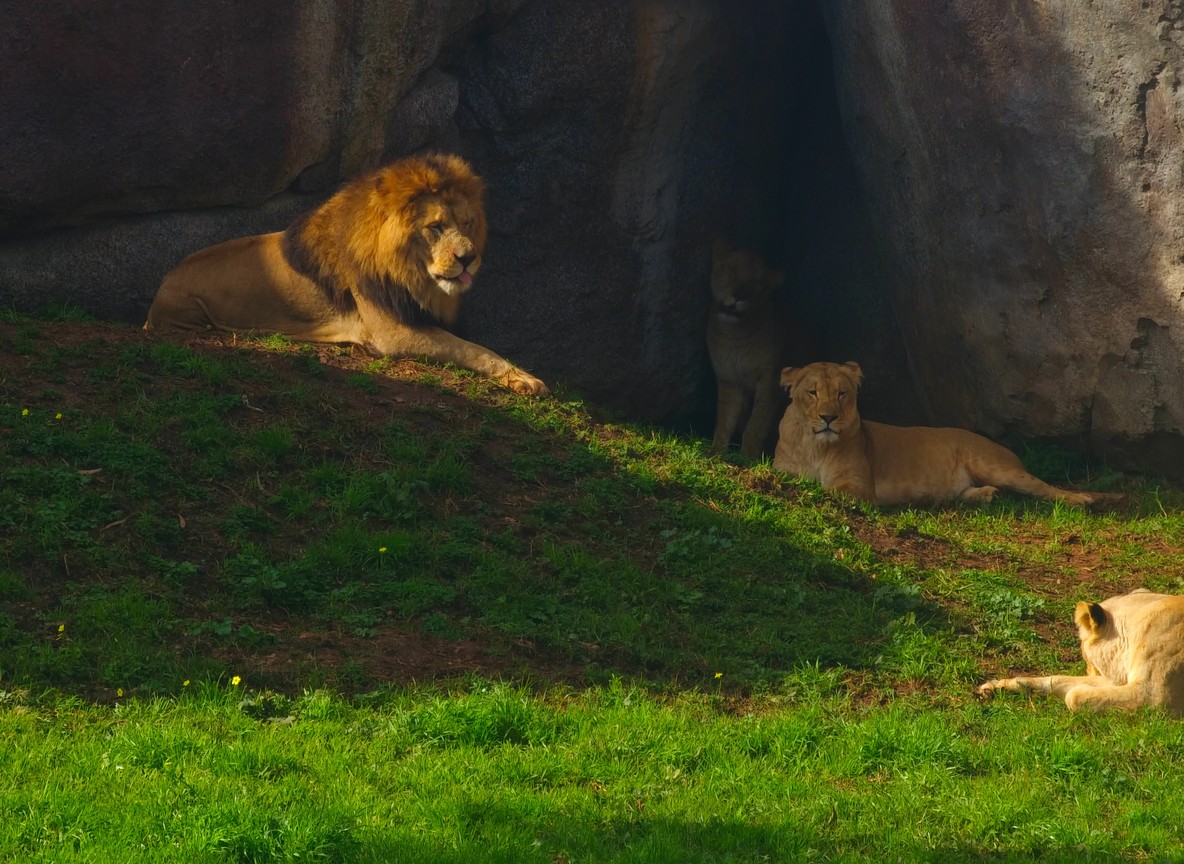
The Maasai Mara conservancies are the best-known example of community conservation in Kenya, and the model that most tours and safaris in the region are now built around. Maasai landowners lease their land collectively to a small number of tourism partners, who pay a fixed monthly fee per acre regardless of occupancy. In Naboisho Conservancy alone, more than 500 individual Maasai landowners receive lease payments.
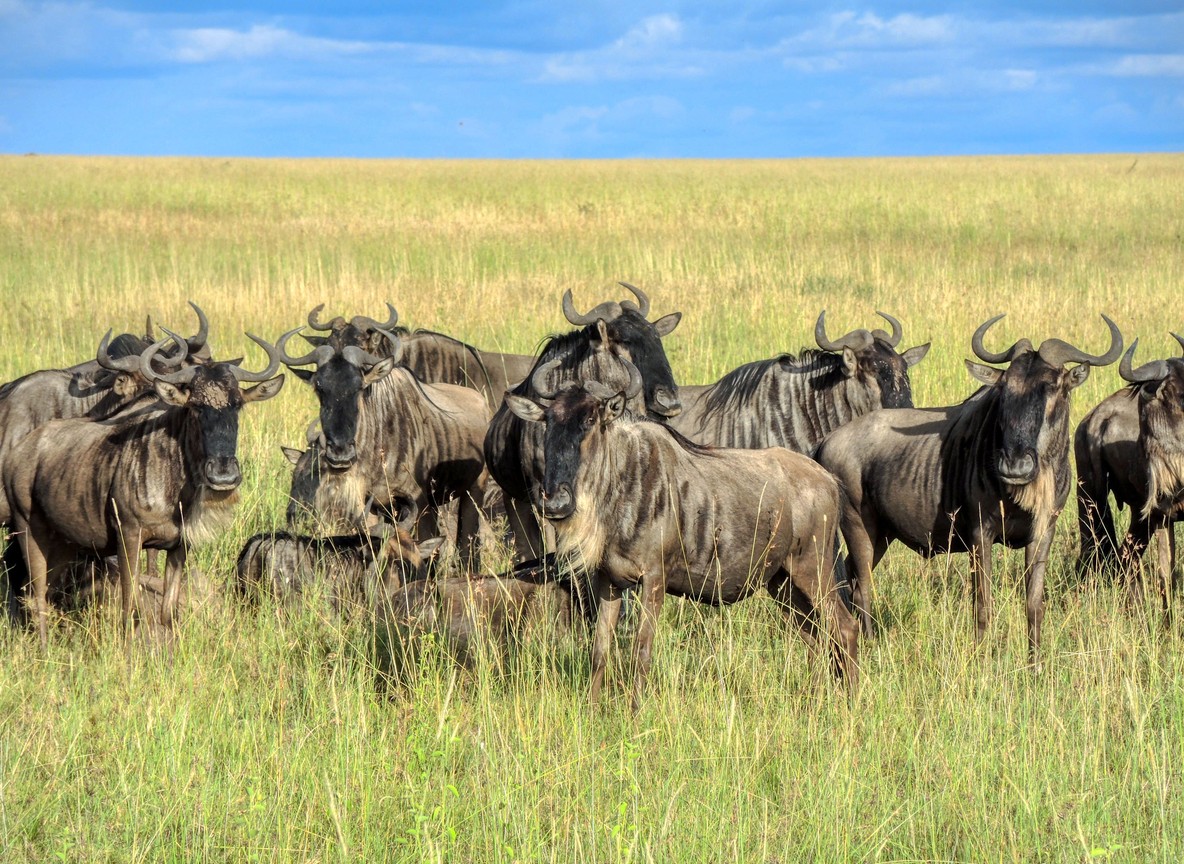
Because bed density and vehicle numbers are capped by conservancy agreement, wildlife sightings in the Mara conservancies are typically calmer and less crowded than inside the national reserve itself, especially during the July-October wildebeest migration.
Northern Rangelands Trust: Scaling Community Conservation Across Northern Kenya
The Northern Rangelands Trust (NRT), founded in 2004, is the largest network of community conservancies in Kenya. It links more than 40 member conservancies across the arid and semi-arid north and the coast, including Samburu, Isiolo, Marsabit, and Tana River counties. NRT conservancies are run by community-elected boards, employ local rangers, and channel tourism and grant income into schools, clinics, and livestock markets. Sanctuaries such as Sera Conservancy, part of the NRT network, hold Kenya’s only community-owned black rhino sanctuary.
Il Ngwesi and Lewa: The Original Model
Long before “community conservancy” was a marketing term, Il Ngwesi and Lewa in Laikipia were proving the model worked. Il Ngwesi Conservancy, roughly 165 km² of Maasai group ranch land bordering Lewa, opened Il Ngwesi Lodge in 1996, the first lodge in Kenya to be 100% community-owned and run. Every job, from ranger to chef, is held by a member of the Il Ngwesi community.
Lewa Wildlife Conservancy, 250 km² and a UNESCO World Heritage Site, sits next door and protects one of the most important black rhino populations remaining in Kenya. Lewa and Il Ngwesi share a boundary with no fence between them, letting rhino, elephant, and predators move freely across both.
Community Conservancies at a Glance
| Conservancy | Region | Size | Access from Nairobi | Known For |
|---|---|---|---|---|
| Naboisho Conservancy | Maasai Mara | ~200 km² (50,000 acres) | ~270 km, 5-6 hr drive or ~45-min flight to Mara airstrips | 500+ Maasai landowners, capped vehicle density |
| Olare Motorogi Conservancy | Maasai Mara | ~140 km² (33,000 acres) | ~270 km, 5-6 hr drive or ~45-min flight | High predator density, low vehicle numbers |
| Mara North Conservancy | Maasai Mara | ~320 km² (78,000 acres) | ~270 km, 5-6 hr drive or ~45-min flight | Unfenced border with Mara Reserve |
| Lewa Wildlife Conservancy | Laikipia/Meru border | 250 km² (62,000 acres) | ~300 km, 5-6 hr drive or ~50-min flight to Lewa Downs | UNESCO site, black rhino sanctuary |
| Il Ngwesi Conservancy | Laikipia | ~165 km² (16,500 ha) | Borders Lewa, same access | Kenya’s first community-owned lodge (1996) |
| Kasigau Wildlife Conservancy | Taita-Taveta | ~2,000 km² (REDD+ project area) | ~330 km, ~5 hr drive via Mombasa Road | Links Tsavo East and Tsavo West, REDD+ carbon project |
Indicative conservancy fees for visitors typically run USD 70-100 per person per night in the Maasai Mara conservancies, on top of camp rates and separate from the Mara Reserve’s own entrance fee. Prices vary by camp and season, so always confirm current rates before booking.
Community Conservancy vs National Park: What Actually Changes
| Factor | Community Conservancy | National Park or Reserve |
|---|---|---|
| Land ownership | Held by local families or group ranches | Owned and managed by KWS or county government |
| Revenue flow | Lease and conservancy fees paid directly to landowners | Gate fees to national or county government |
| Vehicle density | Capped by agreement, often one vehicle per sighting | Can be uncapped in peak season |
| Night drives and walking safaris | Usually permitted | Usually restricted or not allowed |
| Local employment | Rangers, guides, and staff hired from the community | Mixed, often centrally staffed |
How Travelers Can Support Kenya Conservation Tourism
Booking tours and safaris that overnight inside a community conservancy, rather than only inside the national park, is the single most direct way a traveler supports community conservation in Kenya. Every night’s conservancy fee goes to the landowners who chose wildlife over cattle or crops. Choosing camps that are explicitly community-owned, like Il Ngwesi, or camps operating under a conservancy lease, like most Mara North and Naboisho properties, sends that income where it has the most conservation impact.
The Trunktrails Advantage
Trunktrails Safaris builds itineraries that route deliberately through community conservancies, not just national parks, because that is where the conservation story is strongest and the wildlife viewing is often better. Our guides are trained to explain the land ownership and revenue model at each stop, so guests understand exactly where their conservancy fees go.
As a Kenyan-owned operator, Trunktrails Safaris works directly with conservancy management teams in the Maasai Mara, Laikipia, and the Tsavo-Kasigau corridor to build tours and safaris that put community-led conservation at the center of the itinerary, not as an afterthought. We also partner with camps that hire and train local rangers and guides, so your trip supports the same communities protecting the wildlife you came to see. ✨
Plan a Kenya Safari Built Around Community Conservation
If seeing wildlife protection that actually works matters to your next trip, build it around the conservancies doing the work. Trunktrails Safaris can design tours and safaris through the Maasai Mara conservancies, Laikipia’s Lewa and Il Ngwesi, and the Kasigau corridor, matched to your dates and budget.
Reach out to Trunktrails Safaris to start planning:
Further reading
More safari planning resources
- Interactive Maasai Mara map from Valley Safaris
- Maasai Mara National Reserve guide on Touring Insights
- Masai Mara destination guide on FindMySafari
- Big Five safari collection on FindMySafari
- WhatsApp: +254 113 208888
- Email: info@trunktrailssafaris.com
- Website: trunktrailssafaris.com