
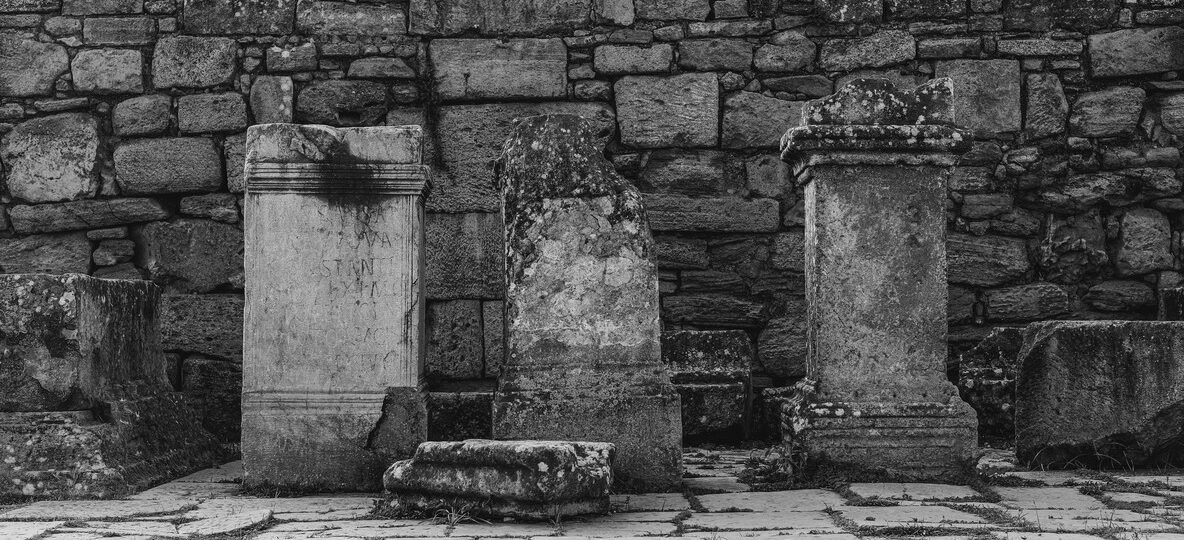
Gedi Ruins Kenya: The Lost Swahili City Hidden in a Coastal Forest
🌍 The forest closes around you within thirty seconds of entering the ruins. The canopy is high and dense. The coral-rag walls — some still standing to roof height — are coated in the particular grey-green of lichen that grows undisturbed for centuries. A golden-rumped elephant shrew darts across a collapsed doorstep. Somewhere overhead, a silverbird calls.
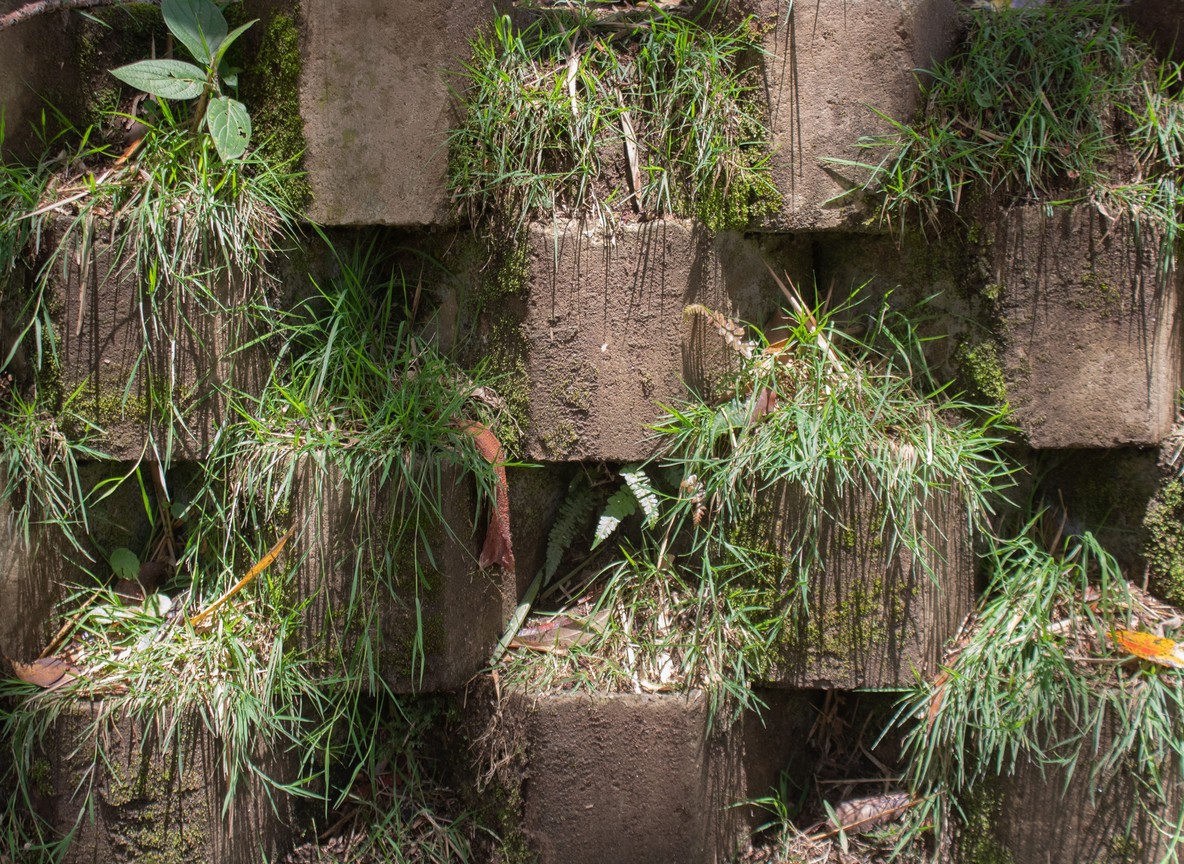
You are standing in a city that once held 2,500 to 3,000 people. They had running water systems, mosques, a palace, a commercial district, and trade connections to China, Persia, and India. The porcelain they imported — fragments of which still surface in the earth — came from the Song Dynasty. And then, at some point between the 14th and 17th centuries, they left. Every one of them. And the forest grew over what they left behind.
Gedi Ruins is the most compelling archaeological site on the Kenya coast, and one of the most intriguing in East Africa. For the traveller who wants their holiday to include layers that wildlife alone cannot provide, this is where to come.
At Trunktrails Safaris, we include gedi ruins kenya in coastal combination itineraries for guests with intellectual appetites — the kind of tours and safaris that end with questions you were not asking when you arrived.
What Are the Gedi Ruins?
The Gedi Ruins National Monument is a preserved Swahili town covering approximately 45 acres within the Arabuko-Sokoke Forest on Kenya’s north coast, about 15 kilometres south of Malindi and 5 kilometres inland from Watamu.
The town was established no later than the 13th century — possibly as early as the 9th century — based on dating evidence from the excavated pottery layers and the earliest Arabic coins found on site. By the 14th and 15th centuries, Gedi was a prosperous settlement at the height of the Indian Ocean trading network. The evidence is concrete:
- Chinese porcelain from the Song and Ming dynasties recovered in quantity
- Persian faience and Indian trade beads in excavated deposits
- A sophisticated water distribution system with wells, cisterns, and channels to manage the water table
- A palace with audience chambers, private quarters, and a bathroom with plumbing
- A great mosque (and several smaller ones) with architectural features consistent with Yemeni influence
- Tombs with pillar tomb design matching the Swahili tradition still found in Lamu and Zanzibar
The Mystery: Why Was Gedi Abandoned?
No written record explains why Gedi was abandoned. This is the defining characteristic of the site, and the reason it retains a peculiar power over visitors who know the history.
Several theories have been advanced:
The Portuguese disruption (16th century): Portuguese ships disrupted the Indian Ocean trade network from the early 1500s. Many Swahili coastal towns declined as the established trading relationships that sustained them were broken. Gedi may have been economically unviable once the trade routes collapsed.
The Oromo expansion (late 16th century): The southward expansion of the Oromo people from Ethiopia during the 16th and 17th centuries destabilised many coastal settlements. Archaeological evidence suggests Gedi was damaged and partially rebuilt during this period, possibly indicating conflict.
Water table failure: Some archaeologists have proposed that the freshwater supply to Gedi failed as the regional water table changed. A town dependent on shallow wells in a forest-edge location would be vulnerable to this.
A combination of factors: The most persuasive explanation is that no single cause drove the abandonment — that Portuguese disruption weakened the economic base, Oromo pressure created security concerns, and population decline made the maintenance of the water systems impossible, in a cascading failure that took perhaps 50-100 years rather than being a sudden event.
The mystery is not solved. The forest kept the secret.
What You Will See at Gedi Ruins
The site is managed by the National Museums of Kenya and is formally a national monument. The main excavated area covers approximately 8 acres, with the rest of the original town still under forest and not yet excavated.
The Great Mosque: The largest of the site’s six mosques, with an arched entrance portal and a mihrab (prayer niche facing Mecca) that is still standing. The mosque was expanded several times, with building phases visible in the masonry.
The Palace: The most complex building on the site, with 14 rooms, a series of interconnected courtyards, a bathroom (with a stone seat and drainage channels), and storage rooms. The architecture reflects a sophisticated concept of private and public space.
The Dated Tomb: A pillar tomb near the entrance to the palace precinct, with an inscription that has been dated to the 15th century. Pillar tombs are a distinctive feature of Swahili funerary architecture.
The Houses: Six excavated houses are open to visitors, each named by the archaeologists who excavated them (House of the Scissors, House of the Dhow, House of the Chinese Coins) based on artefacts found within them. The domestic scale of the architecture is striking — these were substantial residences, not hovels.
The Swahili House Museum: A reconstructed small Swahili house on the site boundary, with interpretation panels covering the daily life of Gedi’s inhabitants.
| Feature | What Survives | Interpretation |
|---|---|---|
| Great Mosque | Mihrab, entrance arch, prayer hall walls | Best-preserved religious structure |
| Palace | 14 rooms, bathroom, courtyards | Largest single building on site |
| Pillar Tombs | 3 standing; 2 inscribed | Swahili funerary tradition |
| Houses | 6 fully excavated | Named by artefact finds |
| Water system | Wells and cisterns visible | Shows urban planning sophistication |
| Chinese porcelain | In museum display | Evidence of Indian Ocean trade |
The Wildlife at Gedi: The Golden-Rumped Elephant Shrew
The Gedi Ruins sit inside the Arabuko-Sokoke Forest, and the forest is a wildlife destination in its own right. The golden-rumped elephant shrew — more accurately called the Rhynchocyon chrysopygus — is found almost nowhere else on earth. It is endemic to the coastal forest strip between Malindi and Mombasa. The Gedi Ruins, with their mixture of forest floor and open stone structures, are one of the best places to see this extraordinary animal.
The golden-rumped elephant shrew is startling on first encounter. About the size of a rabbit, it moves in rapid, jerky bursts, pausing to forage in leaf litter with its long, mobile snout. The distinctive golden rump patch is conspicuous. It is not a shrew (it is more closely related to aardvarks and tenrecs than to true shrews) and is classified as Endangered by the IUCN.
Bird life at Gedi is also excellent. Species regularly seen include:
- Sokoke scops owl (endemic to the coastal forest; best heard at dusk)
- Clarke’s weaver (endemic; locally rare)
- Narina trogon
- African paradise flycatcher
- Crowned hornbill
For a full account of the Arabuko-Sokoke Forest’s wildlife, our Arabuko-Sokoke forest guide covers the birding and biodiversity in detail.
How to Visit Gedi Ruins
Location: On the A7 coast road, approximately 2 km from Watamu junction and 15 km south of Malindi.
Opening hours: Daily, 8 AM – 6 PM.
Entry fees: Approximately $10-15 for non-resident adults (2026 rates; confirm with National Museums of Kenya).
Guided tours: On-site guides are available and strongly recommended. The site interpretation is minimal without a guide, and the history and archaeology are significantly richer with context. Budget 1.5-2 hours for a properly guided visit.
Combining with nearby destinations:
- Watamu Marine National Park — 5 km west; combine with a morning at the ruins and an afternoon snorkel
- Arabuko-Sokoke Forest — adjacent; add a forest walk for the elephant shrews and birds
- Malindi — 15 km north; add a half day for Vasco da Gama’s pillar (the oldest European monument in sub-Saharan Africa) and the fish market
Combining Gedi Ruins with a Kenya Safari
The ruins are most naturally combined with a coastal extension after safari, or as part of a dedicated north coast cultural itinerary.
From Mombasa or Diani Beach: The A7 coast road north passes through Kilifi and reaches Watamu/Gedi in approximately 2 hours from Diani. A day trip from Watamu or Malindi is the most common access pattern.
From Lamu: Southbound travellers from Lamu to Mombasa can stop at Gedi en route, combining it with the Arabuko-Sokoke forest and perhaps a night in Watamu.
Our Diani Beach guide covers the south coast in detail, and our Lamu Kenya guide covers the northern coast cultural circuit that Gedi fits into naturally.
The Trunktrails Advantage
Cultural sites like Gedi require a different kind of guide expertise from wildlife safari guiding — the ability to bring a medieval Swahili city to life from coral-rag walls and broken potsherds is a specialist skill. At Trunktrails Safaris, we work with coastal Kenya guides who have the archaeological and historical knowledge to make a visit to Gedi genuinely resonant rather than just a tick on the itinerary.
What we include in a Gedi Ruins visit:
- Pre-briefing: Before you arrive, we brief you on the site’s history and what you are looking at — the visit is richer with context
- Specialist guide coordination: We work with guides who know the site’s excavation history and the current state of ongoing research
- Wildlife integration: The elephant shrew and bird list are on our guide’s radar throughout the visit
- Coastal itinerary design: Gedi works best as part of a Watamu/Arabuko-Sokoke/Malindi day, not a standalone site visit. We design the full day.
- Conservation contribution: 5% of every booking supports coastal forest conservation, including Arabuko-Sokoke habitat protection
- and native Kenyan-owned
Ready to Visit Gedi Ruins with Trunktrails Safaris?
📸 The Chinese porcelain fragments in the Gedi museum display were made eight thousand kilometres away, in a Chinese dynasty that had no idea this forest-edge town in East Africa existed. They arrived here by dhow, via a trade network so sophisticated that it connected the Indian Ocean from Arabia to China centuries before Europe’s Age of Exploration began. The people who carried them are gone. The forest reclaimed their city. And the walls are still standing.
At Trunktrails Safaris, we design tours and safaris that make room for this kind of depth alongside the wildlife. Tell us where you want to go and what you want to understand, and we will build an itinerary that holds both.
Further reading
More safari planning resources
- Kenya tour packages from Valley Safaris
- Is Kenya safe to visit? on Touring Insights
- Diani Beach guide on FindMySafari
- Big Five safari collection on FindMySafari
📞 WhatsApp: +254 113 208888 📧 Email: info@trunktrailssafaris.com 🌐 Website: https://trunktrailssafaris.com
Image credits: Photo by MAG Photography on Pexels; Photo by David Correa Franco on Pexels; Photo by Harshith K S on Pexels; Photo by Robert So on Pexels; Photo by Chedi Tanabene on Pexels