
Elephant Watch Camp Samburu: Go on Safari with 500 Elephants Who Have Names
At Elephant Watch Camp Samburu, the elephants have names. Not just a few of them. All of them. Save the Elephants has built a database of more than 500 individually catalogued elephants in the Samburu ecosystem, each with a known family, a known personality, and in many cases a documented life story stretching back decades. 🐘
No other camp in Kenya puts you this close to that depth of knowledge. When your guide points to a matriarch crossing the Ewaso Nyiro River and says, “That’s Spice Girl. She lost her calf in the 2009 drought but raised two more since,” you are not hearing a camp anecdote. You are reading a page from a living scientific record.
Trunktrails Safaris includes Elephant Watch Camp in our northern Kenya tours and safaris for exactly this reason: it delivers an experience that no generic game-drive camp can replicate. This guide covers everything you need to know before you book.
What Makes Elephant Watch Camp Samburu So Different from Other Safari Camps?
The short answer: proximity to research.
The camp sits on the southern bank of the Ewaso Nyiro River, inside Samburu National Reserve, adjacent to the Save the Elephants research centre that Iain Douglas-Hamilton founded in 1997. That adjacency is not incidental. The camp was built by Oria Douglas-Hamilton, Iain’s wife and co-author, to give conservation-minded guests direct access to the scientists and the data.
Most tented camps offer good game drives. Elephant Watch Camp offers something more specific: a guided introduction to the families your guides know personally. Because the research team has tracked bloodlines, migrations, stress responses, and social structures for nearly three decades, every sighting carries context that a guide at any other camp simply cannot provide.
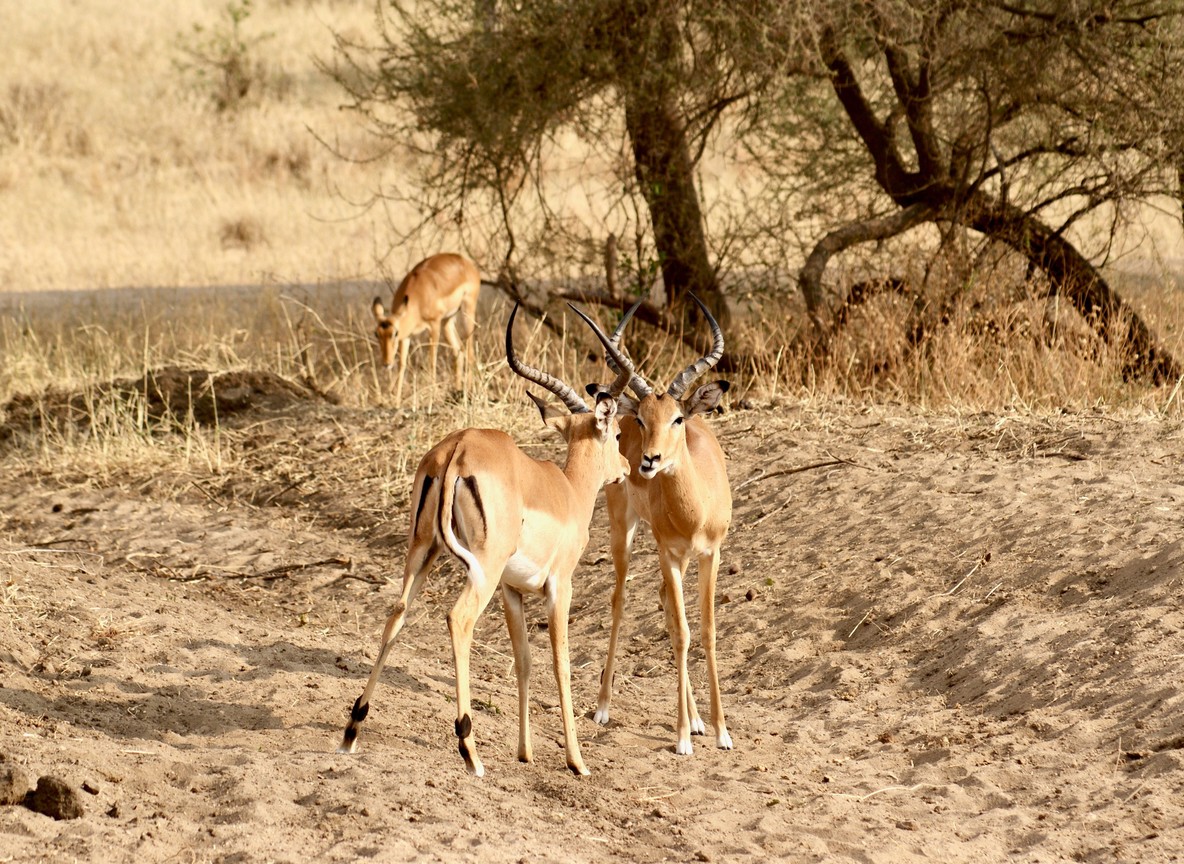
The Ewaso Nyiro River is the lifeline of northern Kenya. It draws every species in the landscape at predictable intervals, which means the camp’s position is also a natural wildlife blind. Elephants, lions, leopards, Grevy’s zebras, reticulated giraffes, and crocodiles all work the riverbank within metres of the camp’s mess tent.
Who Founded Elephant Watch Camp and What Is the Conservation Link?
Elephant Watch Camp was created by Oria Douglas-Hamilton, wildlife author and long-time Kenya conservation figure. Her husband, Dr. Iain Douglas-Hamilton, is the founder of Save the Elephants (STE) and one of the world’s leading elephant scientists. STE’s headquarters and research station share the same stretch of riverbank as the camp.
Today the camp is managed by the Douglas-Hamilton family in close partnership with Save the Elephants. Saba Douglas-Hamilton, Oria and Iain’s daughter, is a wildlife filmmaker and conservation advocate who has been a vocal presence in Samburu’s elephant story for years.
What this means for you as a guest:
- Research briefings. Depending on schedules, researchers sometimes join camp dinners to share field updates.
- Named elephant ID. Your guides carry photo-ID cards linked to the STE database. When you spot a family, you know who they are.
- Conservation contribution. A portion of camp revenue directly funds STE’s ongoing elephant research in Samburu.
This is not conservation branding. It is a functional research partnership built over nearly 30 years. If you care about elephants, this is the camp that earns that claim.
What Wildlife Can You See at Elephant Watch Camp Samburu?
Samburu National Reserve sits at approximately 165 km² and holds a wildlife density that punches above its size. 🦁 The reserve’s semi-arid landscape, riverine forest, and open acacia bushland support a cast of species that simply do not exist in southern Kenya’s more famous parks.
The Samburu Special Five are the headline:
- Grevy’s zebra (the world’s largest zebra species, IUCN Endangered)
- Reticulated giraffe (the tallest giraffe subspecies, with bold geometric patterning)
- Beisa oryx (straight-horned antelope built for extreme heat)
- Gerenuk (the “giraffe-necked antelope” that feeds standing on its hind legs)
- Somali ostrich (the male’s legs and neck turn vivid blue-grey in breeding season)
Beyond the Special Five, Samburu holds lion, leopard, cheetah, elephant, buffalo, hippo, Nile crocodile, and over 350 bird species including the striking Vulturine Guineafowl, Lilac-breasted Roller, and Martial Eagle.
Elephants are the centrepiece. The families tracked by Save the Elephants spend much of their time along the river corridor, and Elephant Watch Camp’s game drives operate in the same core zones the research team monitors daily. Elephant sightings are virtually guaranteed year-round.
Read our complete breakdown of what to expect on a Samburu National Reserve safari before you plan your trip.
What Are the Accommodation Options at Elephant Watch Camp?
The camp runs six luxury tented suites, keeping the guest count small enough to preserve an exclusive atmosphere. The tents are raised on platforms over the riverbank, built from local materials, and decorated with vintage East African expedition pieces that reflect the Douglas-Hamilton family’s history in Kenya.
Key accommodation details:
- 6 tented suites (doubles, twins, and one family unit available)
- Solar-powered electricity with limited charging points (bring a power bank)
- En-suite bathrooms with bucket showers – warm water on request
- Wraparound veranda facing the river and Samburu game reserve landscape
- No Wi-Fi by design: this is an off-grid, fully immersive experience
- Open-sided mess tent and firepit for communal dinners under the stars
This is not a five-star hotel transplanted into the bush. It is a classic expedition camp that prioritises the landscape over luxury amenities. Guests who expect a spa or conference Wi-Fi should choose a different property. Guests who want to fall asleep to hippo splashes and wake to an elephant outside their tent are exactly who Elephant Watch Camp was built for.
How Do You Get to Elephant Watch Camp Samburu?
Samburu National Reserve lies approximately 350 km north of Nairobi, placing it within comfortable bush-flight range of Wilson Airport.
| Route | Duration | Notes |
|---|---|---|
| Nairobi (Wilson) to Samburu airstrip by bush plane | ~1 hour | Airkenya and Safarilink operate scheduled services; charter also available |
| Nairobi to Samburu by road | 5-6 hours | Via Nyeri or Nanyuki; tarmac to Isiolo, then murram road into the reserve |
| Samburu to Archer’s Post Gate | ~20 min from airstrip | Transfer arranged by camp |
| Samburu to Nanyuki (for combined itinerary) | ~2.5 hours by road | Convenient link to Ol Pejeta Conservancy and Laikipia |
The bush flight is strongly recommended. The road is passable in a 4×4, but the hour saved in transit is better spent on game drives. Safarilink and Airkenya typically depart Wilson Airport by 08:00 and arrive in Samburu before 09:30, giving you a full morning game drive on arrival day.
For guests building a multi-park itinerary, a 7-day northern Kenya safari combining Samburu and Lake Turkana works extremely well with a bush-flight routing.
When Is the Best Time to Visit Elephant Watch Camp Samburu?
Samburu is a genuinely year-round destination. Unlike the Masai Mara, which has a hard peak season tied to the Great Migration, Samburu’s resident wildlife makes it excellent in every month. That said, conditions vary.
| Month | Conditions | Elephant Activity | Best For |
|---|---|---|---|
| Jan-Feb | Hot and dry; excellent visibility | High river concentration | Game drives, photography |
| Mar-May | Long rains; some tracks flood | Dispersed into bush | Birding, lush green scenery |
| Jun-Sep | Cool and dry; peak season | Strong river crossings | All-round game viewing |
| Oct-Nov | Short rains; light and unpredictable | Mixed | Smaller crowds, lower rates |
| Dec | Dry again; pre-Christmas quiet | Rebuilding river herds | Wildlife + cultural activities |
June to October is peak season for a reason: the dry weather concentrates animals at the Ewaso Nyiro River, elephant herds make spectacular crossings, and the light for photography is reliably sharp. That said, Trunktrails Safaris books Elephant Watch Camp in the green season too, often at reduced rates with equal or better elephant sightings.
Check our month-by-month guide to the best time to visit Samburu for a full seasonal breakdown.
What Activities Does Elephant Watch Camp Offer?
The activity programme is built around the landscape and the research partnership.
Game drives Morning and afternoon drives in open-sided 4×4 vehicles with trained Samburu guides. Drives operate in the reserve and the adjacent river corridor. The elephant focus is intentional: guides use the STE identification cards to name families in real time.
Night drives (in conservancy buffer) Night drives are not permitted inside the national reserve, but the camp can arrange drives in the adjacent community buffer areas where lion, genet, bush baby, and porcupine are active after dark.
Guided bush walks Short guided walks on the riverbank focus on tracking skills, plant identification, and smaller wildlife including reptiles and birds. Excellent for photography.
Cultural visits with Samburu community The Samburu people are closely connected to the northern Kenya landscape and have their own relationship with the elephants. Camp-arranged village visits cover beadwork, traditional medicine, and the Samburu pastoralist calendar. These are genuine cultural exchanges, not staged performances.
Researcher-led talks and briefings When Save the Elephants staff are available, the camp arranges informal briefings on current research, including elephant GPS tracking, crop-raiding conflict management, and ivory trade surveillance.
How Does Elephant Watch Camp Compare to Other Samburu Safari Camps?
Samburu has several strong camps. Here is an honest comparison for guests deciding where to stay.
| Camp | Style | Size | Conservation Focus | Indicative Rate (per person/night, full board) |
|---|---|---|---|---|
| Elephant Watch Camp | Classic expedition tented | 6 tents | Very high (STE partnership) | $600-$900 indicative |
| Saruni Samburu | Luxury stone cottages | 6 cottages | Moderate (community support) | $700-$1,100 indicative |
| Sasaab Camp | Moroccan-influenced luxury | 9 rooms | Moderate (community land) | $700-$1,000 indicative |
| Elephant Bedroom Camp | Mid-range tented | 12 tents | Low-moderate | $400-$650 indicative |
| Larsen’s Camp | Classic tented | 20 tents | Low | $350-$550 indicative |
All rates indicative and exclusive of Samburu National Reserve conservancy fees (approximately $50-70 per person per day for non-residents, 2026 indicative; verify via KWS eCitizen before booking). Rates fluctuate by season.
Elephant Watch Camp is neither the most expensive nor the most luxurious camp in Samburu. What it offers that no other camp can match is direct access to the STE research knowledge base. If your goal is to understand elephants rather than simply observe them, it wins this comparison on every dimension.
For a deeper look at how Samburu stacks up against Kenya’s other northern-circuit options, our Masai Mara vs Samburu guide covers the full picture.
What Does the Samburu Special Five Add to an Elephant Watch Camp Stay?
You come for the elephants. You stay because of everything else.
Samburu’s Special Five are not found anywhere in southern Kenya. The Grevy’s zebra is critically rarer than the common plains zebra and has a totally different social structure. The gerenuk is so specialised that it does not need to drink water, pulling enough moisture from the succulent browse it stands upright to reach. The reticulated giraffe’s geometric coat pattern is distinct enough that researchers can identify individuals by photograph, much like the STE elephant database. 📸
The Special Five add a second narrative thread to every game drive. Your guides run two concurrent identification systems: elephant families from the STE database, and the Special Five clusters that your guide knows from years of daily observation. It creates a layered, reference-rich game drive unlike anything available in the Mara or Amboseli.
Read our detailed Samburu Special Five species guide for exact identification notes and photography tips before your trip.
What Is the Trunktrails Advantage for Your Elephant Watch Camp Safari?
At Trunktrails Safaris, we are a native Kenyan-owned operator. We know Elephant Watch Camp not from a brochure but from repeat visits, direct relationships with the camp team, and years of routing guests through Samburu on our tours and safaris.
Here is what that means for your booking:
- No middleman markup. We book Elephant Watch Camp directly and pass the benefit on to you.
- Tailor-made itineraries. We combine Elephant Watch Camp with Laikipia, Lake Turkana, Ol Pejeta, or the Masai Mara depending on your interests and time available.
- Conservation-first design. Five percent of every Trunktrails Safaris booking goes directly to wildlife conservation in Kenya.
- 24/7 direct support. You have a direct line to a Kenyan team throughout your trip, not a contact centre in a different time zone.
- Honest pre-trip guidance. We will tell you plainly if Elephant Watch Camp is not the right fit for your travel style. If you need strong Wi-Fi or daily spa access, we will recommend accordingly. If you want to learn elephant science in the field, this is the camp we recommend with full confidence.
Our tours and safaris to Samburu are not cookie-cutter. Every itinerary starts with a conversation about what matters most to you. 🌍
Ready to Book Your Elephant Watch Camp Samburu Safari with Trunktrails Safaris?
Elephant Watch Camp offers something that cannot be manufactured: a 30-year relationship between a family, a landscape, and 500 named elephants. There are very few places on Earth where you can walk into a conservation story that deep and be welcomed as a guest.
If that is the safari experience you want, the next step is a conversation with our team. Tell us your travel dates and how many nights you want in Samburu, and we will build an itinerary around it.
At Trunktrails Safaris, we design every safari around your dates, budget, and what matters most to you. No cookie-cutter packages. Just a direct line to a Kenyan team that knows northern Kenya from the inside out.
Further reading
More safari planning resources
- Map of Samburu from Valley Safaris
- Samburu National Reserve guide on Touring Insights
- Big Five safari collection on FindMySafari
- Samburu destination guide on FindMySafari
📞 WhatsApp: +254 113 208888 📧 Email: info@trunktrailssafaris.com 🌐 Website: https://trunktrailssafaris.com