Electric Safari Vehicle Kenya: Inside the Quiet Game Drive Revolution 🐘
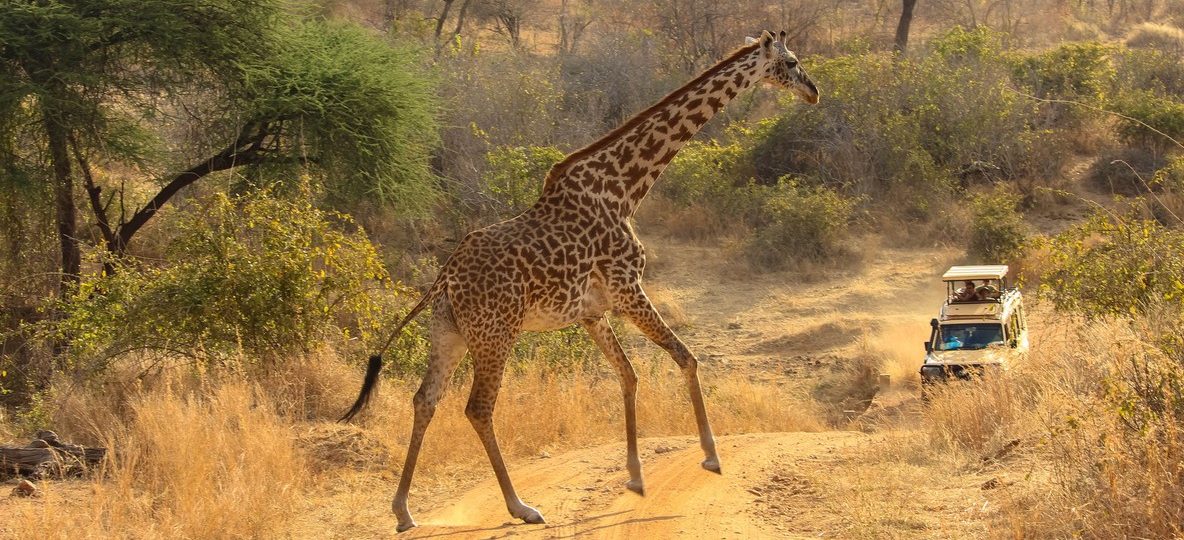
The first electric safari vehicle Kenya has put into daily game-drive rotation is already running trips in the Maasai Mara, and the biggest surprise is not the range or the charge time. It is the silence. A diesel Land Cruiser announces itself from 200 meters away. An electric one rolls up close enough to hear an elephant breathing, and the animal often does not flinch. That single change, quiet approach instead of engine growl, is reshaping how wildlife behaves around vehicles and how guests experience tours and safaris across Kenya.
At Trunktrails Safaris, we track every shift in how safaris are run, because it changes what we can promise our guests. Here is what Kenya’s electric safari vehicle fleet actually involves, who built it, what it costs to book, and how it compares to the diesel Land Cruiser that has defined the Kenyan safari for sixty years.
Who Built Kenya’s Electric Safari Vehicles
Kenya’s electric safari vehicle story starts with ROAM, a Nairobi-based electric vehicle company founded in 2017 as Opibus by a small team of Swedish engineers who began by converting motorcycle taxis before moving into full safari vehicle conversions. Instead of importing electric vehicles, ROAM strips a standard Toyota Land Cruiser, the vehicle nearly every Kenyan safari operator already runs, and replaces the diesel engine and drivetrain with an electric motor and battery pack. The chassis, seating and game-viewing roof stay the same, so guests get the familiar high-clearance Land Cruiser silhouette with none of the engine noise.
Emboo River Camp, set on the Talek River inside Maasai Mara National Reserve near Sekenani Gate, partnered with ROAM to bring one of the first fully electric safari vehicles into daily game-drive rotation in the Mara ecosystem. The camp charges the vehicle using its own solar installation, which keeps the electric fleet running without adding diesel generator load to the camp’s carbon footprint. Angama Mara, perched on the Oloololo Escarpment above the Mara Triangle, has also piloted electric game-viewing vehicles on its own conservancy trails, signaling that this is moving from a single-camp experiment toward a wider shift across Mara-area lodges.
Why Silence Changes the Safari Experience
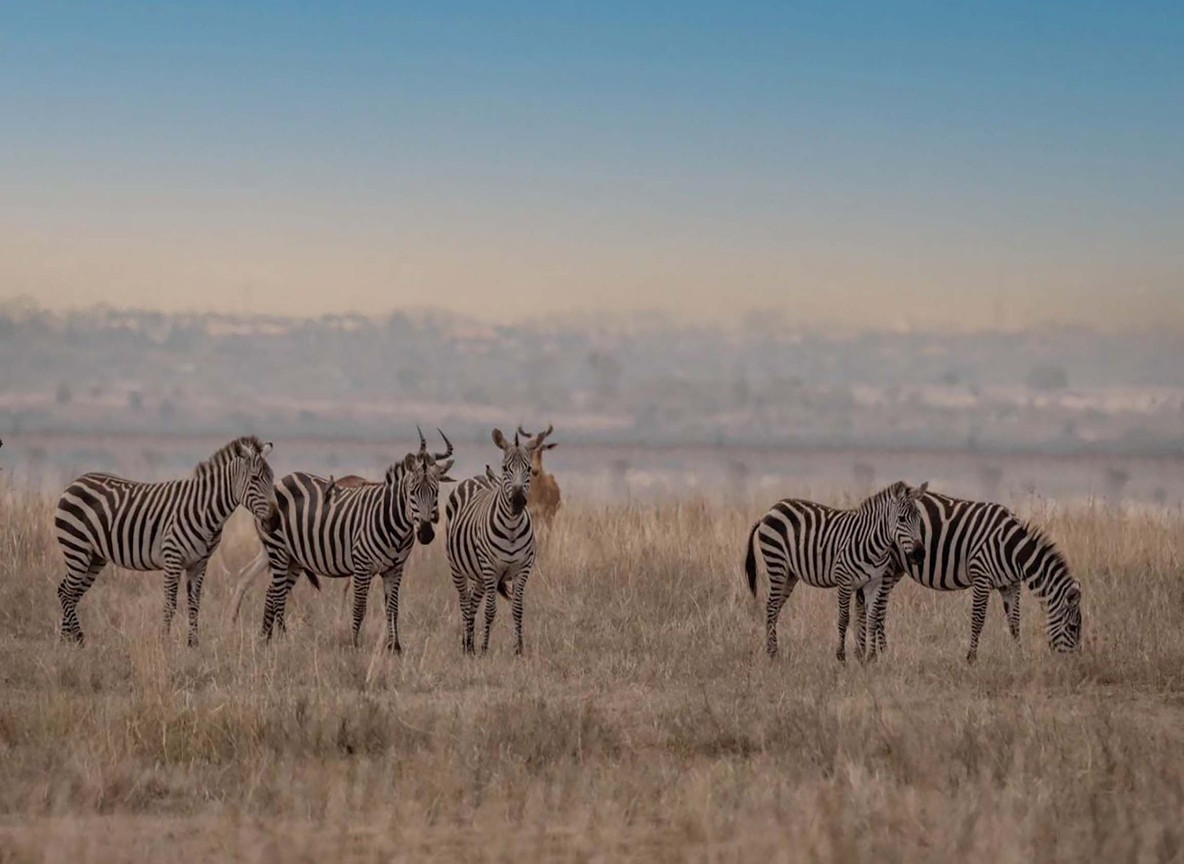
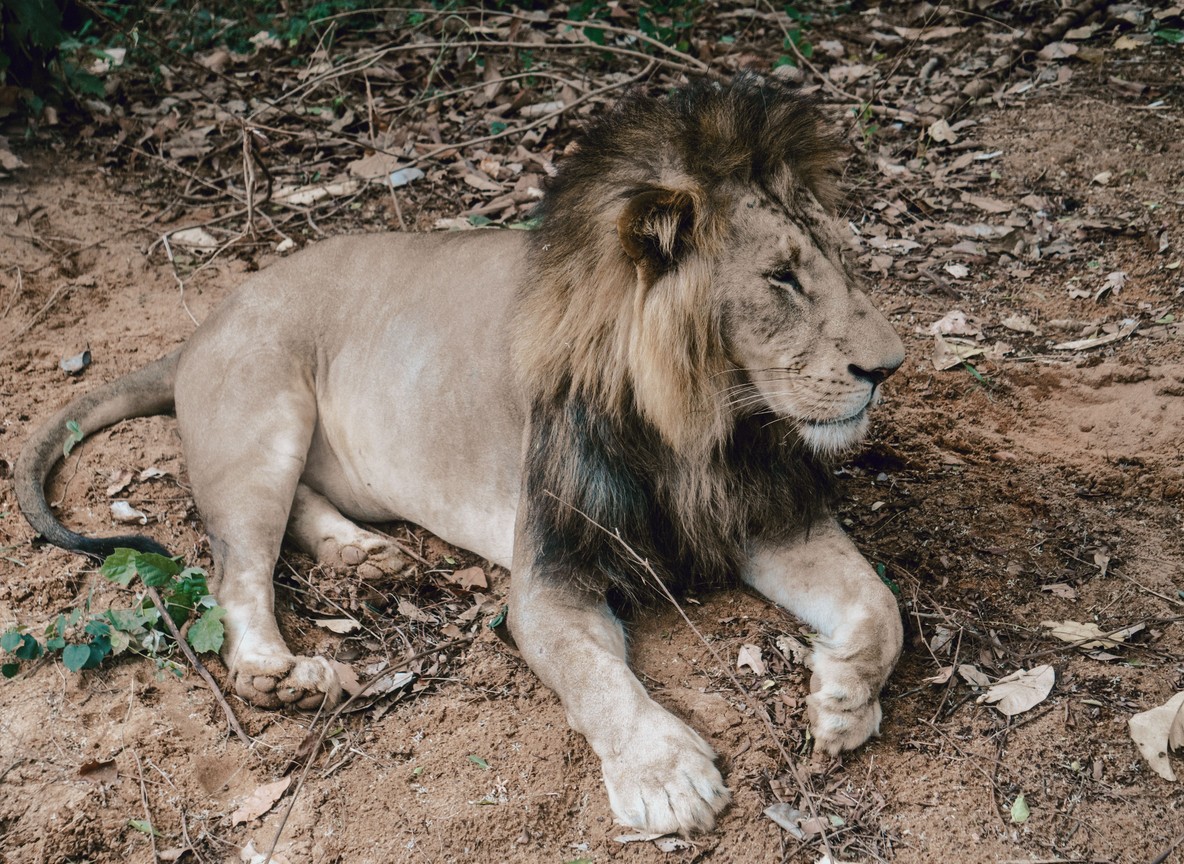
A combustion Land Cruiser idles at roughly 70 to 85 decibels, loud enough that predators and skittish herbivores register the vehicle before the guide even spots the animal. Electric safari vehicles run close to silent at low speed, with only tire noise on dry ground. Guides who have driven both report that lions stay settled through a vehicle’s approach instead of lifting their heads to track the engine sound, and birds that normally scatter at 50 meters will hold their position until the vehicle is much closer.
For photography-focused guests, that difference matters as much as the animal sighting itself. A silent approach means less motion-blur-inducing tension in the subject, cleaner audio on video footage, and a genuine chance to hear the bush, wind through grass, birdsong, a distant hyena whoop, sounds a diesel engine normally drowns out entirely.
Kenya’s Electric Safari Vehicle Fleet: Facts and Figures
| Detail | Figure | Notes |
|---|---|---|
| Maasai Mara National Reserve size | approx. 1,510 km² | Core reserve, excludes surrounding conservancies |
| Nairobi to Maasai Mara (road) | approx. 270-280 km / 5-6 hrs drive via Narok | Depends on route and road conditions |
| Nairobi to Maasai Mara (air) | approx. 45 min flight, Wilson Airport to Ol Kiombo, Musiara or Keekorok airstrip | Multiple daily scheduled flights |
| Emboo River Camp location | Talek River, Maasai Mara National Reserve, near Sekenani Gate | Solar-charged electric vehicle in game-drive rotation |
| Angama Mara location | Oloololo Escarpment, above the Mara Triangle | Electric game-viewing vehicle pilot |
| Electric Land Cruiser conversion, manufacturer-stated range | approx. 250 km per charge (indicative, ROAM published specifications) | Actual range varies with terrain and payload |
| Maasai Mara National Reserve conservancy fee | approx. USD 80-100/day, non-resident adult (indicative, 2026) | Rate varies by gate and season |
| Mara conservancy fee (Naboisho, Mara North, Olare Motorogi) | approx. USD 70-100/day (indicative) | Often bundled into lodge nightly rate |
Fees, distances and vehicle specifications are indicative and change seasonally or with manufacturer updates. Trunktrails Safaris confirms current rates and vehicle availability before finalizing any itinerary.
Electric vs Diesel Safari Vehicle: How They Compare
| Feature | Electric Safari Vehicle | Diesel Land Cruiser |
|---|---|---|
| Engine noise | Near silent at low speed | 70-85 decibels, audible well before arrival |
| Wildlife reaction distance | Shorter, animals often stay settled | Longer, animals track engine sound early |
| Charging or refueling | Solar or grid charge, several hours | Diesel refill, minutes, but requires fuel supply chain |
| Availability across Kenya | Limited, a small number of Mara-area camps as of 2026 | Nearly every safari operator in the country |
| Emissions on game drive | Zero tailpipe emissions during the drive | Diesel exhaust, ongoing carbon output |
| Cost premium to guests | Often built into camp rate, camp-dependent | Standard game drive rate, no premium |
Where You Can Book an Electric Game Drive Today
Electric safari vehicles are not yet the default anywhere in Kenya, and guests should not expect one on every trip. As of 2026, the option is concentrated at a small number of Maasai Mara camps working directly with ROAM, led by Emboo River Camp’s solar-charged fleet, with Angama Mara and a handful of other Mara-area lodges running pilot vehicles on their own conservancy trails. Trunktrails Safaris tracks which camps currently have an electric vehicle in active rotation, because availability shifts as more units are converted and camps expand their fleets.
Booking an electric game drive usually means choosing a camp that already owns one, rather than requesting an electric vehicle from a general operator fleet, since the conversions remain a camp-level investment rather than a rental-fleet-wide upgrade. That is where local knowledge matters most, and it is exactly the kind of detail our guides confirm before it ever reaches your itinerary.
The Trunktrails Advantage
Trunktrails Safaris follows every shift in how Kenya’s safari fleet operates, because it directly shapes the itineraries we build for our guests. When you book tours and safaris with Trunktrails Safaris, our Kenyan guides know exactly which Maasai Mara camps currently run electric vehicles and can route your trip to include a silent game drive where one is genuinely available, not just promised.
We build conservancy fees and camp rates transparently into your quote from day one, so an electric vehicle experience never arrives as a surprise upcharge. Our team maintains direct relationships with camps like Emboo River Camp and Angama Mara, giving Trunktrails Safaris guests real access to Kenya’s electric safari vehicle fleet instead of a marketing promise that falls through at check-in. Because Trunktrails Safaris is Kenyan-owned, every booking also supports the same local guiding and conservation economy driving this shift toward quieter, lower-impact tours and safaris.
Frequently Asked Questions
Are electric safari vehicles available across all of Kenya? Not yet. As of 2026, electric safari vehicles are concentrated at a small number of Maasai Mara camps, led by Emboo River Camp, with Angama Mara and others piloting their own units. Trunktrails Safaris confirms current availability before adding one to your itinerary.
Do electric safari vehicles cost more to book? It depends on the camp. Some camps fold the electric vehicle experience into their standard game drive rate, while others treat it as a premium add-on. Trunktrails Safaris builds any additional cost into your quote upfront so there are no surprises in the field.
Do electric vehicles actually get closer to wildlife? Guides report that animals often stay calmer and hold their position longer around a near-silent electric vehicle than a diesel one, which can mean closer, less disrupted sightings. Results still depend on the individual animal, terrain and time of day.
Book Kenya’s Quiet Game Drive Revolution
Kenya’s electric safari vehicle fleet is small today, but it is changing what a great game drive sounds like, and increasingly what it looks like when a lion does not lift its head at your approach. You do not have to guess which camp actually has one running.
Further reading
More safari planning resources
- Nairobi to Maasai Mara route guide from Valley Safaris
- Maasai Mara National Reserve guide on Touring Insights
- Masai Mara destination guide on FindMySafari
- Interactive Maasai Mara map from Valley Safaris
Message us on WhatsApp at +254 113 208888 or email info@trunktrailssafaris.com and tell us you want an electric game drive built into your Maasai Mara itinerary. Trunktrails Safaris will confirm which camp has a vehicle in active rotation and build your tours and safaris around it, so the quiet revolution is part of your trip, not just a story you read about. 🌍