Kenya Just Won a Rare Double at the ATTA for Action Awards, and It Changes How You Should Book Your Safari 🦁
A kenya conservancy tourism award just went to a Kenyan operator twice in the same year, and it has never happened before. Gamewatchers Safaris and its Porini Camps collection picked up two wins at the ATTA for Action Awards 2026, announced on 22 June 2026 at Experience Africa in London. They took home the Winner title in both the Earthkeepers category and the Eco-Innovation category, becoming the first organization in the awards’ history to win two categories in a single year.
For anyone weighing tours and safaris in Kenya, this is not a trophy for a nice logo or a polished brochure. The ATTA for Action Awards specifically judge measurable conservation results, community income, and long-term environmental commitment across Africa. Winning two in one year tells you something concrete about how Gamewatchers Safaris and Porini Camps run their conservancies, and it matters when you are choosing who to book with for a Maasai Mara or Amboseli trip.
What the ATTA for Action Awards Actually Measure
ATTA stands for the African Tourism and Travel Association, an organization that tracks tourism impact across the continent rather than just marketing reach. The ATTA for Action Awards look at real outcomes: wildlife numbers, community payments, staff employment, and climate action, not just intentions stated in a sustainability report.
The Earthkeepers Award recognizes organizations with a long, verifiable track record in wildlife conservation and habitat protection. The Eco-Innovation Award goes to operators pioneering new models for how tourism revenue reaches the land and the people living on it. Gamewatchers Safaris and Porini Camps won both, which means judges found evidence of long-term conservation results and a genuinely different business model, not just one or the other.
The Conservancy Model Behind the Win
Gamewatchers Safaris built its reputation on a specific idea: lease land directly from Maasai landowners, keep it wild, and pay the community whether or not tourists show up that month. This is the community conservancy model, and Gamewatchers was a founding partner in several of the conservancies that now anchor this system in southern Kenya.
The numbers behind this model are what likely tipped the award. Gamewatchers Safaris and its partners protect more than 42,500 acres across four conservancies bordering the Maasai Mara National Reserve and Amboseli National Park. In 2019, before travel disruptions hit the industry, direct lease payments alone totaled roughly USD 863,783 for that year, with total community income including bed-night fees reaching close to USD 1.5 million annually. On a straight per-acre basis, that works out to around USD 35 per acre per year flowing back to the landowners, split between rent and staff wages. The camps and conservancies together employ around 240 local staff.
| Conservancy | Size (Acres) | Ecosystem | Role in the Award-Winning Model |
|---|---|---|---|
| Ol Kinyei Conservancy | 18,500 | Maasai Mara | Kenya’s first wildlife conservancy exclusively leased to Gamewatchers Safaris |
| Naboisho Conservancy | 3,500 (Gamewatchers share) | Maasai Mara | Multi-partner conservancy with strict vehicle limits per sighting |
| Olare Motorogi Conservancy | 7,000 | Maasai Mara | Known for some of the highest lion densities recorded in Africa |
| Selenkay Conservancy | 13,500 | Amboseli | Kenya’s first community conservancy adjacent to Amboseli National Park |
Porini Camps: Where the Award-Winning Model Sleeps
Porini Camps is the guest-facing side of Gamewatchers Safaris, a small collection of eco-camps built inside these same conservancies rather than inside the crowded national reserves. Each camp keeps a low bed count on purpose, since fewer beds per acre means less pressure on wildlife and a stronger case for conservancies to stay wild instead of being converted to farmland.
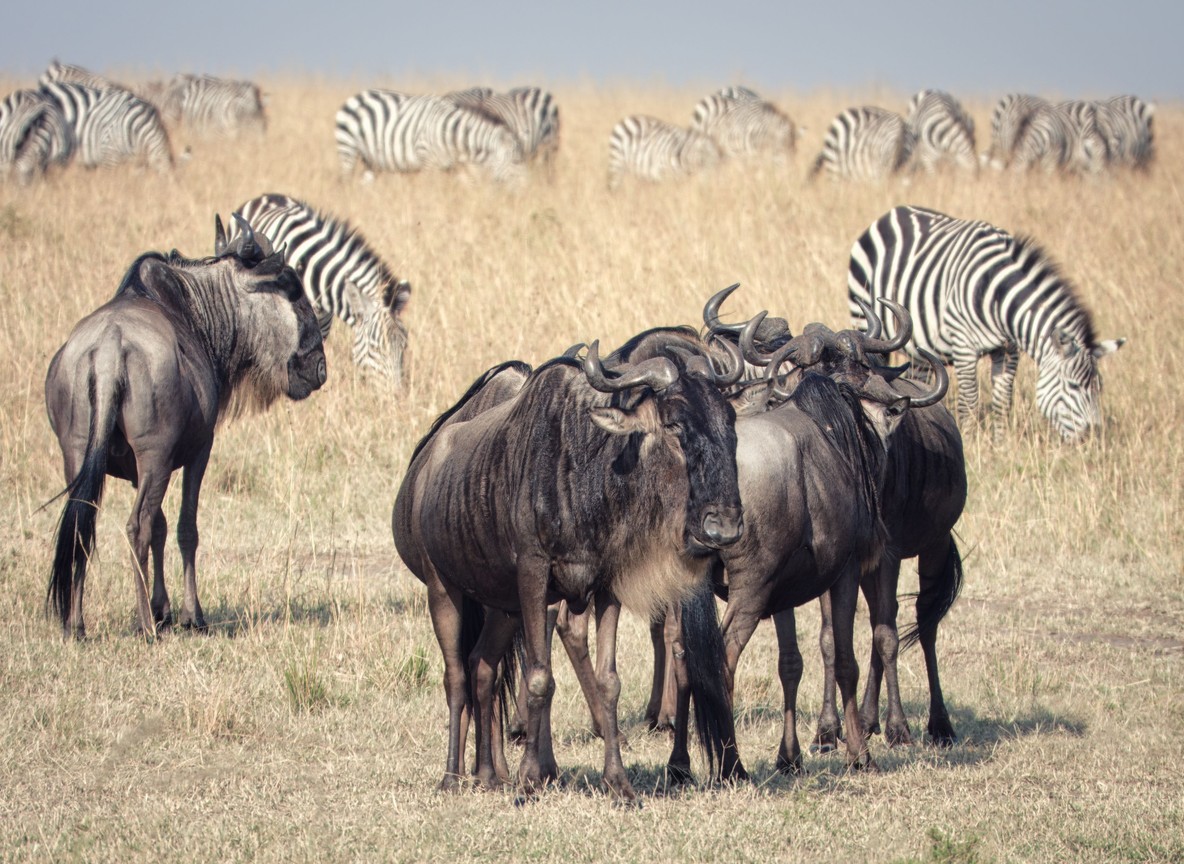
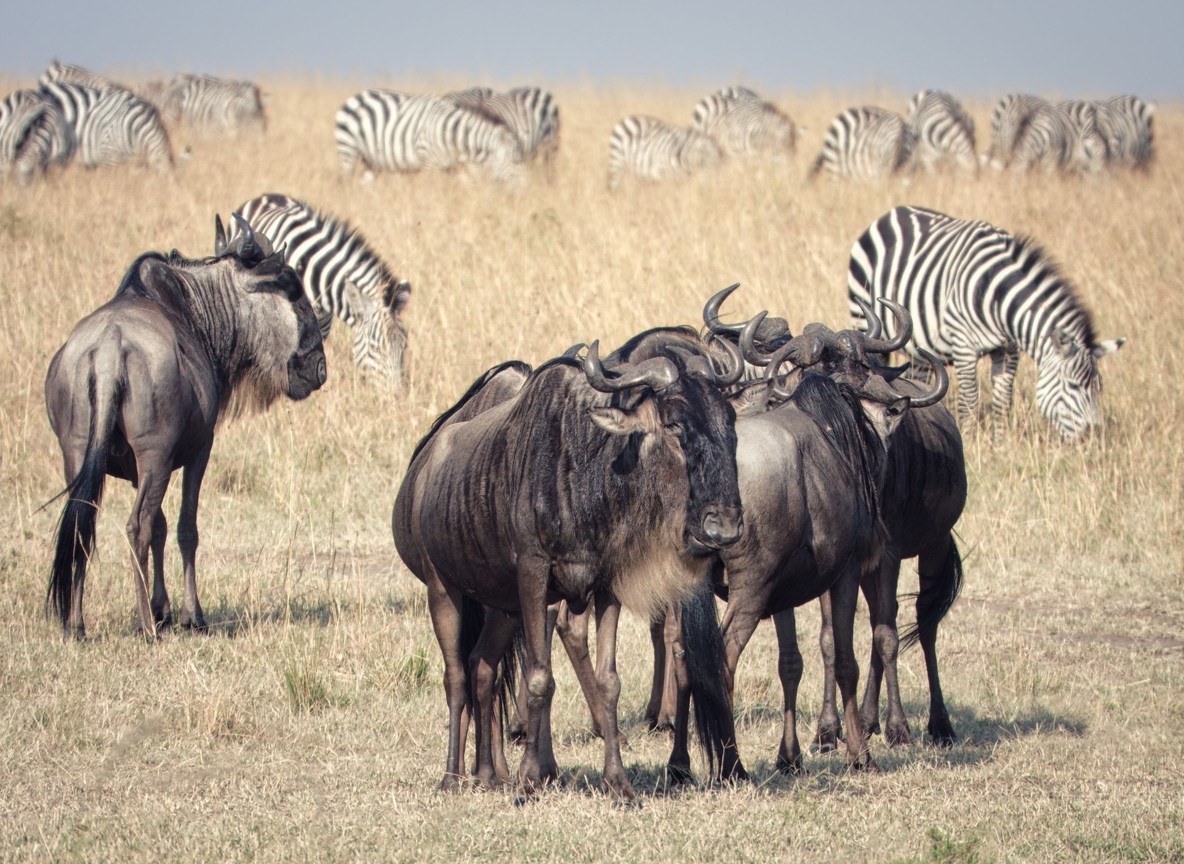
Porini Lion Camp and Porini Mara Camp sit inside Ol Kinyei and Naboisho Conservancies in the Maasai Mara ecosystem. Porini Rhino Camp operates in Ol Pejeta Conservancy further north, home to critically endangered black rhino and the last two northern white rhinos on Earth. Porini Amboseli Camp sits inside Selenkay Conservancy, giving guests elephant sightings against Mount Kilimanjaro without the vehicle congestion common inside Amboseli National Park itself during peak season.
Kenya Conservancy Tourism Award Winners vs Standard National Park Safaris
Travelers often ask whether a conservancy stay is worth it compared to booking inside a well-known national park. The honest answer depends on what you are optimizing for, so here is a direct comparison.
| Factor | Community Conservancy (Porini Model) | Standard National Park Camp |
|---|---|---|
| Vehicle limits per sighting | Strictly capped, often 3 to 5 vehicles maximum | Uncapped in busy sections during peak season |
| Night game drives and walking safaris | Permitted in most conservancies | Not permitted in national parks |
| Direct community income | Land lease payments go straight to Maasai landowners | Park fees go to Kenya Wildlife Service, not local landowners |
| Off-road driving for wildlife viewing | Allowed under conservancy rules | Prohibited inside national park boundaries |
| Typical camp size | Small, 6 to 12 tents | Ranges widely, some lodges exceed 50 rooms |
| Indicative nightly rate (USD, per person, all-inclusive) | 350 to 550 | 200 to 500 |
Prices above are indicative ranges only and vary by season and camp, so always confirm current rates before booking.
Planning a Trip to the Award-Winning Conservancies
If this news has you curious about visiting the exact conservancies behind the award, here is what the logistics look like from Nairobi.
| Destination | Distance/Time from Nairobi | Nearest Airstrip | Conservancy Fee (Indicative, USD/night) |
|---|---|---|---|
| Ol Kinyei & Naboisho Conservancies (Mara) | 270 km, 5 to 6 hr drive, or 45 min flight | Ol Kiombo or Musiara Airstrip | 80 to 100 |
| Olare Motorogi Conservancy (Mara) | 265 km, 5 to 6 hr drive, or 45 min flight | Musiara Airstrip | 90 to 110 |
| Selenkay Conservancy (Amboseli) | 240 km, 4 to 5 hr drive, or 40 min flight | Amboseli Airstrip | 60 to 80 |
| Ol Pejeta Conservancy (Laikipia) | 210 km, 3.5 to 4 hr drive, or 45 min flight | Nanyuki Airstrip | 90 to 110 |
Conservancy fees above are indicative and separate from camp accommodation rates, so confirm exact figures with your operator before travel. Most conservancy stays bundle the conservancy fee into the nightly camp rate.
Why This Award Should Change How You Book
A kenya conservancy tourism award like this one is a signal you can actually use. It tells you that the conservancy fee you pay on top of your camp rate is doing real work, funding rangers, community projects, and land leases that keep wildlife habitat from being converted to farmland or settlement. Choosing tours and safaris built around this model means your trip pays landowners directly instead of only reaching a national park authority.
It also matters for the safari itself. Conservancies capped at a handful of vehicles per sighting, with night drives and walking safaris available, tend to deliver a more personal wildlife experience than a crowded national park circuit during peak season.
The Trunktrails Advantage
Trunktrails Safaris is a Kenyan-owned operator, and we build itineraries around the same community conservancy model that just earned this award, working directly with camps and conservancies that put tourism income back into the land and the people who protect it.
| What We Provide | What It Means for You |
|---|---|
| Local, Kenyan-owned guiding team | Direct relationships with conservancy management and community leaders |
| Itineraries across Mara, Amboseli, and Laikipia conservancies | Access to Ol Kinyei, Naboisho, Selenkay, and Ol Pejeta on one trip |
| Conservation fee transparency | You see how your conservancy fees support local landowners |
| Small-group, low-vehicle-density game drives | A calmer, closer wildlife experience than crowded park circuits |
| Night drives and walking safaris where permitted | Wildlife experiences unavailable inside standard national parks |
Every trip Trunktrails Safaris books into these conservancies supports the same land-lease system recognized by the ATTA for Action Awards this year. Our guides know these conservancies personally, not from a brochure. 🌍
Book a Safari That Backs Kenya’s Award-Winning Conservancies
Kenya’s conservancies just proved, on a global stage, that tourism can fund conservation directly instead of leaving it to chance. Trunktrails Safaris can build your Maasai Mara, Amboseli, or Laikipia itinerary around Ol Kinyei, Naboisho, Selenkay, and Ol Pejeta Conservancies, timed for the game viewing and camp availability that suit your trip.
Further reading
More safari planning resources
- Kenya national parks map from Valley Safaris
- Amboseli National Park guide on Touring Insights
- Amboseli destination guide on FindMySafari
- Map of Amboseli from Valley Safaris
Message Trunktrails Safaris on WhatsApp at +254 113 208888, email info@trunktrailssafaris.com, or visit trunktrailssafaris.com to start planning tours and safaris to Kenya’s award-winning conservancies. ✨