
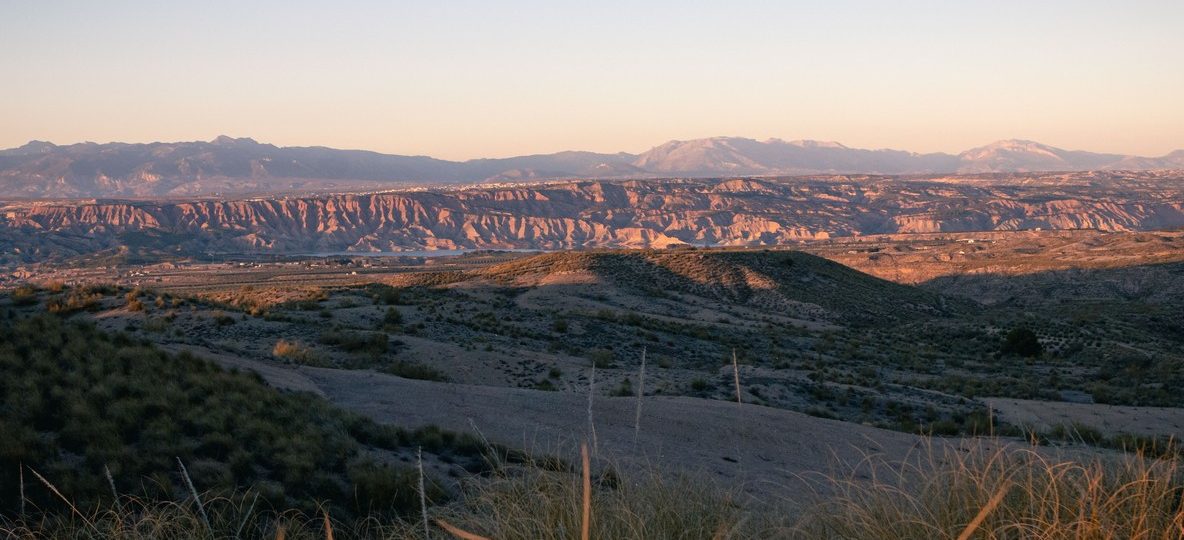
Mara-Serengeti Single Destination Visa: What Travelers Need to Know 🦓
Kenya and Tanzania are working toward a single Mara-Serengeti tourism visa zone, a plan directed by the two governments in mid-2026 to let travelers move across one of the world’s greatest ecosystems without the current paperwork, fees and border delays. For anyone combining the Maasai Mara with the Serengeti, the mara serengeti single destination visa idea is not a small footnote. It touches what you pay, how long you wait at the border, and how naturally your trip can flow between two countries that share one migration and one herd of wildebeest.
At Trunktrails Safaris, we build cross-border tours and safaris every season, so we track exactly what changes and what still needs planning around. Here is the honest picture of where the single visa zone stands, and how to plan a Mara-Serengeti trip either way.
What Is the Mara-Serengeti Single Destination Visa Plan?
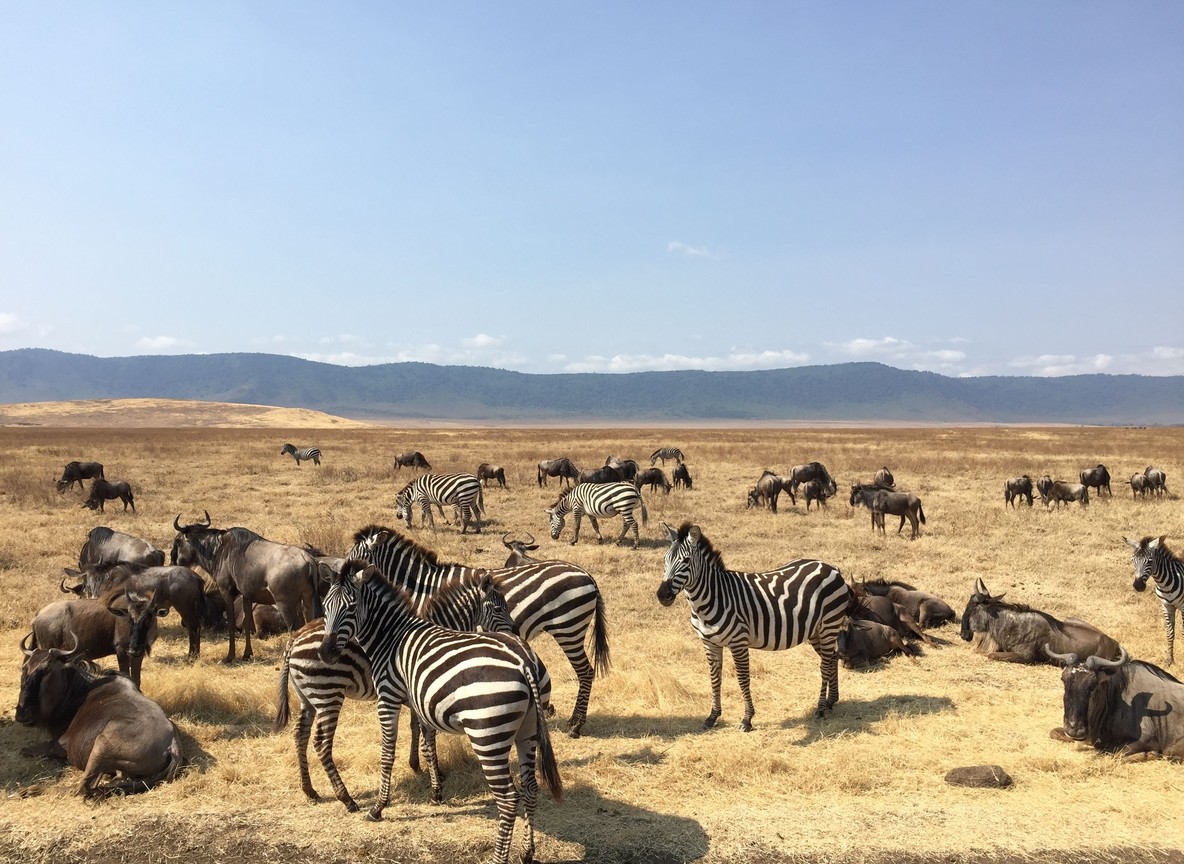
The Maasai Mara in Kenya and the Serengeti in Tanzania are not two separate destinations from the wildlife’s point of view. They are one continuous ecosystem, split by a border that the Great Migration itself ignores every year. Kenyan and Tanzanian officials directed their tourism ministries to harmonize fees, permits and entry rules across the shared ecosystem, with an initial push to have a working framework in place by the end of June 2026. The goal is to market and eventually sell the Mara-Serengeti as one seamless tourism zone, similar in spirit to how the East Africa Tourist Visa already lets travelers move between Kenya, Uganda and Rwanda on a single document.
This is a harmonization plan, not yet a finished visa product. Tanzania sits outside the existing East Africa Tourist Visa, and as of today travelers still need a separate Kenya eTA and a separate Tanzania eVisa to cross between the two countries. What is changing is the direction of travel: both governments have signaled that a shared entry system for this specific ecosystem is the target, even while the legal and logistical work continues.
Why This Matters for Your Safari Right Now
Three things make this more than a policy story. First, cost: two separate visa applications add real money to a trip before you book a camp. Second, time: every land crossing between the reserves means paperwork on both sides. Third, flow: the Mara-Serengeti route is one of the most popular multi-day itineraries in East Africa, and a smoother crossing makes it easier to enjoy.
None of this changes what makes the ecosystem special. The wildebeest do not check passports as they cross the Mara River. A shared visa system would simply catch up travel paperwork to match the wildlife reality that has always existed on the ground.
Current Visa Reality: Kenya and Tanzania Today
Until the harmonized zone becomes official policy, here is what actually applies to a Mara-Serengeti trip in 2026.
| Requirement | Kenya | Tanzania |
|---|---|---|
| Entry document | Electronic Travel Authorization (eTA) | Electronic Visa (eVisa) |
| Indicative cost | approx. USD 30 (standard processing) | approx. USD 50 |
| Validity | 3 months from approval | Up to 90 days stay |
| Covers a regional bloc? | Yes, via the separate East Africa Tourist Visa (USD 100, Kenya + Uganda + Rwanda only) | No, Tanzania is not part of the East Africa Tourist Visa |
| Applies at Isebania-Sirari border? | Yes, checked on Kenyan side | Yes, checked on Tanzanian side |
Visa fees are indicative and set by each government; always confirm current rates on the official eTA and eVisa portals before travel. Trunktrails Safaris checks current requirements for every guest before finalizing a cross-border itinerary.
The gap is clear. A Kenya eTA does not get you into Tanzania, and the East Africa Tourist Visa that already links Kenya, Uganda and Rwanda leaves Tanzania out entirely. That is exactly the gap the new harmonization push is aimed at closing.
Crossing the Border Today: Isebania-Sirari
If you are combining the Maasai Mara with the Serengeti by road, the Isebania-Sirari One-Stop Border Post is the main crossing point, and it already works better than most people expect.
| Detail | Figure |
|---|---|
| Border post | Isebania (Kenya) / Sirari (Tanzania), one-stop border post |
| Processing model | Exit and entry stamps for both countries handled at one facility |
| Typical processing time | approx. 1-2 hours, depending on traveler volume |
| Isebania to Serengeti (Naabi Hill Gate) | approx. 105 km / 2.5-3 hrs drive |
| Maasai Mara (Sekenani area) to Isebania | approx. 6 hrs drive, road conditions vary |
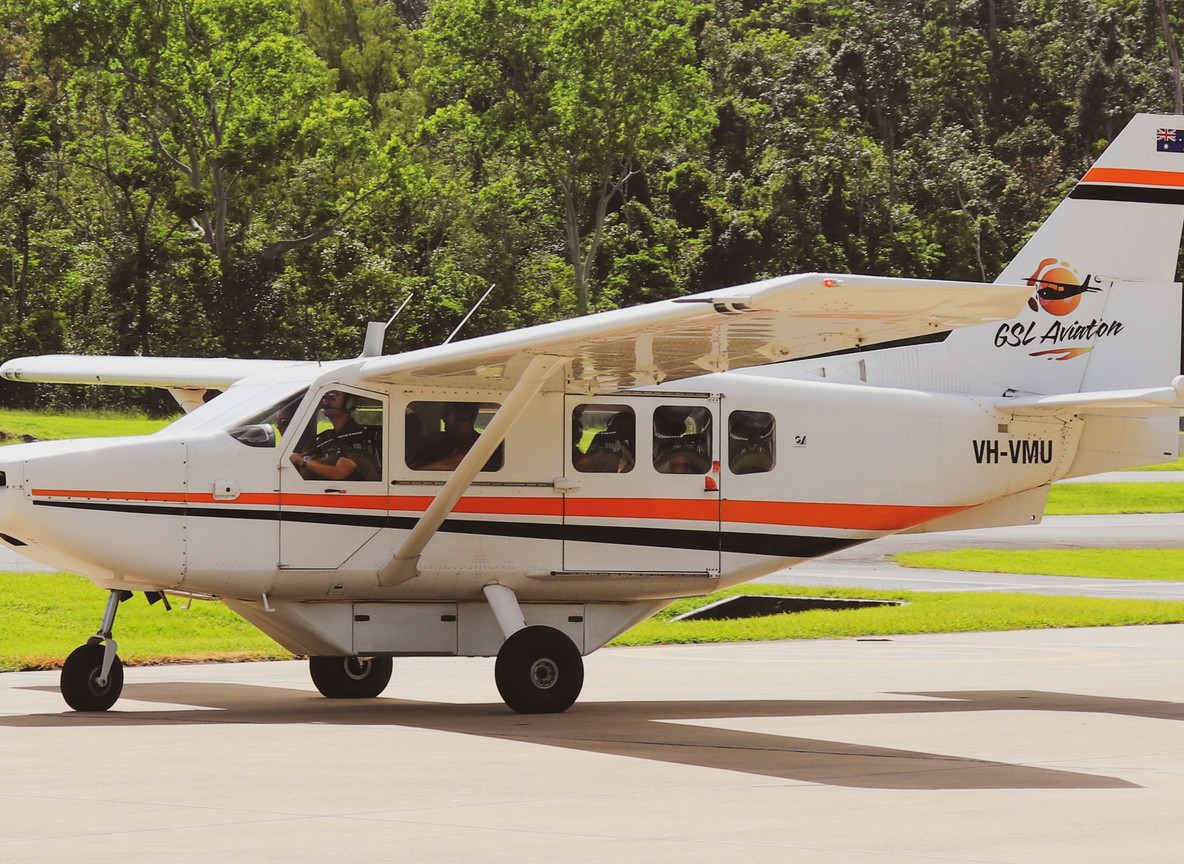
| Alternative route | Fly between Ol Kiombo or Musiara airstrip (Mara) and Seronera airstrip (Serengeti), avoiding the border drive entirely |
For most guests doing a first Mara-Serengeti combination, we recommend flying between the Mara airstrips and Seronera. It skips the long road transfer and border wait, and suits travelers with limited days. Guests with more time still get real value from the road route, since the Loita Hills and the approach to the Serengeti’s western corridor are worth seeing at ground level.
Park Fees on Both Sides of the Ecosystem
A single visa zone would not automatically mean a single park fee. Kenya’s Maasai Mara National Reserve and Tanzania’s Serengeti National Park are managed separately, and that is expected to continue even if entry paperwork is merged.
| Park / Reserve | Country | Non-Resident Fee (Indicative, 2026) | Park Size | Main Gate / Airstrip |
|---|---|---|---|---|
| Maasai Mara National Reserve | Kenya | approx. USD 100/day (Jan-Jun), rising to approx. USD 200/day (Jul onward) | approx. 1,510 km² | Sekenani Gate, Ol Kiombo airstrip |
| Mara Triangle (Mara Conservancy) | Kenya | approx. USD 100/day (indicative, seasonal) | approx. 510 km² (within Mara ecosystem) | Oloololo Gate, Musiara airstrip |
| Serengeti National Park | Tanzania | approx. USD 70-83/day | approx. 14,750 km² | Naabi Hill Gate (south), Seronera airstrip (central) |
| Ngorongoro Conservation Area | Tanzania | approx. USD 70-82/day plus vehicle/crater fees | approx. 8,292 km² | Lodoare Gate |
Fees are indicative ranges based on published 2026 KWS and TANAPA rates and change seasonally. Trunktrails Safaris builds all park fees into your quoted itinerary so there are no surprises at the gate, regardless of which side of the border you enter from.
The Serengeti alone is nearly ten times the size of the Maasai Mara Reserve, which is why a combined trip rewards travelers who give themselves at least 5 to 7 days. Rushing the crossing usually means missing the parts of the ecosystem that make the combination worth doing.
Mara-Serengeti as One Trip vs Two Separate Trips
Travelers often ask whether it makes more sense to do the Maasai Mara and the Serengeti as one combined safari or as two separate trips in different years. Here is how that decision actually plays out today, before any visa harmonization takes effect.
| Factor | Combined Mara-Serengeti Trip | Two Separate Trips |
|---|---|---|
| Visa cost | Two documents required today (~USD 80 combined, indicative) | Same per trip, paid twice over time |
| Time on the ground | 7-10 days covers both ecosystems well | 5-7 days per trip, more total travel days over the years |
| Border crossing | One land crossing or one connecting flight | None, but no cross-border wildlife context either |
| Migration timing | Can follow the herds as they move between the two parks | Limited to whichever park the herd is in that trip |
| Best for | Travelers with 9+ days and a first-time interest in the full ecosystem | Repeat travelers focusing deeply on one park at a time |
A combined trip currently asks more of your planning, mainly around the two visas and border logistics. A harmonized single visa zone would remove that friction without changing the wildlife experience itself, which is already the same continuous herd on both sides of the line.
What to Expect if the Single Visa Zone Moves Forward
Regional tourism bodies have discussed harmonized fees and joint marketing of the Mara-Serengeti ecosystem for years, and the mid-2026 directive is the most concrete government-level push yet. Expect a phased rollout rather than an overnight switch. Visa systems tied to national immigration law usually start with a pilot period and simplified processing before a genuinely single document exists.
For now, the safest planning assumption is that both the Kenya eTA and the Tanzania eVisa remain necessary. Trunktrails Safaris updates every affected itinerary the moment either government confirms a new process, so guests booking now are never caught off guard.

The Trunktrails Advantage
Cross-border safaris look simple in a brochure and complicated in practice, and closing that gap is exactly what we do for every guest who wants the full Mara-Serengeti experience. Trunktrails Safaris is a Kenyan-owned operator, and our guides plan these routes on the ground every migration season, not from a desk overseas.
We confirm your exact visa requirements for both countries before you travel, so nothing is left to guesswork. Our team builds your Isebania-Sirari crossing or your Mara-to-Serengeti flight connection directly into your itinerary, timed around border hours and airstrip schedules that change by season. We also track every update to the harmonization plan and adjust your paperwork the moment either government changes the rules, so your combined trip is priced and paced by people who know exactly where the herds are likely to be when you arrive.
Frequently Asked Questions
Is there already a single Mara-Serengeti visa I can apply for? Not yet. As of mid-2026, Kenya and Tanzania have directed their ministries to harmonize fees and entry rules for the shared ecosystem, but travelers still need a separate Kenya eTA and Tanzania eVisa to cross between the two parks.
Does the East Africa Tourist Visa cover the Serengeti? No. The East Africa Tourist Visa covers Kenya, Uganda and Rwanda only. Tanzania, and therefore the Serengeti, requires its own eVisa regardless of whether you hold the regional visa.
What is the easiest way to cross from the Maasai Mara to the Serengeti today? Most Trunktrails guests fly between Mara airstrips like Ol Kiombo or Musiara and Serengeti’s Seronera airstrip. Travelers with extra time can also cross by road through the Isebania-Sirari One-Stop Border Post, which typically takes 1-2 hours to process.
Will a single visa zone lower my overall trip cost? It should reduce visa costs and processing time once implemented, though separate park entry fees for the Maasai Mara and the Serengeti are expected to remain in place, since the two parks are managed by different national authorities.
Further reading
More safari planning resources
- Interactive Maasai Mara map from Valley Safaris
- Kenya eTA and eVisa guide on Touring Insights
- Masai Mara destination guide on FindMySafari
- Maasai Mara National Reserve guide on Touring Insights
Ready to Plan Your Mara-Serengeti Safari?
Whether the single visa zone lands this year or takes longer to finalize, the Mara-Serengeti ecosystem is already one continuous story worth experiencing across both countries. Trunktrails Safaris handles the paperwork, the border timing and the flight or road connection, so you spend your trip watching the herds move rather than managing logistics at a gate.
Message us on WhatsApp at +254 113 208888 or email info@trunktrailssafaris.com to start planning a Mara-Serengeti safari with Trunktrails Safaris today. Our team will confirm current visa requirements for both countries, map out the best crossing for your travel dates, and build an itinerary around the tours and safaris that follow the migration wherever it goes. 🌍