
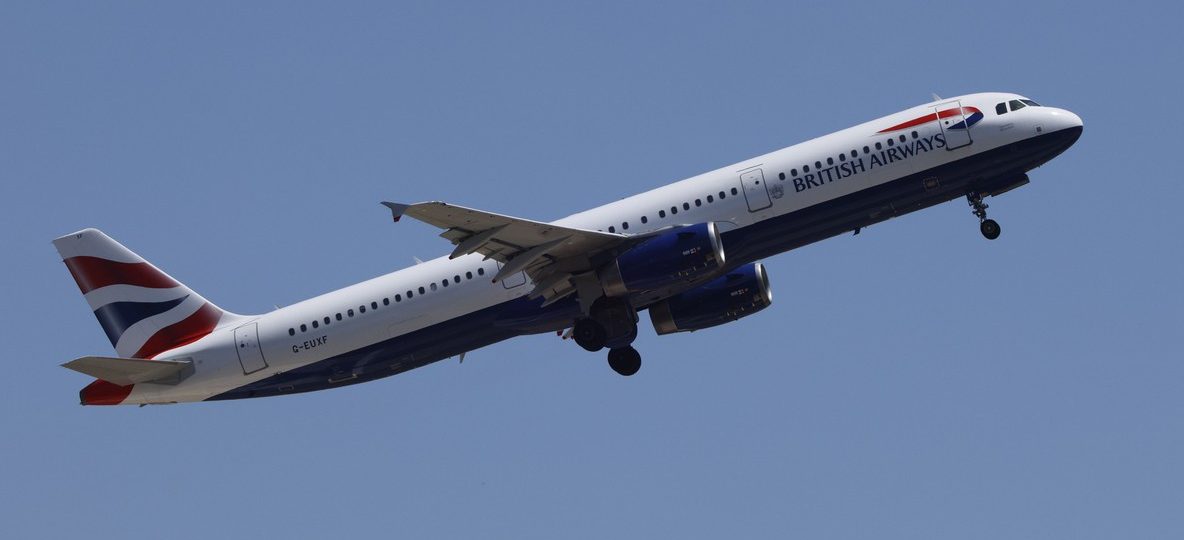
Kenya Airways London Heathrow Flight: Boeing 777 Returns After 10 Years
Kenya Airways is bringing the Boeing 777-300ER back to the Nairobi to London route, and the change starts on July 17, 2026. The wide-body jet returns to the Jomo Kenyatta International Airport (JKIA) to London Heathrow run after roughly ten years away, following the end of a long-term sublease to Turkish Airlines. For anyone tracking a kenya airways london heathrow flight for an upcoming Kenya safari, this update is worth knowing: more seats, more cargo space, and a fresh schedule to plan a trip around. 🌍
This guide covers the new schedule, how the Boeing 777-300ER compares with the Boeing 787 Dreamliner that has flown this route for years, what the switch could mean for fares, and how it fits into planning a safari with Trunktrails Safaris.
Kenya Airways London Heathrow Flight: The Facts at a Glance
Here are the numbers that matter most if this route affects your travel plans.
| Detail | Figure |
|---|---|
| Route | Jomo Kenyatta International Airport (JKIA/NBO) to London Heathrow (LHR) |
| New aircraft start date | July 17, 2026 |
| Aircraft returning to route | Boeing 777-300ER |
| Frequency | 4 flights per week |
| Aircraft flown on the route before this change | Boeing 787-8/787-9 Dreamliner |
| Great-circle distance, Nairobi to London | Approx. 6,800 km / 4,225 miles |
| Typical flight time | Approx. 8 hours 40 minutes to 9 hours 15 minutes, direction and winds affect timing |
| Heathrow terminal used by Kenya Airways | Terminal 4 |
| Distance, JKIA to Nairobi CBD | Approx. 15-18 km / 30-45 min drive |
| Distance, Heathrow to central London | Approx. 24 km / 15 min by Heathrow Express, 45-75 min by road |
Treat the flight times and drive times as planning ranges, not guarantees. Wind patterns shift flight duration by 30 minutes or more depending on direction, and Heathrow’s road links slow down considerably during the London morning and evening rush.
Why the Boeing 777-300ER Is Coming Back
Kenya Airways subleased its Boeing 777-300ER aircraft to Turkish Airlines roughly a decade ago as part of a fleet restructuring plan, and the Dreamliner took over the London route in the meantime. Now that the sublease has ended, the airline is redeploying the larger jet on one of its busiest long-haul markets.
The move lines up with steady demand growth on the Nairobi to London corridor, both for passengers and for cargo. Kenya Airways carries a significant volume of fresh-cut flowers and other exports out of Nairobi toward European markets, and a bigger aircraft means more belly-hold cargo space on each departure, not just more passenger seats. For travelers, the practical result is a jump in available seats on a route that has run tight during peak safari season for years.
Boeing 777-300ER vs Boeing 787-9 Dreamliner: What Changes for Passengers
The switch is not just a bigger plane. It changes the passenger experience and the amount of space Kenya Airways has to work with on this route.
| Feature | Boeing 777-300ER | Boeing 787-8/787-9 Dreamliner |
|---|---|---|
| Typical passenger capacity | Approx. 350-396 seats in a standard three-class layout (exact Kenya Airways configuration not yet confirmed) | Approx. 234 seats in Kenya Airways’ current two-class layout, roughly 30 business and 204 economy |
| Aircraft type | Twin-aisle wide-body, four-engine-class long-haul jet | Twin-aisle wide-body, smaller long-haul jet |
| Range | Approx. 13,650 km | Approx. 13,600-14,140 km depending on variant |
| Cargo hold capacity | Larger belly-hold volume, better suited to bulk cargo like flowers | Smaller belly-hold volume than the 777-300ER |
| Cabin pressurization and humidity | Standard wide-body cabin | Higher cabin humidity and lower cabin altitude, generally more comfortable on long sectors |
Passengers used to the Dreamliner’s cabin comfort will notice the difference, but the bigger draw is availability. More seats per flight means more room during the July to October and December to January peak booking windows, when Kenya-bound leisure travel usually spikes.
Kenya Airways vs Other Ways to Fly Nairobi to London
Kenya Airways is not the only option on this route, and knowing the alternatives helps with both timing and budget.
| Option | Aircraft | Stops | Approx. total travel time |
|---|---|---|---|
| Kenya Airways direct (from Jul 17, 2026) | Boeing 777-300ER | Nonstop | Approx. 8h40m-9h15m |
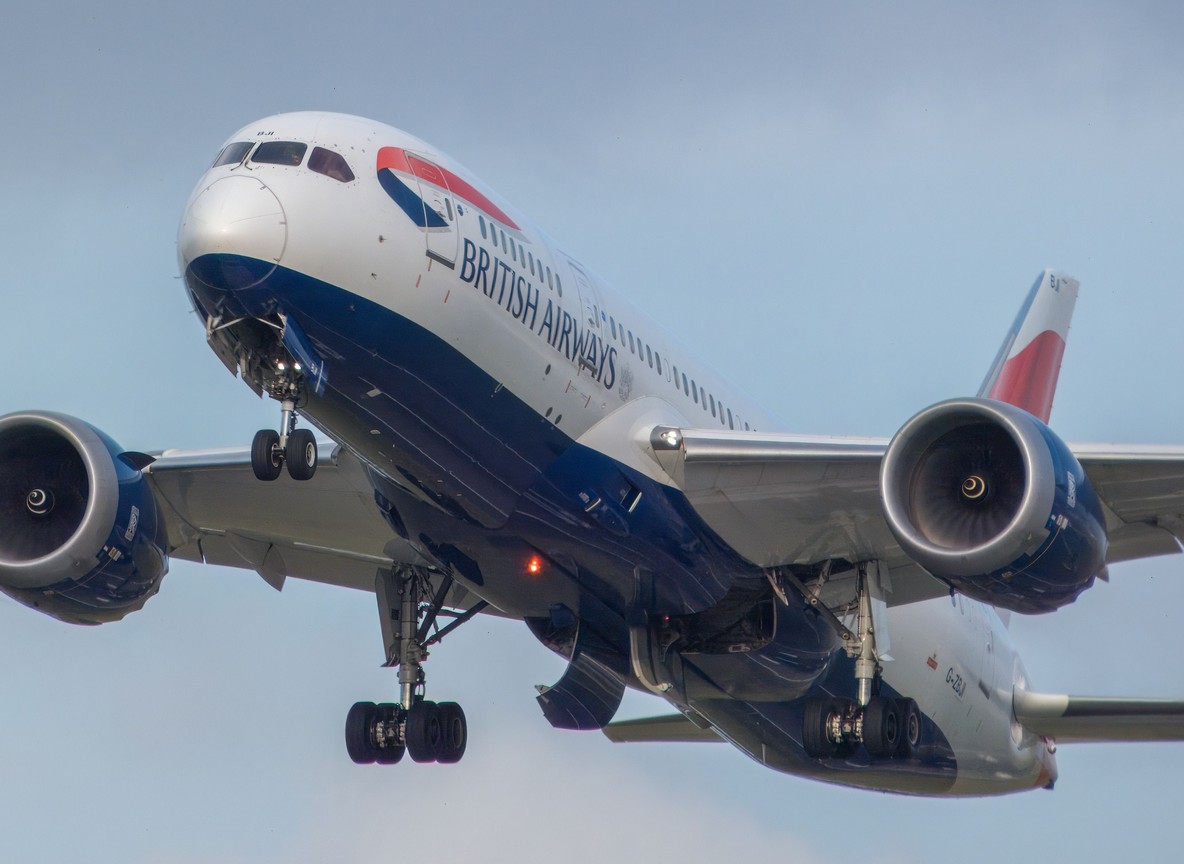
| British Airways direct | Boeing 787-9 | Nonstop | Approx. 8h30m-9h |
| Kenya Airways via Amsterdam (KLM codeshare, Air France-KLM joint venture) | Mixed wide-body fleet | 1 stop | Approx. 13-16h including layover |
A nonstop flight, whether on Kenya Airways or British Airways, is almost always the better choice for safari travelers with a tight window before an onward Wilson Airport connection. The Amsterdam routing works for travelers who want to add a Europe stopover, or who find a fare advantage on a specific date, but it eats several extra hours that could otherwise go toward rest before a dawn game drive.
What This Means for Fares and Booking
Indicative economy return fares on the Nairobi to London route typically fall in the range of USD 700 to 1,400, depending on season, how far ahead you book, and which fare class is available. These figures shift constantly with demand and fuel costs, so confirm the exact price directly with Kenya Airways, British Airways, or a licensed travel agent before you commit.
A larger aircraft on the route does not guarantee lower fares immediately, since Kenya Airways will likely price the increased capacity against demand through the July 2026 launch period. Booking 8 to 12 weeks ahead of a July, August, or December travel date generally gives the best shot at competitive fares on this corridor, since those months carry the heaviest safari and holiday travel demand.
Baggage allowance is worth checking too. A larger aircraft does not always mean a bigger baggage allowance, since that figure is set by fare class rather than aircraft type. Standard Kenya Airways economy allowances have run around 23 kg for checked baggage on long-haul routes, with business class typically higher, but always confirm the figure printed on your specific ticket rather than assuming it matches a previous trip.
Practical Tips for Booking the New Route
- Check the aircraft type before you book. Airline booking systems usually list the operating aircraft on the flight details page. Confirm you are booking the Boeing 777-300ER departure if that matters to your seating preference.
- Compare the 4x weekly Kenya Airways schedule against your safari start date. With only 4 flights a week on the direct route in the initial rollout, a mismatched date could mean an extra overnight in Nairobi or London.
- Ask about connection timing to Wilson Airport. If your safari flight to the Maasai Mara or Amboseli departs the same day you land, confirm your JKIA arrival time leaves enough buffer for the 12 km transfer.
- Watch for schedule changes in the weeks after launch. New route configurations sometimes see frequency or timing adjustments in the first few months, so reconfirm your booking closer to your travel date.
- Factor in cargo-driven demand. Kenya Airways’ flower and export cargo volumes on this route can affect seat availability on specific days, so book early if your travel dates are fixed.
Why This Matters for Your Kenya Safari
A direct flight change on the London route affects more than the plane you board in the UK. It shapes how your entire Kenya itinerary lines up on arrival day. A morning landing at JKIA leaves enough daylight for the drive to Nairobi National Park or the transfer to Wilson Airport for a same-day light aircraft flight to the Maasai Mara or Amboseli. A late-evening arrival usually means an overnight near JKIA before continuing.
Trunktrails Safaris builds every tours and safaris itinerary around the actual flight schedule a guest is flying, not a generic arrival window. When an airline shifts aircraft or frequency on a major route like Nairobi to London, that change ripples into connection timing, hotel bookings near JKIA, and the pickup time for the Wilson Airport transfer. Knowing the new Boeing 777-300ER schedule ahead of time means Trunktrails Safaris can plan tours and safaris connections around it from day one, rather than adjusting after a guest has already booked flights.
The Trunktrails Advantage
Trunktrails Safaris is a Kenyan-owned tours and safaris operator, and getting the international flight leg right is where a lot of otherwise well-planned safaris either save time or lose it. We track schedule changes like this Boeing 777-300ER return on the London route so that every itinerary we build reflects the real flight times available, not outdated aircraft or frequency data.
Our team cross-checks Kenya Airways, British Airways, and connecting options against your safari dates, then builds the JKIA arrival, the Wilson Airport transfer, and the first game drive around your actual landing time. As a Kenyan-owned operator, Trunktrails Safaris handles this kind of flight-to-safari planning as standard on every booking, whether you are flying in from London, Amsterdam, or anywhere else. ✨
Plan Your Kenya Safari Around the New Flight Schedule
Flight schedules like this one shift fast, and the aircraft you book today may not be flying the route by the time you land. Tell Trunktrails Safaris your travel dates and which flight you are considering, and we will confirm how it fits your safari itinerary before you finalize a booking.
Further reading
More safari planning resources
- Nairobi to Maasai Mara route guide from Valley Safaris
- Best safaris in Kenya on Touring Insights
- Compare Kenya safari packages on FindMySafari
- Kenya tour packages from Valley Safaris
WhatsApp: +254 113 208888 Email: info@trunktrailssafaris.com Website: https://trunktrailssafaris.com
Message us your flight details now, and our tours and safaris team will map your JKIA arrival straight through to your first night under the stars. 📸